


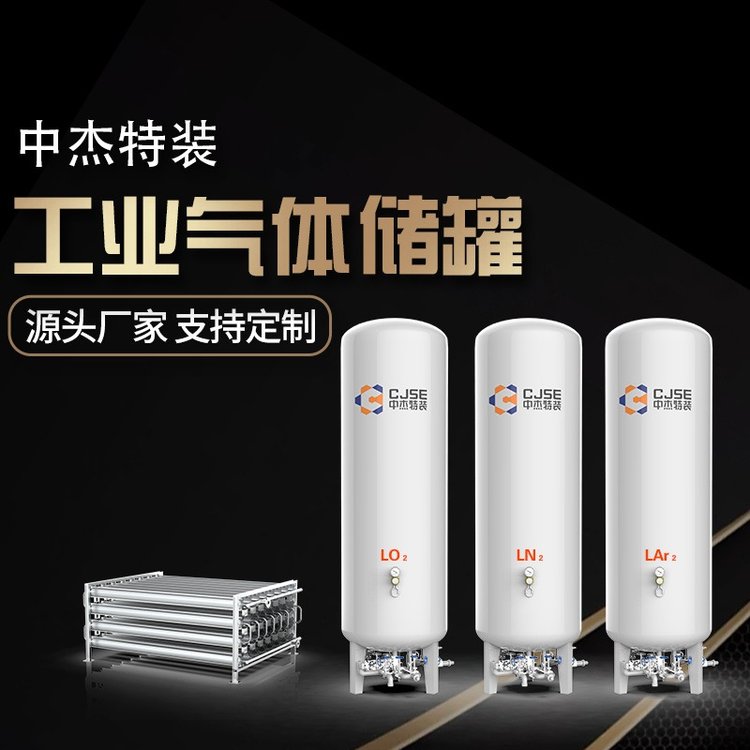

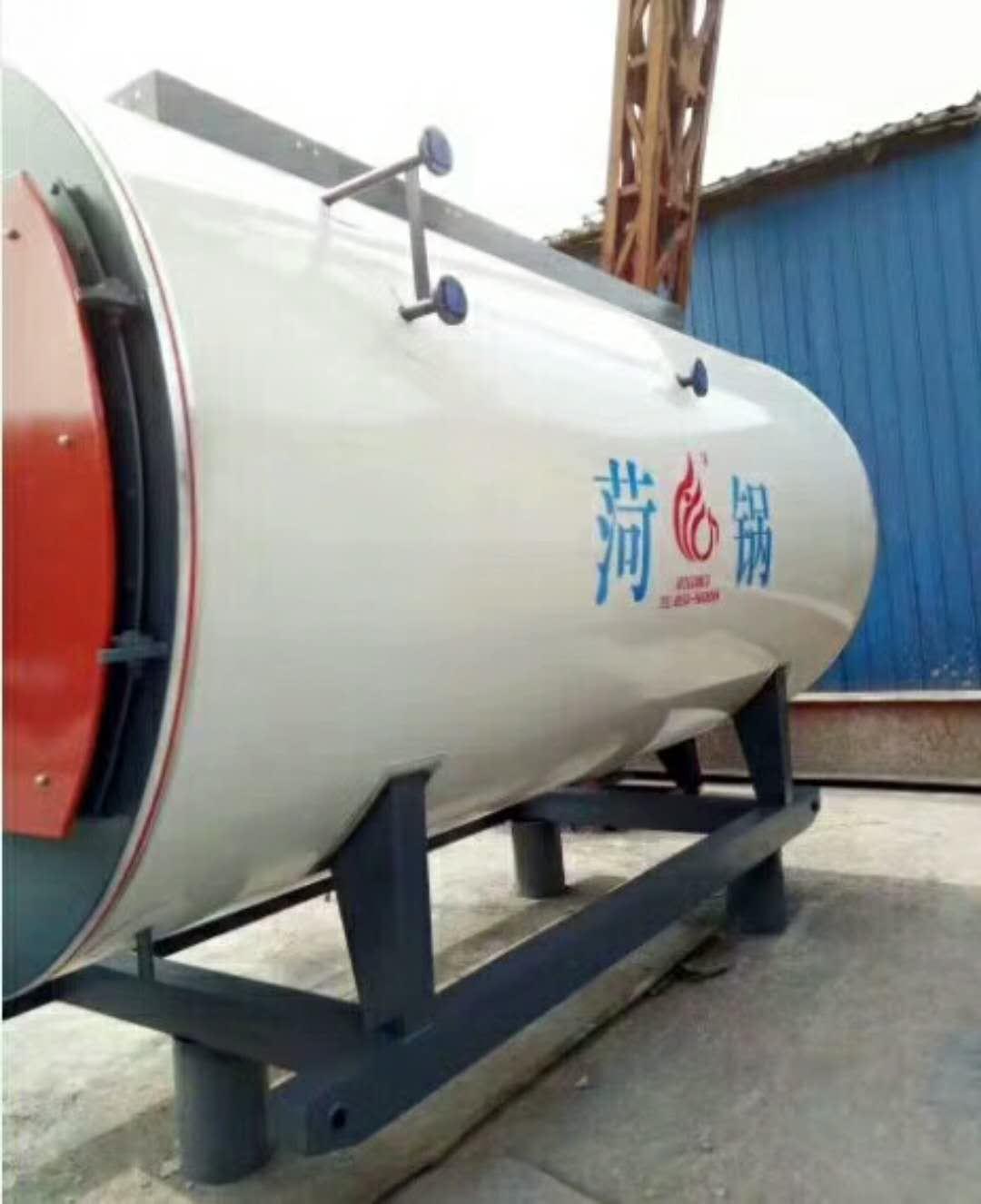
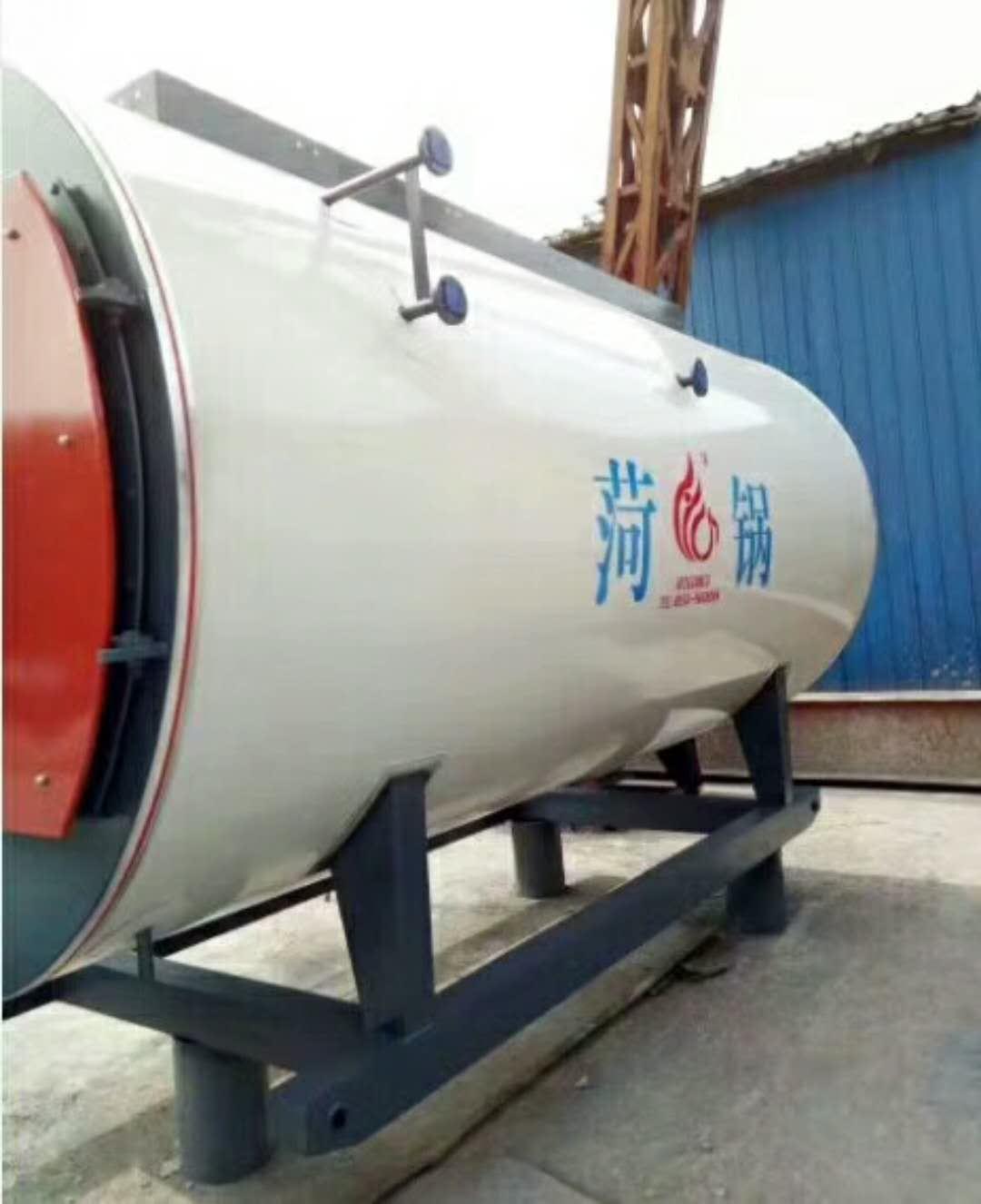


















Shandong Zhongjie Special Equipment's main products include: fuel (gas) boilers, organic heat carrier boilers, biomass boilers, waste heat boilers, and other boiler products; vacuum insulation cryogenic pressure vessels such as LNG tanks, oxygen/nitrogen/argon tanks, CO2 tanks; pressure vessel products such as denitrification engineering equipment, heat storage and energy storage equipment, complete chemical equipment sets; central air conditioning and ventilation equipment such as ground (water) source heat pumps, air source units, water-cooled screw units, and air-cooled modular units. Planned products include large-scale energy centers, LNG transport vehicles, LNG tank containers, and other green energy equipment.
Proper installation of the safety valve on a liquid oxygen storage tank is a crucial step for ensuring safe operation. Here are the installation steps for the safety valve on a liquid oxygen storage tank:
Select the appropriate safety valve: Choose a safety valve that meets the design pressure and flow requirements of the liquid oxygen storage tank. Ensure the rated pressure and flow of the safety valve comply with the tank's specifications and adhere to relevant safety standards and regulations.
Valve Installation Location: Select a suitable location for installing the safety valve. Typically, the safety valve should be mounted on the top or side of the liquid oxygen tank to allow for timely pressure release in the event of overpressure.
Preparation for installation interfaces: Prepare the corresponding interfaces based on the connection method of the safety valve. This may include welding interfaces, threaded interfaces, or flange interfaces, etc. Ensure the tightness and firmness of the connections.
Install the safety valve: Mount the safety valve onto the prepared fitting. Follow the installation instructions for the safety valve to ensure it is properly connected and secured.
Adjustment and Testing: After installation, adjust and test according to the requirements of the safety valve. Ensure the opening and closing pressures of the safety valve meet the design specifications, and conduct a leakage test to verify its sealing integrity.
Identification and Documentation: Label the safety valve with relevant information such as rated pressure, flow rate, and installation date. Additionally, document the installation details and test results of the safety valve for future reference and maintenance.
When installing the liquid oxygen storage tank safety valve, it is imperative to follow the relevant safety regulations and operational guidelines. If you lack the necessary experience and knowledge, it is advisable to seek assistance and guidance from a professional to ensure the correct installation and reliable operation of the safety valve.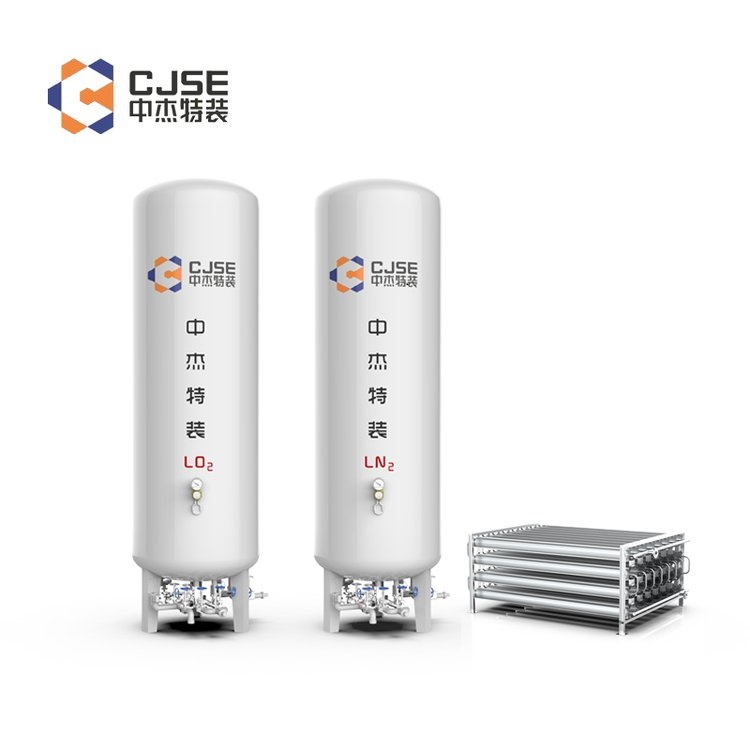
Tanks are specialized storage equipment that require regular inspections and maintenance to ensure safe operation. Here are common inspection methods for tanks:
Appearance Inspection: Regularly inspect the tank's exterior, checking for leaks, corrosion, deformation, cracks, and other issues. Pay special attention to the integrity of the tank's joints, welds, and valves.
Pressure Testing: Conduct pressure tests to check the sealing performance and pressure resistance of the storage tank. Pressure gauges or pressure sensors can be used for pressure testing the tank to ensure it can withstand the designed pressure.
Ultrasonic Testing: Ultrasonic testing is used to detect corrosion and cracks in storage tank walls. Scanning the tank with an ultrasonic detection instrument can identify potential defects and issues.
Magnetic Particle Inspection: Magnetic particle inspection is used to detect cracks in storage tank walls and the quality of welds. By applying magnetic particles to the tank surface and then observing for particle accumulation with a magnetic particle inspection device, it can be determined if there are any cracks or weld issues.
Environmental Monitoring: Regularly monitor the surrounding environment of storage tanks, including parameters such as gas concentration and temperature, to ensure the safety of the surrounding environment.
Note that tank inspections should be conducted by a certified inspection agency or qualified inspectors. The frequency and methods of inspection should be determined based on the tank's usage, size, and relevant regulations. Regular inspections and maintenance can help identify potential issues early on, ensuring the safe operation of the tank.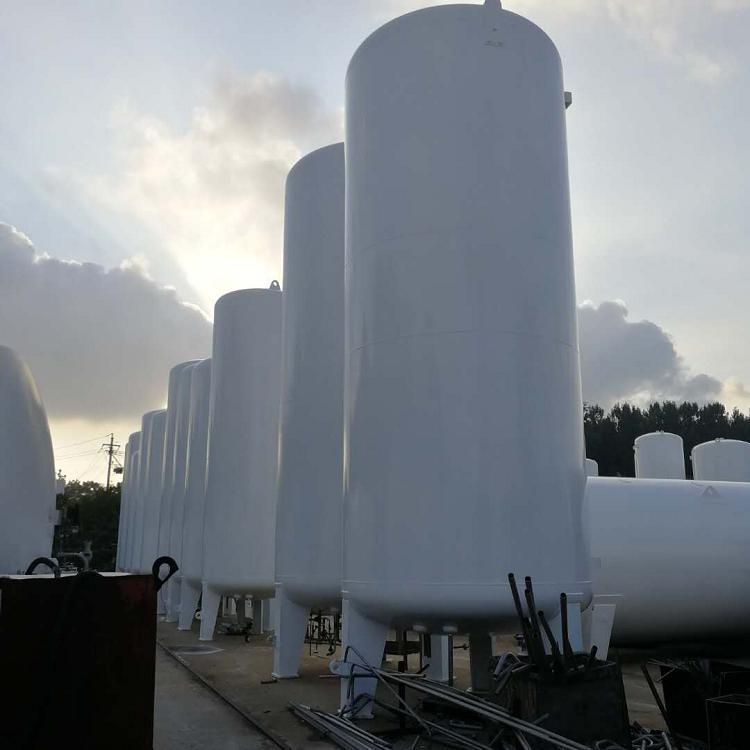
Liquid nitrogen tanks are equipment used for storing liquid nitrogen and are widely applied in the following fields: Frozen Food and Refrigerated Logistics: Liquid nitrogen tanks are used in the frozen food and refrigerated logistics industry to freeze or refrigerate food and other perishable items, extending their shelf life and maintaining freshness. The low temperature of liquid nitrogen can rapidly freeze food, prevent bacterial growth, and prevent spoilage. Scientific Research and Laboratories: Liquid nitrogen tanks are used in scientific research and laboratories to provide liquid nitrogen as a coolant and freezing medium. The low temperature of liquid nitrogen can be used for cooling laboratory equipment, material research, superconducting electronics, and low-temperature physics. Metal Processing and Welding: Liquid nitrogen tanks are used in metal processing and welding for cooling and controlling the temperature of metal. Liquid nitrogen can quickly cool metal, improve its hardness and strength, and reduce deformation and stress. Gas Storage and Supply: Liquid nitrogen tanks are also used for storing and supplying nitrogen gas. Liquid nitrogen can be converted into gaseous nitrogen through evaporation and used in applications such as gas shielded welding, gas fire suppression systems, gas analysis, and laboratory gas supply. In summary, liquid nitrogen tanks are widely used in the fields of frozen food, laboratory research, metal processing, and gas supply, providing storage and supply functions for liquid nitrogen at application sites.
A hydrostatic test of a liquid nitrogen storage tank is a common method used to check the tank's sealing and pressure resistance. Below are the general steps for a hydrostatic test of a liquid nitrogen storage tank:
Preparation: Ensure the tank interior is clean and that all gases and liquids have been drained from the tank. Check that the tank's sealing and safety devices are functioning properly.
Fill with water: Fill the interior of the tank with water, ensuring the water level is above the low water mark. Pump or other appropriate methods may be used for filling.
Apply Pressure: Gradually increase the water pressure using a pressure pump or other pressure source until the predetermined test pressure is reached. The test pressure is typically 1.1 times the design working pressure of the tank.
Pressure maintenance: After reaching the test pressure, maintain for a period (typically 30 minutes to 1 hour), and observe if there are any abnormal conditions such as leaks or deformation in the tank.
Pressure Release: Gradually release pressure, drain water from the tank until the tank is completely empty.
Inspection and Evaluation: Check for leaks, deformation, or other damage on the surface and interior of the tank. Evaluate test results to ensure the tank meets design requirements and safety standards.
需要注意的是,液氮储罐水压试验需要由人员进行操作,并遵循相关的安全操作规程。在进行测试前,应仔细阅读和遵守储罐制造商提供的操作指南和安全注意事项。
Shandong Zhongjie Special Equipment, welcome customers to visit our factory for business talks.
WeChat Official Account

Scan to follow Official Account



















