


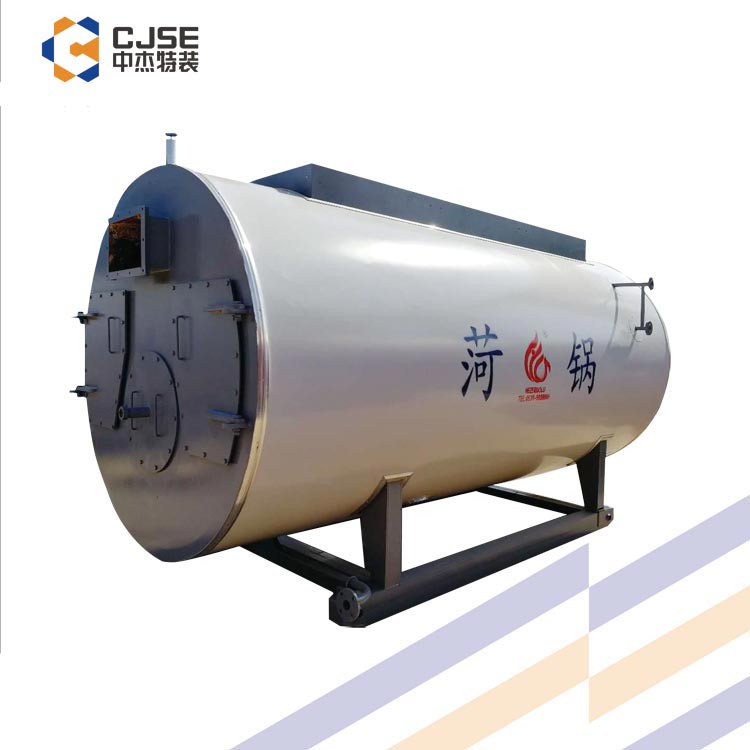

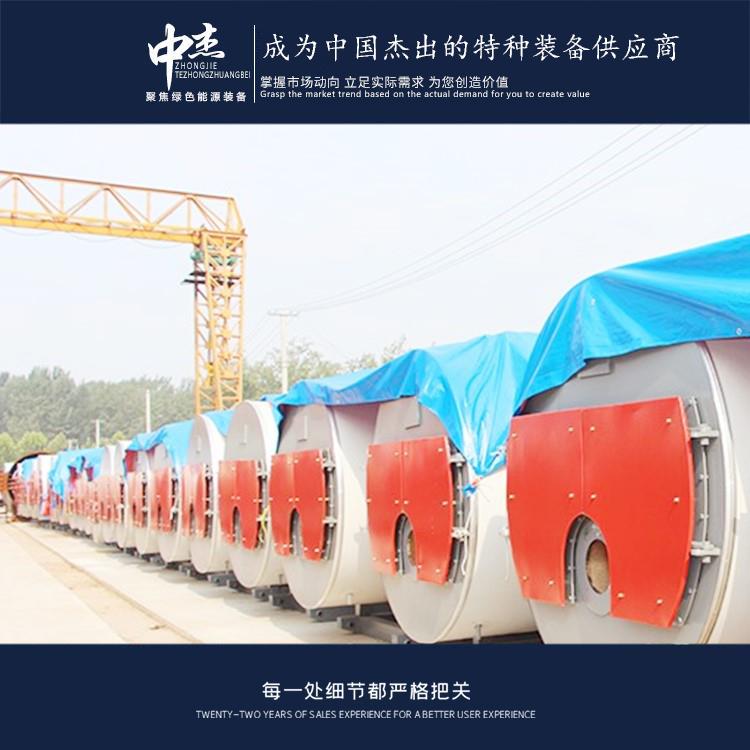
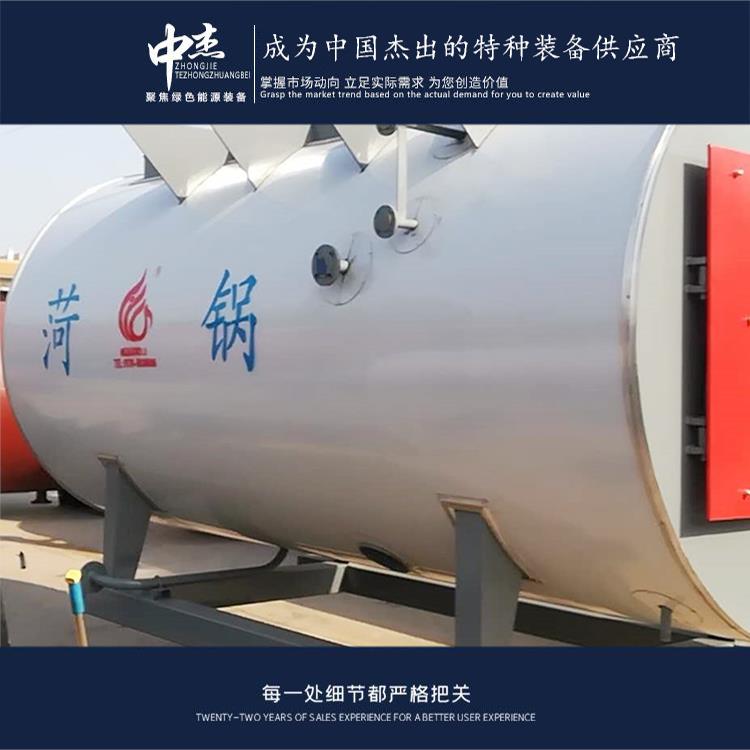


















Shandong Zhongjie Special Equipment specializes in: fuel (gas) boilers, organic heat carrier boilers, biomass boilers, waste heat boilers, and other boiler products; vacuum insulation cryogenic pressure vessels such as LNG tanks, oxygen/nitrogen/argon tanks, and CO2 tanks; pressure vessel products including denitrification engineering equipment, heat storage and energy storage equipment, and complete chemical equipment sets; central air conditioning and HVAC equipment such as ground (water) source heat pumps, air source units, water-cooled screw units, and air-cooled modular units. Planned products include large-scale energy centers, LNG transport vehicles, LNG tank containers, and other green energy equipment.
The importance of energy-saving in steam boilers can be attributed to the following main reasons: Energy Costs: Steam boilers typically use fuels (such as coal, gas, oil, etc.) to produce steam, and energy costs constitute a significant portion of the boiler's operational expenses. Energy-saving can reduce energy consumption and lower energy costs. Environmental Protection: The combustion process of steam boilers generates exhaust gases and smoke dust, causing environmental pollution. Energy-saving can decrease fuel usage and lower emissions, having a positive impact on environmental protection. Sustainable Development: Energy-saving is one of the important aspects of sustainable development. By reducing energy consumption and extending the boiler's lifespan, resources can be conserved and waste minimized, achieving sustainable development. To promote energy-saving, the following measures can be taken: Boiler Thermal Efficiency Enhancement: By improving the boiler's combustion system, optimizing combustion parameters, and increasing heat exchange efficiency, the boiler's thermal efficiency can be raised, reducing energy waste. Heat Recovery Utilization: Utilizing waste heat recovery systems, the excess heat in the flue gas emitted by the boiler can be recovered and used to heat water or other processes requiring heat, improving energy utilization efficiency. Energy-Saving Equipment Application: By adopting energy-saving equipment such as variable-frequency drives, energy-saving burners, heat pumps, etc., energy consumption can be reduced and efficiency increased.
When selecting a thermal oil furnace for the rubber industry, pay attention to the following aspects: Temperature Requirements: Determine the required working temperature range based on the process needs of the rubber industry. When choosing a thermal oil furnace, ensure it can stably provide the required working temperature. Heat Load: Calculate the required heat load based on the production scale and process requirements of the rubber industry. When choosing a thermal oil furnace, ensure its heat load meets the industry's needs. Thermal Efficiency: The thermal efficiency of a thermal oil furnace directly affects energy consumption and operating costs. When choosing a thermal oil furnace, consider its efficiency and opt for energy-saving products. Safety: The safety of the thermal oil furnace is crucial. Choose a furnace with comprehensive safety protection devices and an automatic control system to ensure safe and reliable operation. Maintenance: Proper maintenance is vital for extending the lifespan and ensuring smooth operation of the thermal oil furnace. When choosing a thermal oil furnace, consider the ease and cost of maintenance. Manufacturer's Reputation: Choose a reputable and experienced thermal oil furnace manufacturer to ensure product quality and reliable after-sales service. Cost-Effectiveness: Consider the price, energy consumption, and maintenance costs of the thermal oil furnace, selecting products with good cost-effectiveness. When purchasing a thermal oil furnace, it is recommended to consult and communicate with heating equipment suppliers or engineers, select based on specific needs, and adhere to relevant industry standards and regulations.
Chemical cleaning of industrial boilers is a common method used to effectively remove dirt and deposits inside the boiler, enhancing heat exchange efficiency and extending the boiler's lifespan. The following are general steps and methods for industrial boiler chemical cleaning:
Preparation: Turn off the boiler's power and gas supply, drain the water and steam from the boiler, ensuring the boiler is in a safe condition. Prepare the necessary chemical cleaning agents and cleaning equipment.
Cleaning Agent Selection: Choose a suitable chemical cleaning agent based on the boiler's material and the nature of the dirt. Common cleaning agents include acidic, alkaline, and chelating agents.
Cleaning Agent Circulation: Dissolve the cleaning agent in an appropriate amount of water and circulate it into the boiler through a pump. Determine the circulation time and temperature based on the boiler's size and the extent of dirt.
Cleaning Agent Action: During circulation, the cleaning agent reacts chemically with the dirt inside the boiler, dissolving and decomposing it. Acidic cleaning agents can remove rust and scale, while alkaline cleaning agents can remove grease and organic matter.
Rinsing and Neutralizing: After the cleaning agent circulation is complete, rinse the boiler with clean water to flush out the cleaning agent and dissolved dirt. At the same time, use a neutralizing agent to neutralize any remaining acidic or alkaline substances, ensuring the boiler's neutrality.
Inspection and Maintenance: After cleaning, inspect the boiler to ensure the cleaning effectiveness and normal operation. Perform necessary maintenance and upkeep as needed.
Points to note when performing industrial boiler chemical cleaning:
- Strictly follow the instructions for the use of chemical cleaning agents and safety operation procedures to ensure the safety of the operators.
- Select the appropriate cleaning agent and method based on the boiler's material and the cleaning agent's properties.
- Control the concentration, temperature, and circulation time of the cleaning agent to avoid unnecessary damage to the boiler.
- Monitor the concentration and pH of the cleaning agent in real-time during the cleaning process, adjusting the cleaning conditions as needed.
- After cleaning, rinse the boiler to ensure that all cleaning agents and dirt are completely removed.
- After cleaning, promptly perform maintenance and upkeep on the boiler to ensure normal operation and long-term use.
A gas thermal oil heater is a device that uses gas as fuel and transfers heat energy through thermal oil. Its features include:
- High thermal efficiency: The gas thermal oil heater uses thermal oil as the heat transfer medium, offering high heat transfer efficiency. The thermal oil has high thermal conductivity and stability, enabling rapid heat transfer and improving energy utilization.
- Temperature control: By controlling the gas supply and thermal oil circulation, the gas thermal oil heater can maintain the working temperature. This temperature control meets various process and production requirements, enhancing production efficiency and product quality.
- Safety and reliability: The gas thermal oil heater employs a closed-loop system, with the combustion process occurring in a sealed environment, reducing the risk of gas leakage. Additionally, the thermal oil has a high flash point and ignition point, making the combustion process relatively safe and reliable.
- Flexibility: The gas thermal oil heater is suitable for various industrial fields, such as chemicals, textiles, and food processing. It can adapt to different process requirements and working conditions, offering strong flexibility.
- Environmental protection and energy saving: The gas thermal oil heater emits relatively low amounts of exhaust during combustion, causing minimal environmental pollution. Due to its high thermal efficiency and temperature control, it can save energy consumption and reduce energy costs.
- It is important to note that regular inspections and maintenance are required for the gas thermal oil heater during operation to ensure proper functioning and extend its service life. Moreover, selecting the appropriate model and supplier is crucial to ensuring its features and performance.
Shandong Zhongjie Special Equipment, welcome customers to our factory for business discussions.
WeChat Official Account

Scan to follow Official Account



















