


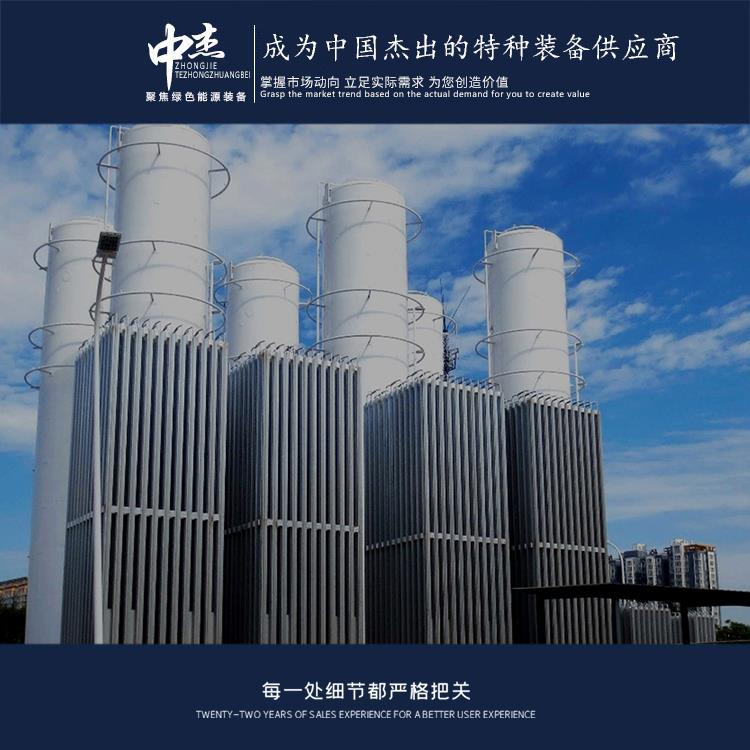



















Shandong Zhongjie Special Equipment (formerly Heze Boiler Factory Co., Ltd.) holds an A-grade boiler manufacturing license, an A2-grade pressure vessel manufacturing license, an A2-grade pressure vessel design license, a B-grade boiler installation license, and GB2/Class and GC2/Class pressure pipeline installation licenses, as well as a mechanical and electrical equipment installation contracting qualification. It is a member of the China Boiler and Water Treatment Association, the China Chemical Equipment Association, and the director unit of the Shandong Equipment Manufacturing Association. The company has also passed the ISO9001 Quality Management System, ISO14001 Environmental Management System, OHSAS18001 Occupational Health and Safety Management System certifications, and the American ASME/U2 certification.
The filling of low-temperature liquid nitrogen tanks refers to the process of transferring liquid nitrogen from an external supply source into the tank. Below is an explanation of the filling process for low-temperature liquid nitrogen tanks:
Preparation: Before filling the liquid nitrogen tank, preparatory work is required. This includes checking the tank's condition and safety, ensuring the tank is clean and free of impurities and contaminants. Additionally, inspect the quality of the liquid nitrogen from the supply source and the safety of the supply pipeline.
Connect supply source: Link the liquid nitrogen supply source to the liquid filling port of the tank. Ensure the connection is securely fastened to prevent leaks.
Control Liquid Level: During the bottling process, it is necessary to control the liquid nitrogen level to prevent overfilling or spillage. A level gauge or level control system can be used to monitor and control the liquid level.
Slow Injection: The injection of liquid nitrogen should be carried out slowly to avoid rapid vaporization and increased pressure. Appropriate valves and flow control devices can be used to regulate the injection rate.
Monitor Pressure: During the canning process, it is necessary to monitor the pressure of the storage tank to ensure it remains within a safe range. Pressure gauges or pressure sensors can be used for monitoring.
Canning completed: Stop injecting liquid nitrogen when the liquid level reaches the predetermined filling amount or the tank's capacity limit. Disconnect from the supply source and ensure the sealing integrity of the filling port.
Safe Operation: Throughout the entire bottling process, relevant safety regulations and operation guidelines must be followed. Liquid nitrogen is highly flammable and extremely cold, so operators should wear appropriate personal protective equipment and ensure there are no ignition sources in the operating environment.
When bottling liquid nitrogen, be mindful of its low-temperature properties and safety. Ensure safe operation and control throughout the bottling process to guarantee the safe operation of the storage tank and effective storage of liquid nitrogen.
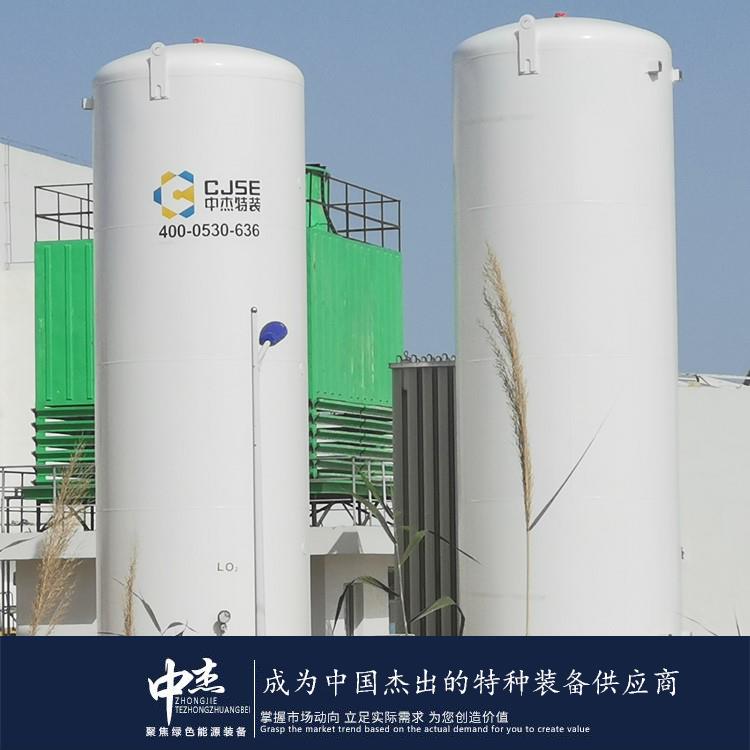
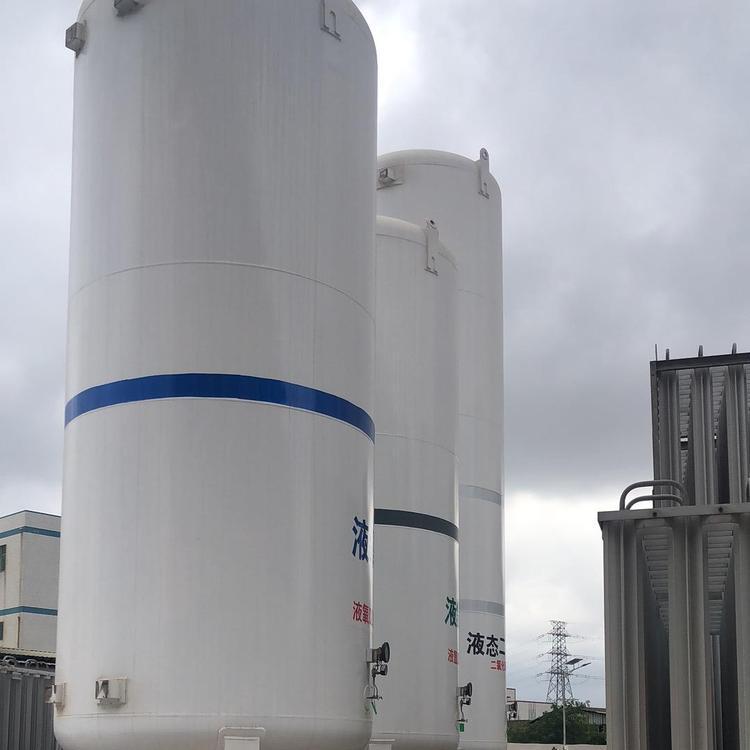
Liquid oxygen storage tanks are used for storing and supplying liquid oxygen as fuel and an oxidizer, playing a crucial role in launch propulsion systems, etc. Industrial Production: Liquid oxygen is used as an oxidizer in industrial production for processes such as combustion, oxidation, and oxygen supply. Liquid oxygen storage tanks are used to store and supply liquid oxygen to meet the needs of industrial applications like metal cutting, welding, and chemical reactions. Equipment: Liquid oxygen storage tanks are used to supply oxygen in equipment such as oxygen therapy, oxygen inhalation, and operating rooms. These tanks provide high-purity oxygen while maintaining low temperatures to meet the equipment's oxygen requirements. Laboratory Research: Liquid oxygen storage tanks are used in scientific research and laboratories to provide liquid oxygen as experimental materials and reagents. The low temperature and high purity of liquid oxygen make it widely applicable in laboratories for fields such as materials science, chemical reactions, and biomedical research. In summary, liquid oxygen storage tanks are crucial in various fields including industrial production, equipment, and laboratory research, providing storage and supply functions for liquid oxygen at the application sites.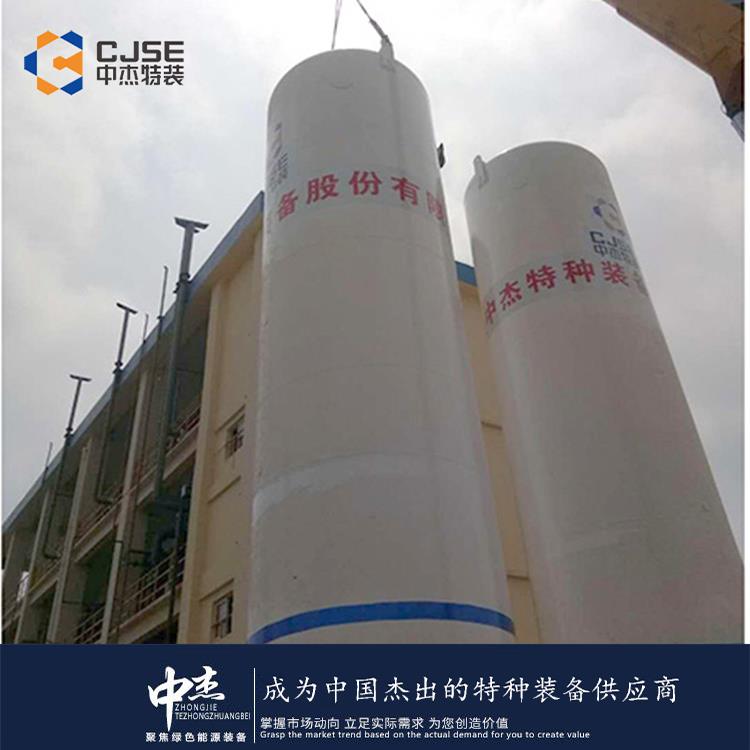
The reasons for not leaving liquid oxygen tanks empty for extended periods are mainly as follows:
Evaporation Loss of Liquid Oxygen: Liquid oxygen has a low boiling point, and prolonged storage without use can lead to continuous evaporation, resulting in a loss of liquid oxygen within the storage tank. The evaporation rate is relatively fast, with daily evaporation amounts potentially reaching several percent of the tank's capacity, leading to waste if left unused for extended periods.
Safety Risk: Liquid oxygen is a strong oxidizing agent with high flammability and explosiveness. Long-term storage without use increases the chances of liquid oxygen coming into contact with the surrounding environment, thus increasing the risk of accidental fires and explosions.
Risk of tank damage: Long-term emptying of liquid oxygen tanks can lead to internal oxidation reactions, accelerating corrosion and damage to the tank. Tank damage affects its sealing performance and structural integrity, increasing the risk of leaks and safety accidents.
Therefore, to ensure the safe storage and effective use of liquid oxygen, the liquid oxygen tank should be regularly maintained and serviced to avoid long-term empty storage. When the tank is not in use, appropriate measures should be taken, such as sealing the tank and reducing oxygen evaporation, to minimize liquid oxygen loss and safety risks.
The use and operation of the liquid oxygen storage tank system require attention to the following points:
Safe Operation: When operating the liquid oxygen storage tank system, it is mandatory to adhere to the relevant safety operation procedures and standards to ensure the safety of the operators.
Tanks Selection: Choose liquid oxygen tanks that comply with regulations and standards, ensuring their quality and safety performance.
Tanks Installation: Tanks should be installed on a sturdy foundation to ensure stability. Additionally, maintain good ventilation around the tanks and keep them away from flammable materials and heat sources.
Seal Integrity Inspection: Regularly check the sealing performance of the storage tank system to ensure there are no leakage issues at valve and pipe connections.
Pressure Control: The storage tank system should be equipped with a pressure gauge and a safety valve, and regular inspections and maintenance should be performed to ensure the pressure is within a safe range.
Fire Prevention Measures: Liquid oxygen has a high oxygen content and is highly flammable. Install firewalls around the storage tank system, ban smoking and open flames, and ensure safety.
Static Protection: During the operation of the liquid oxygen system, static electricity may cause sparks, increasing the risk of fire. Measures such as using static-conductive materials and anti-static equipment are taken to reduce the accumulation and release of static electricity.
Regular Inspections and Maintenance: Conduct regular checks of the storage tank system and related equipment, including valves, pipes, pressure gauges, etc. Ensure the equipment is in good condition without damage, and promptly repair or replace any damaged parts.
Waste Gas Treatment: During the operation of the liquid oxygen system, waste gas is produced, which necessitates appropriate waste gas treatment measures to minimize environmental impact.
Above are the precautions to be taken when using the liquid oxygen storage tank system, ensuring safe operation and the normal functioning of the system. During operation, strict adherence to relevant operational procedures and safety requirements should be maintained to avoid accidents.
ZJ Special Equipment adheres to the great vision of "realizing employee dreams, creating customer value, and striving for the prosperity and strength of our motherland," and is dedicated to the development of the green energy equipment industry. We offer society products and services with high cost-performance!
WeChat Official Account

Scan to follow Official Account



















