


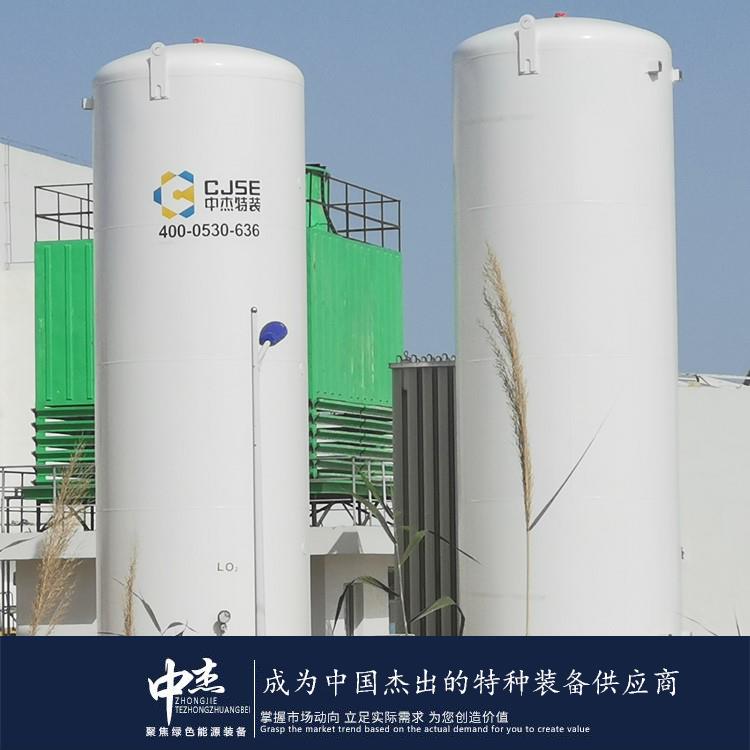

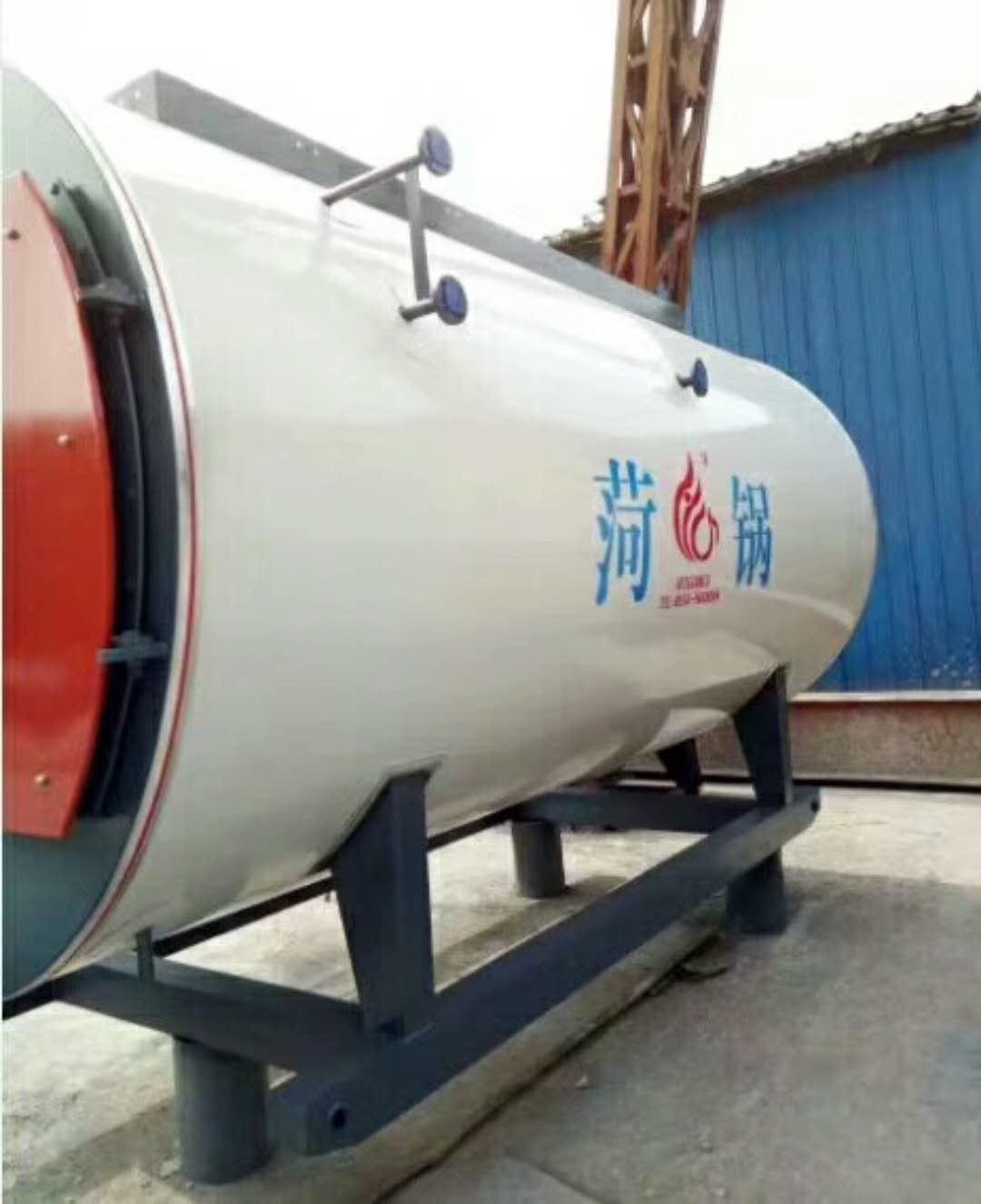
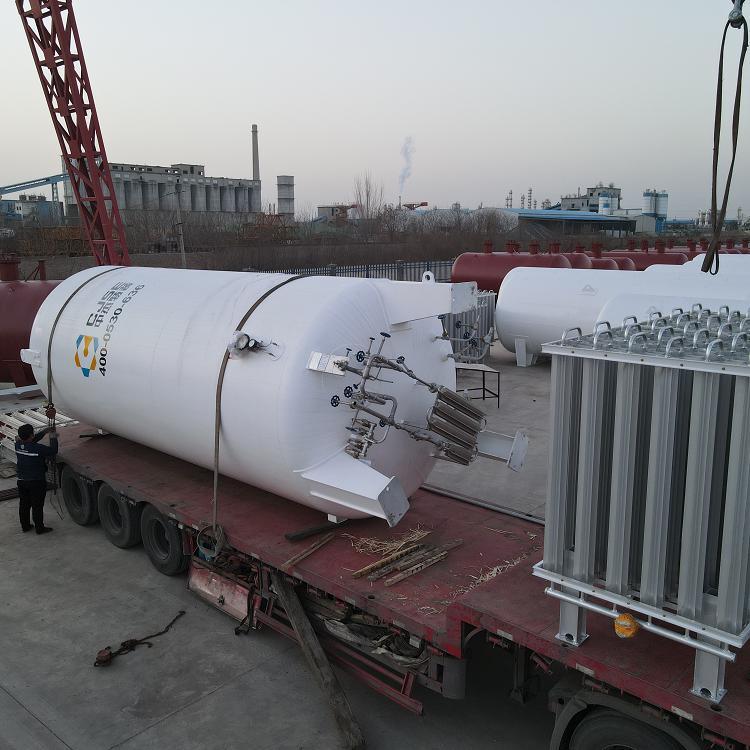


















Shandong Zhongjie Special Equipment's main products include: fuel (gas) boilers, organic heat carrier boilers, biomass boilers, waste heat recovery boilers, and other boiler products; vacuum insulation cryogenic pressure vessels such as LNG tanks, oxygen-nitrogenargon tanks, and CO2 tanks; pressure vessel products such as denitrification engineering equipment, heat storage and energy storage equipment, and complete chemical equipment; central air conditioning and HVAC equipment such as ground (water) source heat pumps, air source units, water-cooled screw units, and air-cooled modular units. Planned products include large-scale energy centers, LNG transport vehicles, LNG tank containers, and other green energy equipment.
Common drawbacks of corrosion in pressure vessels during use include:
- Chemical Media: Certain chemical media are corrosive, such as acids, bases, salts, etc. When these media come into contact with the vessel material, corrosion may occur.
- Humidity and Moisture: High humidity environments or long-term exposure to moisture can lead to corrosion on the vessel surface, especially in the presence of oxygen, which may accelerate the corrosion rate.
- Rusting: When the protective layer on the vessel surface (such as coatings or plating) is damaged or destroyed, rusting may occur. Rusting can damage the surface and may lead to further corrosion.
- Electrochemical Corrosion: When different metals or metal and non-metals come into contact, an electrochemical corrosion battery may form, which can cause localized corrosion on the vessel surface.
- Welding Defects: Defects like weld porosity and cracks may be introduced during the welding process, which can become starting points for corrosion.
Corrosion weakens the structural integrity of the vessel, increasing the risk of leakage or rupture. Therefore, regular inspection and maintenance of the anti-corrosion layer, coating, or plating on pressure vessels are important. If corrosion issues are found, timely measures should be taken to repair or replace the damaged parts.
In addition, selecting appropriate materials and anti-corrosion measures, as well as proper operation and maintenance methods, can reduce the risk of corrosion in pressure vessels. Adhering to relevant safety operation procedures and standards ensures the safe operation of pressure vessels.
Prior to using a CO2 storage tank, the following preparations must be made:
Safety Inspection: Conduct a safety check of the tank before use to ensure there are no obvious damages, corrosion, or leaks. Inspect the tank's exterior, valves, and connecting pipes to ensure they are intact and undamaged.
Tank Cleaning: Ensure the tank is clean both internally and externally. Remove any debris, dirt, and residues to ensure no substances that could affect the quality or safety of the CO2 are present within the tank.
Connecting Pipes: Check the connections between the tank and related pipes to ensure they are secure and sealed properly. Verify the operation of valves and pipes to ensure they are in the correct position.
Pressure Check: Inspect the tank's pressure to ensure it is within the safe range. If necessary, use a pressure gauge or other pressure detection equipment for the check.
Ventilation and Safety Measures: Ensure there is adequate ventilation around the tank to prevent the accumulation of CO2. During operation, follow relevant safety procedures and measures, such as wearing personal protective equipment and avoiding open flames.
Tank Labeling: Label the tank with relevant information, such as the type of gas stored, pressure rating, and capacity. This assists operators in correctly identifying and handling the tank.
Please note that these preparations may vary depending on the specific type of tank and usage scenario. Before using a CO2 storage tank, it is recommended to refer to the relevant safety operation manuals and guidelines to ensure safe and correct operation.
Carbon dioxide cylinder filling involves injecting liquid carbon dioxide into the cylinder. Here are some important considerations for carbon dioxide cylinder filling:
- Safe Operation: Adhere to relevant safety operation procedures during carbon dioxide cylinder filling. Operators should be trained to understand the characteristics and safety precautions of the cylinder to ensure safe operations.
- Cylinder Capacity Control: Ensure that the filling does not exceed the cylinder's rated capacity. Overfilling can lead to excessive pressure, increasing safety risks.
- Filling Rate Control: Maintain a moderate filling rate to avoid both too fast and too slow filling. Excessive speed can cause high internal pressure, while slow speed may lead to extended filling times.
- Temperature Control: Monitor the temperature of the liquid carbon dioxide during filling. High temperatures can cause rapid evaporation, while low temperatures may lead to solidification.
- Pressure Control: Maintain internal cylinder pressure during filling. Excessive pressure can cause cylinder rupture or leakage, while low pressure may result in inadequate filling.
- Level Monitoring: Regularly monitor the cylinder's liquid level during filling to ensure accurate measurements and avoid overfilling or underfilling.
- Pressure Relief Devices: The cylinder should be equipped with pressure relief devices, such as safety valves, to control internal pressure. The set pressure of these devices should meet relevant requirements and be inspected and maintained regularly.
- Environmental Protection: Pay attention to environmental protection during filling to prevent leakage and pollution of liquid carbon dioxide. Take appropriate protective measures, such as using sealed connections and protective devices.
These are some important considerations for carbon dioxide cylinder filling. Follow relevant safety specifications and standards during filling operations, and consult with experts to ensure safety and effectiveness.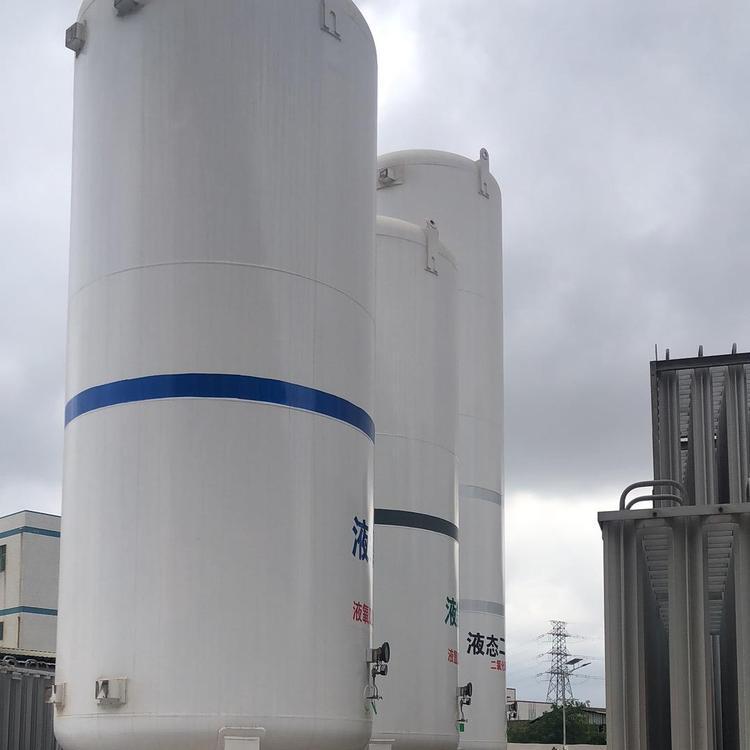
In the event of a CO2 cylinder leak, immediate action should be taken as follows: Ensure personnel safety: First, ensure a quick evacuation from the leak area and keep a safe distance from potential hazards. If necessary, use appropriate personal protective equipment, such as respirators and protective suits. Cut off the gas source: As soon as possible, disconnect the CO2 supply source to stop further leakage. Close the relevant valves or switches, or disconnect the connection to the cylinder. Prevent fire sources: Ensure there are no open flames or other heat sources that could cause a fire in the leak area. If there is a fire risk, take immediate appropriate fire-fighting measures. Ventilation: Activate ventilation equipment to increase air circulation, which helps dilute and expel the leaked CO2 gas. Ensure the ventilation equipment is functioning properly and that the ventilation system does not introduce CO2 gas into other areas. Seal the leak point: If possible, attempt to seal the leak point using suitable materials or methods to reduce or stop the leakage. This may require assistance from personnel. Notify relevant departments: Report the leak to the relevant emergency, environmental protection departments, or related agencies promptly and follow their instructions. Please note that dealing with a CO2 cylinder leak is a dangerous task and should only be performed by trained and experienced personnel. Always follow the relevant safety operation procedures and guidelines during the process.
Our company places great emphasis on technological innovation and R&D, boasting one municipal-level enterprise technology center in Heze City. We have established testing facilities for non-destructive testing, physical and chemical testing, welding testing, hydrostatic testing, and more. We are equipped with over 600 various instruments and equipment, including CNC machine tools, X-ray flaw detectors, digital ultrasonic flaw detectors, mechanical property testing machines, chemical analyzers, spectrometers, tensile testing machines, plasma welding machines, and others. The key products and technologies we have developed, such as temperature and pressure vessel welding, biomass boiler emission reduction, and waste heat utilization, have successively been shortlisted for multiple Shandong Provincial Department of Industry and Information Technology science and technology innovation projects, Shandong Provincial key projects, and Heze City innovation and excellence projects. We have cumulatively obtained 27 authorized utility model patents, 16 authorized invention patents, participated in drafting 2 standards, 2 industry standards, and registered 15 trademarks. Our technical team, in collaboration with Professor Yajiang Li of Shandong University, has developed deep cryogenic container processing technology using the international plasma arc + wire filling argon arc welding (PAW-GTAW) technology. After being appraised as a provincial-level scientific and technological achievement, our technology level has reached an international standard in the field of deep cryogenic container manufacturing. Choose Zhongjie Special Equipment, and let's create brilliance together!
WeChat Official Account

Scan to follow Official Account



















