


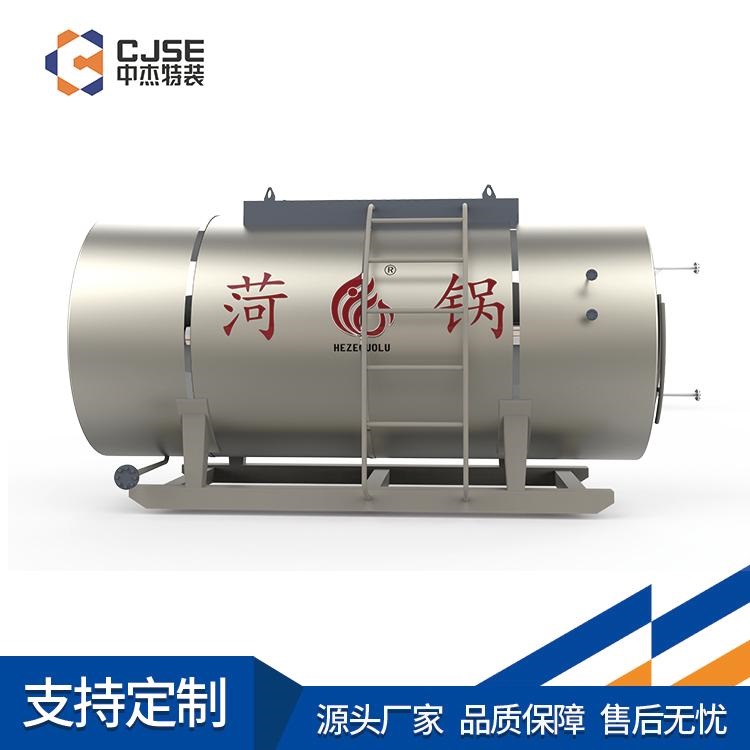

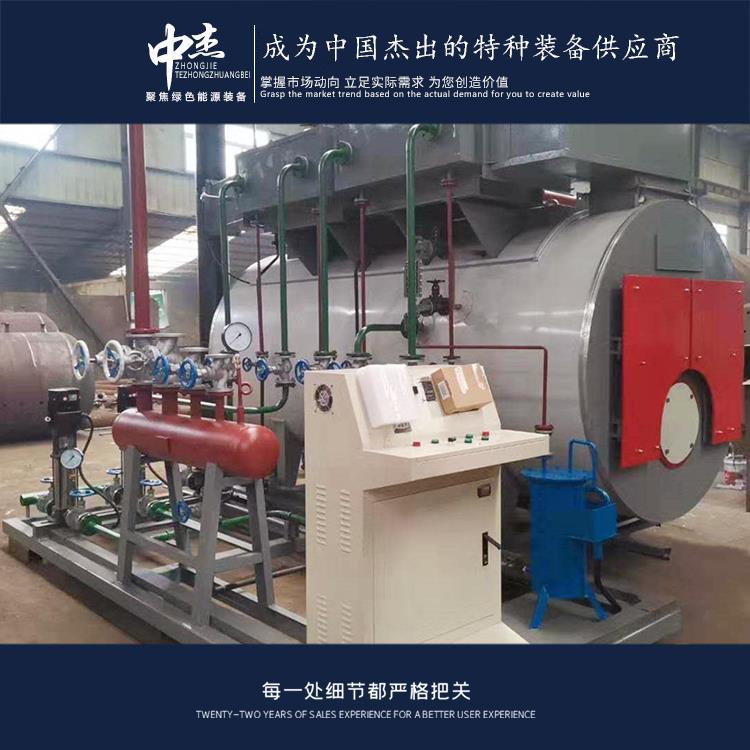
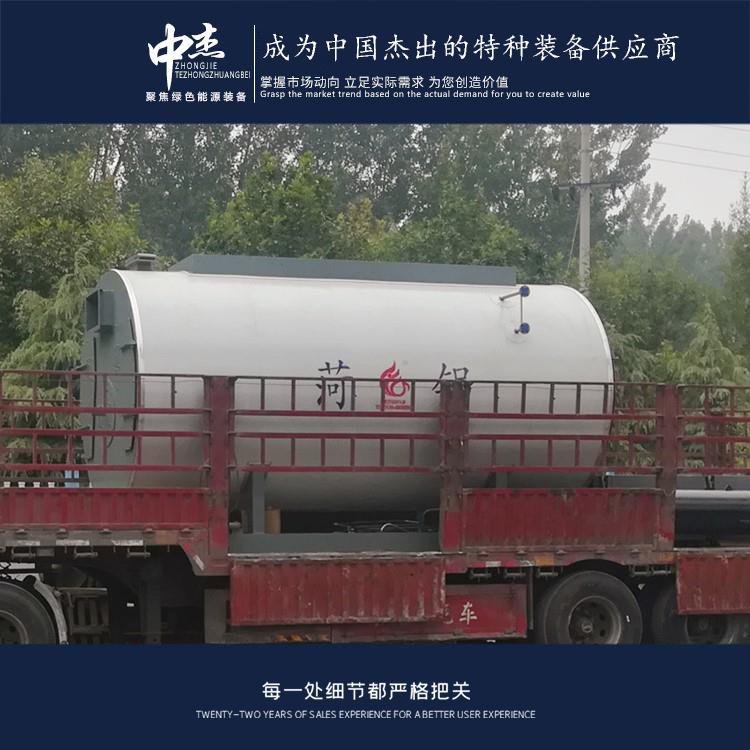


















Shandong Zhongjie Special Equipment (formerly Heze Boiler Factory Co., Ltd.) holds an A-grade boiler manufacturing license, an A2-grade pressure vessel manufacturing license, an A2-grade pressure vessel design license, a B-grade boiler installation license, and GB2/Class, GC2/Class pressure pipeline installation licenses, as well as an electromechanical equipment installation contracting qualification. It is a member of the China Boiler and Water Treatment Association, the China Chemical Equipment Association, and the council member of the Shandong Equipment Manufacturing Association. The company has also passed the ISO9001 Quality Management System, ISO14001 Environmental Management System, OHSAS18001 Occupational Health and Safety Management System certifications, and the American ASME/U2 certification.
Safety requirements for steam boiler valves primarily include the following aspects: Valve Selection: Choose valve types and specifications suitable for steam boilers. Valves must comply with relevant standards and specifications, and possess characteristics such as high-temperature resistance, pressure resistance, and corrosion resistance. Valve Installation: Install valves correctly at the corresponding positions on the steam boiler. Ensure the connections are secure, seals are reliable, and prevent leakage and loosening during installation. Valve Operation: The operation of valves should be convenient, flexible, and capable of accurately controlling steam flow and pressure. Handles or devices should indicate the opening and closing directions of the valves, as well as the corresponding operation methods. Valve Sealing: The sealing performance of valves is crucial. Valves should have good sealing properties to prevent steam leakage and energy loss. Sealing surfaces should be flat, smooth, and able to withstand high temperatures and wear. Valve Maintenance: Regularly inspect and maintain valves to ensure their normal operation and safety performance. This includes cleaning valves, checking sealing surfaces, lubricating moving parts, and promptly repairing or replacing damaged components. Safety Valves: Safety valves must be installed on steam boilers to protect the safe operation of the boiler. Safety valves must comply with relevant standards and specifications and should automatically open when exceeding the set pressure, releasing excess steam to prevent boiler explosion. Valve Identification: Valves should be marked with their types, specifications, working pressure, and flow rates, etc. This helps operators correctly identify and operate valves, avoiding incorrect operations and accidents. It should be noted that the above safety requirements are general guidelines. Specific safety requirements should be determined based on the type, scale, and operating environment of the steam boiler. When using valves, follow relevant laws, regulations, and safety operation procedures to ensure safe and effective valve operation and control.
WNS Low-Nitrogen Condensing Hot Water Boilers offer the following advantages:
- Low Nitrogen Emissions: Utilizing low-nitrogen combustion technology, the WNS Low-Nitrogen Condensing Hot Water Boiler reduces NOx emissions significantly through optimized combustion processes and burner design. This helps in minimizing environmental pollution.
- High Thermal Efficiency: With condensing technology, the WNS Low-Nitrogen Condensing Hot Water Boiler recovers heat from flue gases, enhancing thermal energy efficiency. The thermal efficiency often exceeds 90%, surpassing that of traditional hot water boilers, thus contributing to energy savings and lower operating costs.
- Safety and Reliability: Equipped with advanced control systems and safety devices, the WNS Low-Nitrogen Condensing Hot Water Boiler boasts excellent safety performance. It includes multiple safety features such as overheat protection, overpressure protection, and water level protection, which automatically monitor and control the boiler's operation to ensure safe operation.
- Versatility: Suitable for various applications including industrial, commercial, and residential, the WNS Low-Nitrogen Condensing Hot Water Boiler can meet different thermal load demands, offering strong flexibility. It can also integrate with other systems like solar hot water systems and ground-source heat pump systems to further improve energy efficiency.
- Easy Operation and Maintenance: The operation and maintenance of the WNS Low-Nitrogen Condensing Hot Water Boiler are straightforward and user-friendly.
When selecting a thermal oil furnace for the rubber industry, pay attention to the following aspects:
- Temperature Requirements: Determine the required operating temperature range based on the process needs of the rubber industry. Ensure the furnace can consistently provide the necessary operating temperature.
- Heat Load: Calculate the required heat load based on the production scale and process requirements of the rubber industry. Ensure the furnace's heat load meets the industry's needs.
- Thermal Efficiency: The thermal efficiency of the thermal oil furnace directly impacts energy consumption and operating costs. Choose a furnace with high thermal efficiency for energy-saving products.
- Safety: The safety of the thermal oil furnace is crucial. Select a furnace with comprehensive safety protection devices and an automatic control system for safe and reliable operation.
- Maintenance: Proper maintenance is vital for extending the furnace's lifespan and ensuring smooth operation. Choose a furnace that is easy to maintain and cost-effective.
- Manufacturer's Reputation: Choose a thermal oil furnace manufacturer with a good reputation and extensive experience to ensure product quality and reliable after-sales service.
- Cost-Effectiveness: Consider the cost, energy consumption, and maintenance costs of the thermal oil furnace, selecting products with good cost-effectiveness.
- Consultation: It is recommended to consult with heating equipment suppliers or engineers when purchasing a thermal oil furnace, make selections based on specific needs, and follow relevant industry standards and regulations.
In textile processing factories, common types of boilers include the following:
Steam Boilers: Steam boilers are one of the commonly used types in textile processing factories. They produce high-pressure, high-temperature steam, used for thermal treatment, dyeing, boiling, and other processes in textile manufacturing. Steam boilers offer advantages such as rapid heating, high stability, and efficiency.
Hot Water Boilers: Hot water boilers are suitable for low-temperature textile processing techniques like washing and drying. They provide a stable supply of hot water with high temperature control accuracy and low energy consumption.
Hot Air Furnaces: Hot air furnaces are used for drying processes in textile manufacturing. They transfer heat energy to textiles through the hot air produced by combustion, achieving rapid drying. Hot air furnaces have the advantages of fast heating and high thermal efficiency.
When selecting the appropriate boiler type for a textile processing factory, consider the following factors:
Processing Requirements: Determine the required heat medium (steam, hot water, hot air) and parameters such as working temperature and pressure based on the specific processing needs of the textile factory.
Energy Costs and Efficiency: Consider the energy consumption and efficiency of different boiler types, choosing one that meets processing requirements and has high energy utilization efficiency.
Environmental Requirements: Pay attention to the emission standards and environmental performance of the boilers, selecting the appropriate type based on environmental considerations.
Maintenance
Shandong Zhongjie Special Equipment, welcome customers to our factory for business discussions.
WeChat Official Account

Scan to follow Official Account



















