


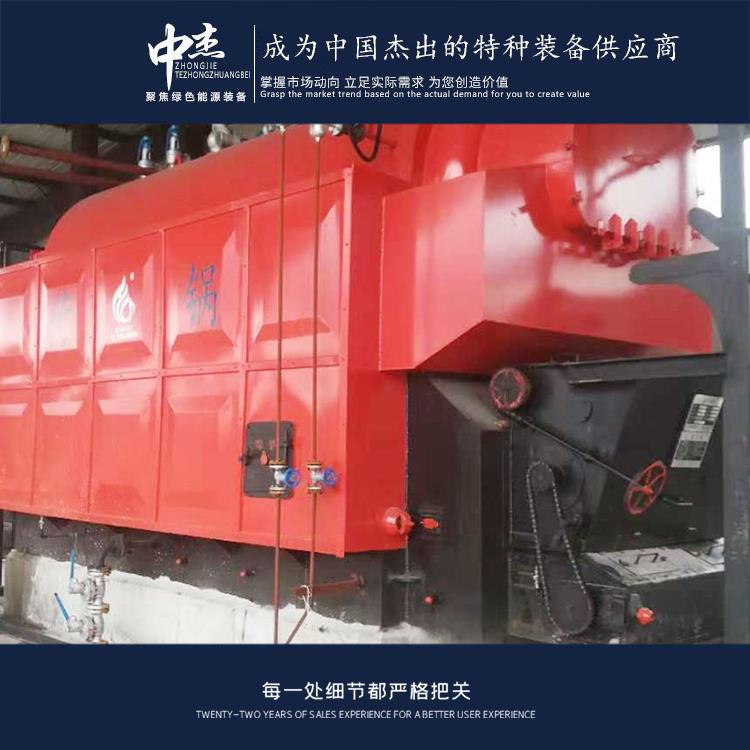

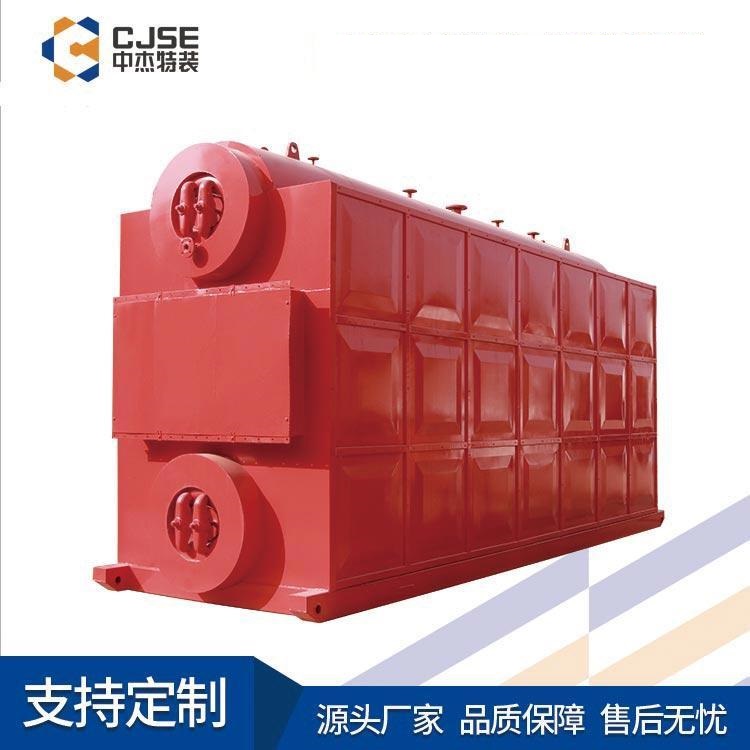
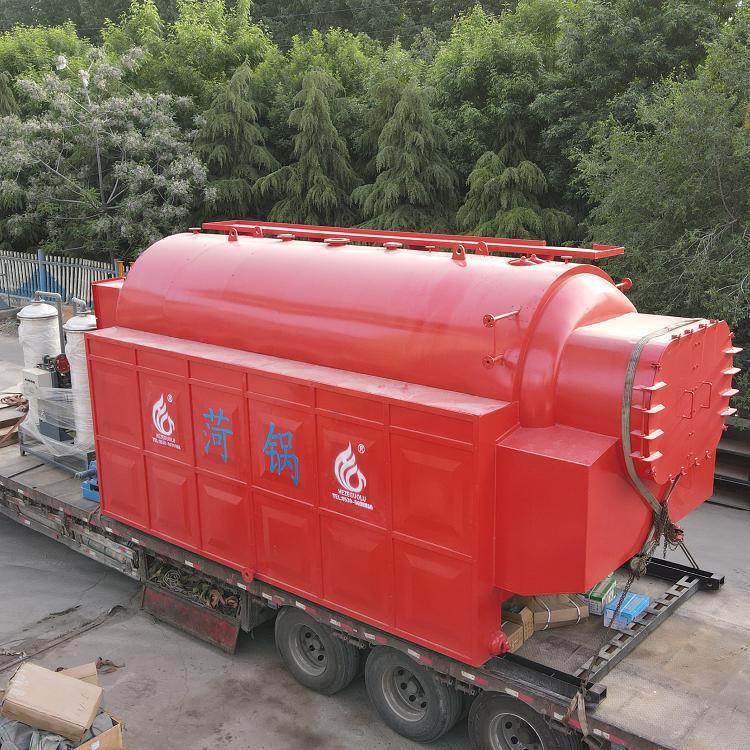


















Shandong Zhongjie Special Equipment (formerly Heze Boiler Factory Co., Ltd.) holds an A-grade boiler manufacturing license, an A2-grade pressure vessel manufacturing license, an A2-grade pressure vessel design license, a B-grade boiler installation license, and GB2/Class, GC2/Class pressure pipeline installation licenses, as well as a qualification for electromechanical equipment installation contracting. It is a member of the China Boiler and Water Treatment Association, the China Chemical Equipment Association, and the council member of the Shandong Equipment Manufacturing Association. The company has also passed certifications for ISO9001 Quality Management System, ISO14001 Environmental Management System, OHSAS18001 Occupational Health and Safety Management System, and the U.S. ASME/U2 certification.
During operation, biomass thermal oil heaters are prone to scaling due to the high temperature of the thermal oil and long-term use. To prevent the formation of scale, manufacturers of biomass thermal oil heaters typically take the following measures:
Select the appropriate thermal oil: Manufacturers choose thermal oils with good thermal stability and antioxidant properties to minimize scale formation. The selection of thermal oil should be reasonably matched based on actual operating conditions and requirements.
Control oil temperature and flow rate: Manufacturers will reasonably control the temperature and flow rate of the heat-conducting oil based on its characteristics and working requirements. Excessive temperature and rapid flow rate can easily lead to scale formation, so appropriate adjustments are necessary.
Regular Cleaning and Maintenance: Manufacturers recommend users to regularly clean and maintain biomass thermal oil heaters to remove scale that has formed. Cleaning agents and equipment that can be used during the cleaning process, as well as the scale, will help restore the normal operation of the thermal oil heater.
Install filters and descaling devices: Manufacturers may install filters and descaling devices in biomass thermal oil heaters to filter out impurities and scale from the thermal oil. These devices effectively prevent scale formation and extend the service life of the thermal oil heater.
Regular Monitoring and Analysis: Manufacturers may advise users to regularly monitor and analyze the properties and quality of thermal oil, to promptly identify any anomalies and take appropriate actions.
Yes, the biomass boiler market is expected to continue expanding. Here are some factors driving the growth of the biomass boiler market:
Rising Demand for Renewable Energy: With the increasing demand for renewable energy, biomass, as a renewable energy source, boasts a wide range of application prospects. Government and corporate support and promotion of renewable energy will drive the expansion of the biomass boiler market.
Increased environmental awareness: Biomass boilers have lower carbon emissions and environmental impact compared to traditional fossil fuel boilers. As environmental awareness rises, more and more users are opting for biomass boilers to reduce their environmental footprint.
Policy Support: Many regions have implemented policies and measures to support the development of renewable energy, including tax incentives and energy regulations. The promotion of these policies will boost the growth of the biomass boiler market.
Energy Security Needs: Biomass, as a local renewable energy source, can reduce dependence on imported energy and enhance energy security. In regions with scarce resources, the demand for biomass boilers will be even more pronounced.
Technological advancement and cost reduction: With continuous technological progress and cost reductions, biomass boiler performance and efficiency are enhanced, making them more competitive and viable.
In summary, the biomass boiler market is poised for continuous expansion due to factors such as increasing demand for renewable energy, heightened environmental awareness, policy support, energy security needs, and technological advancements with cost reductions.
To make biomass boilers adaptable to the market, consider the following aspects:
Technological Innovation: Continuously innovating in technology to enhance the combustion efficiency, heat recovery efficiency, and environmental performance of biomass boilers. For instance, the adopted combustion system, flue gas purification technology, and automatic control system improve the energy efficiency and operational convenience of the boilers.
Diverse Product Range: Develop a variety of biomass boiler products to meet market demands, catering to different user needs. Consider biomass boilers in various sizes, fuel adaptability, and application scenarios to offer a wider selection.
Reduced: Through technological improvements and production optimization, the manufacturing cost of biomass boilers has been decreased, making them more competitive. Additionally, the fuel supply chain and transportation methods have been optimized to lower fuel costs and enhance market competitiveness.
Establish a comprehensive after-sales service system: Offer timely after-sales support, including installation and debugging, maintenance, and troubleshooting, to enhance users' trust and satisfaction in biomass boilers.
Enhance market promotion and publicity: Strengthen the promotion and advertising of biomass boilers through means such as advertising, exhibitions, and technical training, to increase users' awareness and understanding of biomass boilers.
Policy Support: Actively seek government policy support to promote and encourage the application of biomass boilers, enhancing market demand.
In summary, through measures such as technological innovation, product diversification, cost reduction, improved after-sales service, market promotion, and policy support, biomass boilers can be adapted to the market, meet user needs, and promote the sustainable development of biomass energy.
When operating biomass boilers, the following safety precautions should be observed:
Familiarize with the operation manual: Before operating a biomass boiler, carefully read and familiarize yourself with the manual to understand the boiler's structure, operating principles, steps, and safety precautions.
Regular inspections and maintenance: Conduct regular checks on all parts and equipment of the boiler to ensure proper operation and safety performance. Promptly clean ash and slag, inspect the sealing of pipelines and valves, to maintain the boiler's cleanliness and unobstructed flow.
Regulate Fuel Supply: Control the rate and quantity of fuel supply to avoid too fast or too slow delivery, ensuring complete combustion and reducing safety risks.
Control Combustion Temperature: Maintain an appropriate combustion temperature to avoid both too low and too high temperatures. Excessively low temperatures can lead to carbon buildup, while excessively high temperatures may cause incomplete combustion and safety hazards.
Regularly clean and maintain the combustion chamber: Regularly remove ash and carbon deposits from the combustion chamber to keep the boiler clean, preventing coking and blockage issues.
Safety valves and pressure gauges: Ensure the proper functioning and accuracy of safety valves and pressure gauges; promptly repair or replace any damaged safety valves and pressure gauges.
Prevent overheating and overpressure: Monitor the boiler's temperature and pressure to avoid overheating and overpressure, and take timely measures to adjust and handle the situation.
Prevent Gas Leaks: Regularly inspect the seals of gas pipelines and valves to ensure no gas leaks occur, avoiding risks of fires and explosions.
Pre-shutdown Procedures: Prior to shutdown, first turn off fuel and air supplies, then wait for the boiler to cool down before performing maintenance and cleaning.
Training and Operating Procedures: Ensure operators have received relevant training, are familiar with operating procedures and emergency response measures, and can handle emergencies correctly.
The above outlines some safety precautions to consider when operating biomass boilers. To ensure the safe operation of the boiler, it is recommended to follow relevant operational procedures and safety standards, and to conduct regular inspections and maintenance.
Zhongjie Special Equipment upholds the great vision of "realizing employees' dreams, creating value for customers, and striving for the prosperity and strength of our motherland," and is dedicated to the development of the green energy equipment industry. We commit to society with high-quality, cost-effective products and services!
WeChat Official Account

Scan to follow Official Account



















