


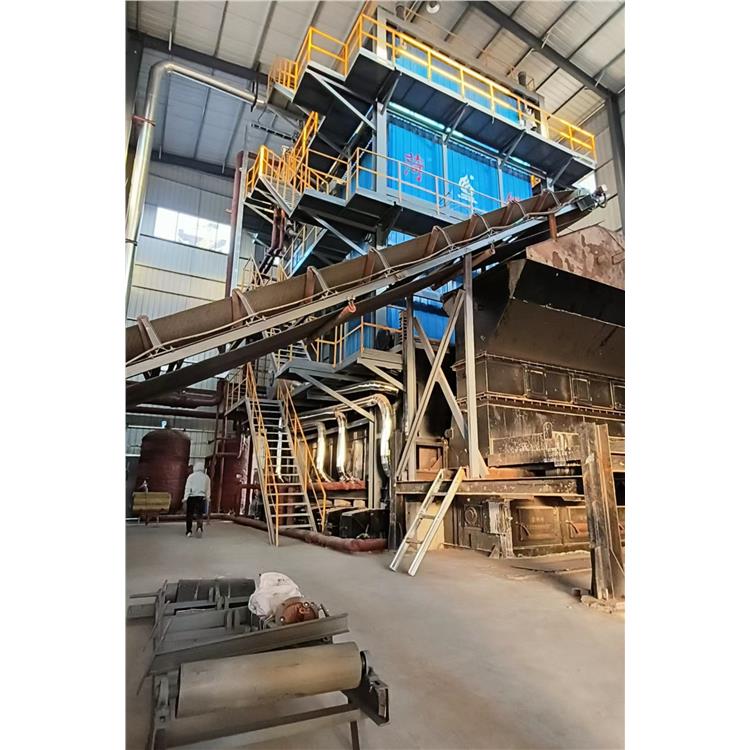

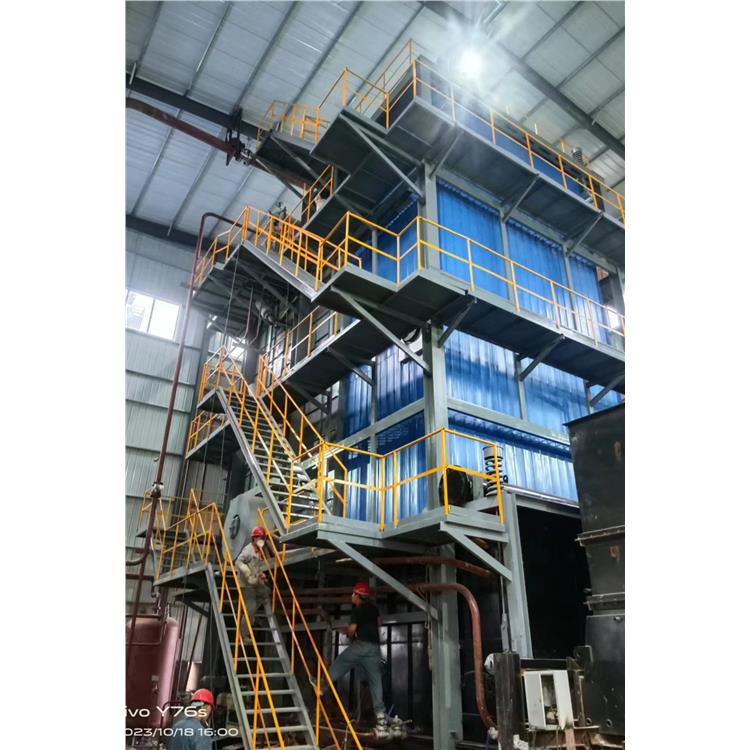


















Shandong Zhongjie Special Equipment's main products include: fuel (gas) boilers, organic heat carrier boilers, biomass boilers, waste heat boilers, and other boiler products; vacuum insulation cryogenic pressure vessels such as LNG storage tanks, oxygen/nitrogen/argon storage tanks, and CO2 storage tanks; pressure vessel products such as denitrification engineering equipment, heat storage and energy storage equipment, and complete chemical equipment; central air conditioning and ventilation equipment such as ground (water) source heat pumps, air source units, water-cooled screw units, and air-cooled modular units. Planned products include large-scale energy centers, LNG transport vehicles, LNG tank containers, and other green energy equipment.
Biomass hot water boilers can meet environmental regulations under certain conditions. These boilers utilize renewable biomass fuels such as wood chips, straw, and waste materials, which emit less carbon dioxide during combustion compared to traditional fossil fuels, resulting in a smaller environmental impact.
However, to ensure that biomass hot water boilers comply with environmental regulations, the following conditions must be met:
High combustion efficiency: Biomass hot water boilers should have a combustion system and heat exchanger that ensure complete fuel combustion and efficient energy utilization, reducing fuel waste and emissions.
Flue Gas Purification Equipment: Biomass hot water boilers should be equipped with effective flue gas purification equipment, such as bag dust collectors and desulfurization devices, which can effectively capture and purify particulate matter and pollutants in flue gas, reducing air pollution.
Compliance Emission: The flue gas emissions from biomass hot water boilers must comply with local environmental protection regulations and standards, including the emission limits for pollutants such as particulates, nitrogen oxides, etc.
Regular Maintenance: Biomass hot water boilers require regular maintenance to keep the equipment in good condition, ensuring stable combustion efficiency and emission performance.
Fuel Selection and Supply: Choose appropriate biomass fuel and ensure its source is legal and sustainable. Avoid using waste containing harmful substances as fuel to prevent impact on the environment and human health.
Note that while biomass hot water boilers are relatively eco-friendly, they still require assessment and monitoring based on specific conditions to ensure compliance with environmental regulations. Moreover, environmental protection regulations may vary by region, and users should adhere to local laws and standards.
Biomass boilers, as equipment that converts thermal energy from biomass fuel, offer the following advantages:
Renewable Energy: Biomass fuel is a renewable energy source that can be continually replenished through cultivation. Its use has a smaller environmental impact compared to fossil fuels, benefiting sustainable development.
Environmental Protection and Energy Saving: The emissions and waste from biomass combustion are relatively low, with low levels of pollutants released. Biomass fuel itself has low sulfur and low nitrogen characteristics, and the waste after combustion can be reused as organic fertilizer or biomass fuel, reducing environmental pollution.
Diversity and Flexibility: Biomass fuel types are abundant, including wood chips, straw, etc. Different fuels can be selected based on actual conditions, enhancing the substitutability and flexibility of the fuel.
Utilization: The biomass boiler employs advanced combustion technology and heat conversion equipment, maximizing the thermal energy of biomass fuel and enhancing thermal efficiency. Additionally, equipped with an economizer and flue gas recirculation system, further heat efficiency is achieved.
Economic Efficiency: Biomass fuel is more stable and less expensive compared to fossil fuels. The investment and operational costs of biomass boilers are relatively low, offering good economic viability.
Widely Applicable: Biomass boilers are suitable for various fields, including industrial production, heating, and power generation. They can meet the thermal energy needs in different scenarios.
In summary, biomass boilers offer advantages such as renewable energy, environmental protection, energy efficiency, diversity and flexibility, utilization, cost-effectiveness, and wide application, making them a sustainable thermal energy conversion solution.
Brief steps for biomass boiler drying oven:
Prepare fuel: Select appropriate biomass fuel such as wood chips, straw, etc., and conduct necessary pretreatment like drying and crushing to enhance combustion efficiency.
Ignition: Place the fuel into the combustion chamber and ignite to start the combustion process. An igniter or other appropriate tool can be used for ignition.
Control the combustion process: Adjust the oxygen supply and fuel supply during combustion as needed to control the combustion temperature and thermal energy output. This can be achieved by adjusting the burner's switch, control panel, or automatic control system.
Furnace Operation: Place the items to be baked into the furnace according to specific requirements, ensuring even heating. Depending on the furnace design and requirements, appropriate measures can be taken, such as adjusting the combustion chamber temperature and flue ventilation, to achieve ideal baking results.
Monitoring and Adjustment: During the kiln process, it's essential to monitor the combustion status, heat output, and kiln effect. Adjust the combustion parameters and operational methods promptly based on the actual situation to ensure stable kiln operation and the desired kiln effect.
Shut down and Clean: After the furnace operation is completed, stop the fuel supply and wait for the combustion chamber to cool down. Once the combustion chamber is fully cooled, perform the cleaning and maintenance of the furnace chamber, removing ash and dirt generated during the combustion process.
Above are the brief steps for biomass boiler drying kiln. The specific operational procedures and precautions should be based on the boiler model, drying kiln requirements, and the manufacturer's guidance. During operation,
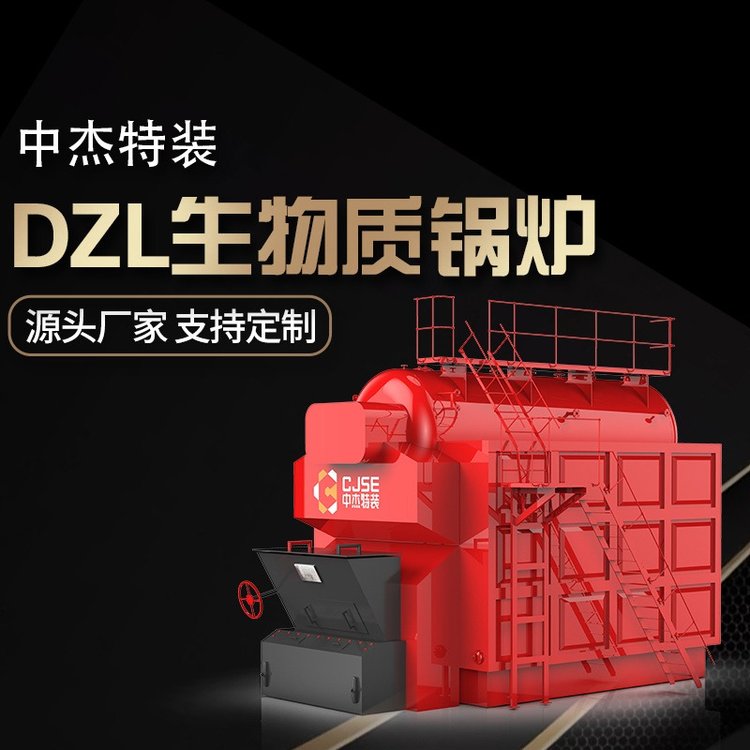
The DZL type quick-install biomass boiler is a common model of biomass boiler, featuring the following characteristics:
Rapid Installation: The DZL type quick-install biomass boiler features modular design, with the boiler body and equipment pre-assembled in the factory. On-site, only simple connections and adjustments are required, significantly reducing installation time and project duration.
High combustion efficiency: Equipped with a special combustion chamber design and combustion system, biomass fuel is fully combusted within the furnace, resulting in high thermal efficiency. Additionally, equipped with an economizer and flue gas recirculation unit to further enhance thermal efficiency.
Automatic Control: The DZL type quick-install biomass boiler is equipped with an automatic control system, which allows for the control and monitoring of the combustion process. With the PLC controller and touch screen, parameters such as fuel supply, air supply, and combustion temperature can be adjusted to ensure the stable operation of the boiler.
Multiple Fuel Adaptability: The DZL type quick-assembly biomass boiler is suitable for various biomass fuels such as sawdust, straw, etc. Different fuels can be chosen according to actual conditions, enhancing fuel substitutability and flexibility.
Eco-friendly Energy-saving: The DZL type quick-install biomass boiler uses biomass fuel, which produces relatively less waste gas and slag during the combustion process, resulting in low emissions of pollutants. The biomass fuel itself has the characteristics of low sulfur and low nitrogen, and the slag after combustion can be reused as organic fertilizer or biomass fuel, reducing environmental pollution.
Tightly Designed: DZL Type Quick Assembly Biomass Boiler
Shandong Zhongjie Special Equipment, welcome customers to our factory for business discussions.
WeChat Official Account

Scan to follow Official Account



















