


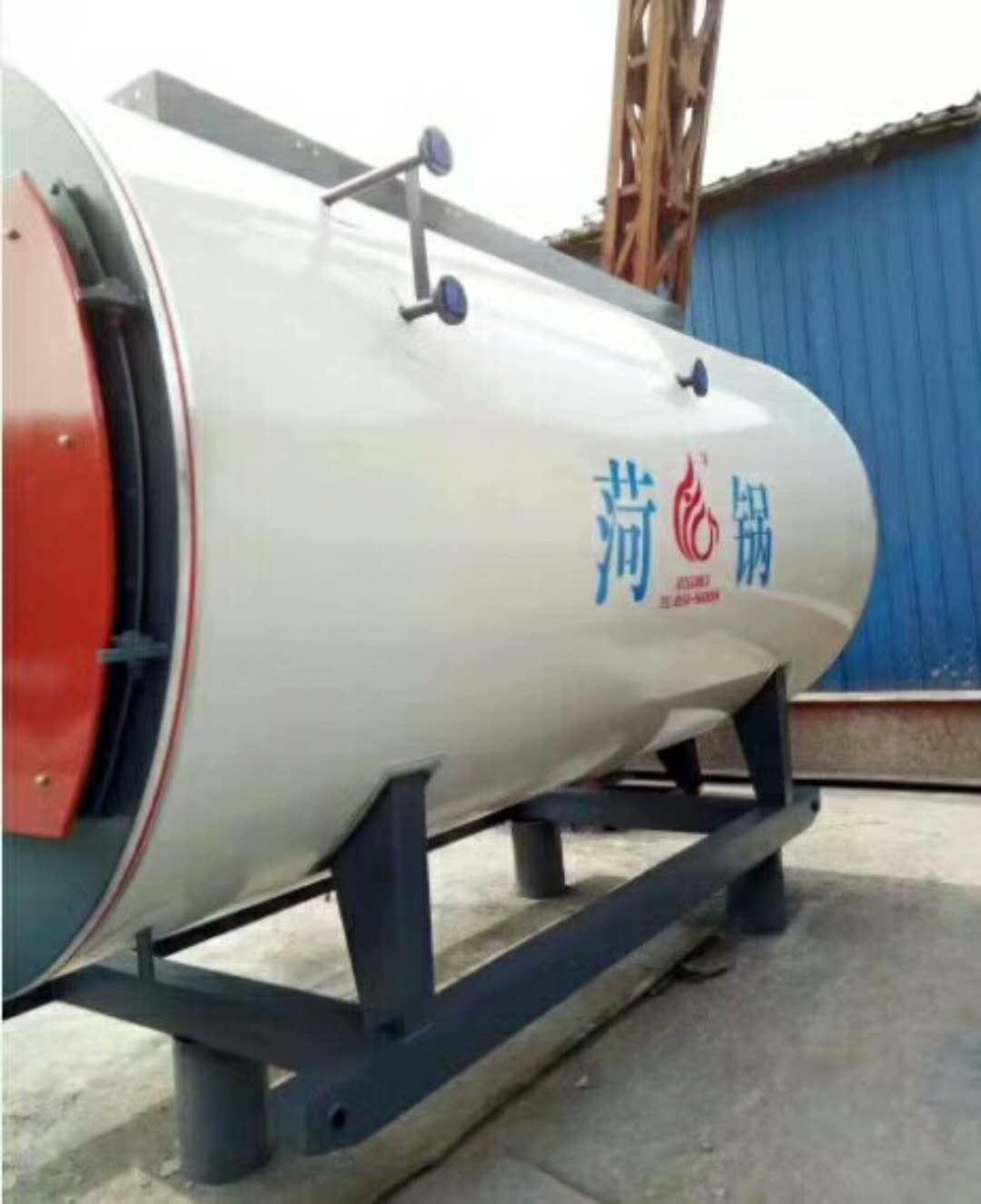

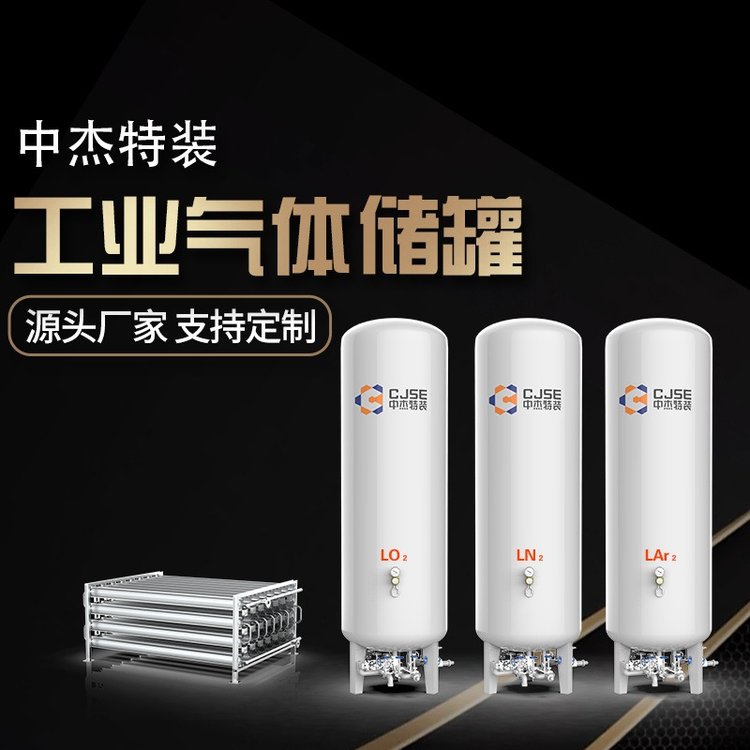
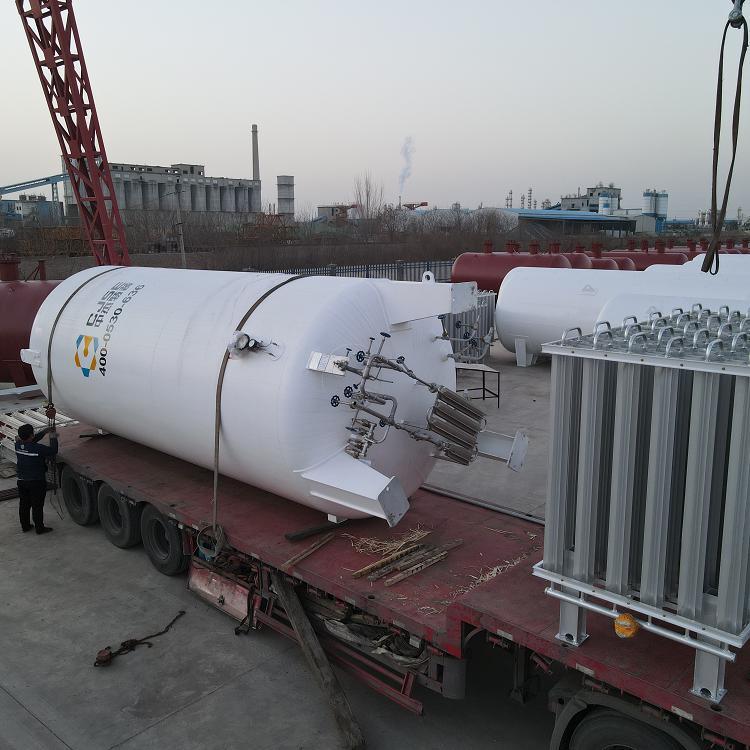


















Shandong Zhongjie Special Equipment (formerly Heze Boiler Factory Co., Ltd.) was established in 2001, located at No. 2218 Jinnan Road, Economic Development Zone, Heze City, with a registered capital of 50 million yuan and total assets of 500 million yuan. The company has 7 business centers: boiler, deep-freezing containers, pressure vessels, central air conditioning, engineering installation, international trade, and Internet of Things. It has three factory areas on Jinnan Road, East Changjiang Road, and Bohai Road, covering a total area of 200,000 square meters, with the main workshop spanning 83,000 square meters. It currently employs 710 people, including 247 engineering technicians and 82 middle-level technicians. In December 2016, it was recognized as a "High-Tech Enterprise" by the Science and Technology Department. In June 2021, it was named a "Specialized and New Enterprise in Shandong Province" by the Department of Industry and Information Technology. In June 2022, it was identified as a "Gazelle Enterprise in Shandong Province" and in August 2022, it was recognized as a "Specialized and New Small Giant Enterprise" by the Ministry of Industry and Information Technology.
The application of strain-hardening in austenitic stainless steel on low-temperature pressure vessels is a common method, which can enhance the material's strength and durability. Here is some information regarding the application of strain-hardening in austenitic stainless steel on low-temperature pressure vessels:
Principle of Strain Hardening: Strain hardening is achieved by introducing plastic deformation into the material, altering its crystal structure, thereby increasing its strength. In Austenitic stainless steel, strain can be introduced through methods such as cold working (e.g., cold rolling, cold drawing) or heat treatment (e.g., solution heat treatment and cold deformation), leading to dislocations and grain boundary sliding in the crystal structure, which enhances the material's strength.
Low Temperature Application Advantages: Austenitic stainless steel exhibits excellent corrosion resistance and low-temperature toughness in cold environments. Strain hardening can further enhance the strength and durability of austenitic stainless steel, enabling it to perform in low-temperature pressure vessels. Under low-temperature conditions, strain hardening effectively resists plastic deformation and fracture, improving the material's tensile strength and impact resistance.
Application Cases: Austenitic stainless steel strain hardening is widely used in low-temperature pressure vessels. For instance, in liquid nitrogen, liquid oxygen, and liquid argon storage tanks, etc., strain-hardened austenitic stainless steel is commonly used as structural material. These vessels must withstand high pressure and impact loads at low temperatures; strain hardening enhances the material's strength and durability, ensuring safe operation of the containers.
It is important to note that strain hardening of austenitic stainless steel should be conducted at appropriate temperatures and under suitable deformation conditions to avoid excessive deformation and material embrittlement. When designing and manufacturing low-temperature pressure vessels, the selection and application of austenitic stainless steel should be reasonably made based on specific engineering requirements and material characteristics.
Several reasons explain why low-temperature liquid storage tanks have been at a peak in recent years:
Rising Demand: With the development of industries such as manufacturing and scientific research, the demand for low-temperature liquids is continuously increasing. Low-temperature liquid storage tanks can effectively store and supply liquid oxygen, liquid nitrogen, and other low-temperature liquids, meeting the needs of various fields.
Technical Advancements: In recent years, the manufacturing and material technologies for low-temperature liquid storage tanks have continuously improved and innovated. The application of new insulating materials, advanced refrigeration systems, and safety control devices has enhanced the performance and safety of the tanks, making them more reliable and secure.
Environmental Awareness Enhancement: Low-temperature liquid storage tanks enable effective storage and utilization of low-temperature liquids, reducing energy waste and environmental pollution. Against the backdrop of enhanced environmental awareness, low-temperature liquid storage tanks, as an environmentally friendly and energy-saving equipment, have garnered more attention and application.
Emerging Application Fields: There is an increasing demand for cryogenic liquid storage tanks in emerging application fields. For instance, the application of liquid nitrogen in frozen food, biopharmaceuticals, and semiconductor manufacturing is becoming more widespread, which has propelled the development of cryogenic liquid storage tanks.
Policy Support: The government has provided support and encouragement for the development of low-temperature liquid storage tanks. Through policy guidance and financial support, the industry has been promoted and expanded.
In summary, the reasons for the peak popularity of low-temperature liquid storage tanks in recent years mainly include increasing demand, technological advancements, heightened environmental awareness, the development of new application fields, and policy support. These factors have collectively driven the rapid development of the low-temperature liquid storage tank industry.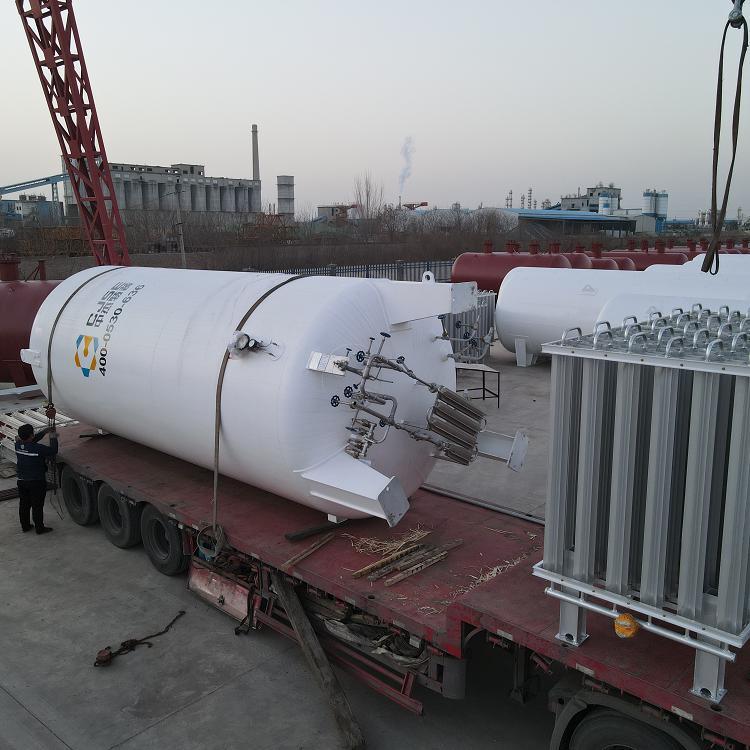
When selecting the base for a liquid argon storage tank, consider the following factors:
Load Capacity: The bracket must be able to support the weight of the liquid argon tank. Select a bracket with adequate load capacity based on the tank's volume and dimensions. Typically, the weight of the liquid argon tank is specified in the design specifications, and these data can be used to determine the bracket's load capacity.
Stability: The support must provide sufficient stability to prevent the tank from tilting or swaying during use. The design of the support should consider the tank's center of gravity and its changes to ensure stable support.
Corrosion Resistance: Liquid argon has low temperature and corrosive properties. The material of the support should have good corrosion resistance to prevent corrosion and damage. Common materials for supports include stainless steel, aluminum alloys, etc.
Insulation: Liquid argon storage tanks generally require thermal insulation. The supports should have certain insulation properties to reduce heat transfer and evaporation of liquid argon. The design of the supports should consider the installation and protection of the insulation layer.
Installation and Maintenance: The support should feature ease of installation and maintenance for the convenience of tank installation and routine maintenance operations.
When selecting the support for a liquid argon tank, it's advisable to consult with engineers or suppliers. Choose the appropriate support based on the specific tank requirements and operating environment. Additionally, adhere to relevant design specifications and safety standards to ensure the quality and reliability of the support.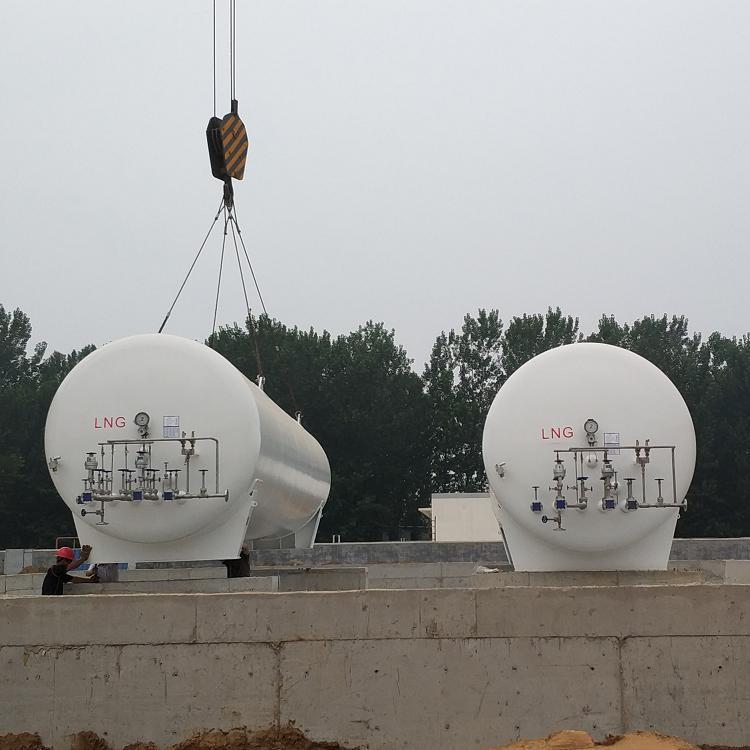
The maintenance and precautions for liquid nitrogen tanks are crucial; here are some key points:
Maintenance:
Regular Inspections: Regularly inspect the appearance, valves, pipelines, and other components of the liquid nitrogen storage tank to ensure they are in perfect condition. Pay special attention to check for any leaks, corrosion, or other forms of damage.
Clean Storage Tanks: Regularly clean liquid nitrogen storage tanks to remove internal dirt and sediment. Use appropriate cleaning agents and tools, and follow the cleaning procedures and safety operational guidelines.
Nitrogen Liquid Refill: Refill nitrogen liquid as needed, ensuring the storage tank maintains an adequate inventory to meet usage requirements.
Maintain Pressure: Regularly inspect the liquid nitrogen tank's pressure to ensure it remains within the safe range. Conduct pressure tests and adjustments as necessary.
Corrosion Prevention: Depending on the material of the storage tank and its operating environment, appropriate corrosion prevention measures are taken to extend the service life of the tank. For instance, applying corrosion-resistant coatings, conducting regular corrosion treatments, etc.
Cautionary Notes:
Safe Operation: When using liquid nitrogen tanks, strict adherence to safety operating procedures and standards is mandatory. Operators must be trained, familiar with the properties and safety requirements of liquid nitrogen, and knowledgeable about the tank equipment and operational processes.
Protection Measures: When using liquid nitrogen tanks, necessary protective measures must be taken, such as wearing protective gloves and suits. Avoid direct contact with liquid nitrogen to prevent frostbite.
Leak Control: Regularly inspect the liquid nitrogen storage tank for leaks and equip with leak detectors and alarm systems. In the event of a leak, immediate action should be taken to contain and repair the leak.
Ventilation Requirements: In enclosed spaces where liquid nitrogen tanks are in use, adequate ventilation must be ensured.
Our company highly values technological innovation and research and development. We possess 1 municipal-level enterprise technology center in Heze City, and have established testing facilities for non-destructive testing, physical and chemical testing, welding testing, hydrostatic testing, etc. We are equipped with over 600 pieces of various equipment including CNC machine tools, X-ray flaw detectors, digital ultrasonic flaw detectors, mechanical property testing machines, chemical analyzers, spectrometers, tensile testing machines, plasma welding machines, and more. The key products and technologies we have developed, such as temperature and pressure vessel welding, biomass boiler emission reduction, and waste heat recovery, have successively been selected for multiple Shandong Province Industrial and Information Technology Department technological innovation projects, Shandong Province key projects, and Heze City innovative excellence projects. We have cumulatively obtained 27 authorized utility models, 16 authorized inventions, participated in drafting 2 standards, 2 industry standards, and registered 15 trademarks. Our technical team, in collaboration with Professor Li Yajiang of Shandong University, has developed deep cryogenic container processing technology using the internationally recognized plasma arc + filler wire tungsten inert gas (PAW-GTAW) welding technique. This technology has been appraised at the provincial level and has reached international standards in the field of deep cryogenic container manufacturing. Choose Zhongjieteqiang, let's create brilliance together!
WeChat Official Account

Scan to follow Official Account



















