


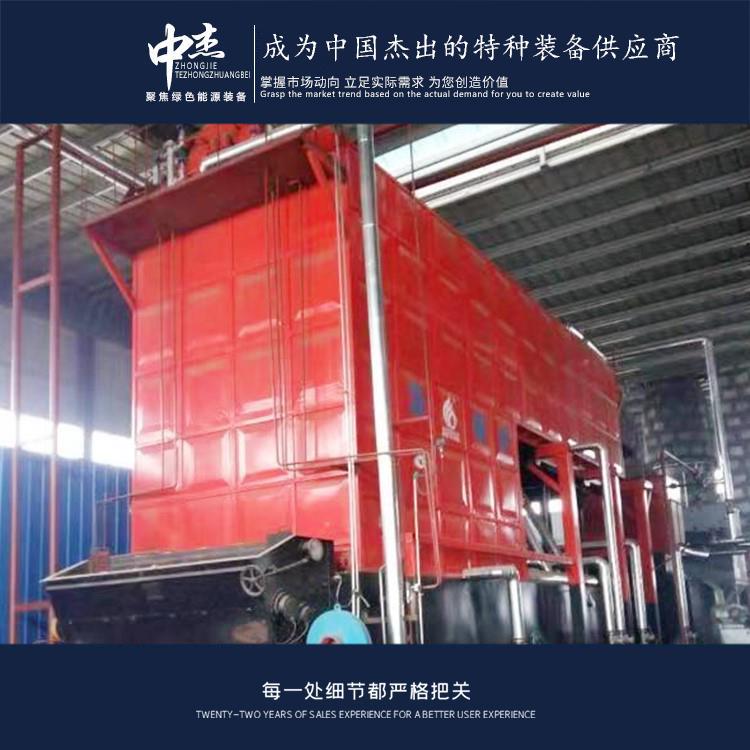

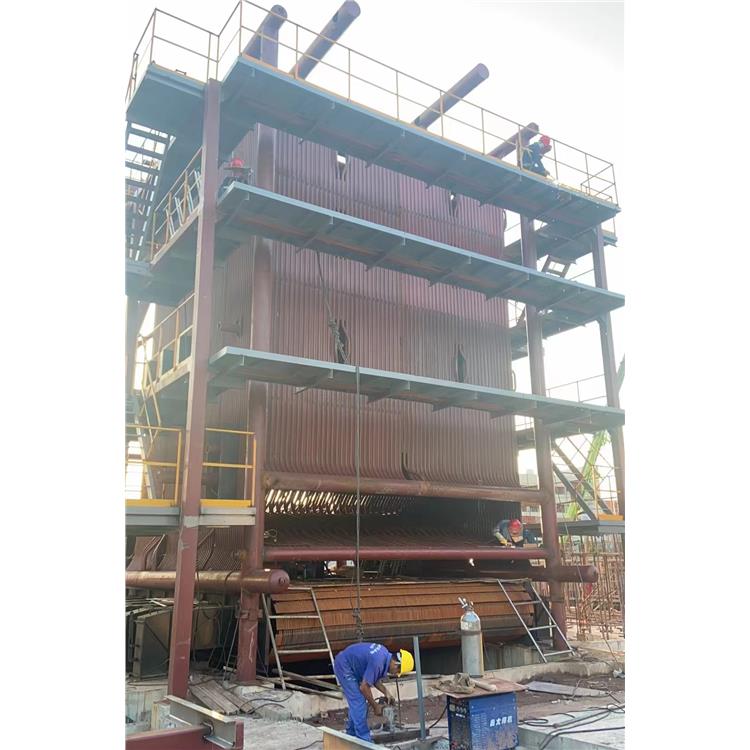
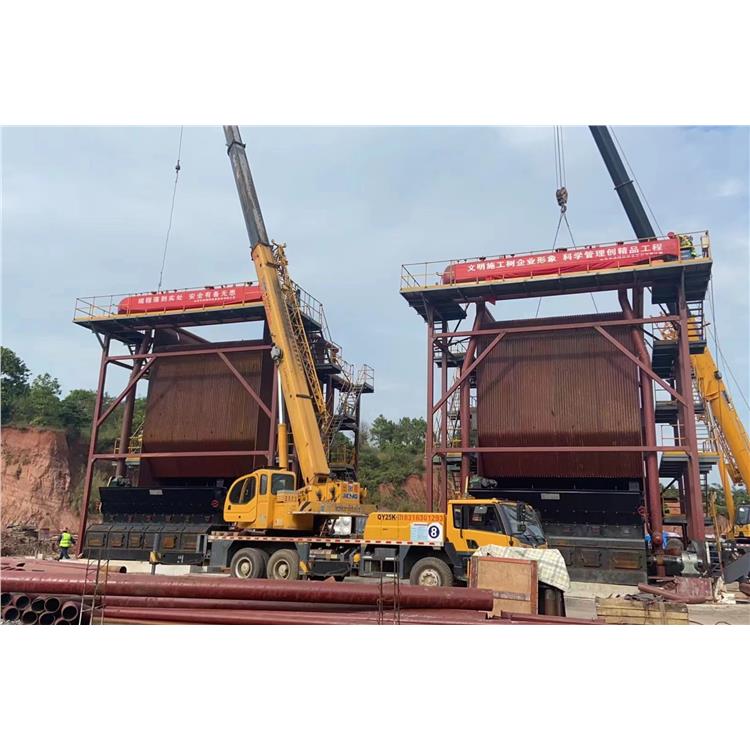


















Shandong Zhongjie Special Equipment (formerly Heze Boiler Factory Co., Ltd.) holds an A-grade boiler manufacturing license, A2-grade pressure vessel manufacturing license, A2-grade pressure vessel design license, B-grade boiler installation, and GB2/Class, GC2/Class pressure pipeline installation licenses, as well as mechanical and electrical equipment installation contracting qualifications. It is a member of the China Boiler and Water Treatment Association, the China Chemical Equipment Association, and a director unit of the Shandong Equipment Manufacturing Association. The company has also passed the ISO9001 Quality Management System, ISO14001 Environmental Management System, OHSAS18001 Occupational Health and Safety Management System certifications, and the American ASME/U2 certification.
Coal-fired boiler dust removal technology is designed to reduce particulate emissions during the combustion process of coal-fired boilers, protecting the environment and improving air quality. The following are several common coal-fired boiler dust removal techniques:
Mechanical Dust Collectors: Mechanical dust collectors are one of the common dust removal equipment, separating particulate matter from flue gas through physical principles. Common types include gravity dust collectors, inertial dust collectors, bag dust collectors, etc. The working principle of mechanical dust collectors is to utilize the inertia, gravity, or filtration effect of particles to separate them from the flue gas.
Electrostatic Precipitator: An electrostatic precipitator utilizes an electric field to charge particulate matter in flue gas, and then collects the charged particles by the force of the electric field. Electrostatic precipitators are divided into two types: dry-type and wet-type. The dry-type electrostatic precipitator is suitable for high-temperature flue gas, while the wet-type electrostatic precipitator is suitable for flue gas with high humidity.
Wet Dust Collector: The wet dust collector humidifies particulates in flue gas using spray water or other liquids, then separates the humidified particulates from the flue gas through gravity or inertial force. It is suitable for treating flue gas with high humidity and adhesive particulates.
Electrostatic Precipitator: An electrostatic precipitator utilizes the force of an electric field to charge particles in flue gas, and then collects the charged particles by the action of the electric field. Suitable for treating high-temperature flue gas and fine particles.
Integrated dust removal and desulfurization technology: This technology combines the dust removal and desulfurization processes into one, achieving integrated treatment by sharing equipment and jointly processing flue gas. It can reduce the occupied area of equipment, as well as investment and operational costs.
Above are common coal-fired boiler dust removal technologies. Different dust removal technologies are suitable for different flue gas and particulate matter characteristics. In practical application, an appropriate combination of dust removal technologies can be selected based on specific circumstances to achieve the goal of reducing particulate matter emissions.
The biomass boiler combustion technology refers to the process of burning biomass fuel to release heat energy. The following are common biomass boiler combustion technologies:
Burning Methods: Biomass boilers can utilize various burning methods, such as direct combustion, gasification combustion, and liquefaction combustion, etc. Direct combustion involves burning biomass fuel directly in the furnace; gasification combustion converts biomass fuel into combustible gases at high temperatures before burning; and liquefaction combustion burns the biomass fuel after converting it into liquid fuel.
Combustion Control: Biomass boilers require control systems to manage fuel supply, air supply, and the combustion process. By adjusting the ratio of fuel to air, we control the combustion temperature and efficiency to achieve a stable combustion process.
Combustion Equipment: The combustion equipment of biomass boilers includes the furnace chamber, grate, and combustion chamber, etc. The furnace chamber is the main area for combustion, the grate supports and burns the fuel, and the combustion chamber provides an appropriate environment for combustion.
Combustion Equipment: To enhance the combustion efficiency and environmental performance of biomass boilers, combustion equipment such as preheaters, dust collectors, and desulfurization units are often installed. Preheaters are used to increase the combustion temperature and thermal efficiency of the fuel, dust collectors to remove particulates from the flue gas, and desulfurization units to remove sulfur compounds from the flue gas.
Combustion Control and Monitoring: Biomass boilers require the installation of combustion and monitoring equipment.
slagging in biomass boiler furnace is caused by ash and other impurities in the biomass fuel that accumulate as slag during combustion. The following are some operational factors that influence slagging in the biomass boiler furnace:
Fuel Characteristics: Different types of biomass fuel have varying ash content, ashing temperature, and ashing properties. Fuel with high ash content tends to produce a large amount of ash slag, while fuel with a lower ashing temperature is prone to slagging inside the furnace.
Combustion Temperature: Combustion temperature is a significant factor affecting slagging in biomass boiler furnace. Excessively low combustion temperature can lead to incomplete fuel combustion and insufficient melting of ash, increasing the likelihood of slagging.
Air Supply: Excessive air supply can lower combustion temperature, increase the fuel's residence time in the furnace, and raise the risk of slagging. Conversely, insufficient air supply can also lead to incomplete fuel combustion, increasing the generation of ash and slag.
Furnace Chamber Design: The design of the furnace chamber significantly impacts the air flow distribution and temperature distribution within it. A well-designed furnace chamber promotes complete combustion of fuel and the discharge of slag, reducing the likelihood of slagging.
Ash Cleaning System: The performance and operation of the ash cleaning system also affect the slagging condition in the furnace. Regularly cleaning the ash and accumulated dust inside the furnace maintains the furnace's ventilation.
To enhance the thermal efficiency of biomass boilers, focus on the following aspects:
Optimize the combustion system: Reasonably adjust the combustion system of biomass boilers, including parameters such as combustion air volume, combustion temperature, and combustion time, to achieve complete combustion and utilization of the fuel. Combustion technologies adopted, such as fluidized bed combustion and gasification combustion, can enhance combustion efficiency.
Control Excess Air: Reasonably control the air supply during the combustion process of biomass boilers to prevent excessive air from entering the furnace, thereby reducing fuel oxidation and heat loss. Adjust the combustion air flow and air distribution to achieve optimal fuel-air mixture, enhancing combustion efficiency.
Enhanced waste heat recovery: The flue gas produced by biomass boiler combustion contains a large amount of heat energy. This heat can be recovered and utilized through devices such as economical air preheaters and economizers, thereby improving the boiler's thermal efficiency.
Optimize boiler operating parameters: Reasonably adjust the operating parameters of biomass boilers, such as boiler water temperature and steam pressure, to enhance thermal efficiency. Adjust the boiler's operating mode based on actual needs and load changes to avoid over-supply or under-supply of heat, improving energy utilization efficiency.
Regular Cleaning and Maintenance: Perform regular cleaning and maintenance on biomass boilers to remove ash and accumulated soot from the furnace, ensuring heat exchange efficiency and reducing thermal resistance and loss.
Utilize equipment and materials: Selected biomass boiler equipment and materials, such as burners and heat exchangers, to enhance thermal conduction and heat exchange efficiency.
By utilizing these measures collectively, the thermal efficiency of biomass boilers can be significantly improved, thereby achieving energy utilization.
Shandong Zhongjie Special Equipment, welcome customers to our factory for cooperation discussions.
WeChat Official Account

Scan to follow Official Account



















