


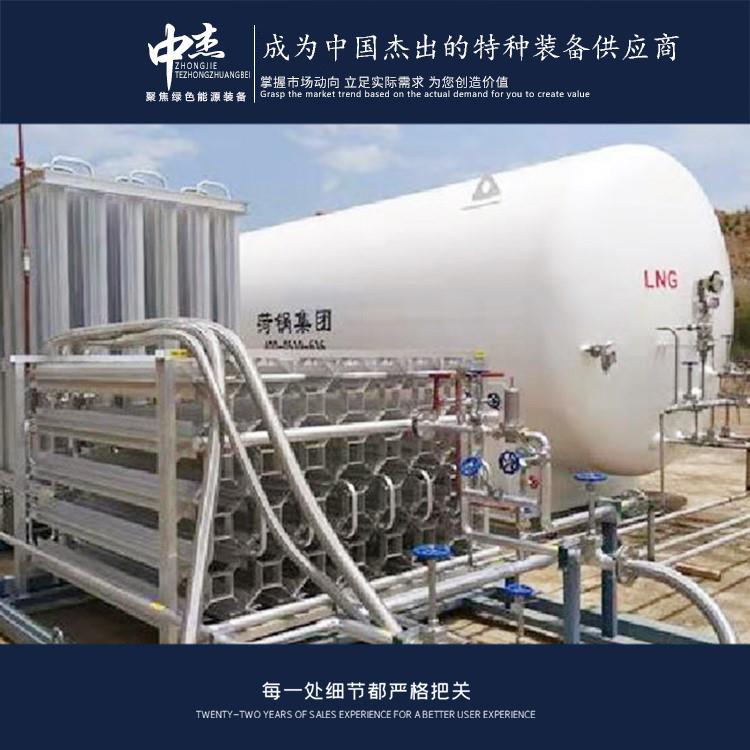

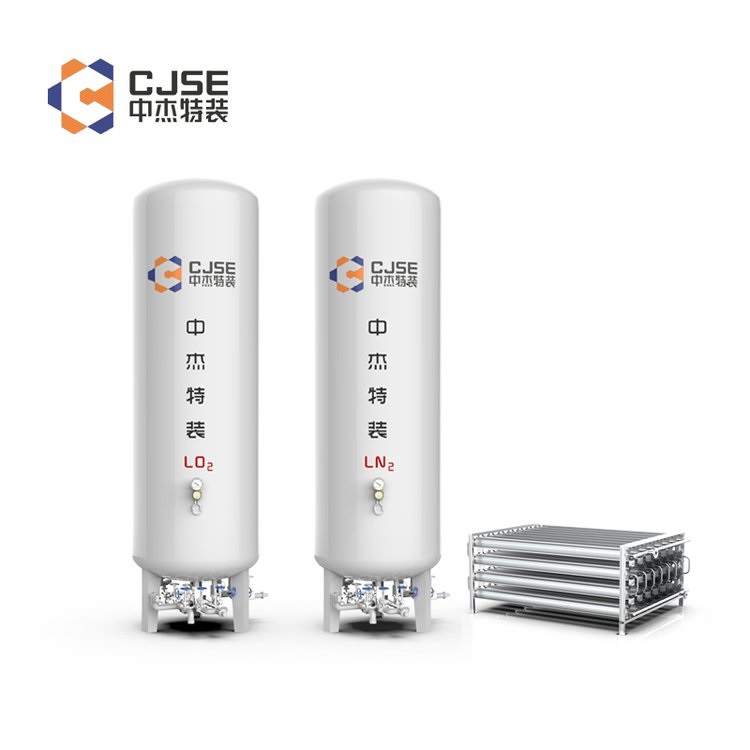
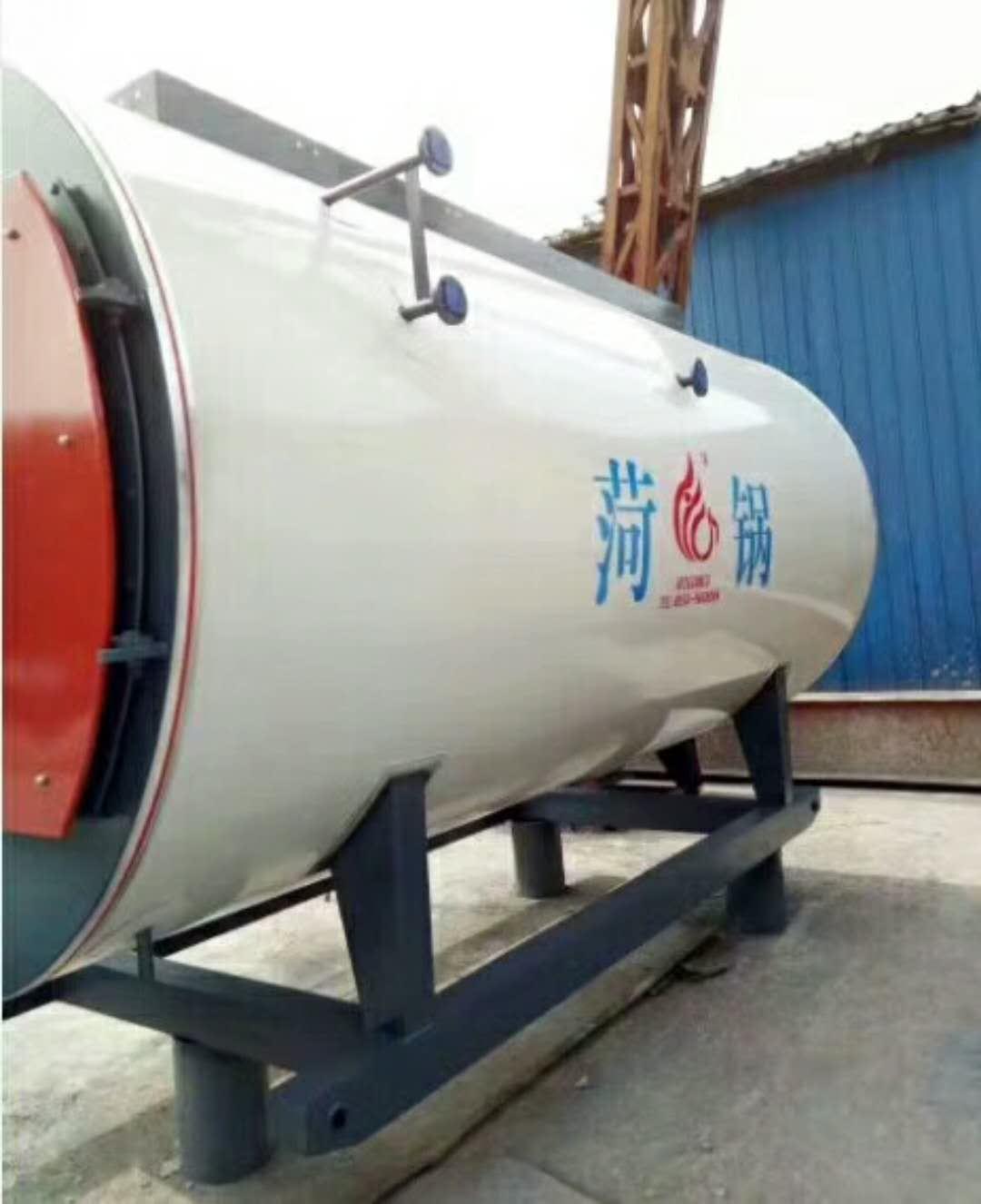


















Shandong Zhongjie Special Equipment Co., Ltd. (formerly Heze Boiler Factory Co., Ltd.) was established in 2001, located at No. 2218 Jinnan Road, Development Zone, Heze City, with a registered capital of 50 million yuan and total assets of 500 million yuan. The company has 7 business centers: boilers, deep-freezing containers, pressure vessels, central air conditioning, engineering installation, international trade, and the Internet of Things. It has three factory sites on Jinnan Road, East Changjiang Road, and Bohai Road, covering a total area of 200,000 square meters, with the main workshop spanning 83,000 square meters. It currently employs 710 people, including 247 engineers and technicians and 82 intermediate-level technicians. In December 2016, it was recognized as a "High-tech Enterprise" by the Science and Technology Department. In June 2021, it was identified as a "Specialized and New Enterprise in Shandong Province" by the Ministry of Industry and Information Technology. In June 2022, it was recognized as a "Gazelle Enterprise in Shandong Province" and in August 2022, it was identified as a "Specialized and New Small Giant Enterprise" by the Ministry of Industry and Information Technology.
Low-temperature liquid oxygen tanks typically require certain safety accessories to ensure safe operation and to address potential risks. Here are some common safety accessories for low-temperature liquid oxygen tanks:
Pressure Sensor: Used to monitor pressure changes within storage tanks. Should the pressure exceed the set range, it will trigger an alarm or automatically stop filling measures to prevent overpressure in the tank.
Safety valve: Used to automatically release gas when the pressure inside the tank exceeds the set value, preventing overpressure. The safety valve should be selected and installed based on the design pressure and capacity of the tank.
Pressure relief device: Used to release gas to a safe area when the pressure inside the storage tank is too high, in order to alleviate the pressure on the tank. Pressure relief devices typically include relief valves, relief piping, etc.
Level sensor: Used to monitor the liquid oxygen level changes inside the storage tank, ensuring an adequate supply of liquid oxygen and preventing overfilling.
Temperature Sensor: Used to monitor temperature changes within storage tanks to ensure that the temperature of liquid oxygen inside the tank remains within a safe range.
Fire Detectors and Fire Suppression Systems: Designed to monitor fire risks around storage tanks and activate fire suppression systems as needed to prevent the spread of fires to adjacent areas.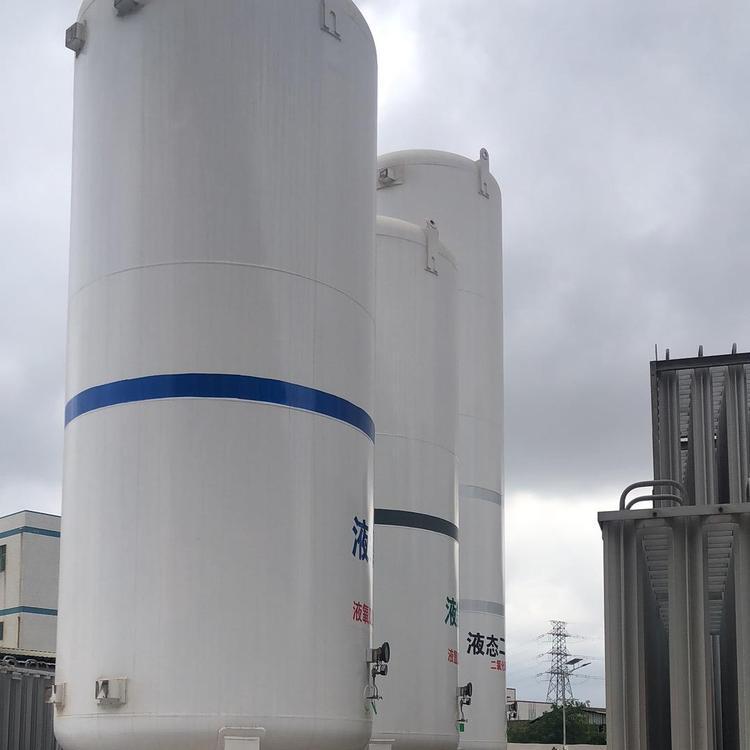
Prior to using the liquid oxygen tank, the following preparations must be made:
Safety Inspection: Ensure the tank and its surrounding environment are safe. Check for any damage, leaks, or other potential hazards. Make sure there are no flammable materials or other dangerous items around the tank.
Tank Preparation: Inspect the tank's exterior, including the shell, welds, valves, and fasteners. Ensure there is no visible damage or corrosion. Check that the insulating layer of the tank is intact and undamaged.
Liquid Oxygen Filling: Utilize liquid oxygen transfer equipment to fill the storage tank. Ensure that the flow rate and pressure of the liquid oxygen are maintained within safe limits during the filling process.
Pressure Control: Storage tanks should be equipped with pressure control devices to ensure the internal pressure of the tank remains within a safe range. Inspect and adjust the pressure control devices to ensure proper functioning.
Valve Operation: Inspect the tank's valves and fittings for proper functioning. Ensure the valves open and close smoothly and reliably. Adjust the valve's open and closed positions as required.
Safety Equipment: Inspect the safety equipment around the storage tanks, such as fire separation zones and alarm systems, to ensure they are functioning properly.
Operator Training: Ensure operators are proficient in the safe operation of liquid oxygen storage tanks.
The installation of the safety valve on the liquid oxygen storage tank is a crucial component to ensure that the tank can release pressure in a timely manner during overpressure situations, protecting the tank and related equipment. Below are the steps for installing the safety valve on the liquid oxygen storage tank:
Determine the rated pressure of the safety valve: Select an appropriate safety valve based on the design pressure and flow requirements of the liquid oxygen storage tank. Ensure that the rated pressure of the safety valve meets the tank's specifications and complies with relevant safety standards and regulations.
Valve Installation Location: Choose a suitable location for installing the safety valve. Typically, the safety valve should be mounted on the top or side of the liquid oxygen tank to ensure timely pressure release in the event of overpressure.
Ready for installation interfaces: Prepare the corresponding interfaces based on the type of safety valve connection. This may include welding interfaces, threaded interfaces, or flange interfaces, etc. Ensure the tightness and stability of the connections.
Install the safety valve: Mount the safety valve onto the prepared interface. Follow the installation instructions for the safety valve to ensure proper connection and tightness.
Adjustment and Testing: After installation, adjust and test according to the requirements of the safety valve. Ensure that the opening and closing pressures of the safety valve meet the design specifications, and conduct a leakage test to ensure its sealing.
Connect exhaust piping: The exhaust piping of the safety valve should be properly connected to the outlet of the safety valve. The exhaust piping should have sufficient diameter and flow capacity to ensure effective exhaust of overpressure gas when the safety valve is opened.
Identification and Documentation: Label safety valves and discharge pipes with relevant information such as rated pressure, flow rate, and installation date. Also, record the installation details and test results of the safety valves for future reference and maintenance.
When installing the safety valve on the liquid oxygen storage tank, it is imperative to follow the relevant safety regulations and operating guidelines. If you lack the necessary experience and knowledge, it is advisable to seek assistance and guidance from experts to ensure the correct installation and reliable operation of the safety valve.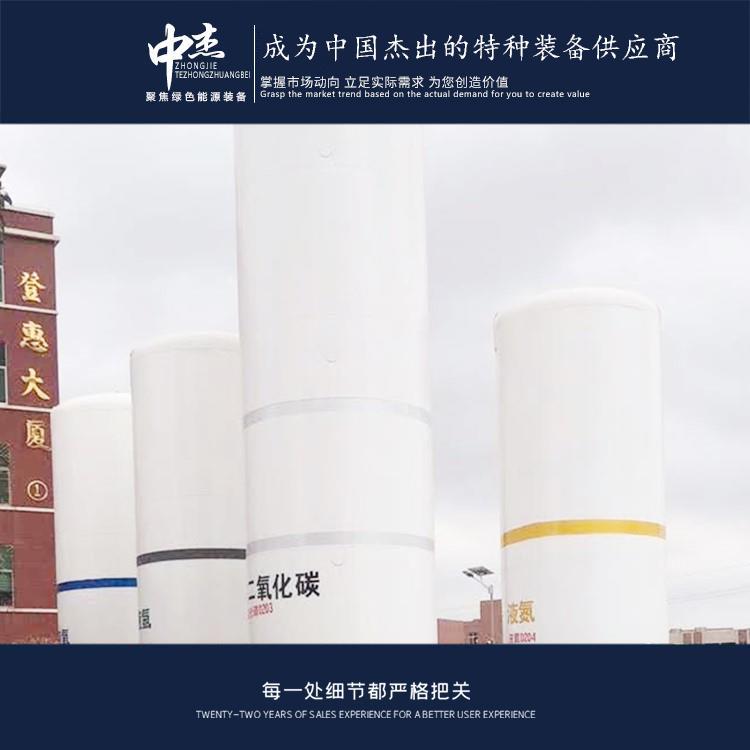
Liquid nitrogen cylinders are widely used in various industries, primarily in the following aspects:
Industry: Liquid nitrogen tanks are used for storage and supply of liquid nitrogen in the field, serving for cryogenic preservation of biological samples, cells, tissues, and vaccines. They are widely used in biomedical research institutions and biobanks, among other organizations.
Experimental Research: Liquid nitrogen tanks are used in scientific research and laboratories to provide low-temperature environments, for cryogenic preservation and cryogenic experiments. Liquid nitrogen tanks play a crucial role in experimental research across various fields such as physics, chemistry, biology, and materials science.
Metalworking Industry: Liquid nitrogen tanks are used in the metalworking and welding industries for providing low-temperature cooling, for processes such as metal cutting, welding, and heat treatment. The tanks provide low temperatures to achieve the required hardness and toughness of the metal during processing.
Food Industry: Liquid nitrogen tanks are used in the food industry for freezing and refrigeration of food items such as frozen meats, frozen fruits, and frozen seafood. The low temperature of liquid nitrogen can quickly freeze food, preserving its freshness and quality.
Semiconductor Industry: Liquid nitrogen tanks are used in semiconductor manufacturing and the electronics industry to provide low-temperature environments for the freezing and preparation of semiconductor materials. The low temperature of liquid nitrogen can enhance the purity and performance of semiconductor materials.
The configuration of liquid nitrogen tanks typically includes the following aspects:
Vessel Structure: Liquid nitrogen tanks typically feature a double or multi-layered design, filled with insulating material in between to minimize heat transfer and evaporation of the liquid nitrogen. The tank material is usually stainless steel or aluminum alloy, offering excellent corrosion and low-temperature resistance.
Insulation Layer: The insulation layer of liquid nitrogen tanks commonly employs multi-layered insulating materials, such as polyethylene foam, glass fiber, and vacuum layers, to reduce heat transfer and the evaporation of liquid nitrogen.
Temperature Control System: Liquid nitrogen tanks are typically equipped with a temperature control system to regulate the tank's temperature and maintain the liquid...
Zhongjie Special Equipment adheres to the great vision of "realizing employees' dreams, creating customer value, and striving for the prosperity and strength of our motherland," and is dedicated to the development of the green energy equipment industry. We commit to society with high-quality, cost-effective products and services!
WeChat Official Account

Scan to follow Official Account



















