


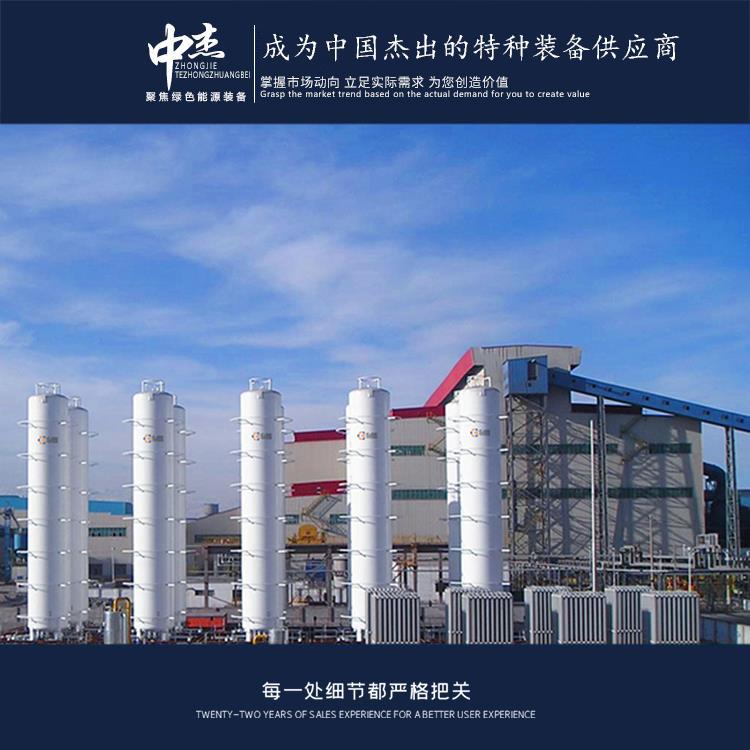

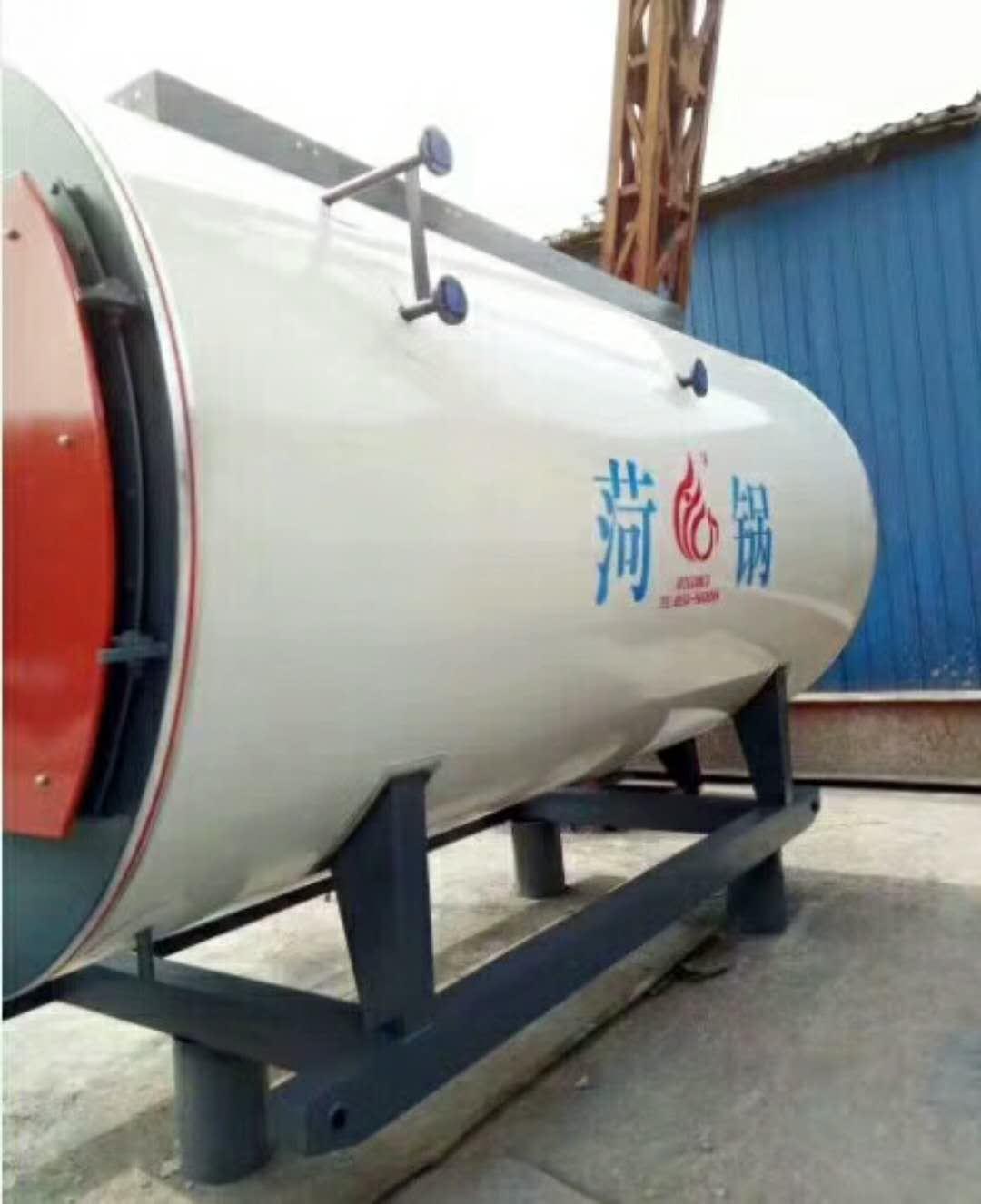


















Shandong Zhongjie Special Equipment (formerly Heze Boiler Factory Co., Ltd.) holds an A-grade boiler manufacturing license, an A2-grade pressure vessel manufacturing license, an A2-grade pressure vessel design license, a B-grade boiler installation license, and GB2/Class, GC2/Class pressure pipeline installation licenses, as well as a mechanical and electrical equipment installation contracting qualification. It is a member of the China Boiler and Water Treatment Association, the China Chemical Equipment Association, and the理事 member of the Shandong Equipment Manufacturing Association. The company has also passed the ISO9001 Quality Management System, ISO14001 Environmental Management System, OHSAS18001 Occupational Health and Safety Management System certifications, and the American ASME/U2 certification.
When selecting welding materials for pressure vessels, several factors should be considered:
Material Compatibility: The selection of welding material should match the base material of the pressure vessel to ensure the strength and corrosion resistance of the weld joint. Common material matches include carbon steel welding material with carbon steel base material, stainless steel welding material with stainless steel base material, etc.
Strength Requirement: Select welding materials with sufficient strength based on the design requirements and working conditions of the pressure vessel. The strength of the welding materials should match the base material to ensure that the strength of the weld joint does not become a weakness of the vessel.
Corrosion Resistance: Select welding materials with good corrosion resistance based on the working environment and medium of the pressure vessel. For example, pressure vessels operating in corrosive media may require the use of stainless steel welding materials with enhanced corrosion resistance.
Welding Performance: The selection of welding material should consider its welding properties, including penetration depth, weld bead shape, crack resistance, etc. The chosen material should meet the requirements of the welding process and ensure the quality of the weld joints.
Relevant Standards and Regulations: When selecting welding materials, refer to relevant standards and regulations such as the ASME Boiler and Pressure Vessel Code, AWS (American Welding Society) standards, etc. These standards and regulations provide guidance and requirements for the selection of welding materials.
It should be noted that the selection of welding materials should be made by a welding engineer or a qualified welder. They can choose the appropriate materials based on specific application requirements, working conditions, and safety standards, in conjunction with relevant specifications. Additionally, manufacturers and suppliers often provide suggestions for material selection and technical support.
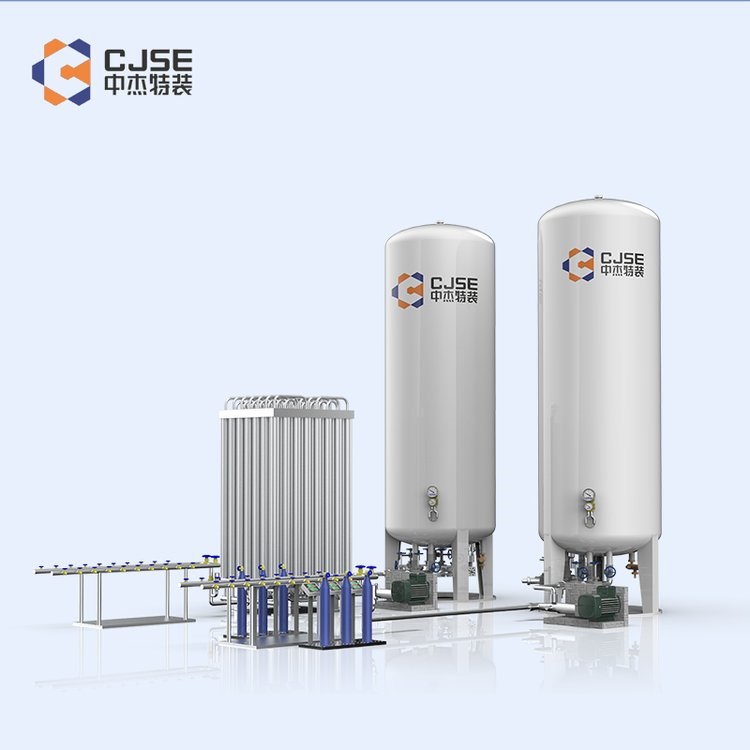
The temperature difference between the interior and exterior of a low-temperature liquid storage tank depends on various factors, including the tank's design, insulation performance, the temperature of the liquid, and the external environmental temperature. Generally, the interior temperature of a low-temperature liquid storage tank will be significantly lower than the external environmental temperature.
Low-temperature liquid storage tanks are commonly used for storing liquids like liquid nitrogen, liquid oxygen, and liquid argon. These liquids have very low boiling points, usually below -100 degrees Celsius. To maintain the low temperature of the liquids, the tanks must have good insulation to minimize heat transfer and evaporation loss.
Low-temperature liquid storage tanks typically provide a smaller temperature difference. Generally, the temperature inside the tank can be maintained near the boiling point of the liquid, usually several tens of degrees lower than the ambient temperature. The specific temperature difference depends on the tank's design and insulation performance, as well as the properties of the liquid.
Note that the temperature differences in low-temperature liquid storage tanks may vary over time. As time passes, the insulation material's performance may be affected by wear or aging, leading to increased temperature differences. Therefore, regular inspection and maintenance of the tank's insulation are crucial to ensure its effective and stable insulating performance.
Maintenance and protection of liquid argon tank accessories are crucial for ensuring the normal operation of the tank and extending its service life. The following are general methods for maintaining and protecting liquid argon tank accessories:
Valve Maintenance: Regularly inspect and maintain valves within the tank accessories, including intake valves, exhaust valves, and safety valves. Ensure valves operate smoothly and reliably with no leaks or jamming. Regularly lubricate the valves and clean any debris or dirt.
Pressure Relief Device Maintenance: The pressure relief devices (such as safety valves) in the liquid argon storage tank accessories are critical components for ensuring the safety of the internal pressure. Regularly inspect and test the operational status of the pressure relief devices to ensure they are functioning properly. Clean and repair as needed.
Sensor and Instrument Maintenance: Sensors and instruments in the liquid argon storage tank accessories are used to monitor and control parameters such as tank temperature and pressure. Regularly calibrate and inspect the accuracy and reliability of the sensors and instruments. Keep the sensors and instruments clean and in proper working condition.
Insulation Layer Protection: The insulation layer of liquid argon storage tank accessories is crucial for maintaining the low temperature state of liquid argon. Regularly inspect the integrity and insulation performance of the insulation layer, and repair or replace damaged insulation materials. Avoid mechanical damage or contamination to the insulation layer.
Cleaning and Anti-Corrosion Protection: Regularly clean tank accessories and remove impurities and dirt from their surfaces. Schedule regular inspections and maintenance of the anti-corrosion coatings on the accessories to prevent rust and oxidation.
Regular Inspections and Maintenance: Conduct comprehensive inspections and maintenance of liquid argon tank accessories on a regular basis, including their appearance, fasteners, seals, etc. Detect and address any damage, leaks, or other issues with the accessories promptly.
Record and Document Management: Document each maintenance and service result, including the maintenance date, service details, issues found, and corrective measures. Establish comprehensive management records and documents for easy tracking and management of the attachment's operational status.
Please note that the maintenance and protection of liquid argon tank accessories should be carried out by trained personnel, following relevant specifications and standards. Ensure safety during maintenance and operation, and consult experts for accurate guidance.
Liquid oxygen storage tanks are widely used in various industries, primarily in the following aspects:
Industry: Liquid Oxygen Tanks are widely used in fields, serving as storage and supply for liquid oxygen as fuel and oxidizer. Liquid Oxygen Tanks play a crucial role in engine, propulsion systems, and oxygen supply systems.
Chemical Industry: Liquid oxygen storage tanks are used in chemical processes for storing and supplying liquid oxygen, employed in oxidation reactions, combustion reactions, and oxygen supply, etc. Refineries, chemical plants, and producers of chemical products are among those that may use liquid oxygen storage tanks.
Industry: Liquid oxygen tanks are used in the field for storing and supplying liquid oxygen, employed in oxygen therapy, respiratory support, surgeries, and more. Liquid oxygen tanks are widely used in hospitals, clinics, and care institutions.
Experimental Research: Liquid oxygen storage tanks are used in scientific research and laboratories to provide liquid oxygen as experimental materials and fuel. Liquid oxygen storage tanks play a crucial role in experimental research across various fields, including physics, chemistry, biology, and materials science.
Metalworking Industry: Liquid oxygen tanks are used in the metalworking and welding industries to provide high-purity oxygen for processes such as metal cutting, welding, and heat treatment.
Other Industries: Liquid Oxygen Tanks are also used in various other industries such as the energy, environmental protection, and food industries. They are employed in energy production, environmental management, and food processing, among other fields.
It is crucial to adhere strictly to the relevant safety regulations and operational guidelines when using liquid oxygen tanks to ensure their safe operation and usage.
Zhongjie Special Equipment upholds the grand vision of "realizing employees' dreams, creating value for customers, and striving for the prosperity and strength of our motherland," and is dedicated to the development of the green energy equipment industry. We offer society products and services with high cost-performance!
WeChat Official Account

Scan to follow Official Account



















