


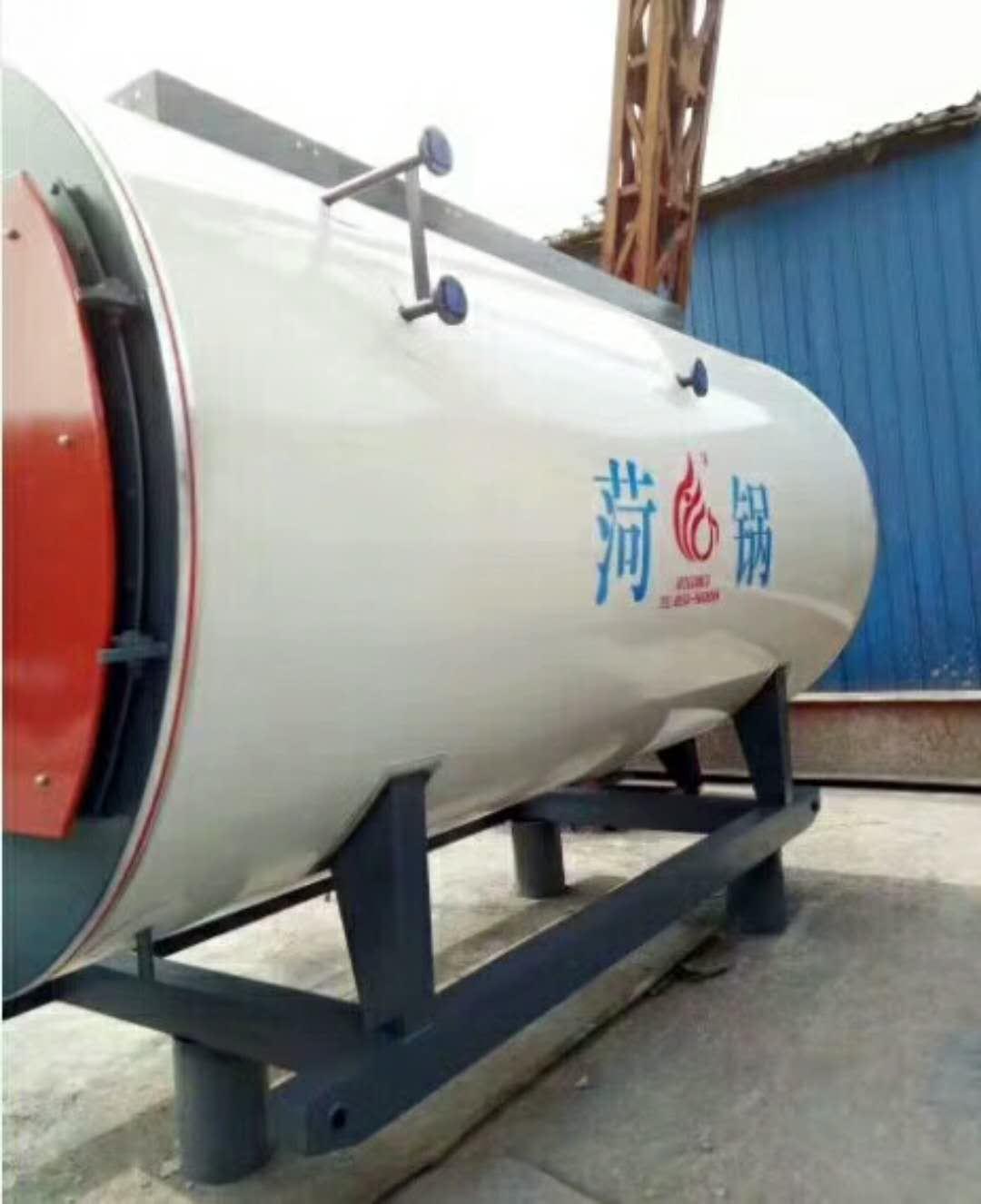

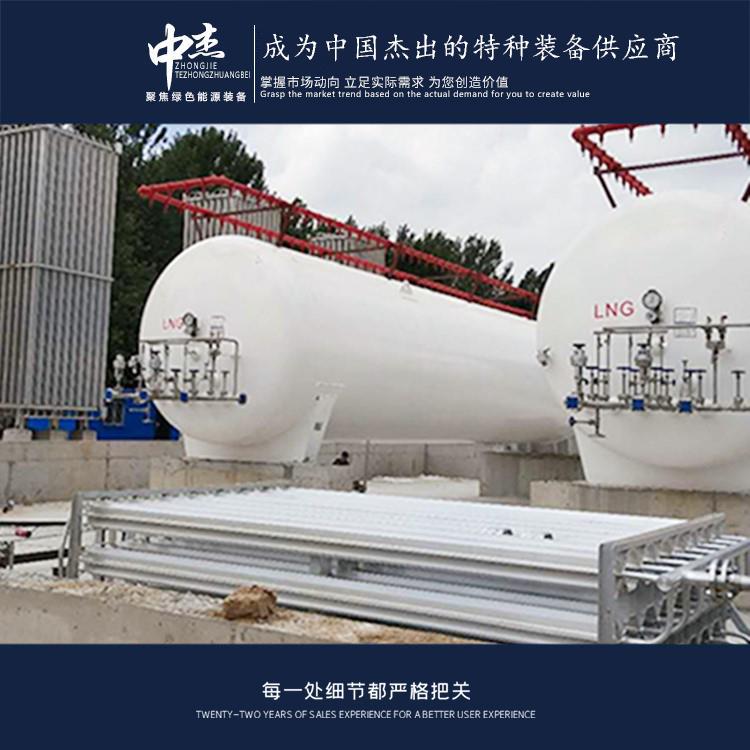
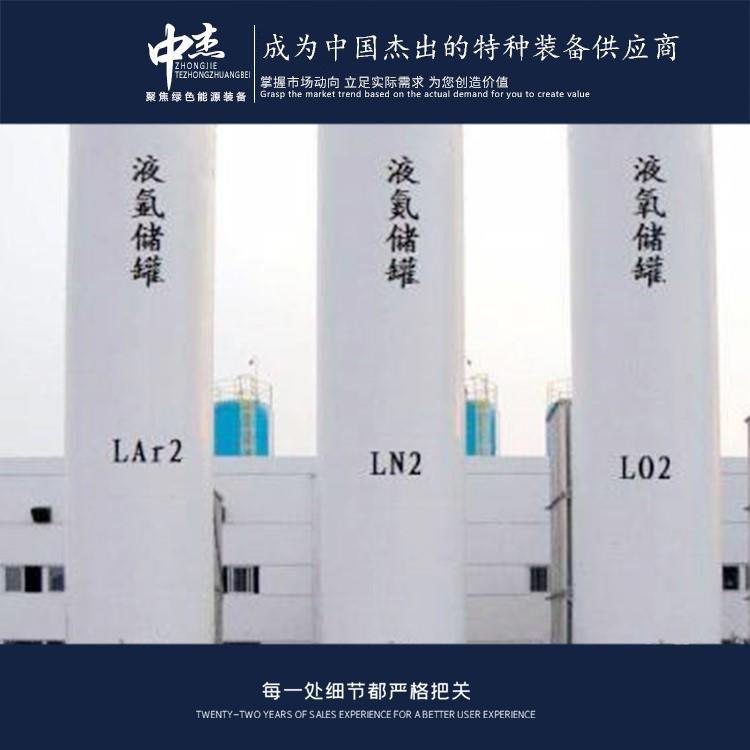


















Shandong Zhongjie Special Equipment Co., Ltd. (formerly Heze Boiler Factory Co., Ltd.) was established in 2001, located at No. 2218 Jinnan Road, Economic and Technological Development Zone, Heze City. With a registered capital of 50 million yuan and total assets of 500 million yuan, the company operates seven business centers: boilers, deep-freeze containers, pressure vessels, central air conditioning, engineering installation, international trade, and Internet of Things. It has three factory sites on Jinnan Road, East Changjiang Road, and Bohai Road, covering a total area of 200,000 square meters, with the main workshop spanning 83,000 square meters. The company currently employs 710 staff, including 247 engineers and technicians and 82 middle-level technicians. Recognized as a "High-tech Enterprise" by the Science and Technology Department in December 2016, it was named a "Specialized and New Enterprise in Shandong Province" by the Ministry of Industry and Information Technology in June 2021, a "Cheetah Enterprise in Shandong Province" in June 2022, and a "Specialized and New Small Giant Enterprise" by the Ministry of Industry and Information Technology in August 2022.
For accessories of CO2 storage tanks, such as valves, pipes, pressure relief devices, etc., maintenance and protection are crucial. Here are some suggestions:
Regular Inspections: Conduct regular checks on the appearance and operational status of the accessories to ensure no damage, looseness, or leaks. Pay special attention to the sealing performance and operational flexibility of valves.
Cleaning and Maintenance: Regularly clean the accessories, removing dirt and impurities from the surface. Use appropriate cleaning agents and tools, avoiding corrosive substances.
Lubrication Maintenance: For accessories requiring lubrication, such as valve pistons and rods, perform regular lubrication maintenance. Use the appropriate lubricant to ensure the normal operation and sealing performance of the valves.
Sealing Inspection: Regularly check the sealing performance of the accessories, such as the valve seals and sealing surfaces. Replace any damaged or worn-out sealing parts promptly.
Corrosion Protection: For accessories prone to corrosion, such as pipes and valves, take anti-corrosion measures, such as coating with anti-corrosion paint or using anti-corrosion materials for wrapping.
Regular Calibration: Calibrate measuring equipment such as level sensors and pressure sensors regularly to ensure their accuracy and reliability.
Regular Maintenance: Develop a regular maintenance plan based on the usage and requirements of the accessories, including cleaning, lubrication, and repairs. Ensure the long-term stable operation of the accessories.
Storage and Transportation Precautions: For spare parts or accessories that require replacement, pay attention to moisture-proof, shock-proof, and damage-proof during storage and transportation to avoid affecting their normal use.
The above suggestions are for the maintenance and protection of CO2 storage tank accessories. Specific operations should be carried out according to the characteristics and requirements of the accessories, and in compliance with relevant regulations.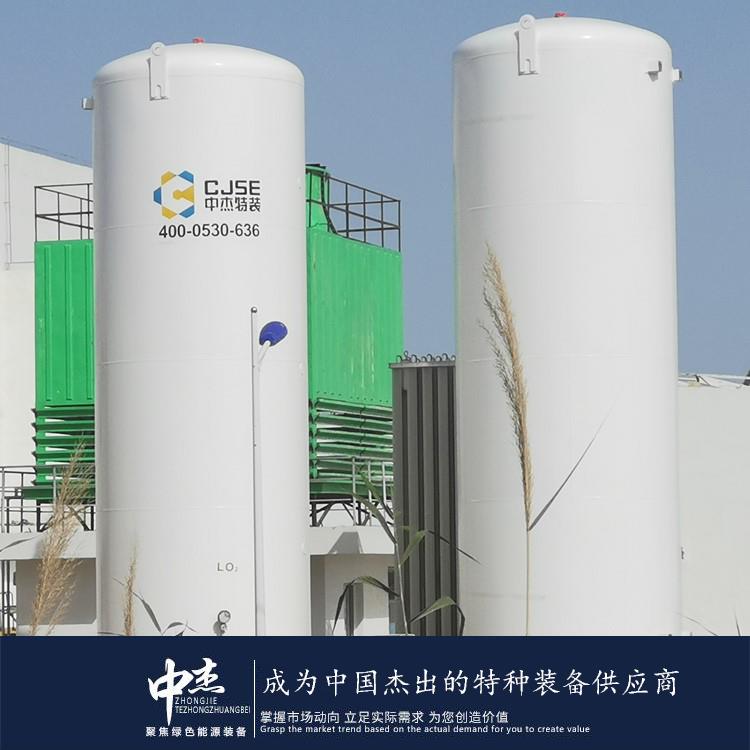
The testing and maintenance of liquid oxygen storage tanks are crucial for ensuring safe operation and extending their lifespan. Below is a general outline of the testing and maintenance procedures for liquid oxygen storage tanks:
- External Inspection: Regularly inspect the liquid oxygen storage tank externally for signs of corrosion, wear, and cracks on the surface. If any abnormalities are found, repair or replacement should be done promptly.
- Internal Cleaning: Regularly clean the interior of the liquid oxygen storage tank to remove accumulated impurities and dirt. Pay attention to using appropriate cleaning agents and tools to avoid damaging the tank.
- Level Measurement: Regularly measure the liquid level to ensure it remains within a safe range within the storage tank. Use a level gauge or other measuring equipment, and record the measurement results.
- Pressure Testing: Conduct regular pressure tests to verify the tank's pressure-bearing capacity. Be mindful of controlling pressure and time during the test to ensure safety and accuracy.
- Leak Detection: Regularly perform leak detection to ensure the tank's seal integrity. Use leak detection equipment such as gas detectors or foam leak detection agents.
- Valve and Pipe Inspection: Regularly check the valves and pipe connections on the liquid oxygen storage tank to ensure proper sealing and no leakage. If issues are found, repair or replacement should be done immediately.
- Maintenance Records: Keep records of the testing and maintenance activities, including dates, inspection content, and results. These records help track the tank's maintenance history and issue resolution.
- Scheduled Maintenance: Develop a regular maintenance plan based on the tank's usage and requirements. Maintenance includes lubrication, bolting, and replacing seals to ensure the tank operates normally.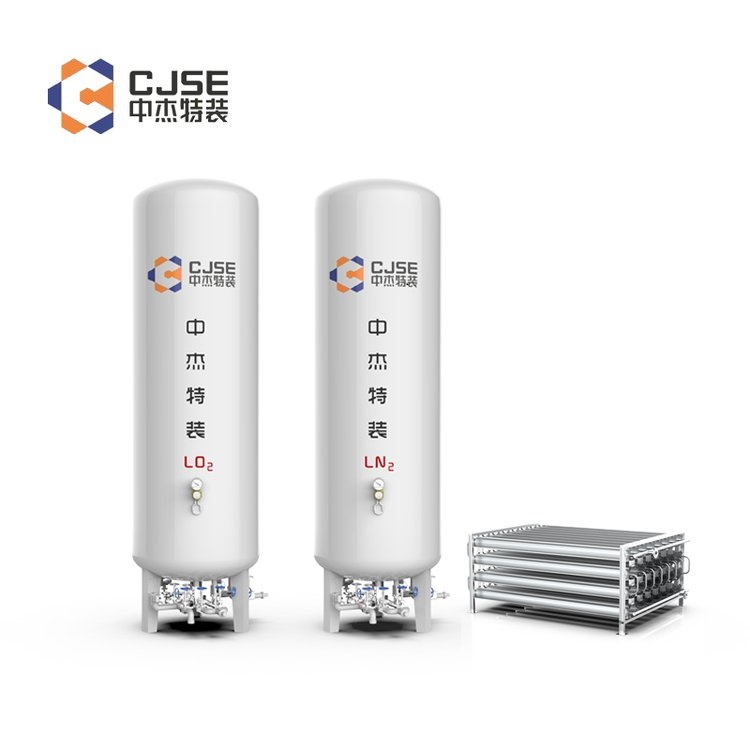
During routine inspections of carbon dioxide storage tanks, follow these steps:
- Visual Inspection: Check for any obvious damage, corrosion, or oil leakage on the tank's exterior. Pay attention to the tank shell, valves, and pipeline connections for any abnormalities.
- Valve and Pipeline Check: Verify that the tank's inlet and outlet valves and pipeline connections are functioning properly, and there are no leaks or loose fittings. Ensure valves operate smoothly and reliably.
- Pressure Relief Device Check: Inspect the tank's pressure relief devices (such as safety valves) to confirm they are operating correctly. Validate that the set pressure of the relief devices meets requirements.
- Level Measurement System Check: Assess the accuracy and reliability of the level measurement system. Calibrate the level sensors to ensure accurate level measurements.
- Pressure and Temperature Check: Confirm that the tank's pressure and temperature sensors are working properly. Verify the accuracy of pressure and temperature measurements.
- Safety Equipment Check: Inspect the tank's safety equipment, such as safety valves, pressure sensors, and temperature sensors, to ensure they are functioning correctly. Confirm that their set parameters are in compliance with requirements.
- Fire Protection Equipment Check: Ensure that fire protection equipment around the tank is in good condition and check that fire extinguishers, sprinkler systems, etc., are operating properly.
- Liquid and Gas Quality Check: Confirm that the quality of the liquid and gas carbon dioxide in the tank meets specifications, with no impurities or contaminants.
- Documentation and Reporting: Record the date of inspection, contents of the inspection, identified issues, and measures taken. If necessary, submit inspection reports to relevant departments or management.
- The above steps are general guidelines for daily inspection of carbon dioxide storage tanks. Specific operations should be tailored to the tank's characteristics and requirements. When conducting inspections, adhere to relevant safety operating procedures and have trained personnel perform the operations.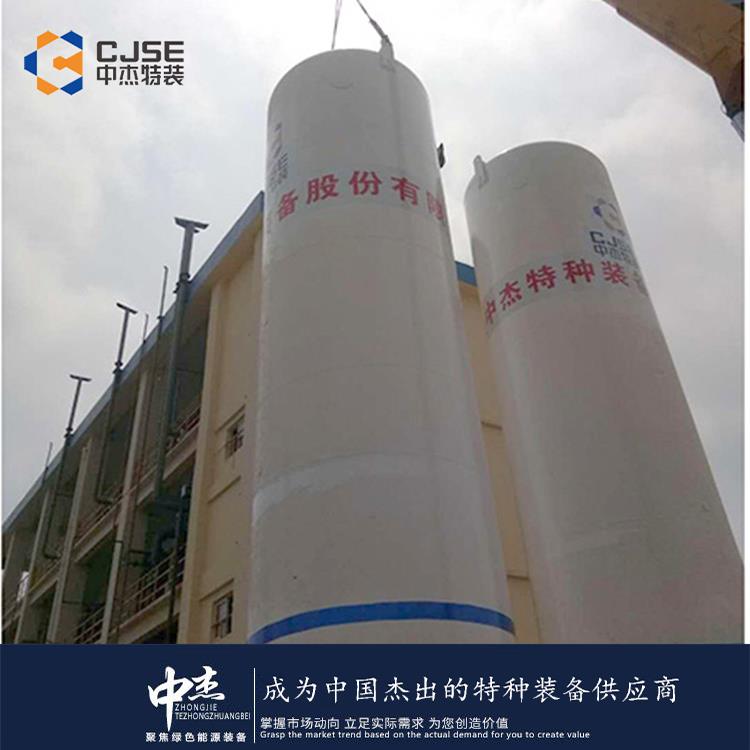
Carbon dioxide storage tanks have standard parameters that can vary depending on design and application requirements. Here are some common standard parameters:
- Tank Capacity: The capacity of carbon dioxide storage tanks is typically expressed in kiloliters (L) or cubic meters (m). Common capacity ranges vary from a few thousand to tens of thousands of liters.
- Working Pressure: The working pressure of carbon dioxide storage tanks is usually around 20 to 25 MPa (megapascals) at room temperature, with the specific pressure determined by application needs and design standards.
- Design Temperature: The design temperature of carbon dioxide storage tanks is usually within a low-temperature range, generally between -40°C to -60°C, to accommodate the liquefaction and storage requirements of carbon dioxide.
- Material: Carbon dioxide storage tanks are commonly made of high-strength steel or alloy materials to withstand the stresses and loads under high pressure and low-temperature environments.
- Insulation: The tanks are internally insulated to reduce heat transfer and liquid evaporation. The insulation is typically a multi-layered structure, including thermal insulation materials and an external protective layer.
- Safety Valve and Pressure Relief Devices: The tanks are equipped with safety valves and pressure relief devices to control internal pressure and prevent overpressure and explosions.
- Level Monitoring and Control: The tanks are fitted with level monitoring devices to monitor the liquid level inside. Timely monitoring and control of the level ensure that the liquid storage within the tank remains within a safe range.
It should be noted that the specific standard parameters for carbon dioxide storage tanks may vary due to different design standards, application requirements, and manufacturers. When selecting and using carbon dioxide storage tanks, it is important to consider these factors.
Shandong Zhongjie Special Equipment, welcome customers for factory discussions and collaborations.
WeChat Official Account

Scan to follow Official Account



















