


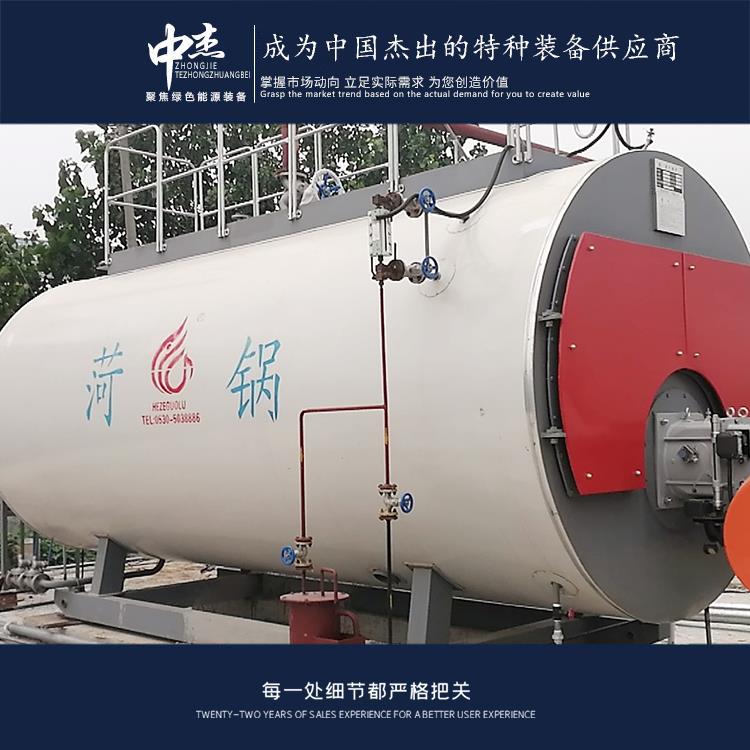

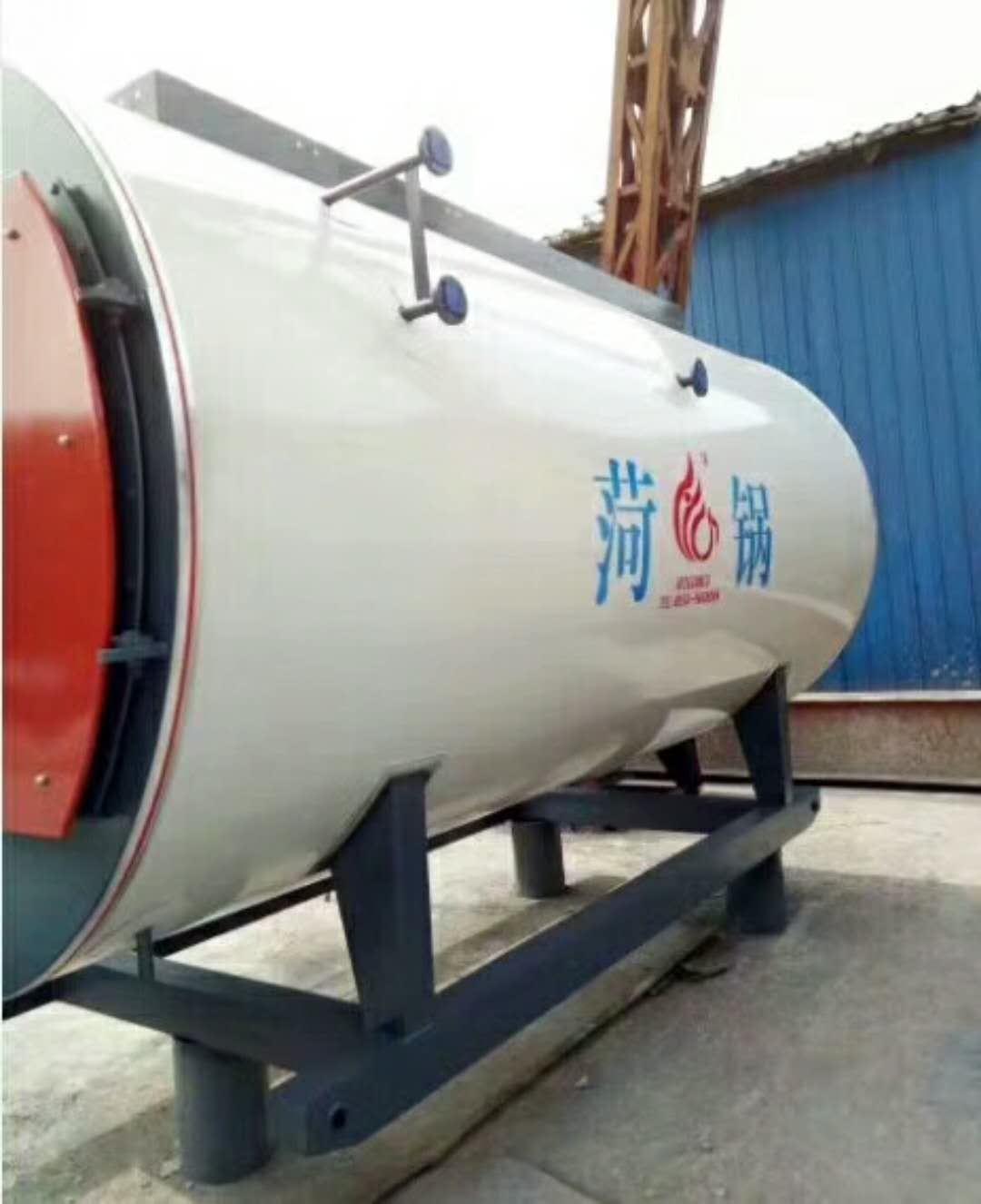
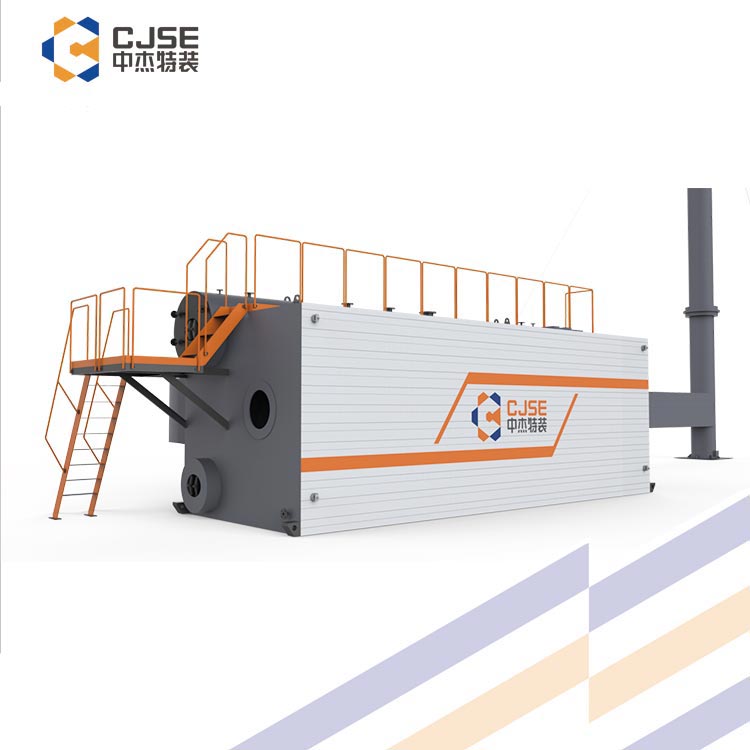


















Shandong Zhongjie Special Equipment (formerly Heze Boiler Factory Co., Ltd.) holds an A-grade boiler manufacturing license and A2-grade pressure vessel manufacturing license, A2-grade pressure vessel design license, B-grade boiler installation and GB2, GC2 class pressure pipeline installation license, as well as electromechanical equipment installation contracting资质. It is a member of the China Boiler and Water Treatment Association, the China Chemical Equipment Association, and the Council Member of the Shandong Equipment Manufacturing Association. The company has also passed certifications for the ISO9001 Quality Management System, ISO14001 Environmental Management System, OHSAS18001 Occupational Health and Safety Management System, and the American ASME/U2 certification.
To extend the service life of steam boilers, the following measures can be taken:
- Regular maintenance: Conduct regular maintenance on the boiler, including cleaning the burner, flue, and heat exchanger, checking and replacing worn parts, to ensure normal operation and efficiency.
- Water quality control: Maintain good water quality in the boiler to prevent scale and corrosion from damaging the boiler. Regularly test water quality and implement appropriate water treatment measures based on test results, such as descaling and replenishing missing chemicals.
- Control the combustion process: Reasonably control the combustion process to ensure the normal operation and efficiency of the burner. Regularly inspect the burner's working condition, adjust combustion parameters, and avoid overheating or underheating issues.
- Regularly clean the flue and heat exchanger: Regularly clean the flue and heat exchanger to remove accumulated dust and dirt, maintain heat exchange efficiency, and avoid overheating and energy loss.
- Regularly inspect safety devices: Regularly inspect the boiler's safety devices, including safety valves, pressure switches, and level controllers, to ensure they are functioning normally and to ensure the safe operation of the boiler.
- Keep records and monitor: Record the boiler's operating parameters, maintenance records, and fault conditions, regularly monitor and analyze them, and address any issues promptly.
- Train operators: Ensure that operators have sufficient knowledge of boiler operation and maintenance, operate and maintain the boiler correctly, and avoid damage caused by operational errors and improper maintenance.
- Regularly perform inspections: Based on the boiler's usage and the manufacturer's recommendations, regularly perform major repairs and inspections, replace worn-out parts, and extend the boiler's service life.
These measures can help extend the service life of steam boilers; however, please note that for safety and effectiveness, maintenance and inspections should be performed by qualified personnel.
Proper selection of a thermal oil heater requires considering the following aspects:
1. Heat Load Requirement: First, determine the heat load required for the thermal oil heater, which is the thermal energy needed. Establish the rated power and heat load range of the heater based on actual needs to ensure it can meet the required thermal energy supply.
2. Operating Temperature and Pressure: The operating temperature and pressure range of the thermal oil heater should match the actual application scenario. Choose the appropriate temperature and pressure range based on process requirements and working environment to ensure stable operation of the heater.
3. Thermal Oil Type: Select the appropriate type of thermal oil based on process requirements and working environment. Common types include silicone thermal oil, organic thermal oil, and mineral oil thermal oil, each with different operating temperature ranges and performance characteristics. Choose according to actual needs.
4. Equipment Quality and Reputation: Choose a thermal oil heater supplier with a good reputation and quality. Ensure the manufacturing process and material quality of the heater are reliable, providing stable and reliable operation performance and after-sales service.
5. Safety and Environmental Protection: The safety and environmental protection of the thermal oil heater are important considerations. Choose a heater with safety protection devices and environmental certification to ensure safety for personnel and equipment during operation.
6. Economy and Energy Efficiency: Consider the economy and energy efficiency of the thermal oil heater. Choose a heater with high energy efficiency and energy-saving features to reduce energy consumption and operating costs.
By considering these factors and selecting an appropriate thermal oil heater based on actual needs, you can ensure the stable operation of the equipment.
Potential operational issues with the fuel system of a thermal oil furnace include:
- Inadequate fuel quality: Using low-quality or contaminated fuel can cause problems within the fuel system. For instance, the presence of impurities, moisture, or excessive additives can lead to clogs in the fuel pump, nozzle, and burner, affecting fuel supply and combustion efficiency.
- Unregular cleaning or replacement of the fuel filter: The fuel filter's purpose is to filter out impurities and particles from the fuel to prevent them from entering the fuel system. If the fuel filter is not regularly cleaned or replaced, it can become clogged, impacting fuel flow and supply.
- Improper adjustment of the fuel pump: Proper adjustment of the fuel pump is crucial for maintaining stable fuel supply volume and pressure. Incorrect adjustment can result in either too much or too little fuel supply, leading to incomplete combustion or insufficient fuel supply, affecting the furnace temperature and thermal efficiency.
- Clogged or worn fuel nozzles: Fuel nozzles are key components that atomize and inject fuel into the furnace chamber. Clogs or wear on the nozzles can cause uneven or incorrect fuel injection, impacting combustion efficiency and thermal output.
- Inadequate fuel preheating: Fuel needs to be preheated before entering the burner to enhance combustion efficiency. Insufficient preheating can increase fuel viscosity, affecting fuel flow and injection performance.
- Fuel system oil leaks: The sealing integrity of the fuel system is critical for stable fuel supply. Oil leaks in the fuel system can lead to inconsistent fuel supply.
To reduce the heat loss of a gas boiler, the following measures can be taken:
1. Enhance Insulation: Insulate the outer shell and pipes of the gas boiler to minimize heat loss. Use insulating materials like rock wool and glass wool to wrap the boiler and pipes.
2. Install Heat Recovery Systems: Install heat recovery systems in the flue of the gas boiler to utilize the excess heat in the flue gases. This can improve thermal efficiency and reduce heat loss.
3. Control the Combustion Process: Properly control the combustion process to ensure complete, stable, and efficient combustion. Adjust the parameters of the burner, such as air flow and gas supply, to enhance combustion efficiency and reduce heat loss.
4. Clean the Heat Exchanger: Regularly clean the heat exchanger of the gas boiler to remove dirt and deposits on the surface. This maintains the heat exchanger's thermal conductivity and reduces heat loss.
5. Control Flue Gas Temperature: Reasonably control the flue gas temperature of the gas boiler to avoid excessive temperatures leading to significant heat loss. Adjust burner parameters and flue design to achieve this.
6. Regular Inspection and Maintenance: Regularly inspect and maintain the gas boiler to ensure proper operation. This includes checking the combustion system, water level control, safety valves, and timely repairing or replacing damaged parts.
7. Make Use of Waste Heat: Utilize the waste heat generated by the gas boiler for other processes requiring heat, such as water heating and heating. By utilizing waste heat, reduce energy waste and improve energy utilization efficiency.
Through these measures, the heat loss of gas boilers can be effectively reduced, improving energy utilization efficiency and reducing energy consumption.
Our company attaches great importance to technological innovation and research and development. We have one municipal-level enterprise technology center in Heze City, equipped with non-destructive testing, physical and chemical testing, welding testing, hydrostatic testing, and other testing facilities. We have over 600 various instruments and equipment, including CNC machine tools, X-ray flaw detectors, digital ultrasonic flaw detectors, mechanical property testing machines, chemical analyzers, spectrometers, tensile testing machines, plasma welding machines, etc. The key products and technologies we have developed, such as welding of temperature and pressure vessels, emission reduction of biomass boilers, and waste heat utilization, have successively been selected for multiple Shandong Provincial Department of Industry and Information Technology science and technology innovation projects, key projects in Shandong Province, and Heze City innovation and excellence projects. We have accumulated 27 authorized utility model patents, 16 authorized invention patents, participated in drafting 2 standards, 2 industry standards, and registered 15 trademarks. The technical team of our company, in collaboration with Professor Li Yajiang of Shandong University, has developed deep cryogenic container processing technology using the international plasma arc + wire filling argon arc welding (PAW-GTAW) technology. After the provincial-level scientific and technological achievement evaluation, the technology level has reached an international standard in the field of deep cryogenic container manufacturing.
Choose ZJET's customized solutions, let's create brilliance together!
WeChat Official Account

Scan to follow Official Account



















