


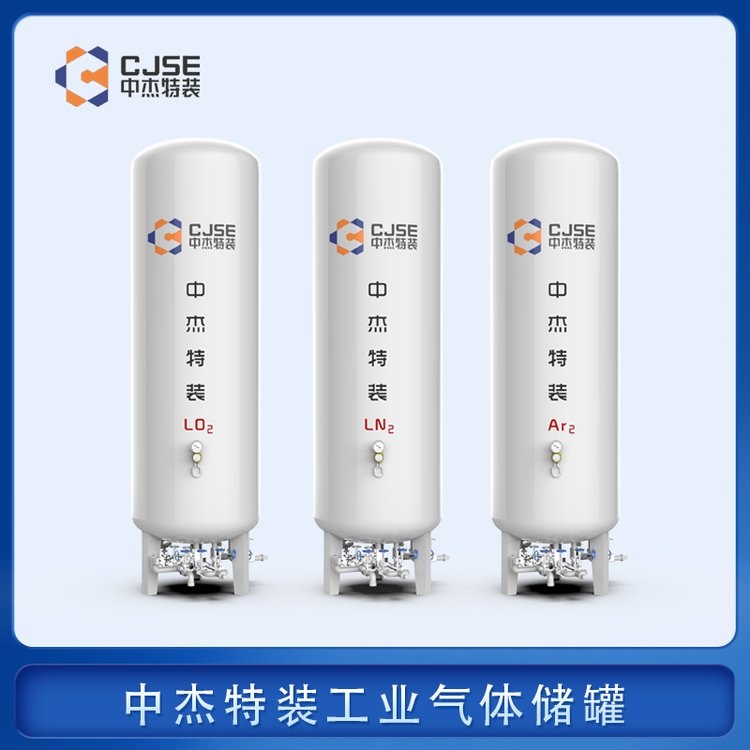

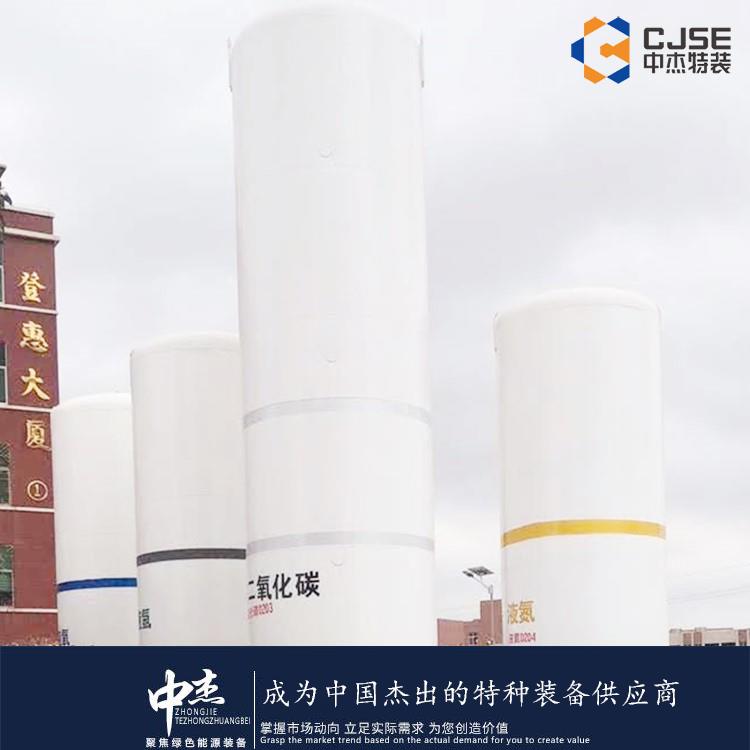
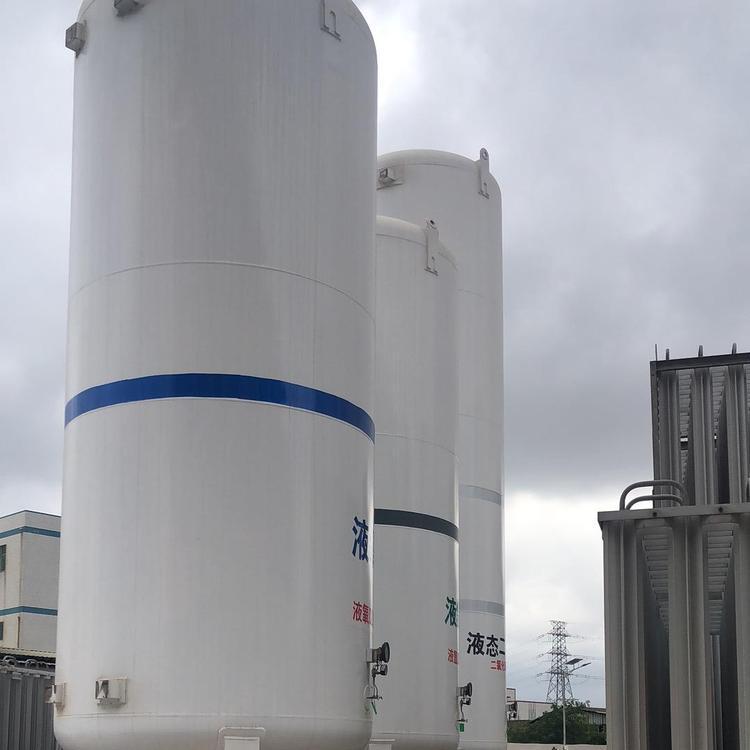


















Shandong Zhongjie Special Equipment (formerly Heze Boiler Factory Co., Ltd.) holds an A-grade boiler manufacturing license, A2-grade pressure vessel manufacturing license, A2-grade pressure vessel design license, B-grade boiler installation license, GB2 and GC2 class pressure pipeline installation licenses, and equipment and machinery installation contracting qualifications. It is a member of the China Boiler and Water Treatment Association, the China Chemical Equipment Association, and the director unit of the Shandong Equipment Manufacturing Association. The company has also passed the ISO9001 Quality Management System, ISO14001 Environmental Management System, OHSAS18001 Occupational Health and Safety Management System certifications, and the American ASME/U2 certification.
Carbon dioxide (CO2) and liquid oxygen (LOX) storage tanks are equipment for storing different gases. They have some differences in physical properties:
- Physical State: CO2 is a gas at room temperature and requires low temperatures and high pressures to convert to a liquid. LOX is a liquid at room temperature and can remain in liquid form without special conditions.
- Storage Temperature: The liquid CO2 storage temperature is typically between -40°C to -78.5°C, while the liquid oxygen storage temperature is usually between -183°C to -183.15°C. The storage temperature for LOX is lower, requiring more stringent insulation measures.
- Storage Pressure: The liquid CO2 storage pressure is usually between 5-20 MPa, while the liquid oxygen storage pressure is typically between 0.2-2 MPa. The storage pressure for LOX is lower.
- Density: The density of liquid CO2 is approximately 0.8 g/cm³, while the density of liquid oxygen is about 1.14 g/cm³. The density of liquid oxygen is greater.
- Safety: LOX has a high oxygen content, making it highly flammable and oxidizing, necessitating stricter safety measures. CO2 is relatively safe but can still be harmful to humans at high concentrations.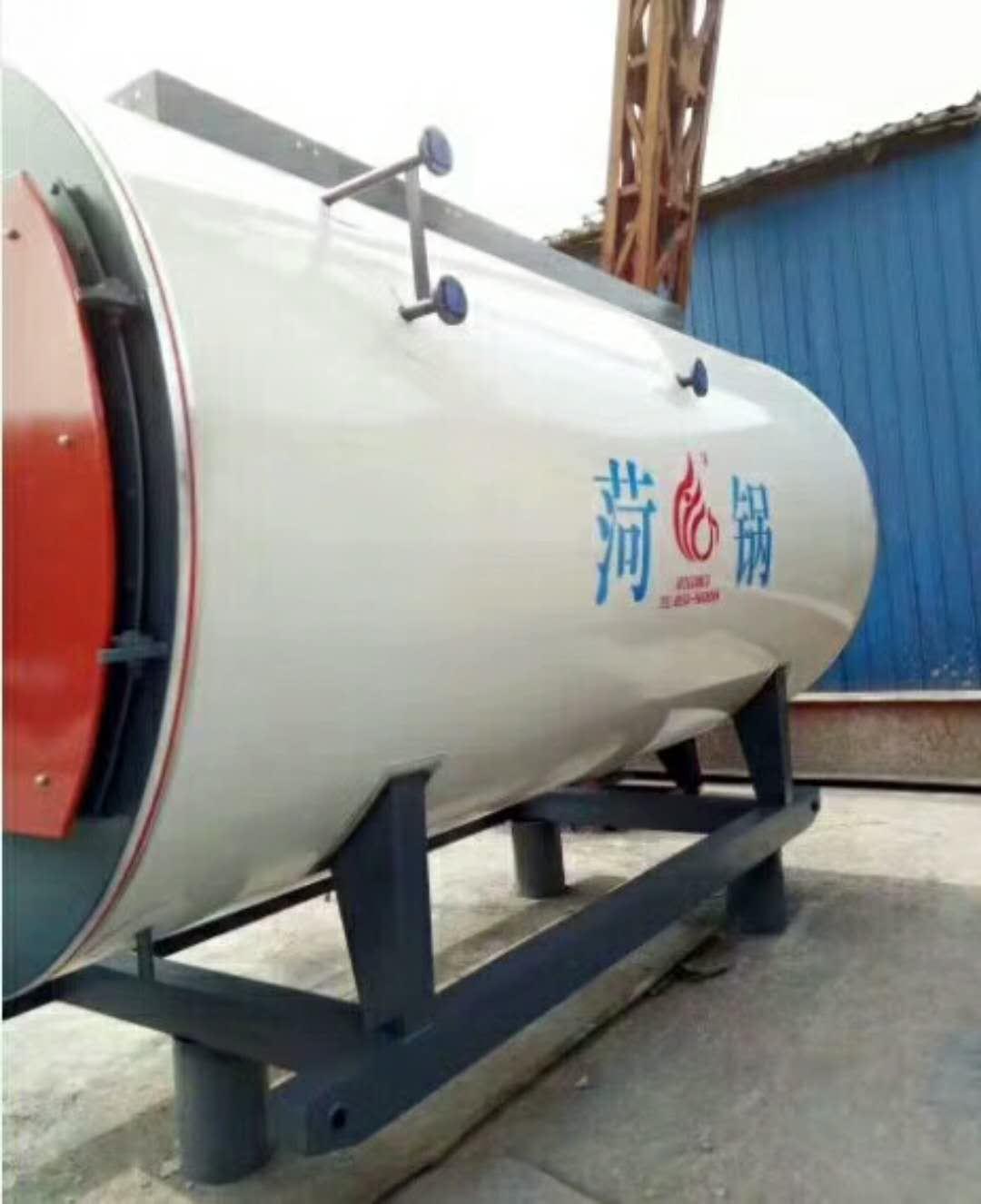
In accordance with China's "Regulations for the Safety Supervision of Pressure Vessel Technologies," carbon dioxide storage tanks are classified as Category II pressure vessels. The Regulations categorize pressure vessels as follows:
- Category I pressure vessels: Pressure vessels with working pressures of 10 MPa (Megapascals) or higher, such as steam boilers and pressure vessels.
- Category II pressure vessels: Pressure vessels with working pressures between 0.1 MPa and 10 MPa, such as air compressors and liquefied gas storage tanks.
- Category III pressure vessels: Pressure vessels with working pressures between 0.05 MPa and 0.1 MPa, such as storage tanks.
- Category IV pressure vessels: Pressure vessels with working pressures below 0.05 MPa, such as gas cylinders.
Based on this classification, carbon dioxide storage tanks typically have working pressures above 0.1 MPa, thus falling under Category II pressure vessels. It's important to note that specific classification criteria may vary depending on different regional regulations and standards. When using and managing carbon dioxide storage tanks, it is necessary to comply with the corresponding legal and standard requirements.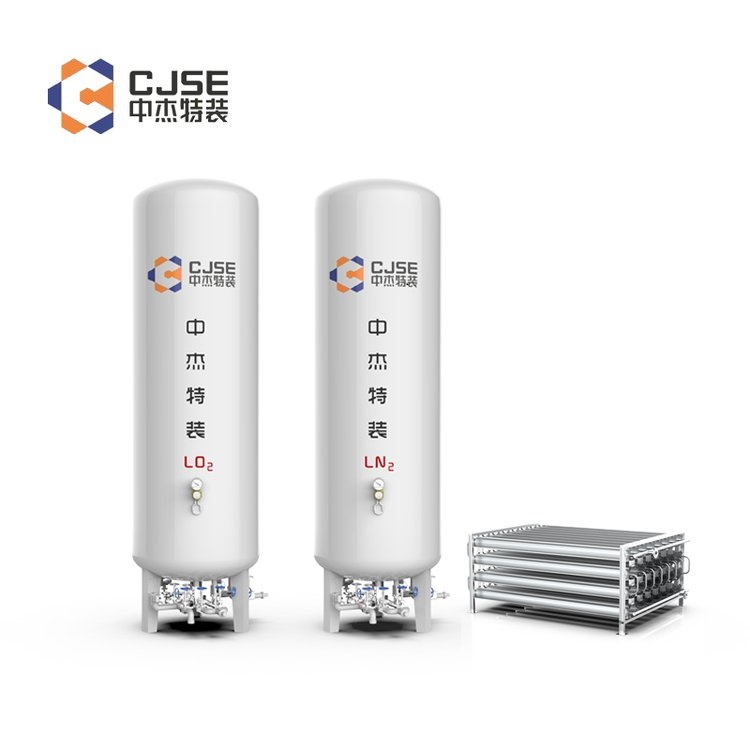
Carbon dioxide tanks are equipment used for storing carbon dioxide gas. They are typically made from high-strength materials and feature sealing capabilities to prevent the leakage of stored carbon dioxide gas. The design and capacity of the tanks can be adjusted to meet various application needs. Carbon dioxide tanks are widely used across various fields, including industrial production and food processing. In the industrial sector, they are commonly used to store and supply carbon dioxide gas for processes such as welding, gas protection, and fire extinguishing. In the food processing industry, carbon dioxide tanks can be used to produce carbonated beverages and frozen foods. In the medical field, they are used to manufacture medical gases like breathing gas and anesthetic gas. The development and manufacturing of carbon dioxide tanks involve multiple manufacturers and technologies. Different companies may employ various design and manufacturing processes to meet the diverse needs of users. Moreover, relevant safety standards and regulations must be adhered to ensure the safe operation and use of the tanks.
Carbon dioxide storage tanks are devices used for storing and transporting carbon dioxide gas, operating on the principles of pressure vessels and the physical properties of carbon dioxide. Pressure Vessel Principle: Carbon dioxide storage tanks are pressure vessels capable of withstanding internal gas pressure. They are typically made of high-strength materials like steel. The design and structure of the tanks can withstand high pressure, ensuring safe storage and transportation of the gas. Compressed Gas Storage: Carbon dioxide is a gas at room temperature but can be compressed into a liquid under high pressure. Storage tanks utilize high pressure to compress the gas into a liquid, achieving higher storage density. The volume occupied by liquid carbon dioxide is relatively small, allowing for more gas to be stored. Level Control: The tanks are equipped with level control systems to monitor and control the liquid level of carbon dioxide. These systems usually include level sensors and control valves, ensuring the tank's level stays within a safe range. Pressure Control: The tanks also feature pressure control systems to monitor and control the internal gas pressure. These systems commonly include pressure sensors and safety valves, ensuring the tank's pressure remains within a safe range to prevent damage or safety risks from excessive or low pressure. By these principles, carbon dioxide storage tanks can safely store and transport carbon dioxide gas to meet the needs of various fields, such as food processing, beverage manufacturing, and fire suppression. When using carbon dioxide storage tanks, it is necessary to follow relevant safety operating procedures and guidelines to ensure safe operation and use.
ZJ Special Equipment adheres to the great vision of "Realizing employees' dreams, creating customer value, and striving for the prosperity and strength of our motherland," wholeheartedly commits to the development of green energy equipment, and dedicates high-value products and services to society!
WeChat Official Account

Scan to follow Official Account



















