


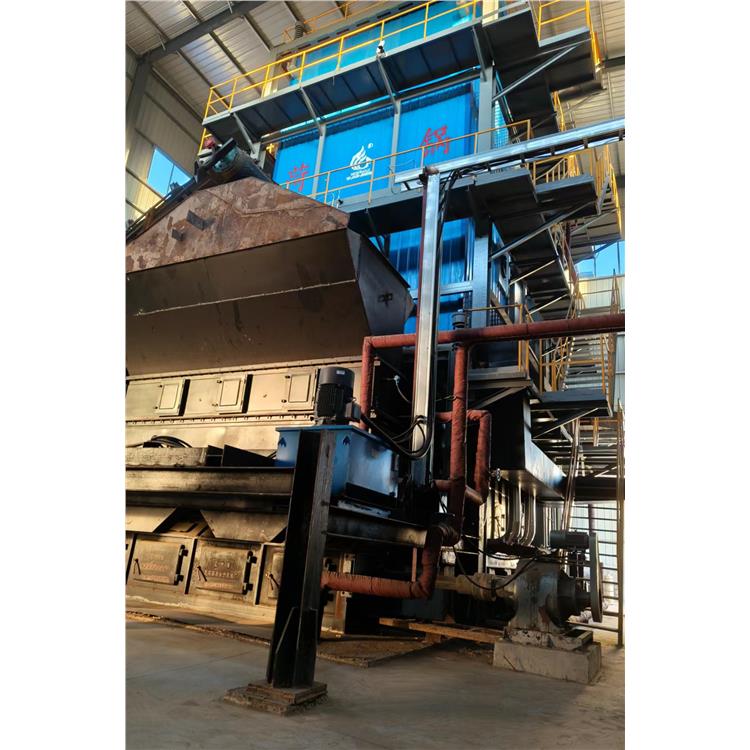

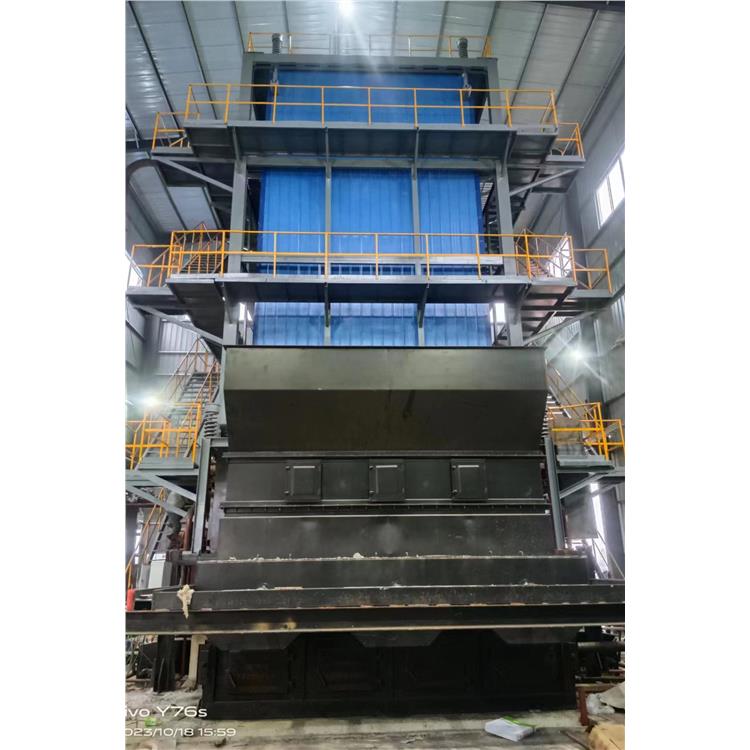
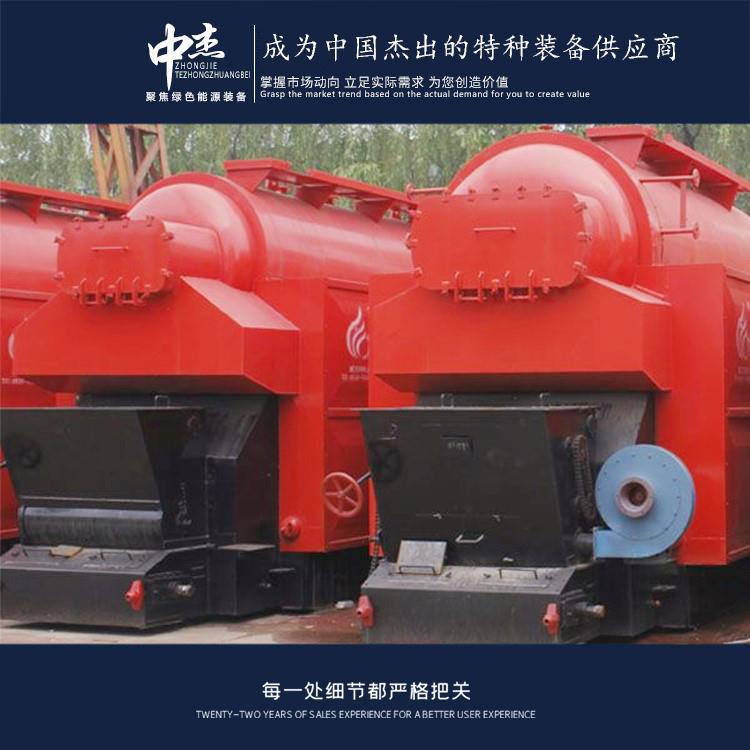


















Shandong Zhongjie Special Equipment Co., Ltd. (formerly Heze Boiler Factory Co., Ltd.) was established in 2001, located at No. 2218 Jinnan Road, Development Zone, Heze City. With a registered capital of 50 million yuan and total assets of 500 million yuan, the company operates seven business centers: boilers, deep-freeze containers, pressure vessels, central air conditioning, engineering installation, international trade, and Internet of Things. It has three factory sites on Jinnan Road, East Changjiang Road, and Bohai Road, covering a total area of 200,000 square meters, with the main workshop spanning 83,000 square meters. The company currently employs 710 staff, including 247 engineers and technicians, and 82 intermediate-level technicians. In December 2016, it was recognized as a "High-tech Enterprise" by the Science and Technology Department. In June 2021, it was named a "Specialized and New Enterprise in Shandong Province" by the Ministry of Industry and Information Technology. In June 2022, it was identified as a "Gazelle Enterprise in Shandong Province," and in August 2022, it was recognized as a "Specialized and New Small Giant Enterprise" by the Ministry of Industry and Information Technology.
A biomass boiler safety valve is a device designed to ensure the safety of the boiler system. Its primary function is to automatically open and release excessive pressure when the internal pressure of the boiler exceeds the set value, preventing the boiler from exploding or causing other safety accidents.
Biomass boiler safety valves typically consist of the valve body, valve cover, spring, valve core, and seals. When the internal pressure of the boiler exceeds the set value, the spring is subjected to pressure, pushing the valve core upwards to allow pressure to be released through the valve body. Once the pressure drops below the set value, the spring re-closes the valve core, preventing further pressure release.
The set pressure of safety valves is typically determined by the design pressure of the boiler and usage requirements. They should be selected and installed according to relevant standards and specifications, and regularly inspected and maintained to ensure proper operation and reliability.
The presence of a biomass boiler safety valve effectively safeguards the boiler system's safety, preventing hazardous situations caused by excessive pressure. It is one of the crucial safety devices in the biomass boiler system.
Biomass steam boilers offer several advantages:
Renewable Energy: Biomass steam boilers utilize biomass fuels such as wood chips, straw, and husks. These fuels are renewable and, compared to traditional fossil fuels, offer lower carbon emissions and environmental friendliness.
Versatile Fuel Options: Biomass steam boilers are suitable for a variety of biomass fuels such as wood chips, straw, husks, etc., displaying strong adaptability to different fuel types. This allows for widespread application of biomass steam boilers across various regions and industries.
Energy Utilization: The biomass steam boiler utilizes advanced combustion technology and heat recovery systems to achieve high energy utilization efficiency. By optimizing the combustion process and heat recovery, energy utilization efficiency can be maximized, significantly reducing energy consumption.
Flexible operation modes: The biomass steam boiler can be operated flexibly according to actual needs, such as manual control, automatic control, or remote monitoring, etc. This allows the biomass steam boiler to meet requirements in various scenarios and provide a stable steam supply.
Superior Environmental Performance: Biomass steam boilers produce relatively fewer emissions during the combustion process, resulting in minimal environmental impact. Through reasonable combustion control and flue gas treatment systems, the emission levels can be further reduced to meet higher environmental standards.
Replace Traditional Boilers: Biomass steam boilers can replace traditional coal or oil-fired boilers, reducing reliance on fossil fuels and lowering energy costs and carbon emissions. This is of great significance for achieving sustainable development and reducing greenhouse gas emissions.
In summary, biomass steam boilers offer renewable energy and diversity.
There are several common types of biomass energy-saving steam boilers:
Biomass Chain Grate Boiler: The biomass chain grate boiler utilizes a chain feeding system to deliver biomass fuel into the furnace for combustion. The chain feeding system allows for continuous feeding, making it suitable for large-scale biomass steam boilers.
Biomass Circulating Fluidized Bed Boilers: These boilers utilize the circulating fluidized bed combustion technology, blending biomass fuel with a combustion medium (such as sand) for combustion under high temperatures. They offer advantages like high combustion efficiency and strong fuel adaptability.
Biomass Pellet Boilers: Biomass pellet boilers are specifically designed for burning biomass pellet fuel. They feature high combustion efficiency and stability, making them suitable for small to medium-sized biomass steam boilers.
Biomass Gasification Boilers: Biomass gasification boilers utilize gasification technology to convert biomass fuel into combustible gases, which are then burned to produce steam. These boilers offer advantages such as utilizing biomass energy and reducing pollution emissions.
Biomass Hot Air Furnace: A biomass hot air furnace is a device that uses biomass fuel to produce high-temperature hot air, which can be used for drying and heating processes in industrial production. The biomass hot air furnace features energy saving and environmental protection.
These types of biomass energy-saving steam boilers possess their own characteristics and suitability in different application scenarios. They can be selected based on actual needs.
Fully automatic biomass boiler systems commonly use a make-up water pump to maintain pressure, which is a common method of water supply. The specific working principle is as follows:
Feedwater Pump: The fully automatic biomass boiler is equipped with a feedwater pump, which is used to pump water from a water source (such as a water tank or municipal water pipeline) into the boiler's supply system.
Pressure Regulation: The supply pump operates on a constant pressure system, which involves installing a pressure sensor or controller in the boiler water supply system to monitor the pressure. When the pressure in the water supply system falls below the set value, the supply pump will automatically activate, replenishing water into the system to increase the pressure.
Pressure Control: The supply pump will control the pressure within the set range. When the system pressure reaches the set value, the supply pump will cease operation to prevent excessive pressure.
Automation Control: The water supply system of a fully automatic biomass boiler is typically equipped with an automation control system that can intelligently manage according to the boiler's operational status and needs. For instance, when the boiler requires water replenishment, the control system will automatically activate the feed pump to ensure stable operation of the water supply system.
By utilizing a constant pressure water supply pump system, the fully automatic biomass boiler can achieve automated control of the water supply system and stable water supply, ensuring the normal operation and safety of the boiler. This method can be adjusted and optimized according to actual needs, enhancing water supply and energy utilization efficiency.
Our company places great emphasis on technological innovation and R&D, boasting one municipal-level enterprise technology center in Heze City. We have established testing facilities for non-destructive testing, physical and chemical testing, welding testing, hydrostatic testing, etc. Equipped with over 600 units of various instruments and equipment, including CNC machine tools, X-ray flaw detectors, digital ultrasonic flaw detectors, mechanical property testing machines, chemical analyzers, spectrometers, tensile testing machines, plasma welding machines, and more, our R&D efforts in key products such as temperature-pressure vessels, biomass boiler emissions reduction, and waste heat utilization have been selected for multiple Shandong Provincial Department of Industry and Information Technology science and technology projects, Shandong Provincial key projects, and Heze City innovative and excellent projects. We have accumulated 27 authorized utility model patents, 16 authorized invention patents, participated in drafting 2 standards, 2 industry standards, and registered 15 trademarks. The technical team, in collaboration with Professor Li Yajiang of Shandong University, has developed deep cryogenic container processing technology using the international plasma arc + filler wire tungsten inert gas (PAW-GTAW) welding technology, which has been appraised as internationally competitive at the provincial level. Choose ZJ Special Equipment, and let's create brilliance together!
WeChat Official Account

Scan to follow Official Account



















