


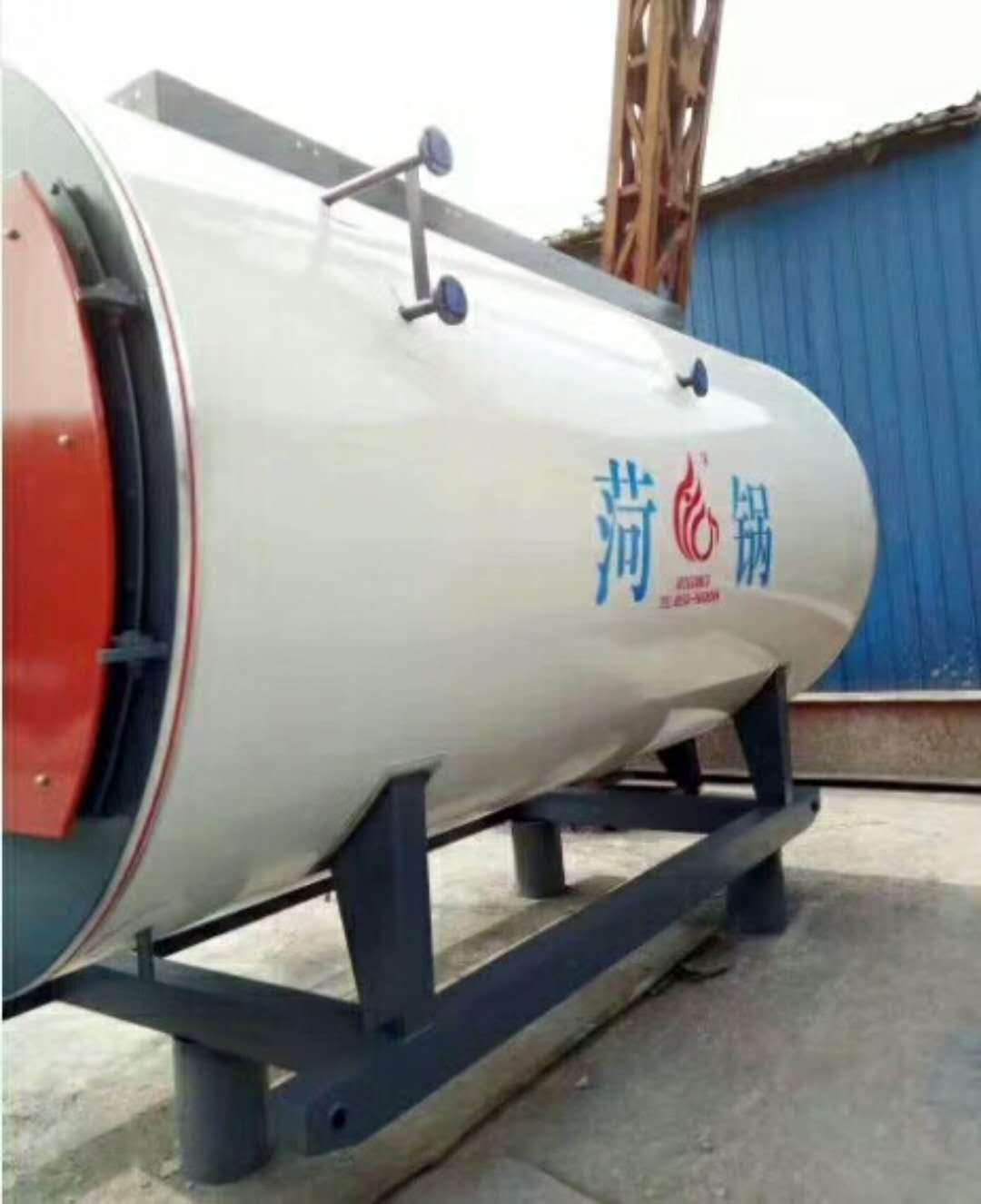

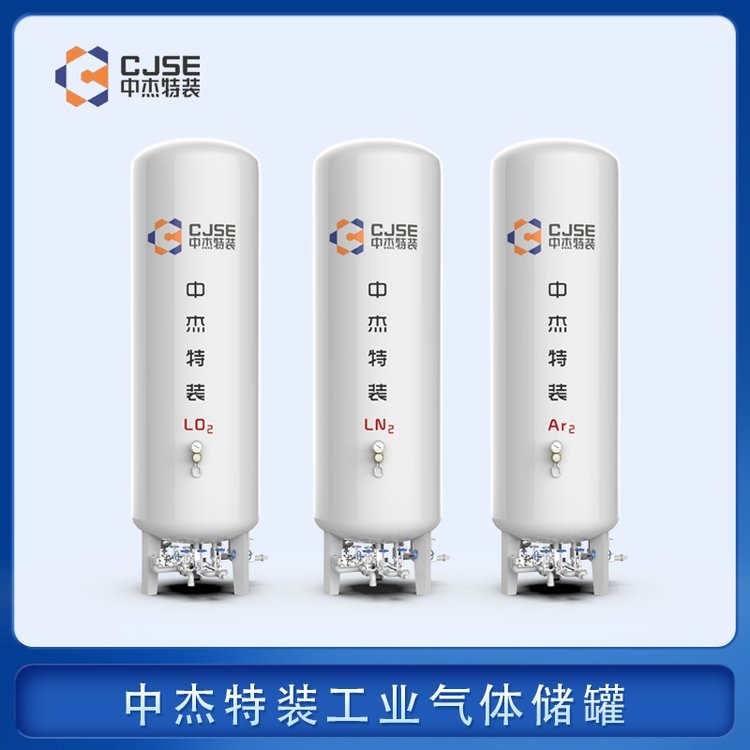
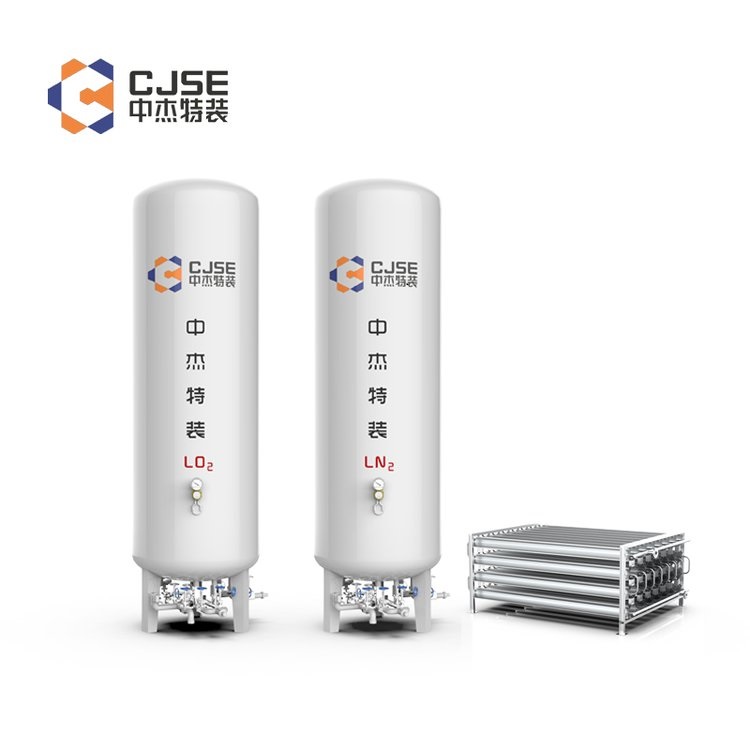


















Shandong Zhongjie Special Equipment (formerly Heze Boiler Factory Co., Ltd.) was established in 2001, located at No. 2218 Jinnan Road, Development Zone, Heze City. With a registered capital of 50 million yuan and total assets of 500 million yuan, the company has 7 business centers: boilers, deep-freeze containers, pressure vessels, central air conditioning, engineering installation, international trade, and the Internet of Things. It has three factory sites on Jinnan Road, East Changjiang Road, and Bohai Road, covering a total of 200,000 square meters, with the main workshop spanning 83,000 square meters. Currently, it employs 710 staff, including 247 engineers and technicians, and 82 intermediate-level technical personnel. In December 2016, it was recognized as a "High-Tech Enterprise" by the Science and Technology Department. In June 2021, it was identified as a "Specialized and New Enterprise in Shandong Province" by the Ministry of Industry and Information Technology. In June 2022, it was recognized as a "Gazelle Enterprise in Shandong Province" and in August 2022, as a "Specialized and New Small Giant Enterprise" by the Ministry of Industry and Information Technology.
The filling process for carbon dioxide storage tanks typically includes the following steps:
Preparation: Ensure the tank and filling equipment are in good working condition. Check the tank's appearance and valves for any damage or leaks. Inspect the filling equipment's connecting pipes and valves for loose or leaking connections.
Prepare liquid carbon dioxide: Extract liquid carbon dioxide from the supply source and transfer it to the tank of the filling equipment. Ensure the quality and purity of the liquid carbon dioxide meet the required standards.
Connect filling equipment: Attach the outlet pipes of the filling equipment to the tank's inlet valve. Make sure the connections are secure and there are no leaks.
Open valves: Activate the corresponding valves on the filling equipment and tank to allow liquid carbon dioxide to flow from the filling equipment into the tank. Adjust the valves as needed to control the filling speed and pressure.
Monitor liquid level: Use a liquid level sensor or other level measurement device to monitor the liquid carbon dioxide level in the tank in real-time. Ensure the level is within a safe range and avoid overfilling.
Fill complete: Once the liquid level in the tank reaches the predetermined filling amount, close the corresponding valves on the filling equipment and tank, and stop the filling of liquid carbon dioxide.
Inspection and cleaning: Check the valves and pipe connections during the filling process for leaks. Clean up any remaining liquid carbon dioxide around the filling equipment and tank.
Documentation and reporting: Record relevant information about the filling process, including the filling date, amount, and level monitoring results. Submit filling reports to relevant departments or management as required.
The above is a general procedure for filling carbon dioxide storage tanks. Specific operations should be conducted according to the characteristics and requirements of the tank. When performing filling operations, follow relevant safety operating procedures and have trained professionals handle the process.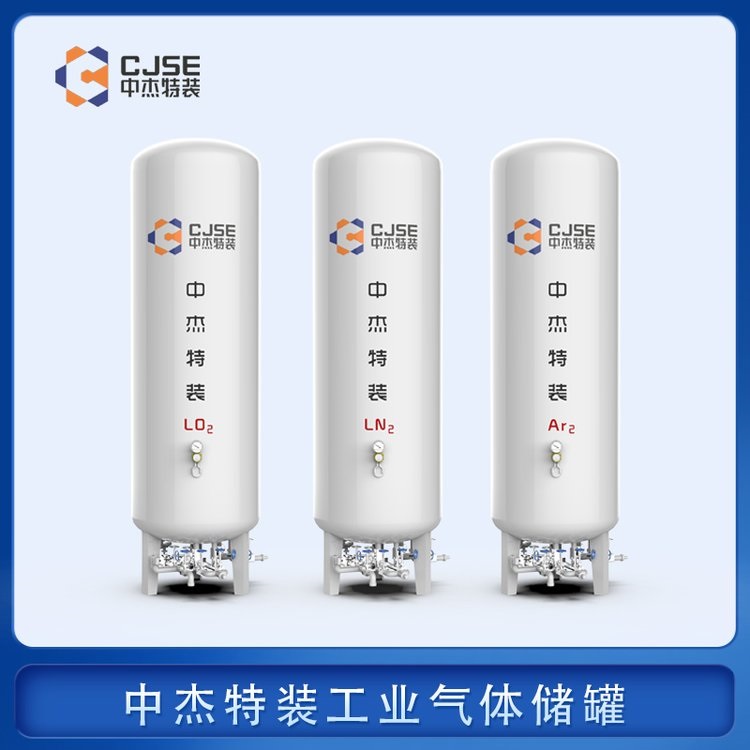
以下是一些常见的二氧化碳储罐管理守则: 安全管理:建立完善的安全管理制度,包括安全操作规程、应急预案和事故处理程序等。确保操作人员具备必要的安全知识和技能,并定期进行安全培训和演练。 储罐检查和维护:定期检查储罐的外观、阀门、连接件等,确保其完好无损。定期进行泄漏检测和压力测试,确保储罐的安全性能符合要求。 液位监测和控制:定期监测储罐内的液位,确保储罐内的二氧化碳充足。根据需要进行充填或放空操作,维持适当的液位。 废气处理:处理二氧化碳储罐产生的废气,避免对环境造成污染。采取适当的废气处理措施,如收集和处理废气。 防火防爆措施:采取防火防爆措施,确保储罐周围的环境安全。远离火源、高温区域和易燃物质,定期检查和维护防火设施。 标识和警示:储罐应明确标识,包括储存的气体类型、压力等信息。周围应设置警示标志,提醒人员注意储罐的存在和相关安全注意事项。 储存记录:记录储罐的使用情况,包括充填日期、充填量、检查记录等。定期进行储罐的检测和维护,并保留相关记录。 定期审查和改进:定期审查储罐管理制度和操作流程,及时发现问题并进行改进。根据实际情况进行风险评估和管理,提高管理水平和安全性能。 需要注意的是,具体的管理守则可能会因不同的储罐类型和应用而有所不同。在管理二氧化碳储罐时,应根据相关的规范和标准进行操作,并咨询人士以确保安全和有效性。
Design requirements for carbon dioxide storage tanks typically include the following aspects:
Pressure Vessel Design: Carbon dioxide storage tanks are usually designed as high-pressure vessels capable of withstanding high pressure. The design must comply with relevant standards and regulations, such as Standard GB150 "Steel Pressure Vessels."
Material Selection: The choice of materials for the tank should consider the properties of carbon dioxide, such as high pressure, high oxidizability, and corrosiveness. Common materials include carbon steel and stainless steel, selected based on specific operating conditions and requirements.
Safety Valves and Pressure Control: The tank should be equipped with safety valves and pressure control devices to ensure the internal pressure of the tank remains within a safe range. Safety valves should be selected according to design requirements and should be checked and tested regularly to ensure proper operation.
Insulation Performance: Since carbon dioxide needs to be maintained in a liquid state at low temperatures, the tank should have good insulation properties to prevent excessive evaporation of liquid carbon dioxide and energy loss. The selection and design of insulation materials and layers should consider operating temperatures and environmental conditions.
Leak Detection and Alarm: The tank should be equipped with leak detection devices and alarm systems, along with corresponding monitoring equipment. These devices can detect leaks in a timely manner and trigger alarms, allowing for appropriate measures to be taken.
Structural Strength and Stability: The structural design of the tank should have sufficient strength and stability to withstand internal pressure and external loads. The structural design must comply with relevant standards and regulations, such as Standard GB12337 "Pressure Vessel Design Specifications."
Safe Operation and Maintenance: The design of the tank should take into account the ease of safe operation and maintenance, such as the placement of manholes, access ports, and drain points.
二氧化碳储罐的检验频率应根据当地的法规、标准和制造商的建议来确定。一般来说,以下几个因素会影响二氧化碳储罐的检验频率: 法规和标准要求:不同和地区可能有不同的法规和标准,规定了储罐的检验要求和频率。例如,美国的DOT标准要求液化气体储罐每5年进行一次外部检验和每10年进行一次内部检验。 制造商建议:储罐的制造商通常会提供关于检验频率的建议。这些建议基于储罐的设计、材料和使用寿命等因素,可以作为制定检验计划的参考。 使用环境和条件:储罐的使用环境和条件也会影响检验频率。例如,如果储罐暴露在腐蚀性环境中或经常受到机械应力,可能需要更频繁的检验。 一般来说,液化气体储罐的外部检验通常是通过目视检查、超声波检测、磁粉检测等方法进行的,以评估储罐的外部状况和可能存在的缺陷。内部检验可能需要排空储罐,并通过内部检查、厚度测量、焊缝检测等方法来评估储罐的内部状况。 重要的是,储罐的检验应由经过培训和有经验的人员进行,并严格按照相关的法规、标准和制造商的建议进行。定期的检验和维护可以确保储罐的安全性和可靠性,减少事故的风险。
Shandong Zhongjie Special Equipment, welcome customers to our factory for business discussions.
WeChat Official Account

Scan to follow Official Account



















