


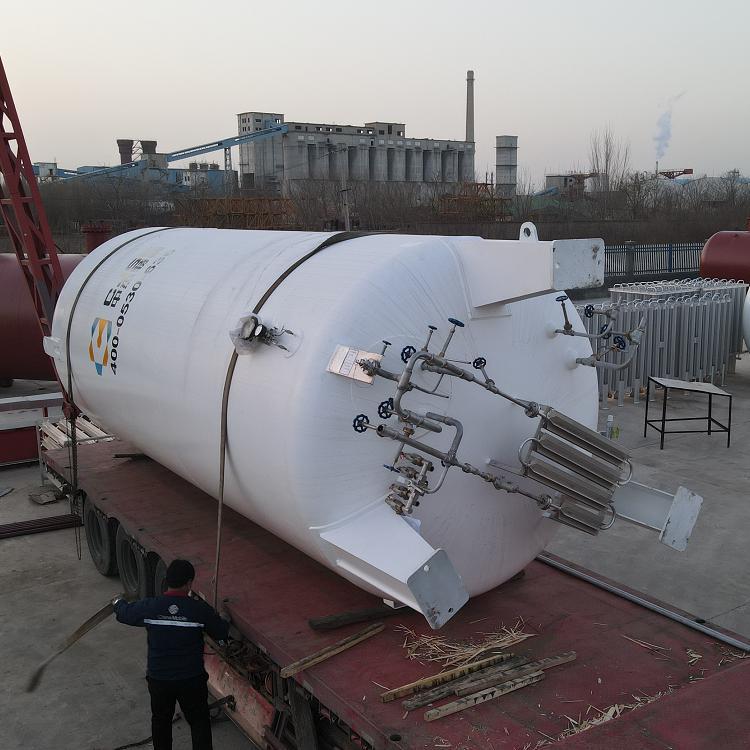

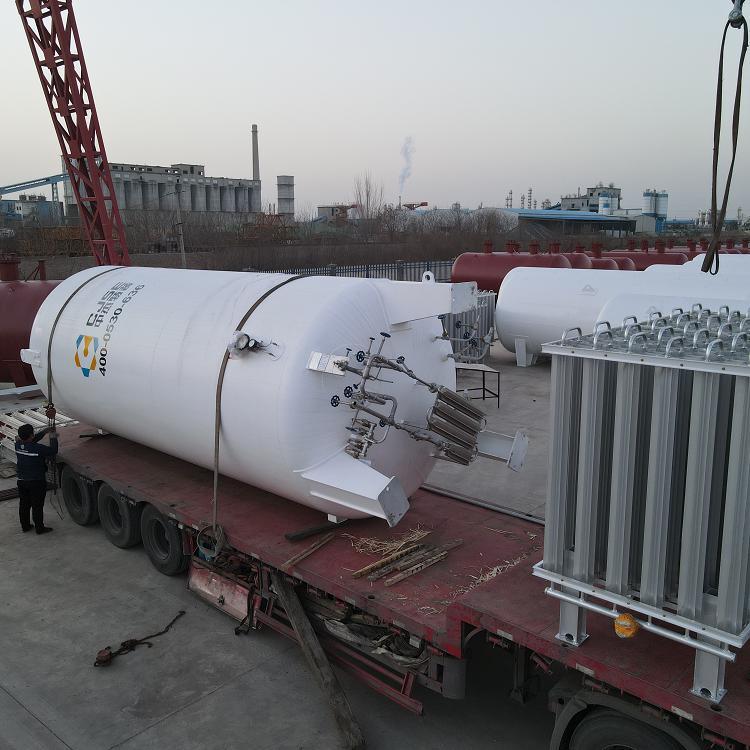
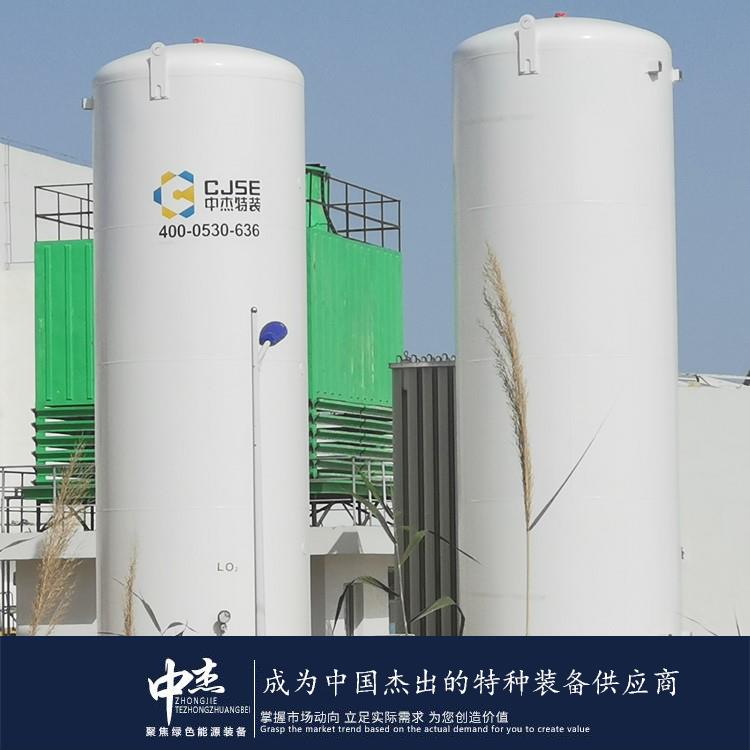


















Shandong Zhongjie Special Equipment Co., Ltd. specializes in the following products: fuel (gas) boilers, organic heat carrier boilers, biomass boilers, waste heat recovery boilers, and other boiler products; vacuum insulation cryogenic pressure vessels such as LNG storage tanks, oxygen/nitrogen/argon storage tanks, CO2 storage tanks; pressure vessel products including denitrification engineering equipment, heat storage and energy storage equipment, complete chemical equipment sets; central air conditioning and HVAC equipment such as ground (water) source heat pumps, air source units, water-cooled screw units, and air-cooled modular units. Planned products include large-scale energy centers, LNG transport vehicles, LNG tank containers, and other green energy equipment.
When applying paint to carbon dioxide storage tanks, attention should be given to the following issues: Surface Preparation: Prior to painting, thorough preparation of the tank surface is essential. This involves cleaning the surface, removing grease, dirt, and old coatings to ensure the paint adheres properly and maintains quality. Paint Selection: Choosing the right paint for carbon dioxide storage tanks is crucial. The paint should be corrosion-resistant, heat-resistant, and chemical-resistant to protect the tank surface from corrosion and damage. Painting Technique: The selection and operation of painting techniques are vital for the quality and evenness of the coating. Appropriate painting equipment and methods should be chosen to ensure the paint covers the entire tank surface evenly, avoiding drips and runs. Coating Thickness: The thickness of the coating is critical for the tank's protection. The thickness should be controlled according to the paint requirements and the tank's operating environment to ensure the coating's protective performance and lifespan. Drying and Curing: After the coating is applied, sufficient time must be allowed for drying and curing. Follow the correct drying time and conditions as per the paint requirements to ensure the coating's quality and performance. Safety Measures: Appropriate safety measures must be taken during the painting process, including wearing protective eyewear, respirators, and protective clothing to ensure the safety of the operators. Quality Inspection: After painting is completed, a quality inspection should be conducted, including the appearance, adhesion, and thickness of the coating. Any issues or defects should be addressed and repaired promptly. It should be noted that painting carbon dioxide storage tanks should be performed by professionals.
Changjie Special Equipment is a company engaged in the manufacturing of low-temperature liquid storage tanks. They offer design, manufacturing, and installation services for low-temperature liquid carbon dioxide storage tanks. Here is an introduction to the low-temperature liquid carbon dioxide storage tanks produced by Changjie Special Equipment:
Tank Type: The low-temperature liquid carbon dioxide storage tanks produced by Changjie Special Equipment are typically designed in either vertical or horizontal configurations, chosen based on customer requirements and site conditions.
Material: The tanks are primarily made from low-temperature steel, which boasts excellent corrosion and low-temperature resistance.
Insulation: The tanks are internally insulated to minimize heat transfer and liquid evaporation. The insulation usually consists of a multi-layer structure, including thermal insulation material and an external protective layer.
Safety Valves and Pressure Relief Devices: The tanks are equipped with safety valves and pressure relief devices to control internal tank pressure, prevent overpressure, and avoid explosions.
Level Gauges: The tanks are fitted with level gauges to monitor the liquid level within the tank, ensuring controlled and managed liquid storage.
Safety Measures: Changjie Special Equipment's low-temperature liquid carbon dioxide storage tanks comply with relevant safety regulations and standards and implement various safety measures, such as fire and explosion prevention, leak detection, and alarm systems.
Customized Design: Based on customer needs and application scenarios, Changjie Special Equipment can provide customized design and manufacturing services to meet the specific requirements of different customers.
To maintain the stability of CO2 storage tanks, attention should be given to the following details:
- Foundation Design: The tank's foundation design must comply with relevant standards and regulations, ensuring adequate strength and stability. The foundation should consider the tank's weight, pressure, and geological conditions to ensure the tank is securely placed on the foundation.
- Lining and Fixing Devices: Place appropriate linings, such as rubber pads or steel plates, between the tank and the foundation to reduce friction and vibration. Simultaneously, use fixing devices like bolts or welding to secure the tank to the foundation, preventing movement and tilting.
- Site Leveling: The installation site must be level, without any significant tilting or unevenness. If there are tilting or uneven areas, adjustments and corrections should be made to ensure the tank's stability.
- Seismic Measures: In areas prone to earthquakes, additional seismic measures are required, such as setting up seismic supports and enhancing the tank's seismic resistance to improve stability.
- Regular Inspections: Conduct regular checks on the tank's fixing devices and connection points to ensure they are intact. Any loosening, wear, or damage should be repaired or replaced promptly.
- Load Distribution: Place uniformly distributed loads above the tank, such as platforms or pipelines, to balance the weight distribution and reduce the impact of uneven loads on stability.
- Safety Distance: The tank should maintain a sufficient safety distance from other equipment, buildings, and fire sources to prevent accidental collisions or fires from affecting the tank's stability.
It is important to note that the installation of CO2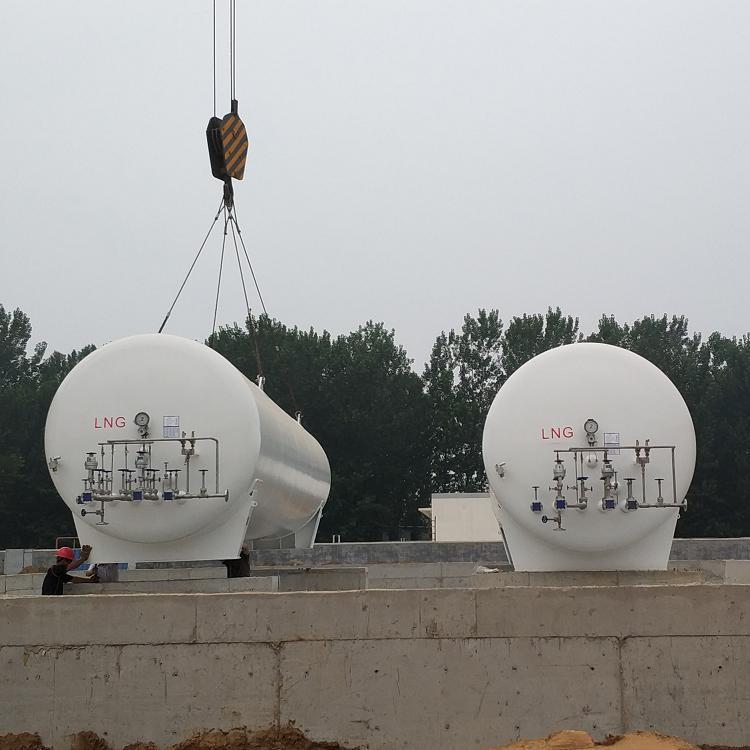
Carbon dioxide recovery is a technology aimed at capturing carbon dioxide from industrial emission sources or the atmosphere and storing or utilizing it to reduce carbon dioxide emissions. Below are some common carbon dioxide recovery techniques:
1. Coal-fired power plant carbon dioxide recovery: In coal-fired power plants, the carbon dioxide produced by burning coal can be captured and recovered. Common methods include carbon capture technologies, which separate carbon dioxide from flue gas and store or utilize it.
2. Industrial emission source carbon dioxide recovery: Many industrial processes produce carbon dioxide that can be treated with capture and recovery techniques. For example, carbon dioxide produced during the production processes in industries such as steel, cement, and chemicals can be recovered to reduce emissions.
3. Atmospheric carbon dioxide capture: Carbon dioxide in the atmosphere can also be recovered using direct air capture technologies. This technology uses absorbents or chemical reactions to capture and separate carbon dioxide from the atmosphere, then store or utilize it.
4. Carbon dioxide utilization: Captured carbon dioxide can be used to produce valuable chemicals and fuels. For instance, through carbon dioxide catalytic conversion technology, carbon dioxide can be converted into fuels or chemicals such as ethanol.
The development of carbon dioxide recovery technologies aims to reduce greenhouse gas emissions and mitigate climate change. However, these technologies are still in continuous development and research, requiring further technological breakthroughs and practical verification for large-scale application.
Shandong Zhongjie Special Equipment, welcome customers to our factory for business discussions.
WeChat Official Account

Scan to follow Official Account



















