


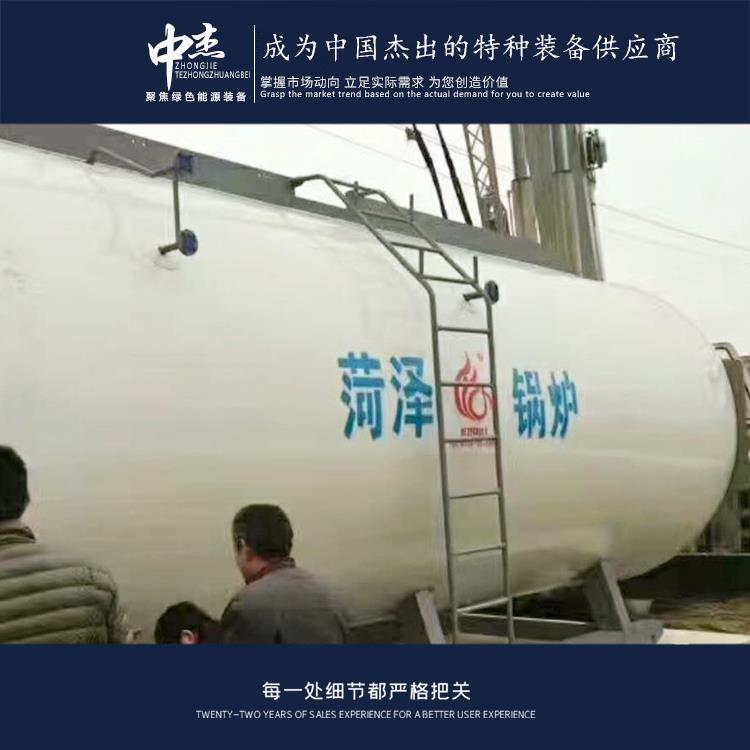

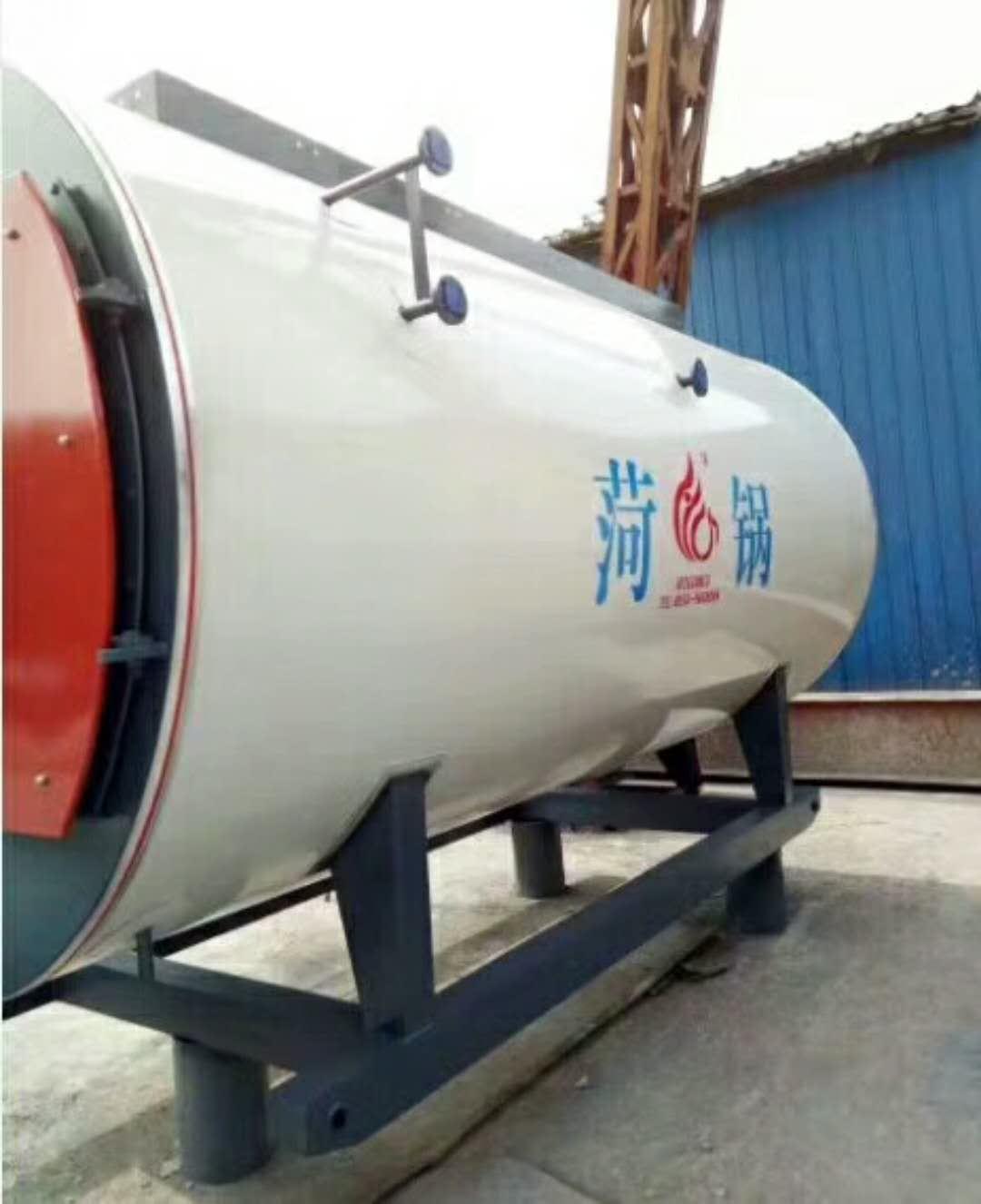
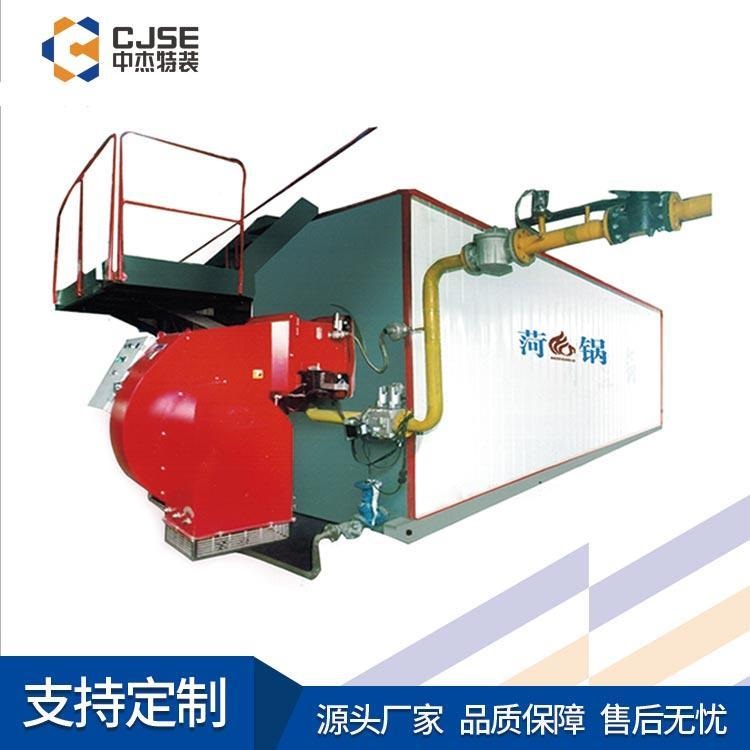


















Shandong Zhongjie Special Equipment (formerly Heze Boiler Factory Co., Ltd.) holds an A-grade boiler manufacturing license, A2-grade pressure vessel manufacturing license, A2-grade pressure vessel design license, B-grade boiler installation license, GB2 and GC2 class pressure pipeline installation licenses, and equipment and electrical installation contracting qualifications. It is a member of the China Boiler and Water Treatment Association, the China Chemical Equipment Association, and the council member of the Shandong Equipment Manufacturing Association. The company has also passed the ISO9001 Quality Management System, ISO14001 Environmental Management System, OHSAS18001 Occupational Health and Safety Management System certifications, and the American ASME/U2 certification.
Common faults of gas boiler burners and their solutions are as follows:
- No flame or unstable flame: Check if the gas supply is normal and ensure the gas valve is open. Clean the burner nozzle to ensure the passage is clear. Inspect the ignition electrode for cleanliness, carbon buildup, or dirt. Adjust the gas-to-air ratio to ensure the proper mixture.
- Incomplete combustion or black smoke: Check if the gas supply is sufficient and adjust the gas pressure. Clean the burner nozzle and combustion chamber to ensure the passage is clear. Adjust the gas-to-air ratio to ensure the proper mixture. Check for carbon buildup or dirt in the burner and clean or replace damaged parts.
- Difficulty in点火 or点火 failure: Inspect the ignition electrode for cleanliness, carbon buildup, or dirt. Adjust the position and gap of the ignition electrode to ensure normal spark generation. Check if the ignition transformer or controller is functioning properly, and repair or replace damaged parts.
- Abnormal noise from the burner: Check if the gas supply is normal and ensure the gas valve is open. Inspect the burner and combustion chamber for loose parts and tighten or replace damaged parts. Clean the burner and combustion chamber to ensure no carbon buildup or dirt.
- If the above methods do not resolve the issue, it is recommended to contact a gas boiler repair technician for inspection and maintenance. Also, to ensure safety, follow the relevant safety operation procedures when using a gas boiler.
To ensure safe operation of industrial boilers, attention should be given to the following aspects:
- Comply with laws and regulations: Understand and adhere to relevant laws, regulations, and standards, including boiler safety management laws and standards for boiler operation and maintenance. Ensure compliance with legal requirements throughout the operation process.
- Establish and improve management systems: Set up comprehensive industrial boiler safety management systems, define responsibilities and authorities, standardize operational procedures and safety measures. Develop operational protocols and emergency response plans to ensure orderly progress in safety management.
- Training and education: Provide training and education for personnel involved in industrial boiler safety operations to enhance their safety awareness and skill levels. This includes operators, maintenance staff, and management personnel, all of whom should receive appropriate training.
- Regular inspections and maintenance: Conduct regular inspections and maintenance on industrial boilers to ensure proper equipment operation and safety performance. This includes checking and maintaining key components such as the combustion system, water level control, safety valves, and pressure gauges.
- Safety equipment and facilities: Equip necessary safety equipment and facilities, such as safety valves, pressure gauges, water level indicators, and burners. Ensure the normal operation and effectiveness of these facilities.
- Regular inspections and assessments: Conduct regular inspections and assessments of industrial boilers to ensure compliance with safety requirements. This includes regular pressure tests, water quality inspections, and combustion efficiency evaluations.
- Safety records and document management: Establish a comprehensive safety record and document management system to document the operation of industrial boilers, maintenance records, and accident reports. Update and preserve relevant safety information promptly.
- Regular drills and emergency response plans: Organize regular safety drills and emergency response training to enhance the ability to respond to emergencies and improve efficiency in emergency handling.
These are some basic points for ensuring safe operation of industrial boilers. Specific operations should be carried out according to actual conditions and related requirements.
Steam boiler equipment water treatment refers to the process of treating water in steam boilers to ensure normal operation and extend the lifespan of the equipment. Below are the basic principles of steam boiler equipment water treatment:
Water Quality Requirements: The water quality in steam boilers is of high requirement, usually necessitating the removal of impurities, dissolved oxygen, and hardness substances. Impurities and hardness substances can lead to scaling and corrosion on the interior walls of the boiler, while dissolved oxygen can cause corrosion and the formation of bubbles.
Removal of Impurities: Common methods for removing water impurities include sedimentation, filtration, and ion exchange. Sedimentation involves adding chemicals to make impurities settle, filtration removes impurities through filtering media, and ion exchange uses resins to adsorb and exchange ions to remove impurities from the water.
Adjusting Hardness: The hardness substances in water are mainly salts of calcium and magnesium, which can cause scaling on the interior walls of the boiler. Hardness can be adjusted by adding chemicals or using water softening equipment to prevent scaling issues.
Removing Dissolved Oxygen: Dissolved oxygen can cause corrosion and the formation of bubbles. It can be removed by adding oxidizing agents or using deaeration equipment.
Controlling pH Level: The pH level of water in steam boilers affects equipment corrosion and scaling. It is usually necessary to control the pH level within an appropriate range, using buffering agents or regulators to adjust the pH level.
Regular Testing and Maintenance: Regular water quality testing of the steam boiler equipment, including measuring hardness, dissolved oxygen, and pH levels, should be conducted. Appropriate water treatment measures and maintenance should be implemented based on the test results.
Steam boiler equipment water treatment is a crucial aspect for ensuring normal boiler operation and extending equipment lifespan. Rational water treatment measures can effectively prevent scaling, corrosion, and malfunctions on the interior walls of the boiler.
During the operation of a thermal oil furnace, several important matters should be noted:
- Temperature Control: During the operation of the thermal oil furnace, it is crucial to closely monitor and control the temperature of the thermal oil. Ensure the temperature remains within a safe range, avoiding excessively high temperatures that can cause oil decomposition or excessively low temperatures that lead to condensation and scaling. Regularly check and calibrate temperature sensors to ensure the accuracy of temperature readings.
- Pressure Control: During the operation of the thermal oil furnace, maintaining an appropriate working pressure is essential. Excessive pressure can lead to equipment damage or leaks, while insufficient pressure can result in reduced heat transfer efficiency. Regularly inspect and maintain pressure gauges and safety valves to ensure the accuracy and safety of pressure control.
- Oil Quality and Cleanliness: The quality and cleanliness of the thermal oil are critical for the normal operation of the furnace. Regularly inspect and replace thermal oil to ensure its quality and performance meet requirements. Regularly clean and maintain heat exchangers, burners, and flues to prevent the accumulation of dust and debris, which can affect heat transfer efficiency.
- Regular Maintenance and Inspection: Thermal oil furnaces require regular maintenance and inspections to ensure proper operation and extend their service life. Regularly inspect and clean burners, flues, heat exchangers, and check and replace seals and valves. Inspect and calibrate safety devices to ensure the equipment's safety and reliability.
- Safe Operation: Strict adherence to operating procedures and safety protocols is necessary during the operation of the thermal oil furnace. Operators must possess the relevant skills and knowledge.
Shandong Zhongjie Special Equipment, welcome customers to visit our factory for business discussions.
WeChat Official Account

Scan to follow Official Account



















