


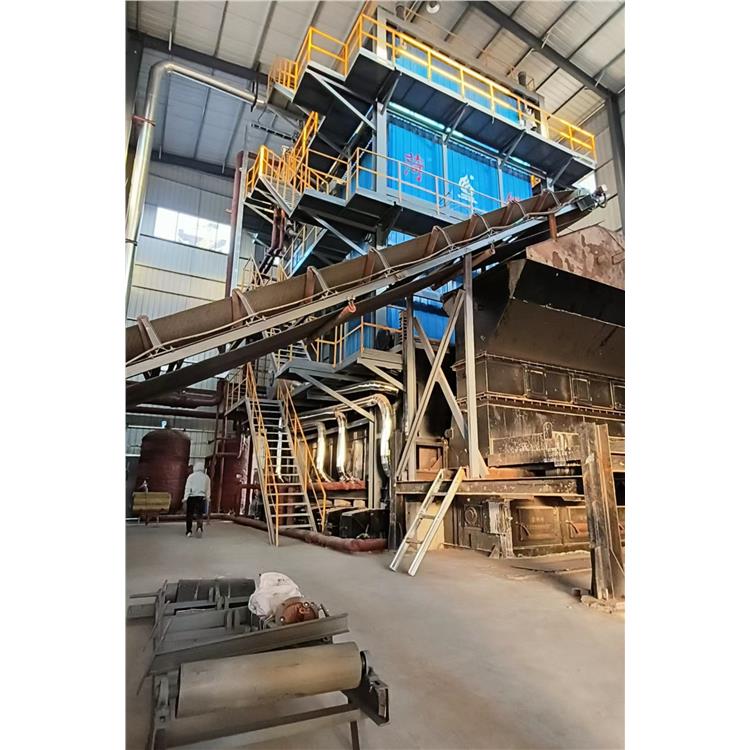

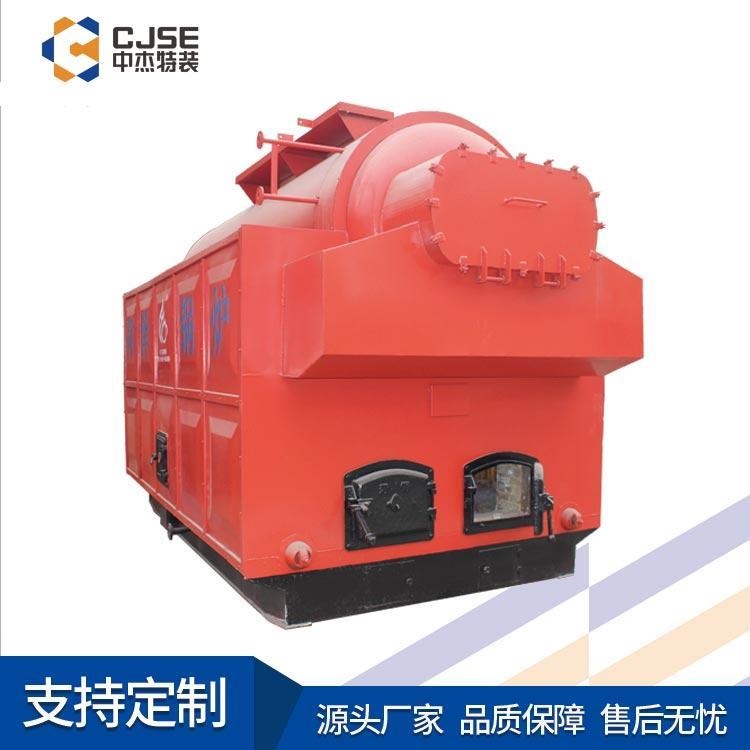
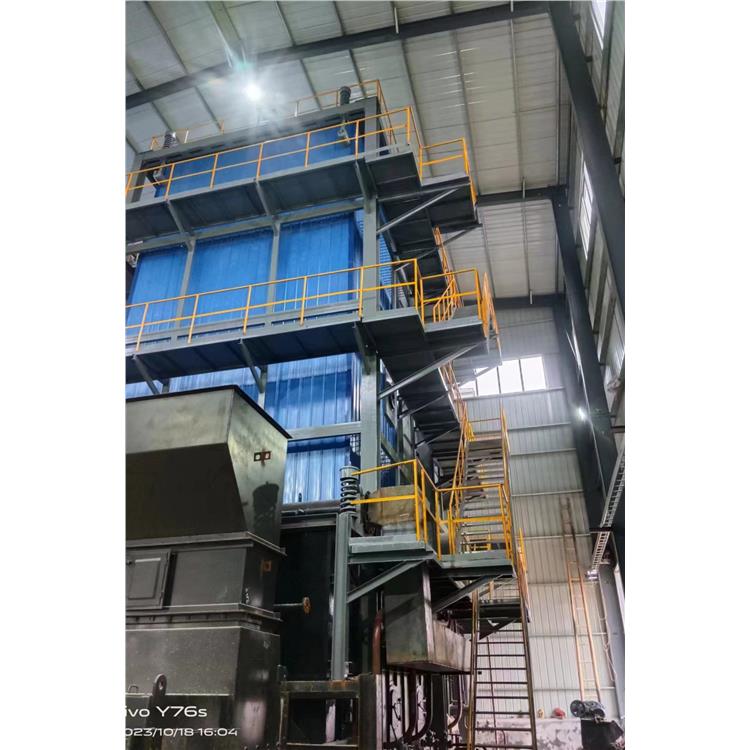


















Shandong Zhongjie Special Equipment Co., Ltd. specializes in: fuel (gas) boilers, organic heat carrier boilers, biomass boilers, waste heat recovery boilers, and other boiler products; vacuum insulation deep-chilled pressure vessels such as LNG storage tanks, oxygen-nitrogenargon storage tanks, and CO2 storage tanks; pressure vessel products including denitration engineering equipment, heat storage and energy storage equipment, and complete chemical equipment; central air conditioning and HVAC equipment such as ground (water) source heat pumps, air source units, water-cooled screw units, and air-cooled modular units. Planned products include large-scale thermal energy centers, LNG transport vehicles, and LNG tank containers, among other green energy equipment.
The emission characteristics of biomass fuel boiler flue gases mainly include the following aspects:
Particulate Emissions: During the combustion process of biomass fuel boilers, particulates are produced, including visible dust and fine particles. The amount of particulate emissions is related to fuel characteristics, combustion temperature, and combustion equipment factors. Generally, the particulate emissions of biomass fuel boilers are lower than those of coal boilers, but they still require treatment through dust removal equipment.
(SO2) Emissions: The content of SO2 in biomass fuel is low, so the SO2 emissions from biomass fuel boilers are generally low. However, in certain cases, such as using waste as fuel, SO2 emissions may increase. Measures such as combustion control and desulfurization devices can be adopted to control SO2 emissions.
Nitrogen Oxides (NOx) Emissions: The NOx emissions of biomass fuel boilers are related to fuel characteristics, combustion temperature, and combustion equipment factors. Biomass fuel contains a higher nitrogen content, which generates a certain amount of NOx during combustion. To control NOx emissions, measures such as low-NOx combustion technology, combustion control, and denitrification devices can be adopted.
(CO) Emissions: Carbon monoxide (CO) emissions from biomass fuel boilers are typically low due to the relatively complete combustion process of biomass fuel. However, in cases of incomplete combustion or unstable burning, CO emissions may increase. To control CO emissions, it is necessary to ensure a sufficient and stable combustion process.
Volatile Organic Compounds (VOCs) Emissions: The VOCs emissions from biomass fuel boilers are related to the fuel characteristics and combustion conditions. Some biomass fuels contain volatile organic compounds.
Before using biomass boilers, the following measures can be taken:
Safety Inspection: Conduct safety checks on biomass boilers to ensure the proper operation of all components and equipment. Inspect the boiler's burners, valves, sensors, etc., for any signs of damage, leaks, or malfunctions.
Clean Combustion Chamber: Clean the combustion chamber of a biomass boiler, removing ash and soot generated during the combustion process. Use appropriate tools and cleaning agents to ensure the chamber remains clear and clean.
Inspect Fuel Supply System: Check the biomass boiler's fuel supply system to ensure the supply pipes are clear and unobstructed, and the fuel storage containers are adequately filled with fuel. Additionally, inspect the fuel quality to confirm it meets requirements and is free of impurities or moisture.
Inspect Water Quality: Check the boiler's water supply to ensure it meets the required standards. Water quality tests can be conducted to measure hardness, pH levels, and other indicators. Take appropriate water treatment measures based on the test results.
Ensure good ventilation: Biomass boilers produce flue gas during combustion, so it's crucial to have proper ventilation around the boiler to exhaust smoke and heat. You can install ventilation equipment or ensure the room where the boiler is located has adequate ventilation openings.
Training and Operation Guidance: Provide training and operational guidance to personnel using biomass boilers, ensuring they are knowledgeable about the boiler's operation methods, safety precautions, and emergency response procedures.
These measures help ensure the safety and proper operation of biomass boilers before use, reducing the occurrence of malfunctions and accidents. Additionally, regular maintenance and upkeep are crucial for the long-term stable operation of biomass boilers.
Biomass boilers can be categorized according to different classification criteria. The following are some common classification methods:
By method of combustion classification:
Direct Combustion Boilers: Directly burn biomass fuel to generate heat energy.
Gasification Boiler: Converts biomass fuel into combustible gas, which is then burned.
Pyrolysis Boiler: Converts biomass fuel into combustible gas and solid charcoal through pyrolysis, which is then burned.
By fuel type:
Wood biomass boiler: Utilizes wood chips, wood shavings, cassava residue, and other wood-based fuels.
Crop biomass boiler: Utilizes crop residues such as straw, rice husk, and wheat straw as fuel.
Industrial waste biomass boiler: Utilizes industrial waste such as sawdust and pulp sludge as fuel.
Categorized by boiler type:
Water-tube biomass boiler: Heat is transferred through water pipes arranged within the combustion chamber.
Fire-tube biomass boiler: Heat is transferred through fire tubes arranged within the combustion chamber.
Hybrid biomass boiler: Combines the features of water-tube and fire-tube designs, featuring both water tubes and fire tubes.
By power scale classification:
Small biomass boilers: Power typically ranges from 1-10MW, suitable for small buildings and rural heating.
Medium-sized biomass boiler: Power typically ranges from 10 to 50 MW, suitable for medium-sized industrial factories and large buildings.
Large biomass boiler: Power over 50MW, suitable for large industrial plants and centralized heating.
These categorization methods merely provide a general overview of biomass boilers; in reality, there are more detailed classifications and combinations. Different types of biomass boilers may vary in application scenarios and technical characteristics.
To prevent and alleviate corrosion issues in biomass boilers, the following methods can be adopted:
Regular Cleaning and Maintenance: Regularly clean the boiler's interior to remove accumulated dust and dirt, maintaining the boiler's cleanliness. During the cleaning process, use appropriate cleaning agents and tools to remove interior dirt, preventing corrosion.
Regulate Water Quality: The quality of water in biomass boilers significantly affects corrosion. Regular testing and adjustment of the chemical composition of the boiler water are necessary to control parameters such as the pH level, hardness, and oxygen content within suitable ranges. Water treatment equipment, such as water softeners and deaerators, can be used to improve water quality.
Prevent Oxygen Corrosion: Oxygen corrosion is one of the common corrosion forms in biomass boilers. It can be mitigated by installing an oxygen scavenger in the boiler's water intake pipes to remove oxygen from the water, thereby reducing the occurrence of oxygen corrosion. Additionally, chemical measures such as corrosion inhibitors can also be employed to prevent oxygen corrosion.
Control the combustion process: High temperatures during combustion and acidic substances in the flue gas can also lead to corrosion. To control the combustion process, ensure that the combustion temperature and acidic substances in the flue gas are within the appropriate range. This can be achieved by adjusting the combustion air volume, fuel supply, and fuel distribution.
Prevent Local Corrosion: Certain areas of boilers, such as the furnace and flue, are prone to corrosion. Reinforcement or coating with corrosion-resistant materials can be applied to these areas to extend their service life.
Regular Inspections and Maintenance: Regularly inspect and maintain biomass boilers to promptly identify and address corrosion issues. You can entrust a maintenance personnel to carry out regular inspections and maintenance work.
Shandong Zhongjie Special Equipment, welcome customers to our factory for business discussions.
WeChat Official Account

Scan to follow Official Account



















