


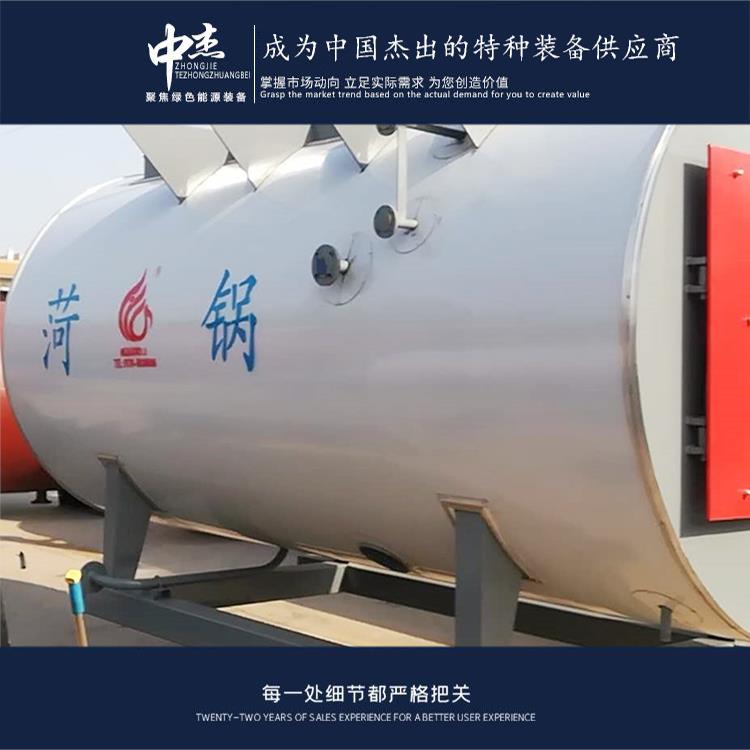

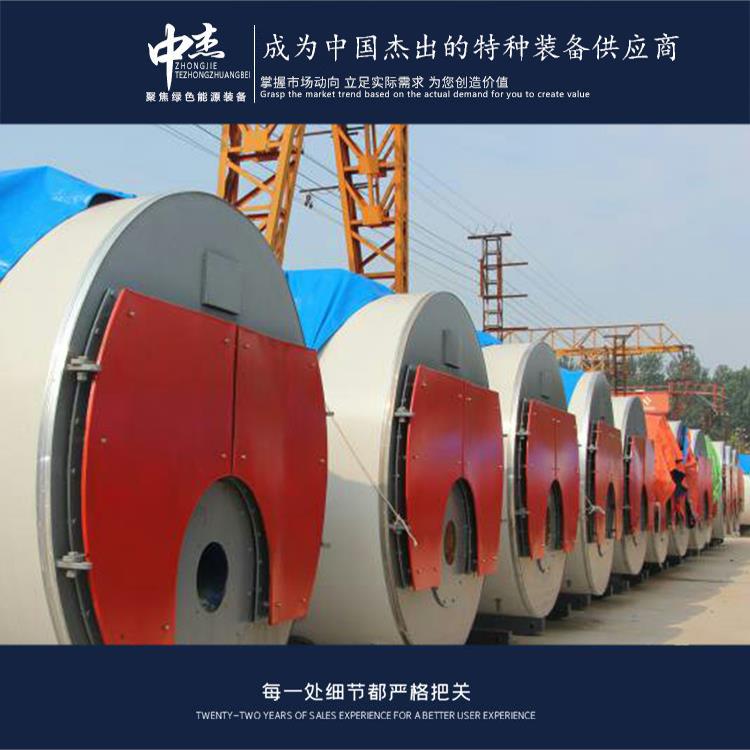
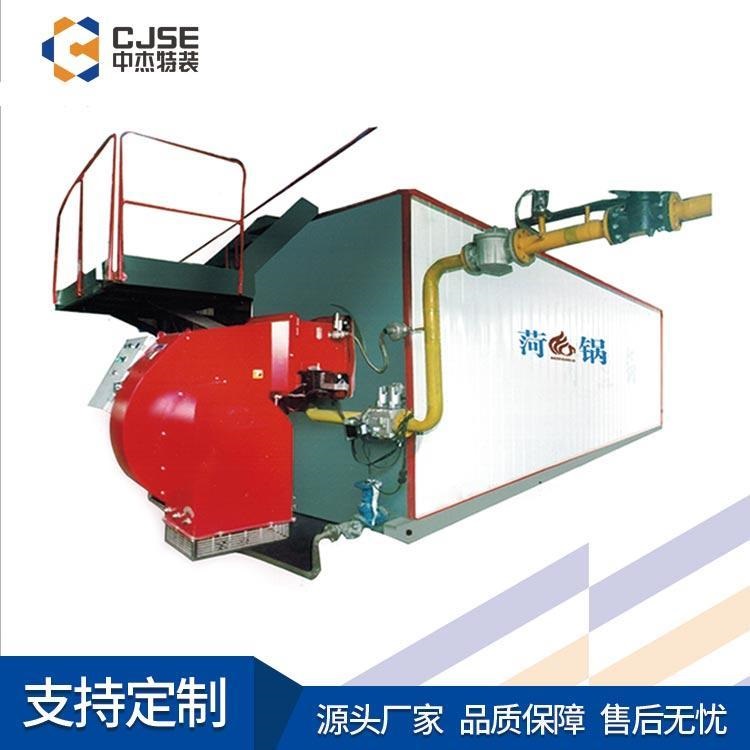


















Shandong Zhongjie Special Equipment Co., Ltd. specializes in the following products: fuel (gas) boilers, organic heat carrier boilers, biomass boilers, waste heat recovery boilers, and other boiler products; vacuum insulation deep-chilled pressure vessels such as LNG tanks, oxygen/nitrogen/argon tanks, CO2 tanks; pressure vessel products including denitrification engineering equipment, heat storage and energy storage equipment, and complete chemical equipment sets; central air conditioning and ventilation equipment such as ground (water) source heat pumps, air source units, water-cooled screw units, and air-cooled modular units. Planned products include large-scale energy centers, LNG transport vehicles, LNG tank containers, and other green energy equipment.
The purpose of deoxygenation in industrial boiler make-up water is to reduce oxygen corrosion and bubble formation within the boiler, ensuring the safety and proper operation of the boiler and piping system. The main methods of deoxygenation include:
1. Mechanical Deoxygenation: Removes oxygen from water using physical methods. Common mechanical deoxygenation equipment includes deaerators and degassers. Deaerators achieve this by atomizing water into a film, taking advantage of the difference in gas solubility to remove oxygen. Degassers, on the other hand, spray water into fine droplets, also utilizing the difference in gas solubility to remove oxygen.
2. Thermal Deoxygenation: Removes oxygen from water by heating the water body, taking advantage of the fact that oxygen solubility decreases with increasing temperature. Common thermal deoxygenation equipment includes deaerator pots and deaerators. Deaerator pots heat water to saturation temperature, releasing oxygen from the water. Deaerators heat water to reduce oxygen solubility, thereby removing oxygen.
3. Chemical Deoxygenation: Removes oxygen from water by adding chemicals that react with the oxygen, eliminating it from the water. Common chemical deoxygenating agents include salts, reductants, etc. Chemical deoxygenation is often used in high-pressure boiler systems and can effectively remove oxygen from water.
The choice and method of deoxygenation depend on the specific boiler system and water quality. In practical applications, a combination of deoxygenation methods is often used to achieve the desired deoxygenation effect. The selection and operation of deoxygenation equipment should be assessed and adjusted based on the actual situation to ensure the safety and proper operation of the boiler system.
When selecting a suitable gas-fired steam boiler, consider the following factors:
- Steam Demand: First, determine your steam requirements, including steam pressure and evaporation rate. Choose a boiler with a rated evaporation capacity and steam pressure that align with your actual needs, ensuring the boiler can meet your production or heating requirements.
- Fuel Type: Gas-fired steam boilers use gas as fuel, with common types including natural gas, LPG, etc. Select a suitable fuel type based on available gas resources and cost considerations.
- Boiler Efficiency: Boiler efficiency directly impacts energy utilization and operating costs. Opt for a high-efficiency gas-fired steam boiler to reduce energy consumption and operating costs. Pay attention to the boiler's thermal and combustion efficiency.
- Boiler and Manufacturer Quality: Choose a gas-fired steam boiler from a reputable manufacturer to ensure product quality and reliability. Understand the manufacturer's production capacity, after-sales service, and technical support to select a reliable supplier.
- Safety and Environmental Protection: Pay attention to the safety and environmental performance of the boiler. Ensure the boiler has necessary safety protection devices and monitoring systems, as well as a combustion system that meets environmental standards to minimize environmental impact.
- Economic Viability: In addition to purchase costs, consider the operating and maintenance costs of the boiler. Consider the overall energy consumption of the boiler.
After the hot water boiler is shut down, here are some common maintenance measures:
1. Clean the boiler: After shutdown, the boiler should be cleaned first. Dust, dirt, and sediment inside the boiler can be washed with appropriate cleaning tools and detergents. Pay special attention to cleaning the combustion chamber, flue, and heat exchanger, among other critical areas.
2. Drain the water: Empty the water from the boiler to prevent the accumulation of scale and corrosive substances. Open the drain valve to release the water until the interior of the boiler is completely drained.
3. Corrosion prevention: Before shutdown, apply corrosion prevention to the interior metal materials of the boiler to prevent corrosion. Use suitable corrosion inhibitors or coatings and apply them to the key areas of the boiler.
4. Inspection and maintenance: During shutdown, regularly inspect the various components and connections of the boiler to ensure there are no loose, damaged, or leaking issues. If problems are found, repair or replace them promptly.
5. Keep dry: After shutdown, maintain the dryness of the boiler interior. Open the ventilation and exhaust ports of the boiler to maintain air circulation, preventing moisture and mold growth.
6. Regular inspection: Regularly check the condition of the boiler to ensure there are no abnormalities. Develop a corresponding inspection plan based on the boiler's usage and requirements, such as a comprehensive check every quarter or year.
7. Preparations before startup: Before restarting the boiler, prepare accordingly. This includes cleaning the boiler, checking the connections of equipment and pipelines, and inspecting the fuel supply.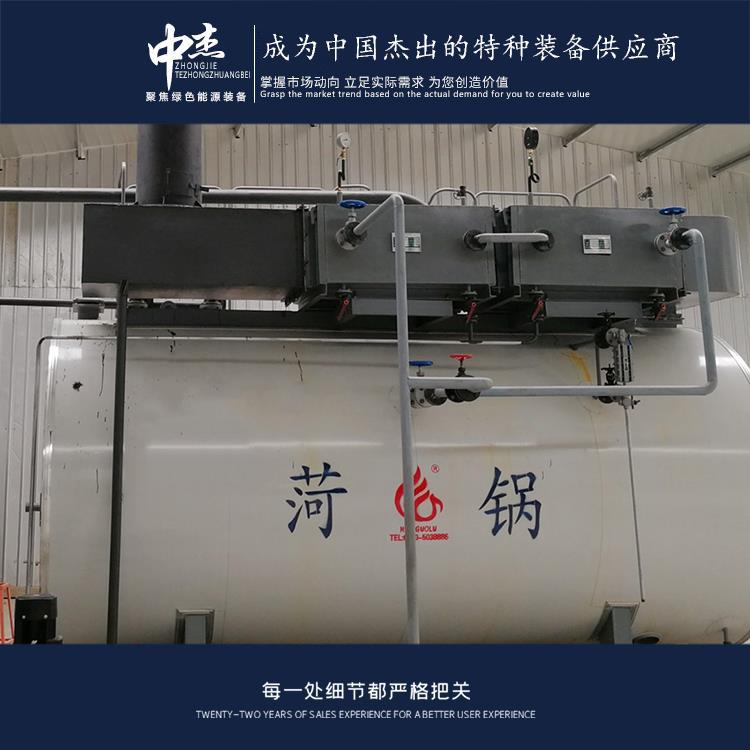
Based on the information provided, I cannot accurately determine the heating area for a 40-ton gas-fired hot water boiler or the gas pressure for an atmospheric pressure gas boiler. The determination of these parameters requires considering multiple factors, including the boiler's design specifications, the type and quality of the gas, and the heating system requirements. The heating area is typically calculated based on the size of the building or industrial production facility that requires heating and the heat load. Common calculation methods include determining the heat load based on the building's floor area, the climate conditions of the region, and the required indoor temperature. The gas pressure depends on the type of gas and the design of the gas supply system. Different types of gas (such as natural gas, etc.) have different pressure requirements for supply. The gas pressure also needs to consider factors such as the distance of the gas pipeline, pipeline diameter, and pipeline material. Therefore, to accurately determine the heating area for the 40-ton gas-fired hot water boiler and the gas pressure for the atmospheric pressure gas boiler, it is recommended to consult the boiler manufacturer or engineer, who can calculate and design based on the specific situation.
ZJ Special Equipment adheres to the grand vision of "realizing employees' dreams, creating customer value, and striving for the prosperity and strength of our motherland," and is dedicated to the development of the green energy equipment industry. We commit to society with high-quality products and services at competitive prices!
WeChat Official Account

Scan to follow Official Account



















