


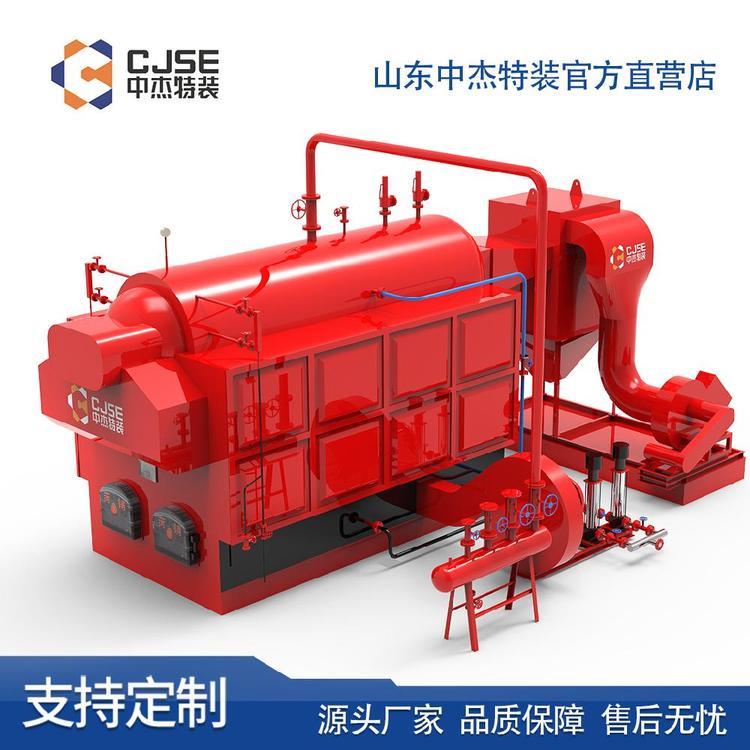

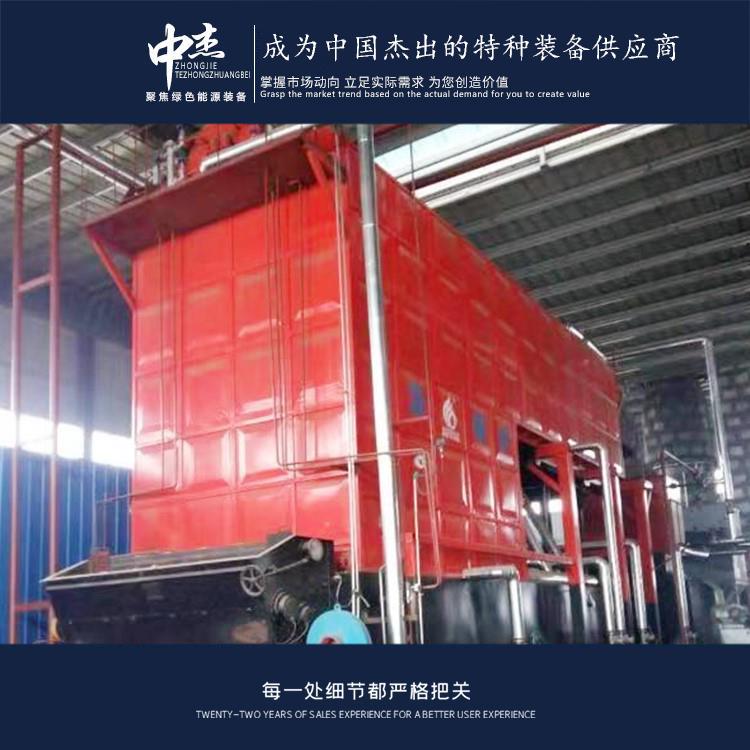
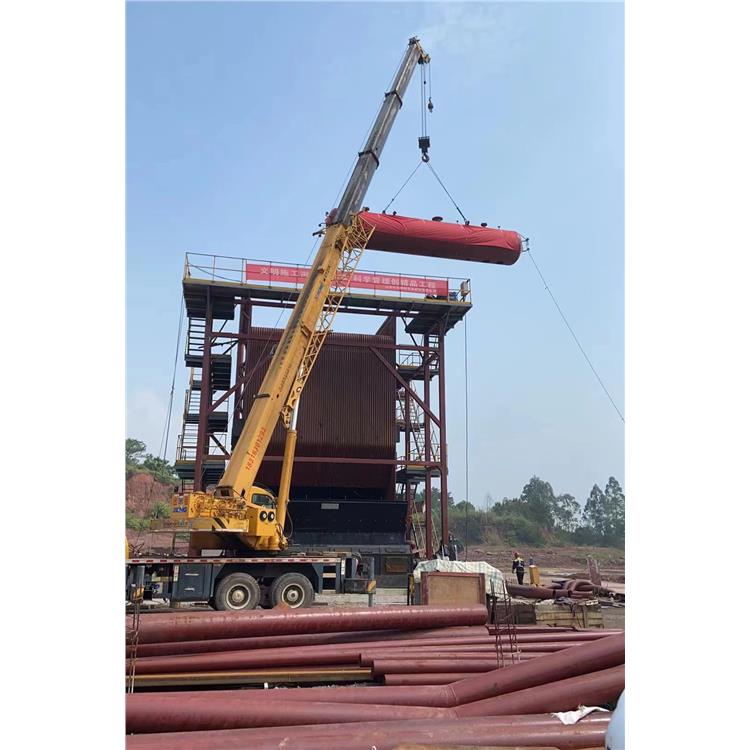


















Shandong Zhongjie Special Equipment Co., Ltd. specializes in the following products: fuel (gas) boilers, organic heat carrier boilers, biomass boilers, waste heat recovery boilers, and other boiler products; vacuum insulation deep-freeze pressure vessels such as LNG storage tanks, oxygen-nitrogenargon storage tanks, and CO2 storage tanks; pressure vessel products including denitrification engineering equipment, heat storage and energy storage equipment, and complete chemical equipment sets; central air conditioning and HVAC equipment such as ground (water) source heat pumps, air source units, water-cooled screw units, and air-cooled modular units. Planned products include large-scale energy centers, LNG transport vehicles, LNG tank containers, and other green energy equipment.
Preventing malfunctions is crucial for maintaining the smooth operation of biomass hot water boilers. Here are some methods for preventive maintenance:
Regular inspections and maintenance: Perform regular checks and maintenance on biomass hot water boilers, including cleaning, lubricating, and securing. Inspect all parts and connections of the boiler to ensure they are functioning properly and in good working order.
Clean Combustion System: Regularly clean the combustion system, including the combustion chamber, burners, and burner nozzles. Remove soot, deposits, and dirt to maintain the system's flow, preventing incomplete combustion and unstable flames.
Inspect Water Quality: Regularly check the water quality of the biomass hot water boiler, including water hardness, alkalinity, and impurities in the water. Take appropriate water treatment measures based on the water quality to prevent scale and corrosion, and protect the boiler's heat exchangers and pipes.
Clean Heat Exchangers: Regularly clean the heat exchangers of biomass hot water boilers to remove dirt and dust. Accumulated dirt and dust can decrease the heat transfer efficiency of the heat exchangers, impacting the boiler's thermal efficiency and operational stability.
Inspect Safety Valves and Pressure Gauges: Regularly inspect and test the safety valves and pressure gauges of the biomass hot water boiler to ensure proper operation. The proper functioning of the safety valves and pressure gauges is crucial for ensuring the safety and stability of the boiler.
Maintain accurate records and monitoring: Document operational parameters and fault conditions of the biomass hot water boiler, and conduct monitoring and analysis. Promptly identify and resolve issues to prevent faults from occurring and escalating.
The methods for setting the pressure of biomass hot water boilers mainly include the following:
Regular Discharge: Regularly discharge excess water from the boiler to maintain normal operating pressure. Discharging excess water helps prevent excessive internal pressure in the boiler, ensuring stable operation.
Operation Scheduling: Perform operations at regular intervals based on the water level of the boiler to maintain normal working pressure. Pay attention to controlling the amount to avoid excessive pressure due to overfilling.
Constant Pressure Control System: The installation of a constant pressure control system allows for real-time monitoring of the boiler's pressure via sensors and controllers, with automatic adjustments based on set values. Should the boiler pressure exceed the set value, the control system will automatically reduce fuel supply or exhaust excessive moisture to maintain the stable working pressure of the boiler.
Pressure Regulator: Install a pressure regulator on the boiler's water intake pipe. By adjusting the valve opening, control the water intake to maintain the boiler's stable operating pressure. The pressure regulator can automatically adjust to the set value, keeping the boiler's pressure within the appropriate range.
Pressure Regulator: Install a pressure regulator in the boiler's combustion system to control the steam pressure of the boiler by adjusting the combustion intensity of the burner. The pressure regulator can automatically adjust the burner's operating state according to the set value to maintain a stable working pressure for the boiler.
Above are common methods for setting the pressure of biomass hot water boilers. According to actual conditions and requirements, suitable pressure-setting methods can be chosen to maintain stable working pressure for the boiler.
Transforming coal-fired boilers into biomass boilers can offer the following benefits:
Environmentally Friendly: The fuel used in biomass boilers comes from organic matter such as plants, animals, and microorganisms. Compared to coal-fired boilers, biomass boilers emit less carbon dioxide during combustion, reducing greenhouse gas emissions and being more environmentally friendly.
Energy conservation and emission reduction: Biomass boilers employ combustion technology and heat recovery systems to enhance energy utilization efficiency and minimize energy waste. Moreover, the combustion of biomass fuel generates relatively less ash and pollutants, thereby reducing environmental pollution.
Energy Security: Biomass, as a local renewable energy source, can reduce dependence on imported energy and enhance energy security. In areas with scarce resources, switching to biomass boilers can provide a reliable energy supply.
Economic benefits: Biomass fuel is relatively cost-effective and can reduce energy costs. Furthermore, the technology and equipment for biomass boilers are continuously evolving and maturing, making them more economically competitive.
Waste Utilization: Upgrading coal-fired boilers to biomass boilers can utilize agricultural residues such as straw and wood waste, effectively utilizing waste resources and reducing resource waste.
It's important to note that converting coal-fired boilers to biomass boilers requires corresponding technical modifications and equipment upgrades, including the combustion system, fuel supply system, and flue gas treatment system. The conversion process must consider factors such as fuel characteristics, combustion properties, and equipment compatibility to ensure the stable operation of the biomass boiler and achieve the anticipated energy conservation and emission reduction effects. Therefore, it is advisable to seek engineering technical support and consultation when converting coal-fired boilers.
To make biomass boilers adaptable to the market, consider the following aspects:
Technological Innovation: Continuously innovating in technology, enhancing the combustion efficiency, heat recovery efficiency, and environmental performance of biomass boilers. For instance, the adopted combustion system, flue gas purification technology, and automatic control system improve the energy efficiency and operational convenience of the boiler.
Diverse Product Range: Develop a variety of biomass boiler products to meet market demands, catering to different user needs. Consider biomass boilers in various sizes, fuel adaptability, and application scenarios to offer more options.
Reduced: Through technological improvements and production optimization, we have lowered the manufacturing costs of biomass boilers, making them more competitive. Additionally, we have optimized the fuel supply chain and transportation methods to reduce fuel costs and enhance market competitiveness.
Establish a comprehensive after-sales service system: Offer timely after-sales service, including installation and debugging, maintenance, and troubleshooting, to enhance users' trust and satisfaction in biomass boilers.
Enhance market promotion and publicity: Strengthen the promotion and publicity of biomass boilers through means such as advertising, exhibitions, and technical training, to increase users' awareness and understanding of biomass boilers.
Policy Support: Actively seek government policy support to promote and encourage the adoption of biomass boilers, enhancing market demand.
In summary, through technological innovation, product diversification, cost reduction, improved after-sales service, market promotion, and policy support, biomass boilers can adapt to the market, meet customer needs, and promote the sustainable development of biomass energy.
Our company places great emphasis on technological innovation and R&D design. We possess 1 municipal-level enterprise technology center in Heze City, equipped with testing facilities for non-destructive testing, physical and chemical testing, welding testing, hydrostatic testing, and more. We have over 600 pieces of equipment, including CNC machine tools, X-ray flaw detectors, digital ultrasonic flaw detectors, mechanical property testing machines, chemical analyzers, spectrometers, tensile testing machines, plasma welding machines, and others. Our key products such as temperature and pressure vessel welding, biomass boiler emission reduction, and waste heat recovery have successively been shortlisted for multiple Shandong Provincial Department of Industry and Information Technology science and technology projects, Shandong Provincial key projects, and Heze City innovative and excellent projects. We have cumulatively obtained 27 authorized utility models, 16 authorized inventions, participated in drafting 2 standards, 2 industry standards, and registered 15 trademarks. The technical team, in collaboration with Professor Yajiang Li from Shandong University, has developed deep cryogenic container processing technology using the internationally recognized plasma arc + filler wire tungsten inert gas arc welding (PAW-GTAW) technology. The provincial-level scientific and technological achievement evaluation has determined that the technology level in the field of deep cryogenic container manufacturing has reached an international standard. Choose ZJ Special Equipment, let's create brilliance together!
WeChat Official Account

Scan to follow Official Account



















