


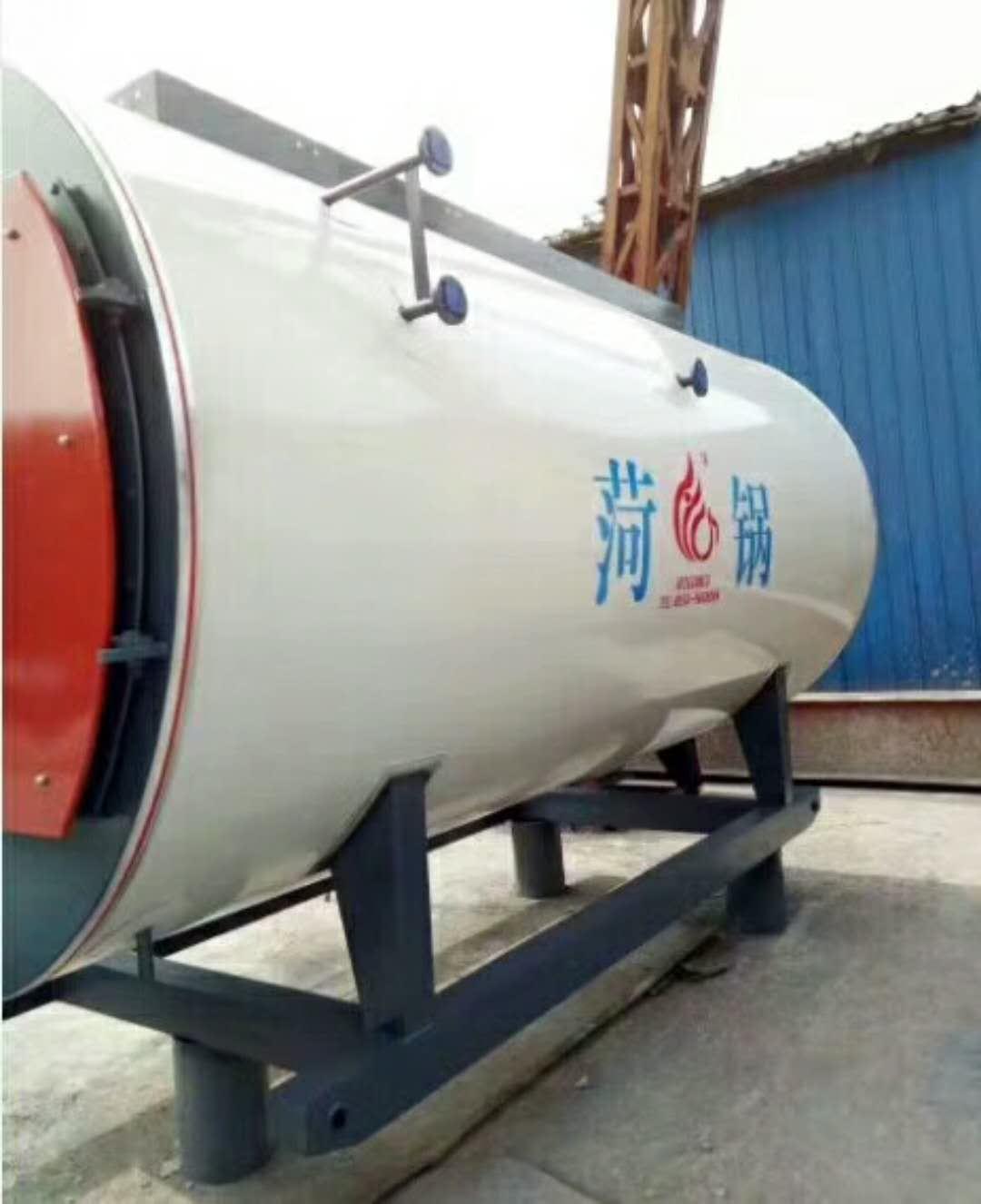

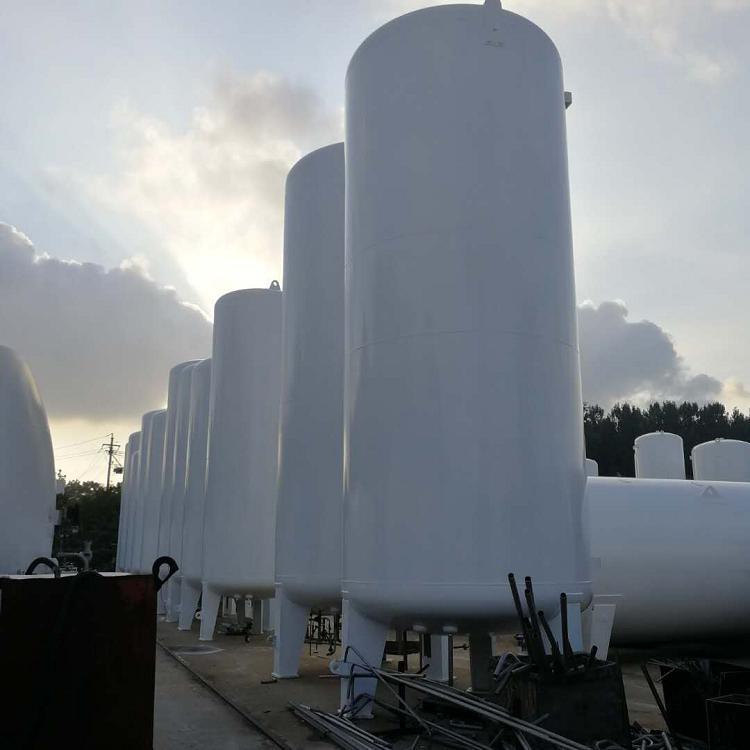
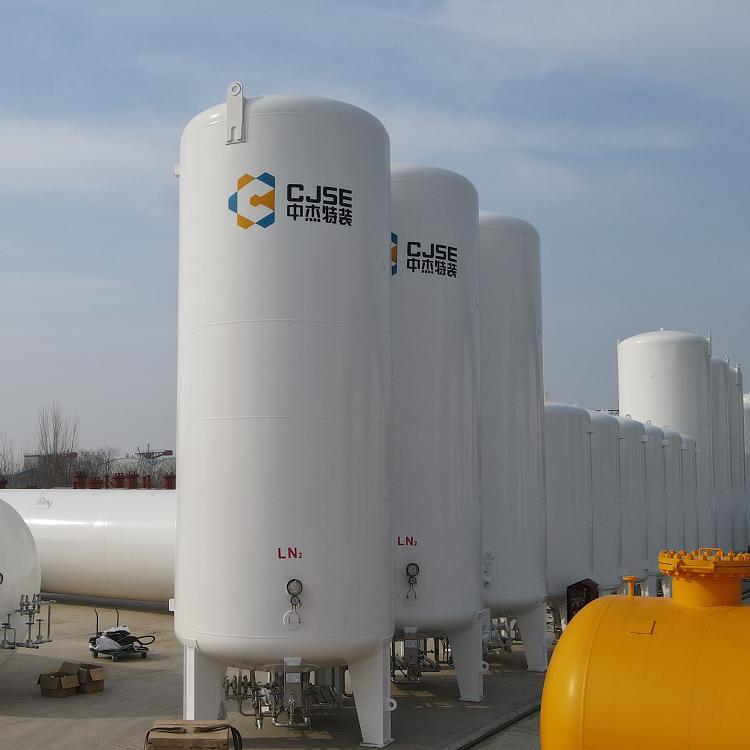


















Shandong Zhongjie Special Equipment's main products include: fuel (gas) boilers, organic heat carrier boilers, biomass boilers, waste heat recovery boilers, and other boiler products; vacuum insulation cryogenic pressure vessels such as LNG tanks, oxygen-nitrogen-argon tanks, and CO2 tanks; pressure vessel products such as denitrification engineering equipment, heat storage and energy storage equipment, and complete chemical equipment sets; central air conditioning and ventilation equipment like ground (water) source heat pumps, air source units, water-cooled screw units, and air-cooled modules. Planned products include large-scale energy centers, LNG transport vehicles, LNG tank containers, and other green energy equipment.
The process of using liquid oxygen storage tanks for pressure-regulated oxygen supply typically includes the following steps:
Liquid Oxygen Storage Tank Oxygen Supply System: Typically, a liquid oxygen storage tank oxygen supply system is installed, which includes a liquid oxygen storage tank, liquid oxygen transmission pipeline, and pressure regulating devices, etc. The liquid oxygen in the storage tank is transported through the pipeline to the pressure regulating device.
Pressure Regulator: The pressure regulator is used to convert high-pressure liquid oxygen into the required low-pressure oxygen. It typically includes a pressure valve, a reducer, and a flow meter. The pressure valve is for controlling the oxygen pressure, the reducer for lowering the high-pressure liquid oxygen to the necessary low pressure, and the flow meter for measuring the oxygen flow rate.
Oxygen Delivery Pipeline: Low-pressure oxygen from the pressure-reducing unit is transported through the pipeline to areas requiring oxygen supply, such as patient rooms and operating rooms. The pipeline is typically made of stainless steel or plastic, offering excellent airtightness and corrosion resistance.
Oxygen Interface: Install oxygen interfaces at locations requiring oxygen supply, such as hospital beds or operating tables. Oxygen interfaces typically include oxygen flow regulators and oxygen connectors, used for adjusting oxygen flow and connecting oxygen masks or tubes.
Oxygen Supply and Regulation: Adjust the pressure and flow of oxygen by manipulating the pressure regulating valve of the pressure regulator. Modify the flow and concentration of oxygen based on the patient's needs, ensuring they receive an adequate oxygen supply.
Note that when using liquid oxygen storage tanks for pressure regulation and oxygen supply, it is crucial to adhere to the relevant equipment operation and safety procedures. Operators must have the necessary training and skills to ensure the smooth and safe operation of the oxygen supply system. Furthermore, regular inspections and maintenance of the equipment and pipelines in the oxygen supply system are essential to ensure proper functioning and safety.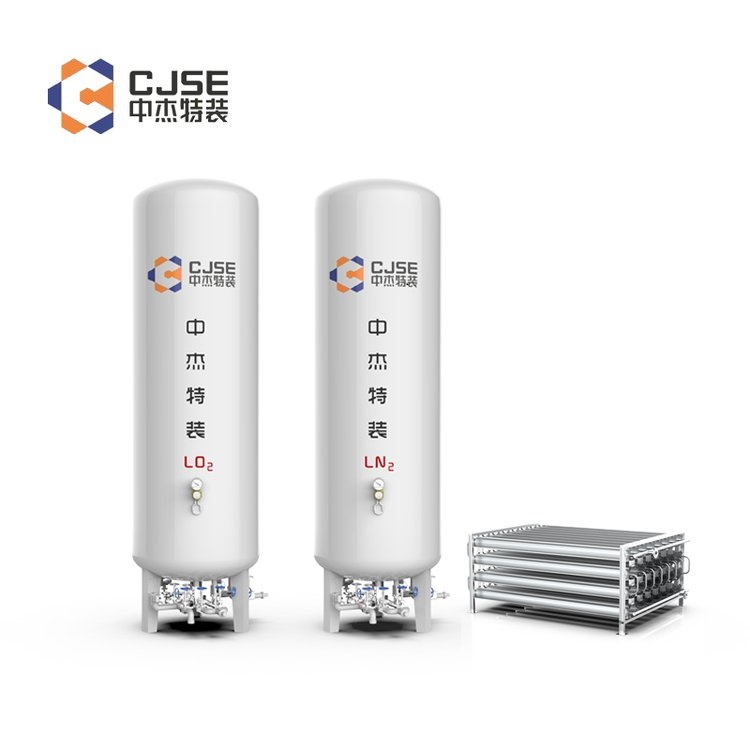
Liquid nitrogen storage tanks are equipment used for storing and transporting liquid nitrogen. To ensure their safe operation, here are some common operational safety procedures for liquid nitrogen storage tanks:
Tank Installation: Tanks should be installed on a sturdy and level foundation, away from fire sources and flammable materials. Good ventilation around the tank is required to prevent gas accumulation. The tank should maintain a safe distance from other equipment and buildings.
Nitrogen Filling: Use liquid nitrogen transfer equipment during filling to avoid direct contact with the liquid nitrogen. Pay attention to controlling the flow and pressure of the liquid nitrogen during the filling process to prevent over-filling and excessive pressure in the storage tank.
Tank Pressure Control: Tanks should be equipped with pressure control devices to ensure internal pressure remains within safe limits. Regularly inspect and maintain these devices to ensure proper operation.
Leak Detection and Alarm Systems: Storage tanks should be equipped with leak detection and alarm systems to promptly detect and alert of any tank leaks. Regularly inspect and maintain the leak detection equipment to ensure proper functioning.
Fire and Explosion Prevention Measures: A fire-resistant buffer zone should be established around the storage tank, away from fire sources and flammable materials. The tank itself should implement fire and explosion prevention measures, such as fire-resistant coatings and explosion-proof devices, to prevent fires and explosions.
Regular Inspections and Maintenance: Conduct regular checks of the tank's exterior, valves, and fittings to ensure they are intact. Perform regular leak detection and pressure tests to ensure the tank meets safety performance requirements.
Safety Training and Awareness Enhancement: Conduct safety training for operators to enhance their awareness and ability to handle liquid nitrogen tanks safely. Regularly hold safety training and drills to respond to emergencies.
Establish comprehensive management records and documents, including the usage of tanks, inspection records, and maintenance logs. Regularly review and update the management records to ensure the safe management and maintenance of the tanks.
Note that the above are some common protection procedures, which may vary depending on the type of tank and application. When using liquid nitrogen tanks, operate according to relevant specifications and standards, and consult with experts to ensure safety and effectiveness.
The application of strain-hardening in austenitic stainless steel on low-temperature pressure vessels is a common method, which can enhance the material's strength and durability. Below are some details regarding the application of strain-hardening in austenitic stainless steel on low-temperature pressure vessels:
Principle of Strain Hardening: Strain hardening is achieved by introducing plastic deformation into the material, which alters the crystal structure and thereby increases the material's strength. In Austenitic stainless steel, strain can be introduced through methods such as cold working (e.g., cold rolling, cold drawing) or heat treatment (e.g., solution treatment and cold deformation), leading to dislocation and grain boundary sliding in the crystal structure, thereby enhancing the material's strength.
Low-Temperature Application Advantages: Austenitic stainless steel exhibits excellent corrosion resistance and low-temperature toughness in cold environments. Strain hardening further enhances the strength and durability of austenitic stainless steel, enabling it to perform in low-temperature pressure vessels. Under low-temperature conditions, strain hardening effectively resists plastic deformation and fracture, improving the material's tensile strength and impact resistance.
Application Cases: Austenitic stainless steel strain-hardening is widely used in low-temperature pressure vessels. For instance, in liquid nitrogen, liquid oxygen, and liquid argon storage tanks, etc., strain-hardened austenitic stainless steel is commonly used as structural material. These vessels must withstand high pressure and impact loads at low temperatures; strain-hardening enhances the material's strength and durability, ensuring safe operation of the containers.
It is important to note that strain hardening of austenitic stainless steel should be conducted at appropriate temperatures and deformation conditions to avoid excessive deformation and material embrittlement. When designing and manufacturing low-temperature pressure vessels, the specific engineering requirements and material characteristics should be considered to rationally select and apply strain hardening techniques for austenitic stainless steel.
When storing liquid nitrogen in low-temperature storage tanks, be mindful of the following points:
Protective Gear: When operating low-temperature storage tanks, it is mandatory to wear appropriate protective gear, including gloves, protective clothing, and non-slip shoes. This gear safeguards the skin from the low temperatures of liquid nitrogen and other hazards.
Avoid direct contact: Liquid nitrogen is extremely cold and can cause chilling. Therefore, it is essential to avoid direct contact with liquid nitrogen, especially with the skin. Use tools or instruments for handling to prevent direct hand contact with liquid nitrogen.
Ventilation Requirements: In the operating area of low-temperature storage tanks, adequate ventilation must be ensured to exhaust gases produced by the evaporation of liquid nitrogen. Maintain air circulation to avoid excessive oxygen concentration and reduce the risk of fire and explosion.
Prevent Leaks: Regularly inspect the low-temperature storage tanks for leaks and equip them with leak detectors and alarm systems. In case of a leak, take immediate action to control and repair it. Avoid the hazards of liquid nitrogen leaks to personnel and the environment.
Fire Prevention Measures: Liquid nitrogen has a low boiling and freezing point, which is prone to causing fires. To prevent and contain fires, firewalls and fire-resistant coatings are installed around low-temperature storage tanks.
Electrostatic Protection: Electrostatic buildup in low-temperature storage tanks may cause sparks, increasing the risk of fire. Measures should be
Our company highly values technological innovation and R&D design. We possess 1 municipal-level enterprise technology center in Heze City, equipped with non-destructive testing, physical and chemical testing, welding testing, hydrostatic testing, and other testing facilities. We have over 600 types of equipment, including CNC machine tools, X-ray flaw detectors, digital ultrasonic flaw detectors, mechanical property testing machines, chemical analyzers, spectrometers, tensile testing machines, plasma welding machines, and more. The key products we have developed, such as thermal pressure vessel welding, biomass boiler emission reduction, and waste heat utilization, have successively been shortlisted for multiple Shandong Province Department of Industry and Information Technology science and technology innovation projects, key projects in Shandong Province, and Heze City innovation and excellence projects. We have accumulated 27 authorized utility model patents, 16 authorized invention patents, participated in drafting 2 standards, 2 industry standards, and registered 15 trademarks. Our technical team, in collaboration with Professor Yajiang Li from Shandong University, has developed deep cryogenic container processing technology, utilizing the international plasma arc + filler wire tungsten inert gas arc welding (PAW-GTAW) technology. This technology has been appraised as reaching international standards in the field of deep cryogenic container manufacturing at the provincial level. Choose Zhongjie Special Equipment, and let's create brilliance together!
WeChat Official Account

Scan to follow Official Account



















