


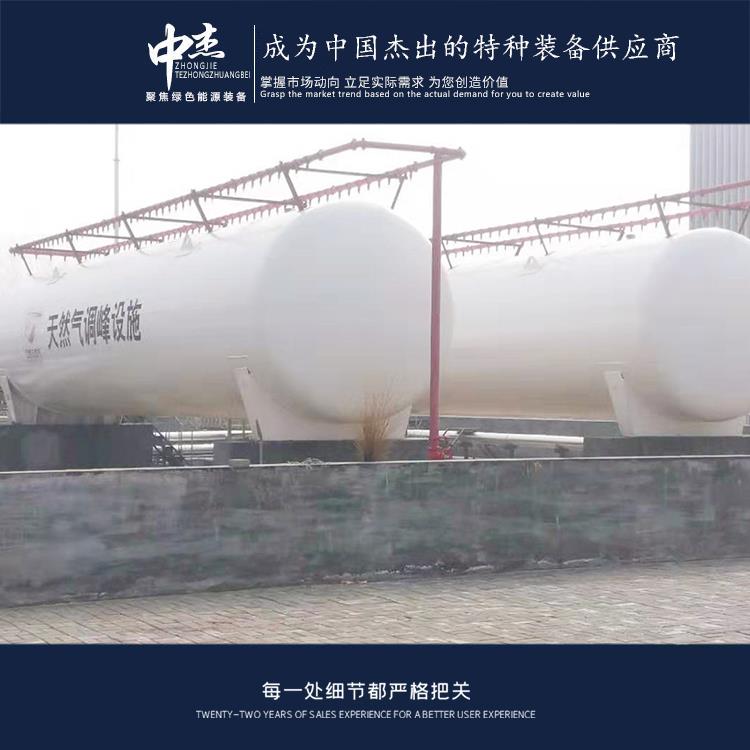

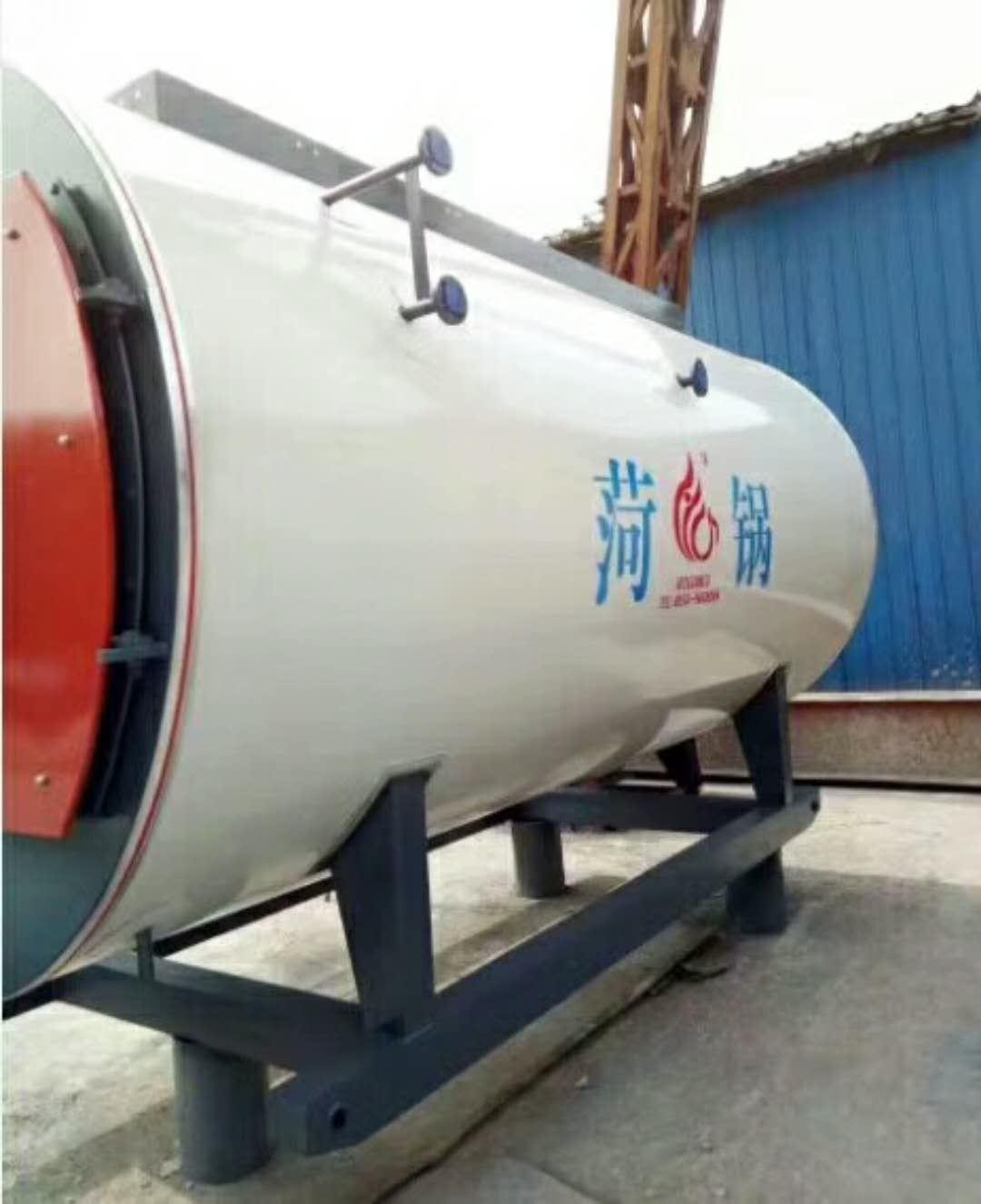
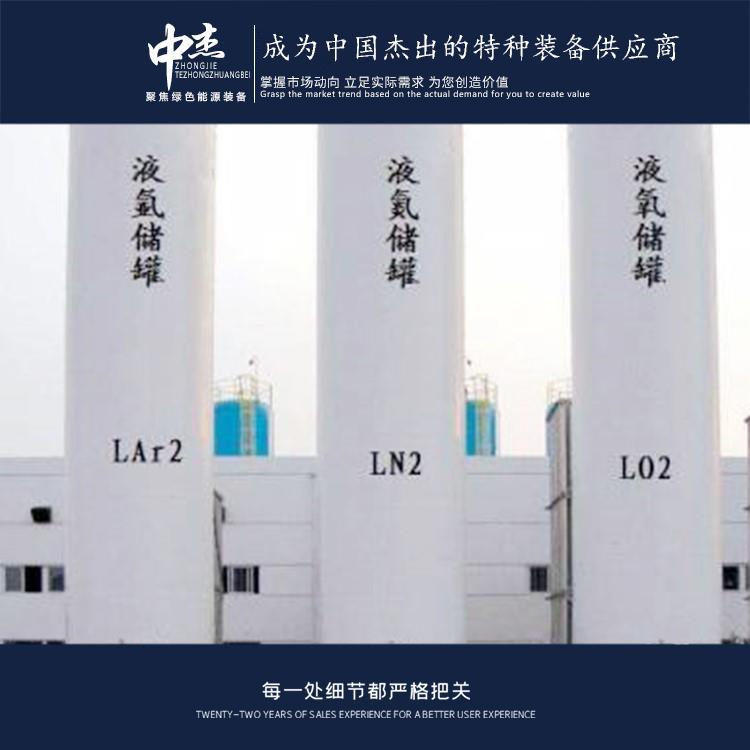


















Shandong Zhongjie Special Equipment's main products include: fuel (gas) boilers, organic heat carrier boilers, biomass boilers, waste heat boilers, and other boiler products; vacuum insulation deep-freeze pressure vessels such as LNG storage tanks, oxygen-nitrogen-argon storage tanks, CO2 storage tanks; pressure vessel products like denitrification engineering equipment, heat storage and energy storage equipment, complete chemical equipment sets; central air conditioning and HVAC equipment such as ground (water) source heat pumps, air source units, water-cooled screw units, and air-cooled modular units. Planned products include large-scale energy centers, LNG transport vehicles, LNG tank containers, and other green energy equipment.
When initially using a liquid nitrogen tank, there are several precautions to consider for safe and efficient operation. Here are some suggested points to keep in mind:
Safe Operation: Liquid nitrogen is a low-temperature liquid with strong refrigerating and asphyxiating properties. When handling liquid nitrogen tanks, appropriate personal protective equipment, such as insulated gloves and protective suits, must be worn. Avoid direct contact with liquid nitrogen to prevent injury or other harm.
Ventilation Environment: Liquid nitrogen, when evaporating, produces a significant amount of gas that may displace other gases, leading to a decrease in oxygen levels in the air. Therefore, when using a liquid nitrogen tank, it is essential to ensure adequate ventilation in the operating area to prevent oxygen deficiency.
Tank Inspection: Prior to the first use of the liquid nitrogen tank, a thorough visual and seal inspection should be conducted. Ensure there are no visible damages, leaks, or other safety hazards. If any issues are found, they should be addressed promptly by repairing or replacing the tank.
Tank Filling: Prior to the first use of a liquid nitrogen tank, it is necessary to fill the tank with liquid nitrogen. During the filling process, follow the correct operational steps and safety protocols to ensure a safe and reliable filling. Additionally, pay attention to controlling the filling speed and pressure to avoid excessive tank pressure and temperature rise.
Labeling and Record Keeping: Prior to the initial use of the liquid nitrogen tank, relevant information should be labeled on the tank, such as the storage medium, capacity, manufacturing date, etc. It is also recommended to establish a tank usage record, including filling dates, filling quantities, usage details, etc., for future tracking and management.
Note that the use of liquid nitrogen tanks involves safety risks such as low temperatures and high pressures. Operators should receive training and strictly adhere to the relevant operational procedures and safety measures. If unfamiliar with the operation or have any doubts, it is recommended to consult with individuals or relevant institutions for guidance.
Consider the following aspects to distinguish the quality of liquid nitrogen storage tanks:
Material: Liquid nitrogen storage tanks are typically made of high-strength, corrosion-resistant materials such as stainless steel or aluminum alloy. These materials offer excellent corrosion resistance and mechanical strength, ensuring the tank's long-term stable operation.
Sealability: The liquid nitrogen storage tank should have excellent sealing performance, effectively preventing any leakage of liquid nitrogen. The valves, pipe connections, and other parts of the tank should be designed reasonably to ensure reliable sealing.
Insulation: Liquid nitrogen tanks should have excellent insulation properties to minimize evaporation losses. The insulation layer of the tank should use materials such as polyethylene foam to reduce heat conduction and evaporation losses.
Safety: Liquid nitrogen tanks should have excellent safety features, including safety valves, pressure gauges, and other safety equipment, as well as fire-resistant and explosion-proof capabilities. The design and manufacturing of the tank should comply with relevant safety standards and regulations.
Service Life: Liquid nitrogen tanks generally have a long service life, capable of withstanding long-term use and transportation. The manufacturer and reputation are also significant factors in assessing the service life.
Price and After-Sales Service: The price of liquid nitrogen tanks should be reasonable, and good after-sales service should be provided. Choosing manufacturers or suppliers with a good reputation and excellent after-sales service ensures quality products and technical support.
Considering these factors, you can distinguish the quality of liquid nitrogen tanks. When selecting a liquid nitrogen tank, it is recommended to choose one that meets your specific requirements and usage environment to ensure safe and reliable storage.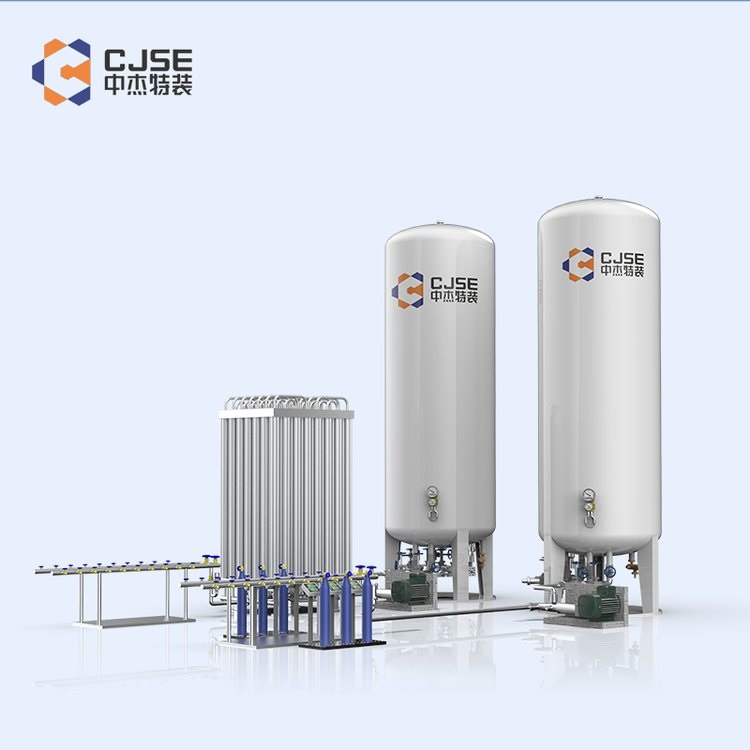
The use and operation of the liquid oxygen storage tank system should be mindful of the following points:
Safe Operation: When operating the liquid oxygen storage tank system, it is mandatory to follow relevant safety operation procedures and standards to ensure the safety of the operators.
Tank Selection: Choose liquid oxygen tanks that comply with regulations and standards, ensuring their quality and safety performance.
Tank Installation: Tanks should be installed on a sturdy foundation to ensure stability. Additionally, the area around the tank must be well-ventilated and kept away from flammable materials and heat sources.
Sealability Inspection: Regularly check the sealing performance of the storage tank system to ensure there are no leaks at valve and pipeline connections.
Pressure Control: Storage systems should be equipped with pressure gauges and safety valves, and undergo regular inspections and maintenance to ensure pressure remains within safe limits.
Fire Prevention Measures: Liquid oxygen contains a high concentration of oxygen, which is highly flammable. Set up firewalls around the storage tank system, prohibit smoking and open flames, and ensure safety.
Static Protection: During the operation of the liquid oxygen system, static electricity may cause sparks, increasing the risk of fire. Measures such as using static-conductive materials and anti-static equipment are taken to reduce the accumulation and release of static electricity.
Regular inspections and maintenance: Conduct regular checks on the status of the storage tank system and related equipment, including valves, pipes, pressure gauges, etc. Ensure that the equipment is in perfect condition and promptly repair or replace any damaged parts.
Waste Gas Treatment: During the operation of the liquid oxygen system, waste gas is produced, which necessitates the implementation of appropriate waste gas treatment measures to minimize environmental impact.
Above are the precautions to be taken when using the liquid oxygen storage tank system, ensuring safe operation and the normal functioning of the system. During operation, strictly follow the relevant operational procedures and safety operation requirements to prevent accidents.
Prior to cooling the liquid oxygen tank, the following prerequisites must be met:
Clean Tanks: Ensure the interior of the tank is clean, free of impurities and contaminants. The tank should be properly cleaned and flushed to maintain its internal cleanliness.
Drainage and Exhausting: To empty the gas inside the storage tank and expel it through the exhaust system to reduce the gas content within the tank. This helps minimize the interference of the gas on the cooling process.
Safety Protection: Prior to cooling the liquid oxygen tank, it is essential to implement necessary safety precautions. Liquid oxygen is highly flammable and has low-temperature characteristics. Operators should wear appropriate protective clothing, gloves, and other personal protective equipment to ensure safe operation.
Temperature Control: During the cooling process of the liquid oxygen tank, it is necessary to control the temperature of the tank. Typically, low-temperature media such as liquid nitrogen are used to cool the tank, ensuring that the temperature of the tank gradually drops below the boiling point of liquid oxygen.
Insulation and Heat Retention: Liquid oxygen tanks typically use double or multi-layer construction, filled with insulating material in the middle to reduce heat transfer and evaporation of liquid oxygen. Ensure the integrity and good insulation of the insulating layer to enhance the cooling efficiency of the tank.
Under the above prerequisite conditions, the cooling operation of the liquid oxygen tank may be conducted. The cooling process must strictly adhere to the relevant safety regulations and operational guidelines to ensure the safe operation and use of the tank.
Our company places great emphasis on technological innovation and R&D, boasting one municipal-level enterprise technology center in Heze City. We have established testing facilities for non-destructive testing, physical and chemical testing, welding testing, hydrostatic testing, and more. Equipped with over 600 units of various instruments and equipment, including CNC machine tools, X-ray flaw detectors, digital ultrasonic flaw detectors, mechanical property testing machines, chemical analyzers, spectrometers, tensile testing machines, plasma welding machines, and others, our developed key products and technologies such as temperature-pressure vessel welding, biomass boiler emission reduction, and waste heat recovery have successively been shortlisted for multiple Shandong Provincial Department of Industry and Information Technology innovation projects, key projects in Shandong Province, and Heze City innovation and excellence projects. We have cumulatively obtained 27 authorized utility models, 16 authorized inventions, participated in drafting 2 standards, 2 industry standards, and registered 15 trademarks. The technical team, in collaboration with Professor Li Yajiang of Shandong University, has developed deep cryogenic vessel processing technology using the internationally recognized plasma arc + filler wire tungsten inert gas arc welding (PAW-GTAW) technology. The provincial-level scientific and technological achievement identification confirms that our technology level in deep cryogenic vessel manufacturing has reached international standards. Choose Zhongjie Special Equipment, and let's create brilliance together!
WeChat Official Account

Scan to follow Official Account



















