


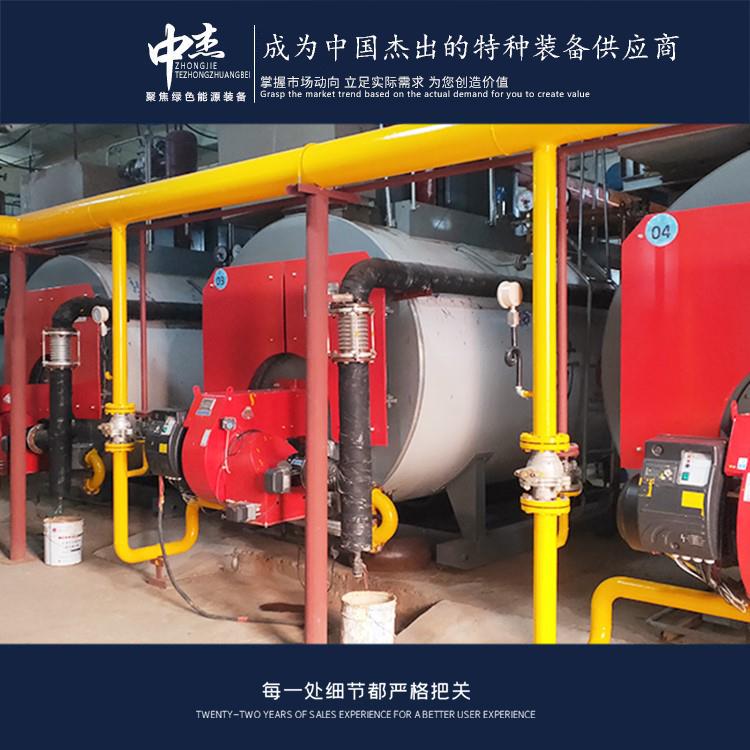

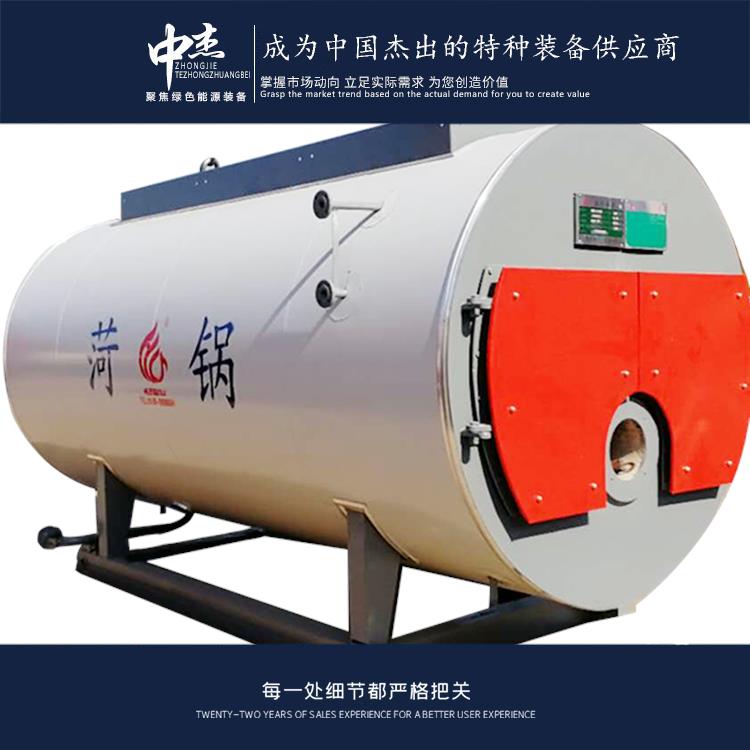


















Shandong Zhongjie Special Equipment (formerly Heze Boiler Factory Co., Ltd.) holds an A-grade boiler manufacturing license, A2-grade pressure vessel manufacturing license, A2-grade pressure vessel design license, B-grade boiler installation, and GB2, GC2 class pressure pipeline installation licenses, as well as qualifications for electromechanical equipment installation contracts. It is a member of the China Boiler and Water Treatment Association, the China Chemical Equipment Association, and the council unit of the Shandong Equipment Manufacturing Association. The company has also passed certifications for the ISO9001 quality management system, ISO14001 environmental management system, OHSAS18001 occupational health and safety management system, and the American ASME/U2 certification.
When a gas steam boiler experiences overpressure, the following immediate measures must be taken:
1. Shut off the gas supply: First, immediately close the gas supply to cut off the source of gas, stopping the combustion process to prevent further increase in steam pressure.
2. Release pressure: Open the boiler's pressure relief device, typically a safety valve. The safety valve is a critical safety feature of the boiler that automatically opens when the internal pressure exceeds the set value, releasing excess pressure steam to lower the boiler pressure.
3. Reduce the burner load: If the overpressure is caused by excessive burner load, reduce the burner load to decrease steam production and lower the boiler pressure. Adjust the gas supply to the burner or the burner's control method to match the current load requirements.
4. Inspection and maintenance: After an overpressure event, inspect and maintain the boiler to identify the cause of the overpressure and make repairs. Possible causes include burner malfunctions, control system failures, valve malfunctions, etc. If necessary, call in a boiler maintenance technician for inspection and maintenance.
It is important to note that overpressure is a dangerous condition during boiler operation and must be addressed promptly. When dealing with overpressure, operators should remain calm, follow safety operating procedures, and ensure their own safety. If unsure how to handle an overpressure situation, immediately contact a boiler maintenance technician or relevant technical support personnel for assistance.
Switching from a conventional boiler to a gas boiler can significantly enhance energy efficiency and energy-saving effects. Here are some insights into the energy-saving efficiency of switching to a gas boiler:
High combustion efficiency: Gas boilers use gas as fuel, typically achieving higher combustion efficiency. Compared to traditional coal or oil-fired boilers, gas boilers can reach a higher level of combustion efficiency, reducing energy waste.
Low emissions: Gas boilers produce relatively fewer exhaust emissions during combustion, causing less environmental pollution. The combustion technology and emission control devices used in gas boilers usually effectively reduce the emissions of harmful substances like nitrogen oxides.
Quick start and stop: Gas boilers have faster startup and shutdown times, allowing for flexible adjustments based on actual needs. Compared to coal-fired boilers, gas boilers have shorter start and stop times, avoiding prolonged preheating and cooling processes, and reducing energy waste.
High thermal efficiency: Gas boilers generally have higher thermal efficiency, reaching a high level of heat energy conversion efficiency. The heat exchange technology and energy-saving design of gas boilers maximize the utilization of the heat energy of gas, improving heating effects.
Intelligent control and management: Gas boilers are usually equipped with intelligent control systems that can automatically adjust operating conditions based on actual needs. Through precise control and regulation, gas boilers can achieve stable heating, avoiding unnecessary energy waste.
It is important to note that when switching to a gas boiler, factors such as the reliability and safety of the gas supply, as well as the suitability and installation requirements of the gas boiler, should be considered. Before making any modifications, it is recommended to consult with engineers or relevant agencies to ensure
Before ignition, the preparation of the steam boiler involves the following steps:
1. Clean the boiler: First, clean the internal and external dirt and impurities from the boiler. Remove ash, sediment, and dirt from the boiler to ensure combustion and heat exchange efficiency.
2. Check fuel supply: Inspect the fuel supply system to ensure a smooth fuel supply. Check the fuel storage tank, conveyance pipes, and filters, clearing blockages and replacing damaged parts.
3. Inspect the burner: Check the operational status and cleanliness of the burner. Clean the burner's nozzle and flame detector to ensure normal operation.
4. Check the gas system: If it's a gas boiler, inspect the gas supply system. Check the gas pipes, valves, and pressure regulators to ensure safe and stable gas supply.
5. Check water level and pressure: Inspect the boiler's water level and pressure. Ensure the water level is within the normal range, and pressure is stable and meets requirements. Add water and adjust pressure if necessary.
6. Check safety devices: Inspect the boiler's safety devices, such as safety valves, pressure switches, and water level controllers. Ensure these devices operate normally to guarantee safe boiler operation.
7. Prepare ignition tools: Prepare the tools and equipment needed for ignition, such as a matchstick, igniter, etc. Ensure these tools work properly and are safe.
When performing these preparation tasks, follow relevant operational procedures and safety requirements to ensure safety and effectiveness. If unsure about the preparation process, consult an expert or the boiler manufacturer for advice.
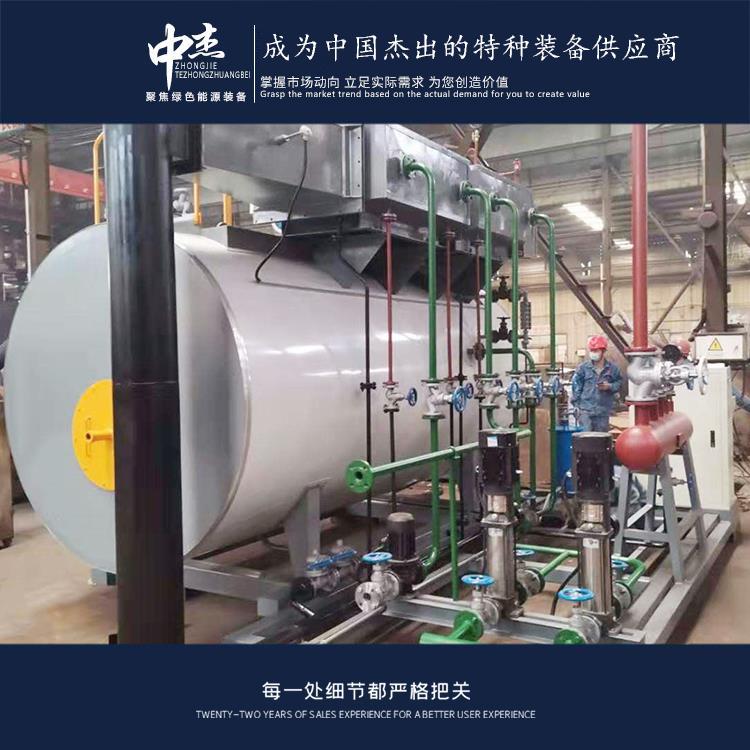
In industrial boiler systems, the key functional parameters of pumps include the following aspects:
- Flow Rate: The flow rate of a pump refers to the volume of liquid pumped per unit of time. In industrial boilers, pumps must provide sufficient flow to meet the boiler's water requirements. The size of the flow rate depends on the boiler's rated evaporation capacity and the design requirements of the circulating water system.
- Head: The head of a pump is its ability to overcome liquid resistance and lift the liquid to a certain height. In industrial boilers, pumps need to have adequate head to ensure smooth flow to all parts of the boiler, including the feed water and circulating water systems.
- Power: The power of a pump is the electrical or mechanical energy required to drive the pump. In industrial boilers, the power of the pump must be determined based on flow rate and head to meet the system's needs.
- Efficiency: The efficiency of a pump is the ratio of the input energy to the output fluid energy. High-efficiency pumps can reduce energy consumption and operating costs. In industrial boilers, selecting high-efficiency pumps can improve the system's energy efficiency performance.
- Stability and Reliability: Pumps in industrial boiler systems must have good operational stability and reliability. Pumps should be able to run stably for long periods without being affected by external disturbances or fluctuations and should be adaptable to different operating conditions.
- It is necessary to select the appropriate pump based on the specific industrial boiler system and design requirements, ensuring that the functional parameters of the pump meet the system's needs. Additionally, the selection and operation of the pump must comply with relevant standards and regulations to ensure safe and reliable operation.
Zhongjie Special Equipment upholds the grand vision of "realizing employees' dreams, creating value for customers, and striving for the prosperity and strength of our motherland," and is dedicated to the development of the green energy equipment industry. We offer society high-quality products and services at competitive prices!
WeChat Official Account

Scan to follow Official Account



















