


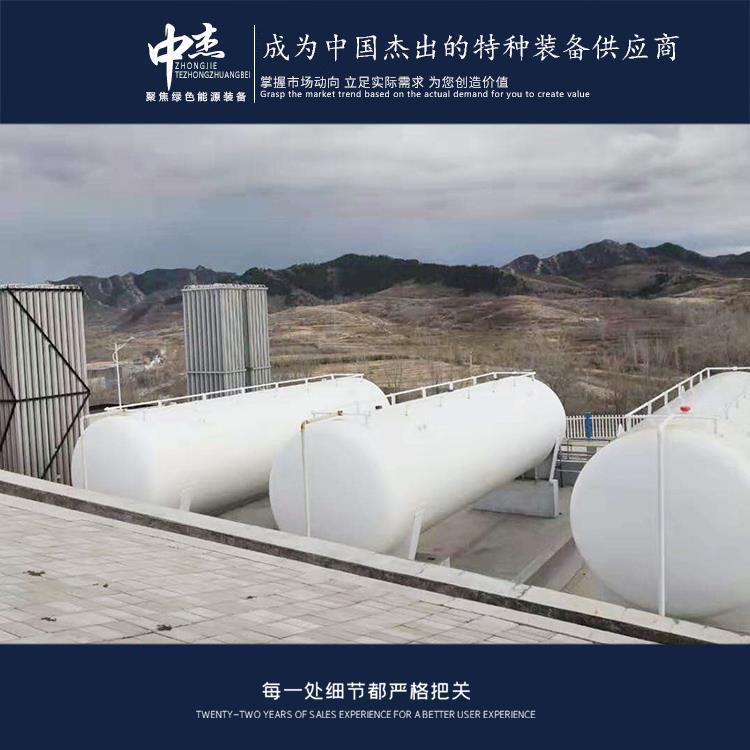

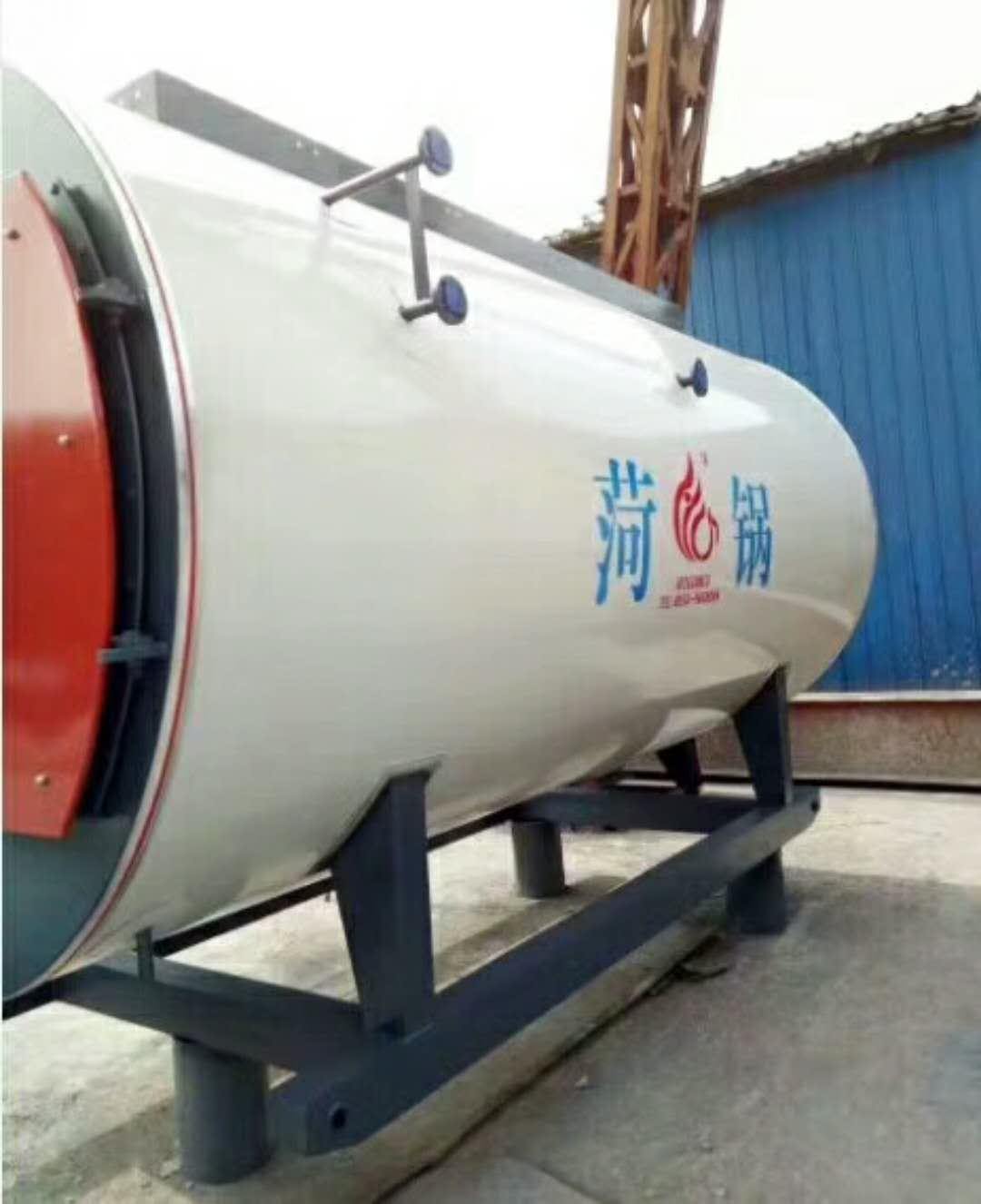
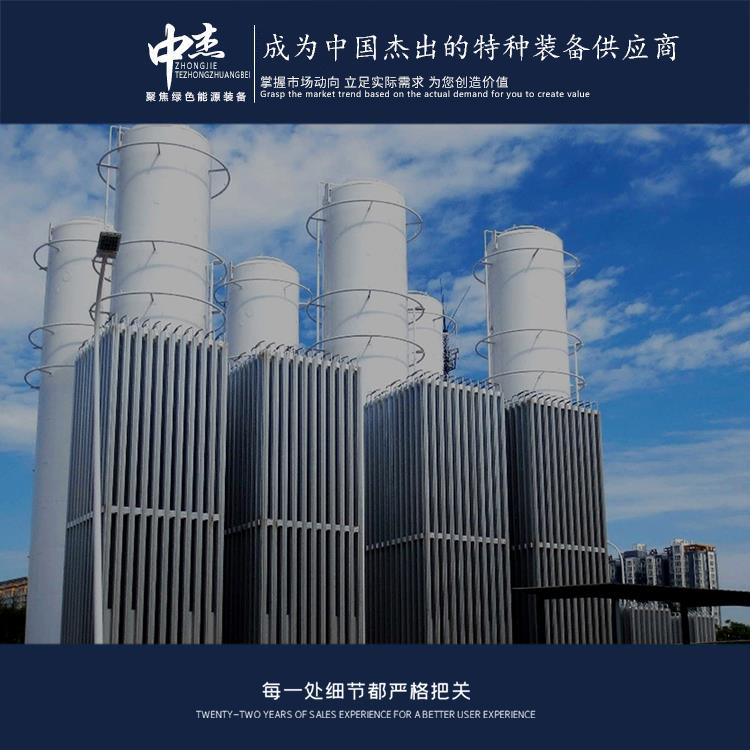


















Shandong Zhongjie Special Equipment (formerly Heze Boiler Factory Co., Ltd.) was established in 2001, located at No. 2218 Jinnan Road, Development Zone, Heze City, with a registered capital of 50 million yuan and total assets of 500 million yuan. The company has 7 business centers: boiler, deep-freeze container, pressure vessel, central air conditioning, engineering installation, international trade, and Internet of Things. It has three manufacturing sites on Jinnan Road, East Changjiang Road, and Bohai Road, covering a total of 200,000 square meters, with the main workshop area being 83,000 square meters. It currently employs 710 staff, including 247 engineers and technicians and 82 intermediate-level technical personnel. In December 2016, it was recognized as a "High-Tech Enterprise" by the Science and Technology Department. In June 2021, it was identified as a "Specialized, Fine, and New Enterprise in Shandong" by the Ministry of Industry and Information Technology. In June 2022, it was named a "Gazelle Enterprise in Shandong" and in August 2022, it was recognized as a "Specialized, Fine, and New Small Giant Enterprise" by the Ministry of Industry and Information Technology.
The temperature difference between the interior and exterior of a low-temperature liquid storage tank depends on various factors, including the tank's design, insulation performance, the temperature of the liquid, and the temperature of the external environment. Generally speaking, the internal temperature of a low-temperature liquid storage tank is much lower than that of the external environment.
Low-temperature liquid storage tanks are commonly used for storing liquefied nitrogen, oxygen, argon, and other low-temperature liquids. These liquids have very low boiling points, typically below -100°C. To maintain the low temperature of the liquids, the storage tanks must have excellent insulation to minimize heat transfer and evaporation loss.
Low-temperature liquid storage tanks typically offer lower temperature variations. Generally, the internal temperature of the tank can be maintained near the boiling point of the liquid, usually several degrees lower than the ambient temperature. The specific temperature difference depends on the tank's design and insulation properties, as well as the characteristics of the liquid.
Note that the temperature differences in low-temperature liquid storage tanks may change over time. As time progresses, the insulating material's performance may be affected by wear or aging, leading to increased temperature differences. Therefore, regular inspection and maintenance of the tank's insulation are crucial to ensure its effective and stable insulating performance.
Routine inspection of liquid nitrogen storage tanks refers to the regular checks and maintenance performed to ensure their safe operation and efficient use. Here is a common introduction to the routine inspection of liquid nitrogen storage tanks:
Appearance Inspection: Regularly inspect the exterior of the tank, including the body, insulation layer, valves, and pipes, etc. Note any cracks, corrosion, wear, or other damage. Also, check that the insulation layer is intact, without any breaks or shedding.
Level Check: Regularly inspect the liquid nitrogen tank's level to ensure it remains within the normal range. This can be done using level gauges or level scales and other equipment.
Pressure Check: Inspect the tank's pressure to ensure it's within a safe range. Devices such as pressure gauges or pressure sensors can be used for the check.
Leakage Inspection: Check for signs of liquid nitrogen leakage around the tank, such as vapor mist, frosting, or freezing. If leakage is detected, take prompt action to repair it.
Valve and pipeline inspection: Check that the valves and pipelines of the tank are functioning properly, without any gas leaks or blockages. Ensure the tightness and unobstructed flow of the valves and pipelines.
Safety Device Inspection: Check the safety devices of the storage tank, such as pressure relief valves, temperature sensors, and level alarms, to ensure they are functioning properly.
Maintenance Records: Timely record the inspection results and maintenance records of the storage tank, including liquid level, pressure, insulation layer condition, leakage status, etc. These records help monitor the tank's operating status and identify issues promptly.
It is important to note that the inspection of liquid nitrogen tanks should comply with relevant safety regulations and operating guidelines. Liquid nitrogen is extremely cold and highly flammable, so operators must wear appropriate personal protective equipment and ensure there are no ignition sources in the operating environment. Regular inspections help identify issues promptly and allow for repairs, ensuring the safe and effective operation of the tank.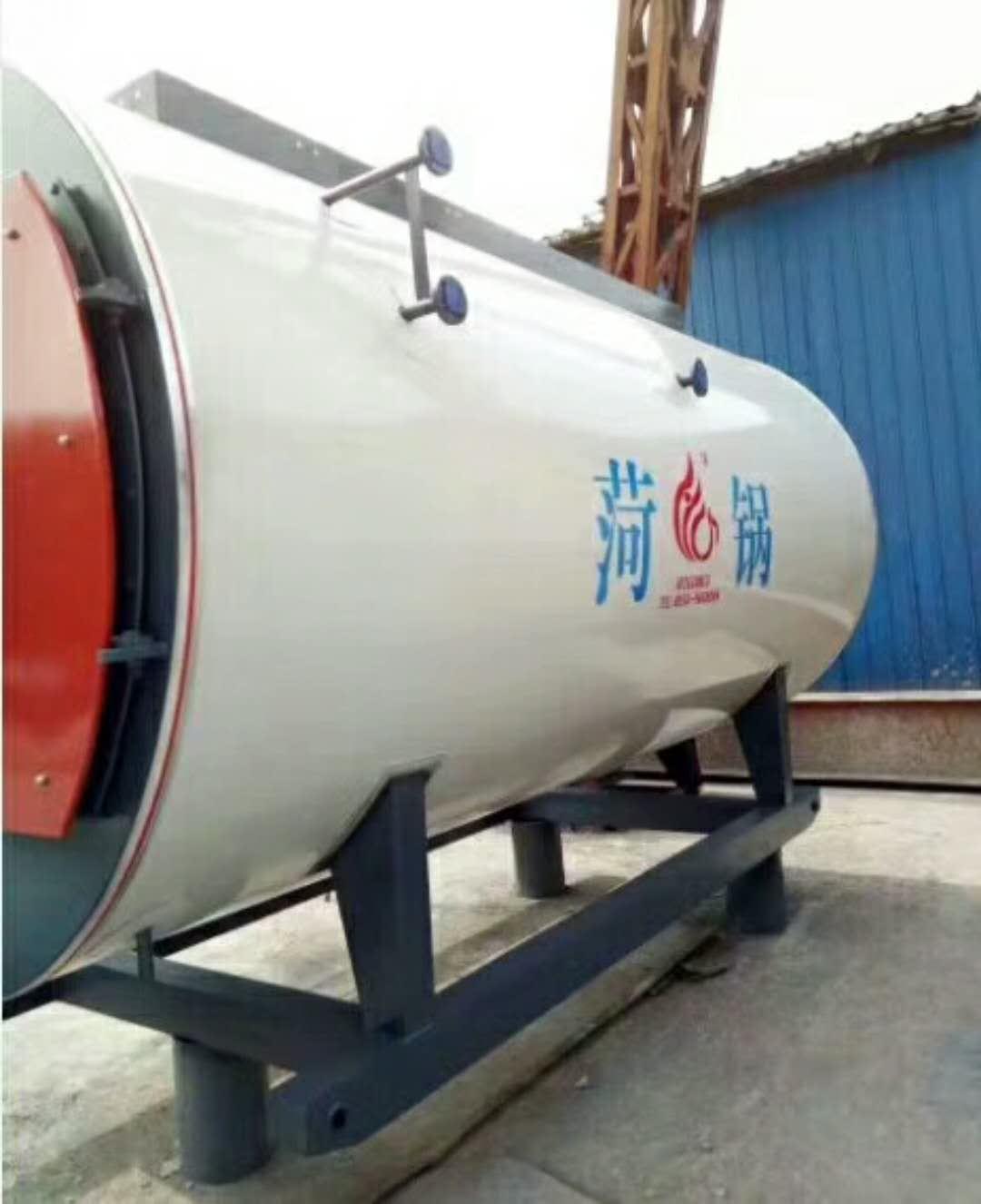
Liquid oxygen storage tanks are high-pressure, highly oxidizing equipment that require special attention to safety during use. Here are some safety precautions for liquid oxygen storage tanks:
Operation: The operation of liquid oxygen storage tanks should be carried out by trained and experienced personnel. Operators should be familiar with the tank's structure, performance, and operating procedures, and operate strictly according to the operation manual and safety regulations.
Fire Prevention Measures: Liquid oxygen is highly oxidizing and can easily cause fires and explosions. Open flames and hot objects should be prohibited around liquid oxygen storage tanks to prevent sparks and contact with the tank. Fire prevention facilities and fire extinguishing equipment should be established, and regular inspections and maintenance should be conducted.
Leakage Control: In the event of a leakage in a liquid oxygen storage tank, immediate measures should be taken to control the leakage. Leaks can lead to the evaporation of liquid oxygen and an increase in oxygen concentration, increasing the risk of fire and explosion. A leakage alarm system should be established, and leakage control devices and personal protective equipment should be provided.
Insulation Protection: Liquid oxygen storage tanks should have good insulation protection to reduce the evaporation of liquid oxygen and maintain a low temperature state. The insulation layer should be inspected and maintained regularly to ensure its integrity and insulating properties.
Safety Distance: A certain safety distance should be maintained around liquid oxygen storage tanks to prevent the spread of fires, explosions, and leaks. The specific requirements for safety distances should be assessed and determined according to local regulations and standards.
Regular Inspections and Maintenance: Liquid oxygen storage tanks should be inspected and maintained regularly, including checking the structural integrity of the tank, valves, and pipelines for tightness.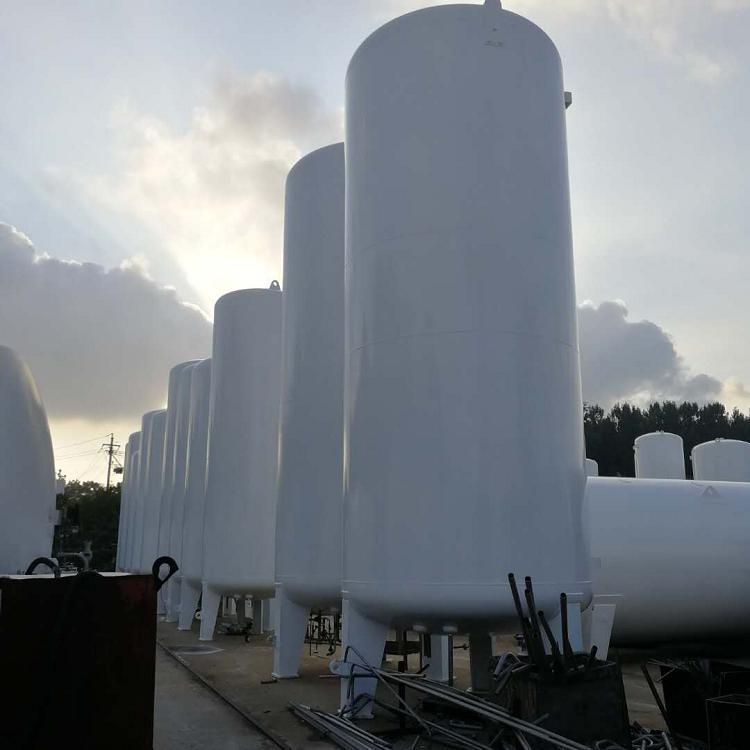
Low-temperature liquid storage tanks feature the following characteristics and usage advantages:
Feature:
Low-Temperature Storage: Low-temperature liquid storage tanks can store low-temperature liquids (such as liquid nitrogen, liquid oxygen, etc.) at low temperatures, maintaining their liquid state. Liquid storage significantly enhances storage density and saves space.
Insulation: The low-temperature liquid storage tank is equipped with special insulation materials and structural design, effectively reducing heat conduction and maintaining a stable temperature for the low-temperature liquid. This helps to minimize energy loss and evaporation of the liquid.
Safety: The low-temperature liquid storage tank boasts excellent safety features. The tank is made of special materials and designed with a structure that can withstand low temperatures and high pressures. Additionally, the tank is equipped with safety devices such as pressure relief valves and level alarms to ensure safe operation and use.
Utilization Advantages:
High Purity Supply: Low-temperature liquid storage tanks can provide high-purity liquid supplies. Through refrigeration and purification processes, high-purity liquid gases can be obtained to meet the needs of applications in industries such as industrial and scientific research.
Long-term Storage: Low-temperature liquid storage tanks are designed for long-term storage of low-temperature liquids, extending their service life. By controlling the temperature inside the tank and the performance of the insulation layer, the evaporation and oxidation of the liquid can be slowed down, maintaining its stability and purity.
Wide Applications: Low-temperature liquid storage tanks are extensively used in fields such as industry and scientific research. They can be used for storing liquid oxygen to provide oxygen supply; in the industrial sector, they are suitable for storing liquefied natural gas (LNG) and liquid nitrogen, among other process gases; in the scientific research field, they can store low-temperature experimental samples.
Environmental Protection and Energy Saving: Low-temperature liquid storage tanks enable effective storage and utilization of low-temperature liquids, reducing energy waste and environmental pollution. Storage of liquid substances
Shandong Zhongjie Special Equipment, welcome customers to our factory for business discussions.
WeChat Official Account

Scan to follow Official Account



















