


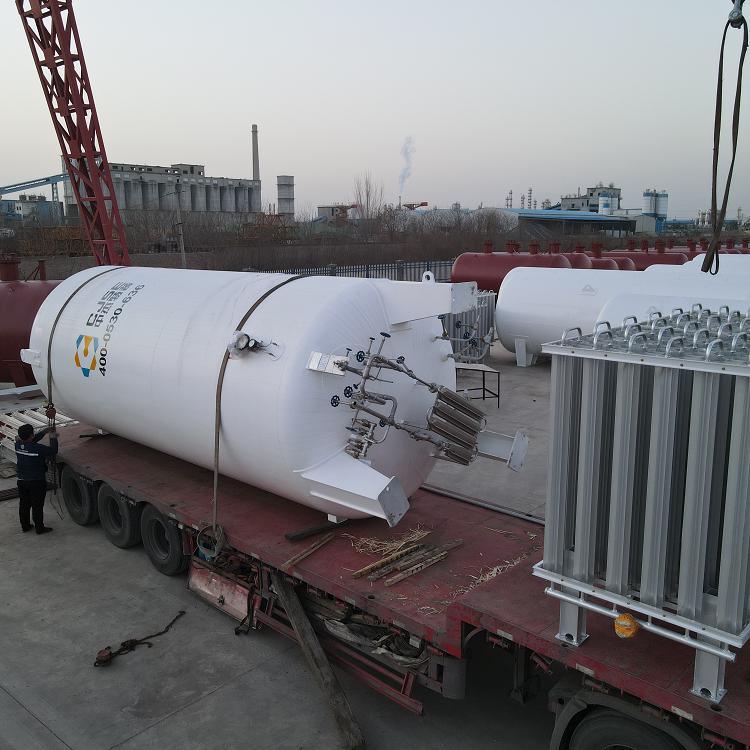

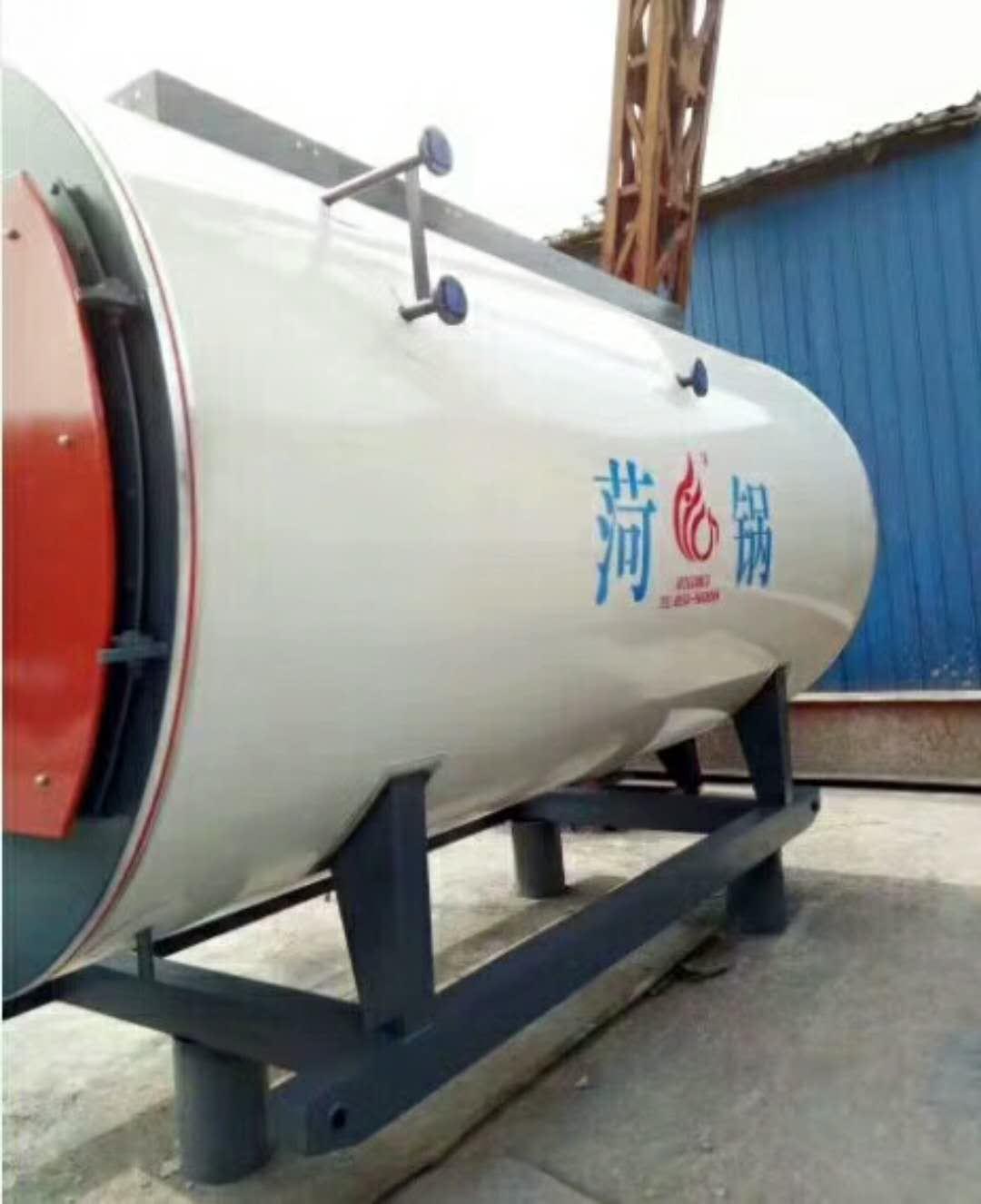
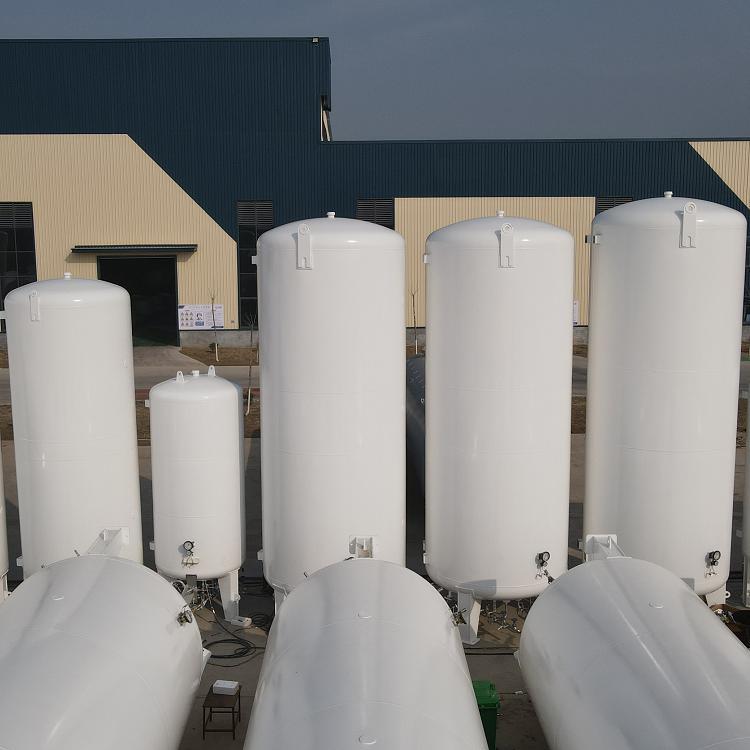


















Shandong Zhongjie Special Equipment's main products include: fuel (gas) boilers, organic heat carrier boilers, biomass boilers, waste heat recovery boilers, and other boiler products; vacuum insulation cryogenic pressure vessels such as LNG tanks, oxygen/nitrogen/argon tanks, and CO2 tanks; pressure vessel products such as denitrification engineering equipment, heat storage and energy storage equipment, and complete chemical equipment; central air conditioning and ventilation equipment like ground (water) source heat pumps, air source units, water-cooled screw units, and air-cooled modular units. Planned products include large-scale energy centers, LNG transport vehicles, LNG tank containers, and other green energy equipment.
Consider the following aspects to differentiate between the good and bad of liquid nitrogen tanks:
Material: Liquid nitrogen tanks are typically made of high-strength, corrosion-resistant materials such as stainless steel or aluminum alloy. These materials offer excellent corrosion resistance and mechanical strength, ensuring long-term stable operation of the tank.
Sealability: The liquid nitrogen tank should possess excellent sealing properties to effectively prevent leakage of liquid nitrogen. The valves, pipeline connections, and other areas of the tank should be designed rationally to ensure reliable sealing.
Insulation: The liquid nitrogen tank should have excellent insulation properties to minimize evaporation loss. The tank's insulation layer should use materials like polyethylene foam to reduce heat conduction and evaporation loss.
Safety: Liquid nitrogen storage tanks must have excellent safety performance, including equipped with safety valves, pressure gauges, and other safety devices, as well as fire and explosion prevention functions. The design and manufacturing of the tank should comply with relevant safety standards and regulations.
Service Life: Liquid nitrogen tanks generally have a long service life, capable of withstanding long-term use and transportation. The manufacturer and reputation of the tank are also significant factors in assessing the service life.
Price and After-Sales Service: The price of liquid nitrogen tanks should be reasonable, and good after-sales service should be provided. Choosing manufacturers or suppliers with a good reputation and reliable after-sales service ensures quality products and technical support.
Considering these factors, one can differentiate between the pros and cons of liquid nitrogen storage tanks. When selecting a liquid nitrogen tank, it is recommended to choose one that meets the required specifications based on actual needs and usage environment to ensure safe and reliable storage.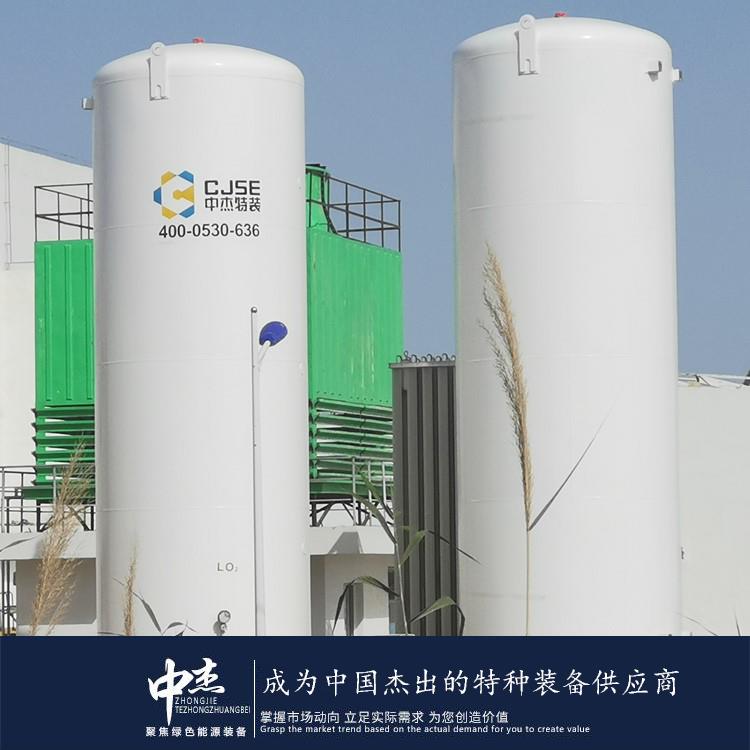
Possible reasons for increased liquid nitrogen tank liquid loss may include:
Evaporation Loss: Liquid nitrogen is a low-temperature liquid with a boiling point of -196 degrees Celsius. Even under good insulation conditions, evaporation will occur. Therefore, the main cause of liquid nitrogen tank loss is evaporation. If the insulation layer of the tank is damaged or the insulation performance is poor, evaporation loss will increase.
Leakage: A leak in a liquid nitrogen tank can also result in increased liquid loss. Leaks may occur at tank interfaces, valves, pipes, and other locations. Leaks can be caused by equipment aging, material fatigue, improper operation, and other factors.
Improper operation: Incorrect operation and maintenance may also lead to increased liquid nitrogen loss in the storage tank. For example, frequently opening the tank's lid, leaving the lid open for extended periods, and not promptly repairing leaks.
Environmental Factors: Environmental factors can also impact the liquid nitrogen tank's liquid loss. For instance, high-temperature environments can decrease the tank's insulation performance, thereby increasing evaporation loss.
To minimize liquid nitrogen loss in storage tanks, the following measures can be taken:
Ensure the tank's insulation is intact and conduct regular inspections and maintenance.
Regularly inspect the tank's interfaces, valves, and pipelines to ensure good sealing performance and prevent leaks.
Strictly control the frequency and duration of tank openings to prevent unnecessary liquid evaporation.
Avoid using liquid nitrogen tanks in high-temperature environments, or take measures to maintain a low temperature around the tank.
It's important to note that liquid nitrogen tank liquid loss is inevitable, but with proper operation and maintenance, it can be minimized to a low extent.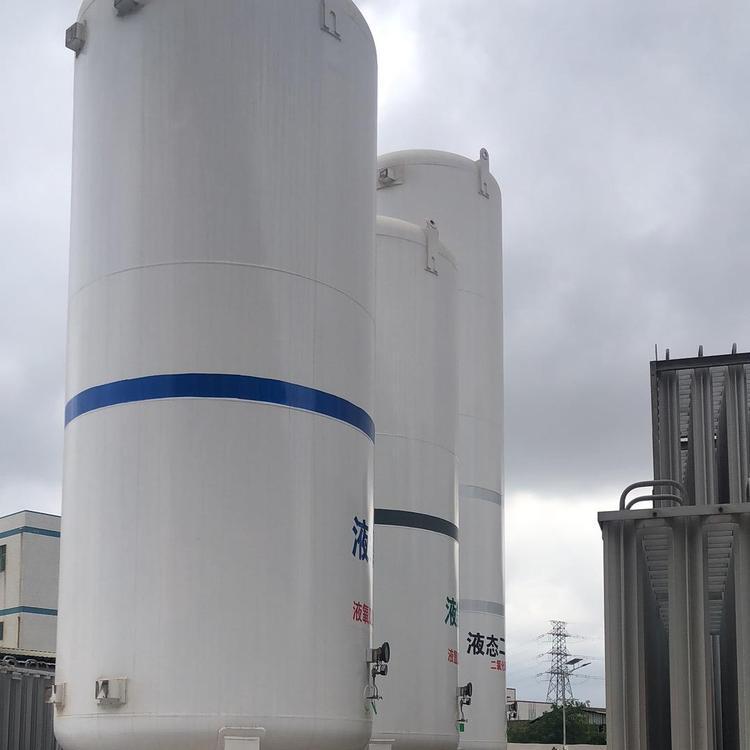
When selecting insulation materials for a low-temperature liquid storage tank, consider the following factors:
Thermal Conductivity: The lower the thermal conductivity of an insulating material, the better its insulating performance. Therefore, it is advisable to choose materials with lower thermal conductivity, such as polyethylene foam (EPS), polyester foam (PUR), and silicate fibers.
Density: The density of insulating materials also affects their insulating performance. Generally, the higher the density, the better the insulating performance. However, excessively high density may increase the weight and cost of the tank. Therefore, a balance needs to be struck between insulating performance and tank structural requirements.
Corrosion Resistance: Due to the unique working environment of low-temperature liquid storage tanks, the insulation material must have excellent corrosion resistance to withstand the erosion of low-temperature liquids. For instance, glass fiber and silicate fiber offer good corrosion resistance.
Reliability and Durability: Insulation materials must possess excellent reliability and durability, maintaining their insulating properties over the long term. Choose verified and tested materials to ensure their quality and performance.
Construction convenience: The ease of installation and maintenance for thermal insulation materials is also a factor to consider. Choosing materials that are easy to install and maintain can enhance construction efficiency and reduce costs.
Environmental Friendliness: Consider selecting environmentally friendly insulation materials, such as recyclable ones, to minimize impact on the environment.
Considering these factors, select suitable insulating materials to provide excellent thermal insulation and durability, ensuring the safety and efficient operation of low-temperature liquid storage tanks. When choosing insulating materials, it's advisable to consult engineers or consulting agencies for more accurate recommendations and guidance.
The advantages of using liquid nitrogen rapid freezing technology with liquid nitrogen storage tanks include:
Rapid Freezing Speed: Liquid nitrogen has a low temperature of approximately -196 degrees Celsius. Utilizing liquid nitrogen tanks for quick freezing can rapidly lower the surface temperature of food, achieving fast freezing. Compared to traditional freezing methods, liquid nitrogen freezing significantly reduces the freezing time while preserving the quality and texture of the food.
Uniform freezing effect: The liquid nitrogen rapid freezing technique achieves quick and even freezing of food. Liquid nitrogen is喷射 onto the food surface in a gaseous form, rapidly absorbing heat and transforming into a liquid, thereby ensuring even freezing of the food and preventing crystallization and clumping during the freezing process.
Maintain Food Quality: Liquid nitrogen rapid freezing quickly chills food, reducing crystallization and caking during the freezing process, thereby preserving the quality and texture of the food. During the rapid freezing process, liquid nitrogen rapidly lowers the surface temperature of the food, forming minute frozen structures, effectively retaining the food's moisture and nutritional content.
Flexibility and Adaptability: The liquid nitrogen tank can be adjusted and controlled according to different food types and freezing requirements. The jet speed and angle of the liquid nitrogen can be adjusted based on the size, shape, and freezing needs of the food to achieve optimal freezing results.
Environmental protection and energy-saving: Liquid nitrogen rapid freezing technology, compared to traditional freezing methods, can save more energy and resources. Liquid nitrogen evaporates quickly during the freezing process, causing environmental pollution and generating waste water and gas.
Be mindful that when using liquid nitrogen tanks for flash freezing, it is crucial to follow the relevant safety operating procedures and guidelines. Ensure that operators are equipped with the necessary safety awareness and operational skills to prevent any accidental incidents. Additionally, consult
Our company places great emphasis on technological innovation and R&D, boasting one municipal-level enterprise technology center in Heze City. We have established testing facilities for non-destructive testing, physical and chemical testing, welding testing, hydrostatic testing, etc., and are equipped with over 600 various instruments and equipment such as CNC machine tools, X-ray flaw detectors, digital ultrasonic flaw detectors, mechanical property testing machines, chemical analyzers, spectrometers, tensile testing machines, plasma welding machines, and more. The key products and technologies we have developed, such as temperature and pressure vessel welding, biomass boiler emissions reduction, and waste heat utilization, have successively been shortlisted for multiple Shandong Provincial Department of Industry and Information Technology science and technology innovation projects, key projects in Shandong Province, and Heze City innovation and excellence projects. We have cumulatively obtained 27 authorized utility model patents, 16 authorized invention patents, participated in drafting 2 standards, 2 industry standards, and registered 15 trademarks. Our technical team, in collaboration with Professor Li Yajiang of Shandong University, has developed deep cryogenic vessel processing technology using the internationally recognized plasma arc + filler wire tungsten inert gas arc welding (PAW-GTAW) technique. After provincial-level scientific and technological achievement evaluation, the technology has reached international standards in the field of deep cryogenic vessel manufacturing. Choose Zhongjietech for a partnership that will create brilliance together!
WeChat Official Account

Scan to follow Official Account



















