


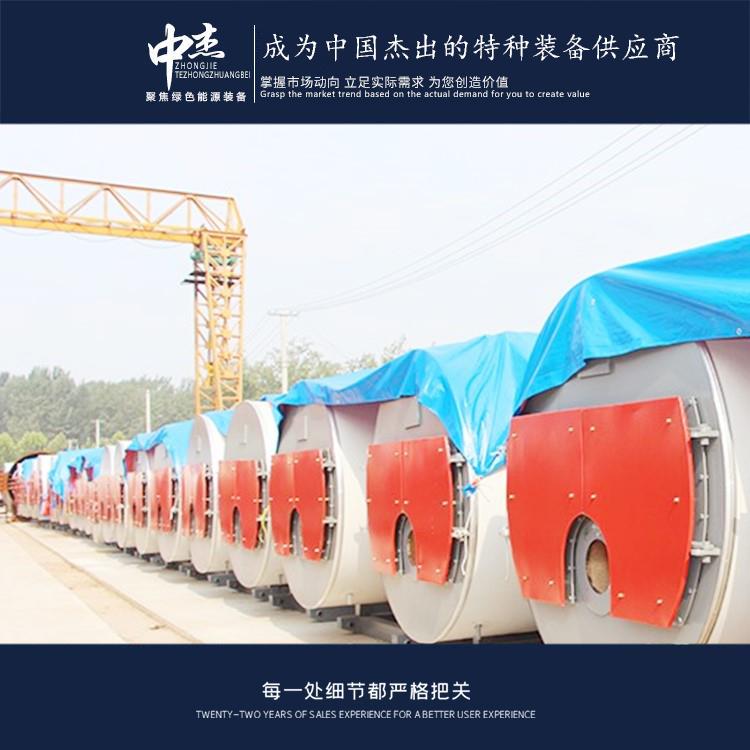

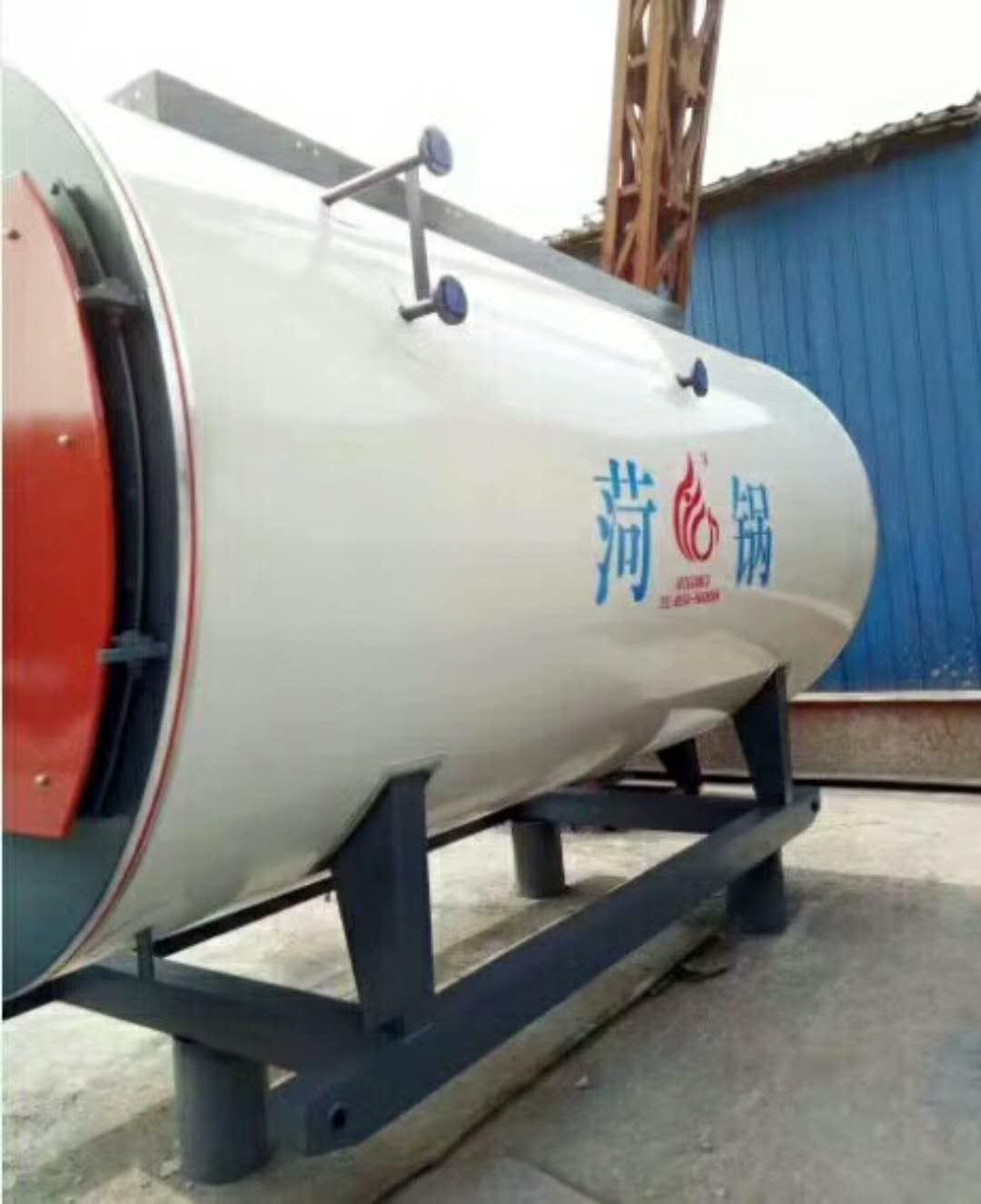
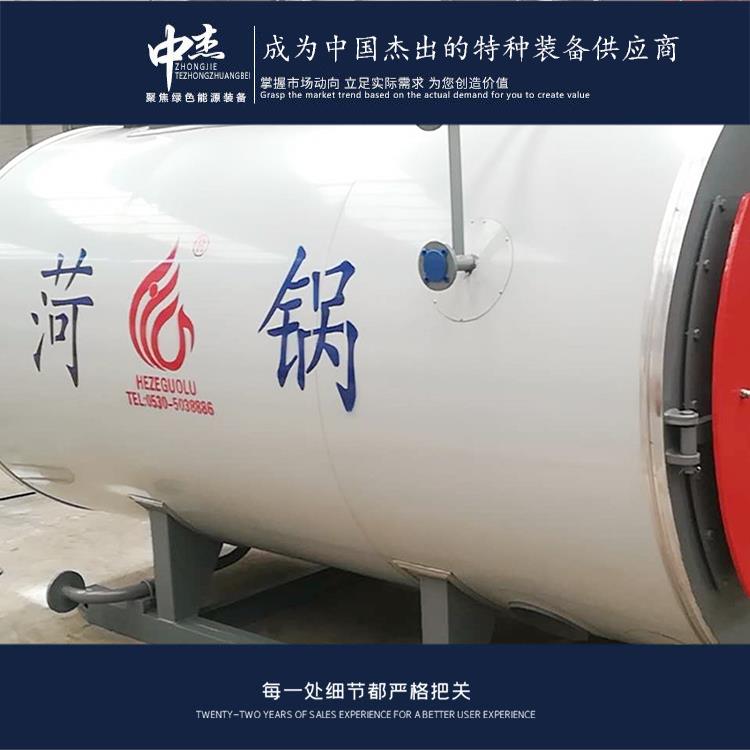


















Shandong Zhongjie Special Equipment's main products include: fuel (gas) boilers, organic heat carrier boilers, biomass boilers, waste heat boilers, and other boiler products; vacuum insulation cryogenic pressure vessels such as LNG tanks, oxygen-nitrogenargon tanks, and CO2 tanks; pressure vessel products such as denitrification engineering equipment, heat storage and energy storage equipment, and complete chemical equipment sets; central air conditioning and HVAC equipment such as ground (water) source heat pumps, air source units, water-cooled screw units, and air-cooled modular units. Planned products include large-scale energy centers, LNG transport vehicles, LNG tank containers, and other green energy equipment.
Before ignition, the preparation of the steam boiler involves the following steps:
1. Clean the boiler: First, clean the internal and external dirt and impurities from the boiler. Remove ash, sediments, and dirt from inside the boiler to ensure efficient combustion and heat exchange.
2. Check fuel supply: Inspect the fuel supply system to ensure a smooth fuel supply. Check the fuel storage tank, delivery pipes, and filters, and clear clogs or replace damaged parts.
3. Inspect the burner: Examine the burner's operational status and cleanliness. Clean the burner's nozzle and flame detector to ensure proper functioning.
4. Check the gas system: For gas boilers, inspect the gas supply system. Check the gas pipes, valves, and pressure regulators to ensure safe and stable gas supply.
5. Check water level and pressure: Inspect the boiler's water level and pressure. Ensure the water level is within the normal range, and pressure is stable and meets requirements. Add water and adjust pressure if necessary.
6. Inspect safety devices: Check the boiler's safety devices, such as safety valves, pressure switches, and water level controllers. Ensure these devices operate normally to guarantee the safe operation of the boiler.
7. Prepare ignition tools: Prepare the necessary tools and equipment for ignition, such as a lighter rod, igniter, and match. Ensure these tools work properly and are safe.
While performing these preparation tasks, follow relevant operational procedures and safety requirements to ensure the safety and effectiveness of the work. If unsure about the preparation process, consult experts or seek advice from the boiler manufacturer.
Clean and environmental-friendly gas boilers offer several advantages:
- Low emissions: Gas combustion produces relatively low exhaust emissions, with reduced pollutants such as nitrogen oxides and particulate matter. Compared to coal-fired or oil-fired boilers, gas boilers have lower emissions levels and cause less environmental pollution.
- High thermal efficiency: Gas combustion has a high thermal efficiency, enabling the full utilization of fuel energy and reducing energy waste. Compared to other traditional fuels like coal and oil, gas combustion is more efficient, providing more heat energy.
- Clean combustion: Gas combustion does not produce ash and soot, which reduces the accumulation of carbon and dirt inside the boiler and in the flue. This minimizes the cleaning and maintenance of the boiler, extending its lifespan.
- Stable combustion: Gas has stable combustion properties, minimizing flame fluctuations and explosion risks during combustion. This makes gas boilers safer and more reliable in operation.
- Quick start and stop: Gas boilers have faster and more flexible start-up and shutdown processes compared to other fuels. This makes them suitable for scenarios requiring frequent start and stop, such as seasonal heating and hot water needs.
- Renewable energy integration: As a clean fuel, gas can be combined with renewable energy sources, such as solar water heating systems and biomass fuels. This combination can further enhance energy efficiency and environmental friendliness.
Chemical cleaning of industrial boilers is a common method that effectively removes dirt and deposits from inside the boiler, enhancing heat exchange efficiency and extending the boiler's lifespan. Below are the general steps and methods for industrial boiler chemical cleaning:
Preparation: Turn off the boiler's power and gas supply, drain the water and steam from the boiler, and ensure the boiler is in a safe condition. Prepare the required chemical cleaning agents and cleaning equipment.
Cleaning Agent Selection: Choose a suitable chemical cleaning agent based on the boiler's material and the nature of the dirt. Common cleaning agents include acidic cleaners, alkaline cleaners, and chelating agents.
Cleaning Agent Circulation: Dissolve the cleaning agent in an appropriate amount of water and circulate it into the boiler through a pump. Determine the circulation time and temperature of the cleaning agent based on the boiler's size and the extent of dirt.
Cleaning Agent Action: During circulation, the cleaning agent reacts with the dirt inside the boiler, dissolving and decomposing it. Acidic cleaners can remove rust and scale, while alkaline cleaners can remove grease and organic matter.
Rinsing and Neutralization: After the cleaning agent circulation is complete, rinse the boiler with clean water to flush out the cleaning agent and dissolved dirt. At the same time, use a neutralizing agent to neutralize any remaining acidic or alkaline substances, ensuring the boiler's neutrality.
Inspection and Maintenance: After cleaning, inspect the boiler to ensure the cleaning effect and normal operation. Perform necessary maintenance and repair work as needed.
Points to Note When Conducting Industrial Boiler Chemical Cleaning:
1. Strictly follow the usage instructions and safety operating procedures for chemical cleaning agents to ensure the safety of the operators.
2. Choose the appropriate cleaning agent and method based on the boiler's material and the cleaning agent's properties.
3. Control the concentration, temperature, and circulation time of the cleaning agent to avoid unnecessary damage to the boiler.
4. Monitor the concentration and pH value of the cleaning agent in a timely manner during the cleaning process and adjust the cleaning conditions.
5. Flush the boiler after cleaning to ensure that the cleaning agent and dirt are completely removed.
6. Perform maintenance and repair on the boiler promptly after cleaning to ensure normal operation and long-term use.
A gas boiler is a type of heating equipment that uses gas or similar fuels. It produces heat by burning the gas, heating water into steam or hot water, which is used for heating, hot water supply, or industrial production, among other applications. The working principle of a gas boiler involves mixing the gas with air, igniting it to create high-temperature combustion gases, and then transferring the heat to the water through a heat exchanger, thereby increasing the water temperature. Gas boilers offer benefits such as environmental friendliness, safety, and are widely used in residential, commercial, and industrial sectors.
Zhongjie Special Equipment upholds the great vision of "realizing employees' dreams, creating value for customers, and striving for the prosperity and strength of our motherland," devoting itself to the development of the green energy equipment industry with high-quality and cost-effective products and services, contributing to society!
WeChat Official Account

Scan to follow Official Account



















