


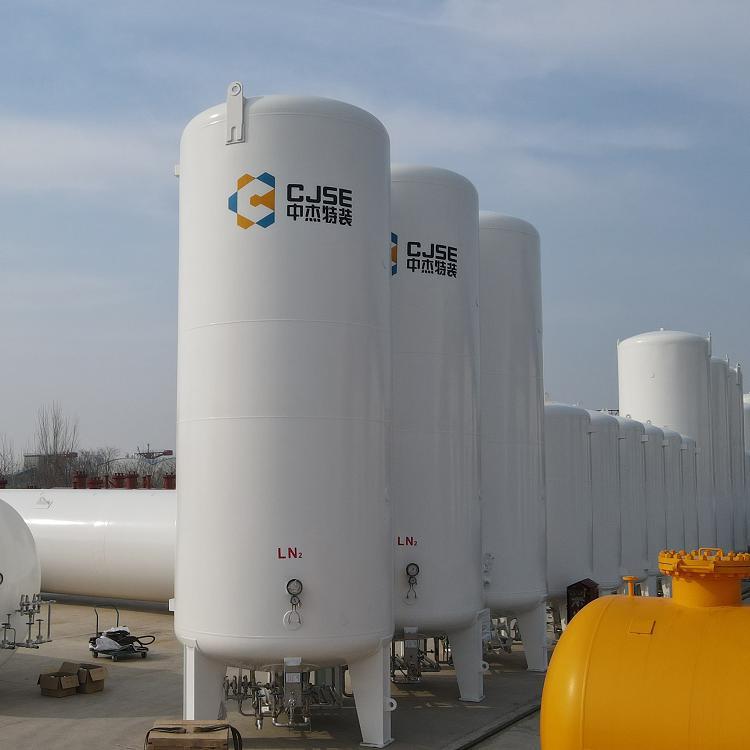

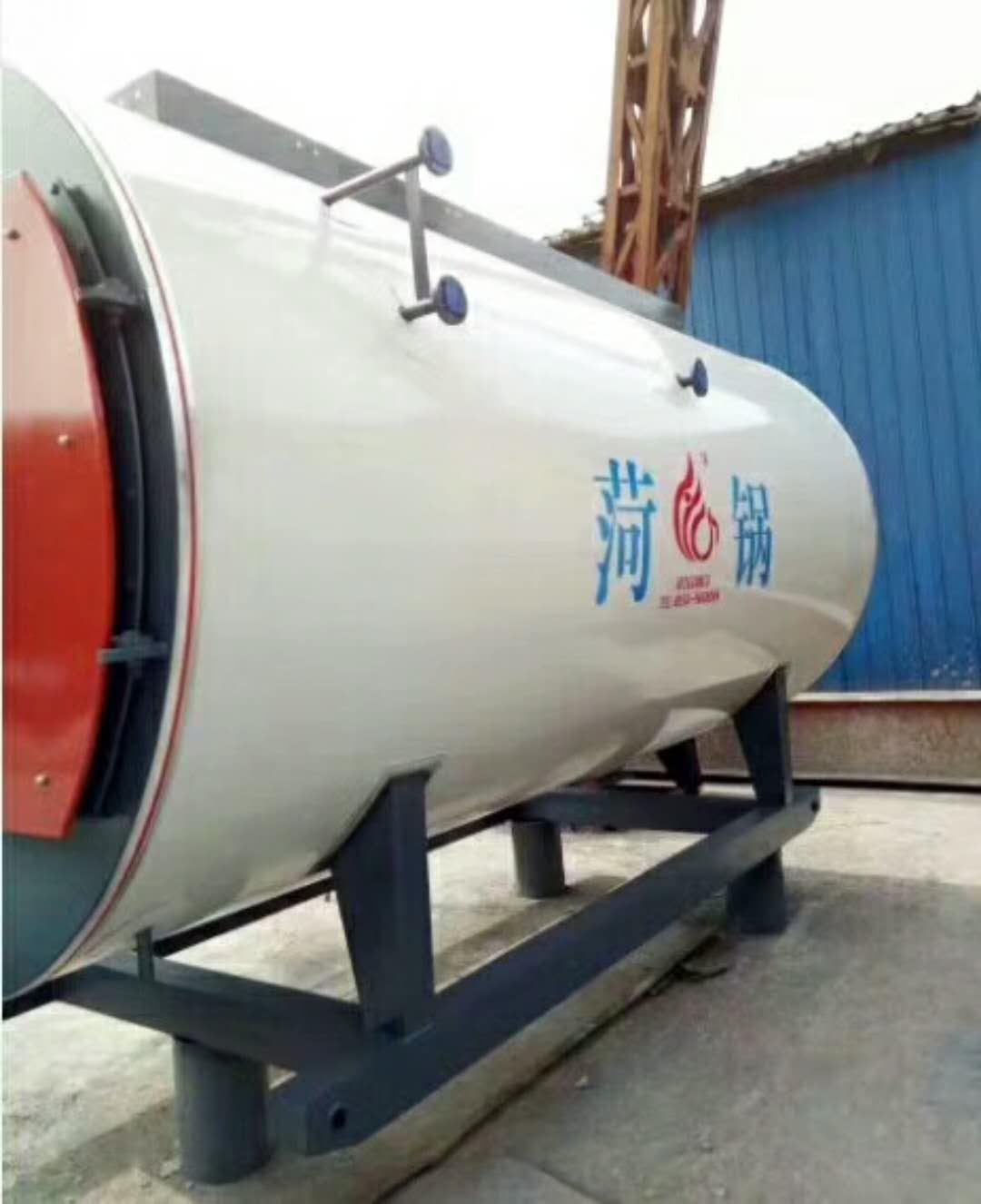
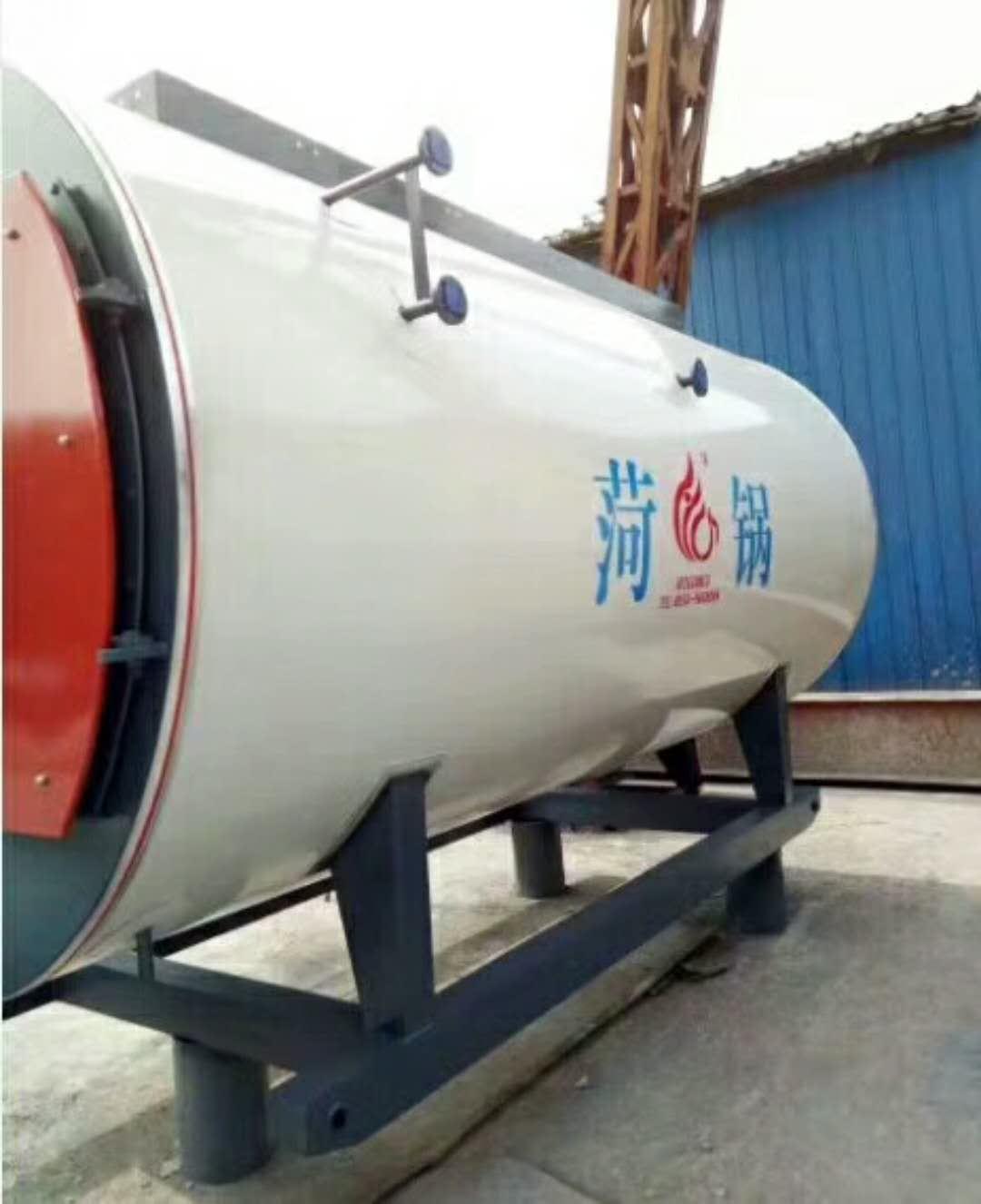


















Shandong Zhongjie Special Equipment (formerly Heze Boiler Factory Co., Ltd.) was established in 2001, located at No. 2218 Jinnan Road, Economic and Technological Development Zone, Heze City, with a registered capital of 50 million yuan and total assets of 500 million yuan. The company has seven business centers: boilers, deep-freeze containers, pressure vessels, central air conditioning, engineering installation, international trade, and the Internet of Things. It has three manufacturing sites on Jinnan Road, East Changjiang Road, and Bohai Road, covering a total of 200,000 square meters. The main workshop spans 83,000 square meters. It currently employs 710 staff, including 247 engineers and technicians, and 82 intermediate-level technicians. In December 2016, it was recognized as a "High-tech Enterprise" by the Science and Technology Department. In June 2021, it was named a "Specialized and New Enterprise in Shandong Province" by the Industrial and Information Technology Department. In June 2022, it was identified as a "Deer Enterprise in Shandong Province" and in August 2022, as a "Specialized and New Small Giant Enterprise" by the Ministry of Industry and Information Technology.
Carbon dioxide recovery is a technology designed to capture carbon dioxide from industrial emission sources or the atmosphere and store or utilize it to reduce CO2 emissions. Here are some common carbon dioxide recovery techniques:
1. Coal-Fired Power Plant Carbon Dioxide Recovery: In coal-fired power plants, the CO2 produced by burning coal can be captured and recovered. A common method is to use carbon capture technology to separate CO2 from flue gas and then store or utilize it.
2. Industrial Emission Source Carbon Dioxide Recovery: CO2 generated by many industrial processes can be treated through capture and recovery techniques. For example, CO2 produced during the production processes of steel, cement, and chemical industries can be recovered to reduce emissions.
3. Atmospheric Carbon Dioxide Capture: CO2 in the atmosphere can also be recovered using direct air capture technology. This technique uses adsorbents or chemical reactions to capture and separate CO2 from the atmosphere, then store or utilize it.
4. Carbon Dioxide Utilization: Captured CO2 can be used to produce valuable chemicals and fuels. For instance, through CO2 catalytic conversion technology, CO2 can be converted into fuels like ethanol or chemical raw materials.
The development of carbon dioxide recovery technologies aims to reduce greenhouse gas emissions and mitigate climate change. However, these technologies are still in continuous development and research, requiring further technological breakthroughs and practical verification for large-scale application.
Carbon dioxide storage tanks offer several advantages:
- High storage density: These tanks can compress carbon dioxide gas into a liquid state, significantly increasing storage density. Compared to storing in gas form, liquid carbon dioxide can occupy more volume in a smaller tank, saving space and costs.
- Multiple applications: Carbon dioxide storage tanks are widely used in various fields, including the food and beverage industry, manufacturing, fire suppression, and gas supply. Carbon dioxide serves as a preservative, effervescent agent, gas, and extinguishing agent, with extensive applications and market demand.
- Environmental friendly and renewable: Carbon dioxide is an eco-friendly gas, and its increased concentration in the atmosphere can lead to warming and climate change. By storing and utilizing carbon dioxide, we can reduce its emissions into the atmosphere, achieving environmental protection and sustainable development.
- Safe and reliable: During design and manufacturing, carbon dioxide storage tanks typically use high-strength materials (such as carbon steel or stainless steel) for excellent pressure resistance and safety. The tanks are usually equipped with safety valves, pressure gauges, and level indicators to ensure safe operation. Additionally, carbon dioxide is non-flammable and non-explosive, making it relatively safe.
- Supply: These tanks can provide a stable supply of carbon dioxide. Through tank design and control systems, accurate measurement and supply of carbon dioxide can be achieved, meeting various industrial and application needs.
These advantages make carbon dioxide storage tanks a crucial storage and supply equipment, widely used in multiple industries. However, safety operation procedures and standards must still be followed when using carbon dioxide storage tanks to ensure safe operation and usage.
CO2 flooding is a commonly used enhanced oil recovery technique, designed to increase the recovery rate of oil fields. It works by injecting CO2 gas into the reservoir to alter its physical and chemical properties, thereby promoting flow and enhancing recovery rates. The working principle of CO2 flooding is as follows:
- Solubility Principle: CO2 has a high solubility in oil. When CO2 gas is injected into the reservoir, it dissolves in the oil, reducing viscosity and surface tension, making it easier to flow.
- Expulsion Drive Principle: After CO2 gas is injected into the reservoir, it expands to form a gas phase, increasing the internal pressure and pushing the oil towards the wellbore. Additionally, CO2's high permeability can improve the reservoir's permeability and enhance flowability.
- Chemical Reaction Principle: CO2 reacts with certain components in the oil, producing soluble substances that further reduce viscosity and improve flowability.
CO2 flooding technology offers certain advantages in oil field development, such as:
- Environmental Friendliness: CO2 is a clean, non-toxic, and renewable gas, and using CO2 flooding can reduce environmental pollution.
- Economic Viability: CO2 flooding can increase the recovery rate of oil fields, boost production, and thereby enhance economic benefits.
- Sustainability: CO2 can be separated from air or captured and stored from industrial flue gases, enabling the recycling of CO2 and ensuring sustainability.
It is important to note that the application of CO2 flooding technology requires consideration of reservoir characteristics, geological conditions, and economic feasibility. Prior to implementing CO2 flooding, thorough reservoir evaluation and engineering design are necessary to ensure the effectiveness and safety of the technology.
Standard parameters for carbon dioxide storage tanks can vary depending on design and application requirements. Here are some common standard parameters:
- Tank Capacity: The capacity of carbon dioxide storage tanks is typically expressed in kiloliters (L) or cubic meters (m). Common capacity ranges vary from a few thousand to tens of thousands of liters.
- Working Pressure: The working pressure of carbon dioxide storage tanks is usually around 20 to 25 MPa (megapascals) at normal temperatures, with the specific pressure determined by application needs and design standards.
- Design Temperature: The design temperature for carbon dioxide storage tanks is usually within the low-temperature range, generally between -40°C and -60°C, to accommodate the liquefaction and storage requirements of carbon dioxide.
- Material: Carbon dioxide storage tanks are commonly made of high-strength steel or alloy materials to withstand the stresses and loads under high pressure and low-temperature environments.
- Insulation: The tanks are internally insulated to reduce heat transfer and liquid evaporation. Insulation is typically a multi-layered structure, including thermal insulation materials and an external protective layer.
- Safety Valves and Pressure Relief Devices: The tanks are equipped with safety valves and pressure relief devices to control internal pressure, prevent overpressure, and avert explosions.
- Level Monitoring and Control: The tanks are fitted with level monitoring devices to monitor the liquid level within the tank. Timely monitoring and control of the level ensure the liquid storage is within a safe range.
- Note that specific standard parameters for carbon dioxide storage tanks may vary due to different design standards, application requirements, and manufacturers. When selecting and using carbon dioxide storage tanks, it is important to consider these factors.
Zhongjie Special Equipment adheres to the great vision of "realizing employees' dreams, creating customer value, and striving for the prosperity and strength of our motherland," wholeheartedly committed to the development of green energy equipment. We dedicate products and services with high cost-performance to the society!
WeChat Official Account

Scan to follow Official Account



















