


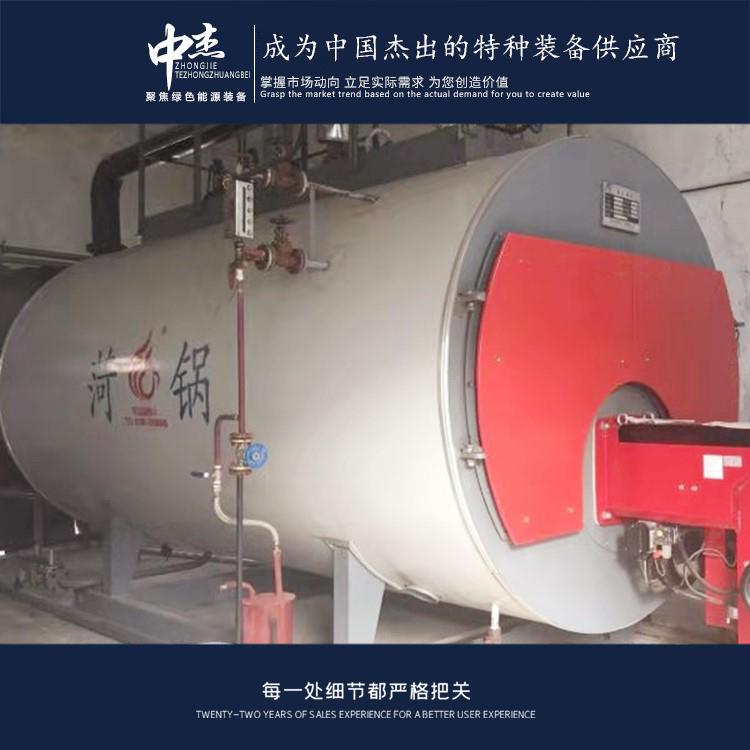

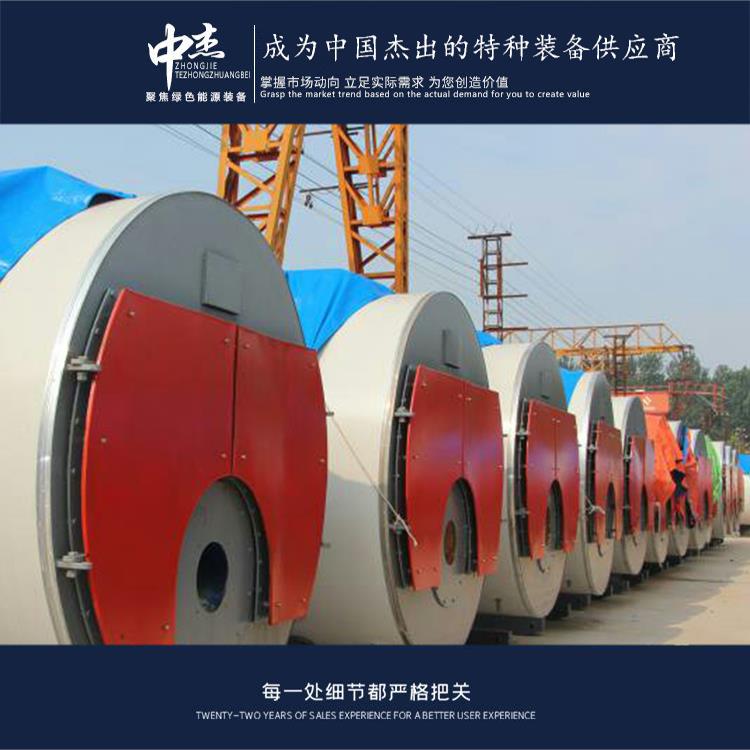
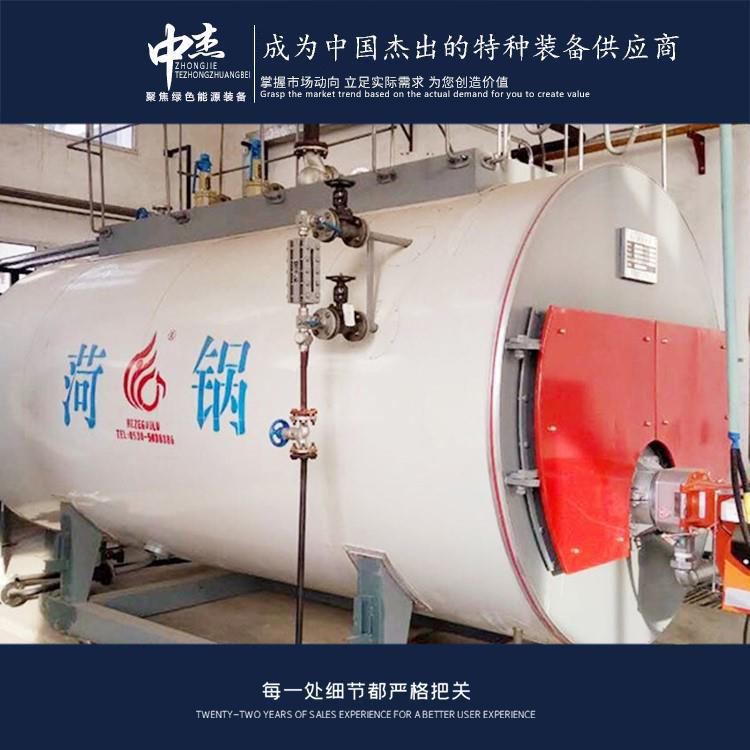


















Shandong Zhongjie Special Equipment (formerly Heze Boiler Factory Co., Ltd.) holds an A-grade boiler manufacturing license, A2-grade pressure vessel manufacturing license, A2-grade pressure vessel design license, B-grade boiler installation and GB2, GC2-grade pipeline installation licenses, as well as mechanical and electrical equipment installation contracting qualifications. It is a member of the China Boilers and Water Treatment Association, the China Chemical Equipment Association, and the director unit of the Shandong Equipment Manufacturing Association, and has passed ISO9001 Quality Management System, ISO14001 Environmental Management System, OHSAS18001 Occupational Health and Safety Management System certifications, as well as the U.S. ASME/U2 certification.
The reasons for uneven heat distribution in steam boilers may include the following aspects:
- Uneven combustion: In the combustion process, an uneven mixture of fuel and air, or an improperly designed and adjusted burner, can lead to uneven combustion. This results in some areas producing more heat while others produce less.
- Pipe blockage: The presence of blockages or scaling in the steam boiler's transmission pipes can cause uneven heat transfer. Blockages or scaling hinder steam flow, limiting heat transfer in certain areas while allowing better heat transfer in others.
- Heat exchanger issues: If the heat exchangers in the steam boiler have scaling, corrosion, or blockages, it can lead to uneven heat transfer. These problems affect the heat conduction efficiency of the heat exchangers, impacting heat transfer in some areas.
- Water level problems: Inaccurate or unstable water level control in the steam boiler can lead to uneven steam production. Both high and low water levels can affect steam generation and distribution, causing uneven heat distribution.
- Boiler load changes: Changes in the boiler load can also result in uneven heat distribution. Sudden increases or decreases in load may prevent the boiler from adjusting its heat production and distribution in time, leading to uneven heat distribution.
To address the issue of uneven heat distribution in steam boilers, regular inspection and maintenance of the boiler equipment are necessary to ensure the normal operation of combustion and heat exchange processes. Additionally, adjusting the burner and control systems, maintaining stable water levels, cleaning pipes and heat exchangers, and improving efficiency are recommended.
Yes, durable thermal oil boilers typically have a longer service life. Here are some reasons:
- Material Quality: Thermal oil boilers are made with high-quality materials, such as heat-resistant and corrosion-resistant steel and alloy materials. These materials can withstand high temperatures and pressures, offering good durability and corrosion resistance, thereby extending the boiler's lifespan.
- Design and Manufacturing Process: Long-lasting thermal oil boilers usually employ advanced design and manufacturing techniques. Reasonable structural design and precise manufacturing processes can reduce stress concentration and thermal stress, enhancing the boiler's stability and durability.
- Regular Maintenance and Care: Regular maintenance and care of thermal oil boilers are crucial for extending their service life. Regularly cleaning and inspecting the internal pipes, flues, and burners, and promptly replacing worn-out parts can minimize malfunctions and damage, extending the boiler's lifespan.
- Proper Operation and Management: Correct operation and management are also vital factors in ensuring the longevity of thermal oil boilers. Operators should follow the operation manual and procedures, avoid overloading and improper operation, ensuring the boiler operates safely and stably.
- It should be noted that even durable thermal oil boilers require regular inspections and maintenance to ensure proper operation and extend their service life. Additionally, the lifespan of the boiler is also influenced by factors such as the operating environment, load conditions, and operating methods. Therefore, proper use and maintenance are key to ensuring the longevity of thermal oil boilers.
Common problems and solutions for gas boiler burners are as follows:
1. No flame or unstable flame:
- Check the gas supply for proper operation and ensure the gas valve is open.
- Clean the burner nozzle to ensure the passage is clear.
- Inspect the ignition electrode for cleanliness, carbon buildup, or dirt.
- Adjust the gas-to-air ratio to ensure proper mixture.
2. Incomplete combustion or black smoke:
- Check if the gas supply is sufficient and adjust the gas pressure.
- Clean the burner nozzle and combustion chamber to ensure the passage is clear.
- Adjust the gas-to-air ratio to ensure proper mixture.
- Check for carbon buildup or dirt in the burner, clean or replace damaged parts.
3. Difficulty or failure to ignite:
- Inspect the ignition electrode for cleanliness, carbon buildup, or dirt.
- Adjust the position and gap of the ignition electrode to ensure normal spark generation.
- Check if the ignition transformer or controller is functioning properly, repair or replace damaged parts.
4. Abnormal noise from the burner:
- Check the gas supply for proper operation and ensure the gas valve is open.
- Inspect the burner and combustion chamber for loose parts, tighten or replace damaged parts.
- Clean the burner and combustion chamber to ensure no carbon buildup or dirt.
If the above methods do not resolve the issue, it is recommended to contact a gas boiler repair technician for inspection and maintenance. Also, to ensure safety, follow the relevant safety operating procedures when using a gas boiler.
When using a thermal oil furnace with gas, the following points should be noted:
- Safe Operation: The thermal oil furnace is a high-temperature equipment, and safety must be ensured during operation. Operators should be familiar with the equipment's operation procedures and safety precautions, wear necessary personal protective equipment, and ensure safe operation.
- Gas Supply: A stable gas supply is required for the thermal oil furnace. Before use, check if the gas pipeline is clear and the gas valve is open to ensure normal gas supply.
- Thermal Oil Circulation: The thermal oil furnace needs to circulate the thermal oil to the heat source equipment through a circulating pump. Before use, check the operating status of the circulating pump to ensure it is functioning properly.
- Temperature Control: The thermal oil furnace usually requires a temperature control system to regulate the temperature of the thermal oil. Before use, check the settings and adjustments of the temperature control system to ensure accurate and reliable temperature control.
- Regular Maintenance: The thermal oil furnace needs regular maintenance and care, including cleaning the burner, checking the tightness of the pipeline and valves, and replacing worn parts. Regular maintenance ensures the normal operation of the equipment and extends its service life.
- Environmental Protection: During combustion, the thermal oil furnace produces exhaust gas, and emissions must be ensured. Appropriate exhaust gas treatment measures, such as flue gas purification equipment, can be taken to reduce environmental impact.
- The above are some precautions for using a thermal oil furnace with gas. To ensure safety and the normal operation of the equipment, it is recommended to follow relevant operation procedures and safety requirements, and to perform regular maintenance and inspections. If necessary, consult the manufacturer or engineer of the thermal oil furnace for advice.
Shandong Zhongjie Special Equipment, welcome customers to visit our factory for business negotiations.
WeChat Official Account

Scan to follow Official Account



















