


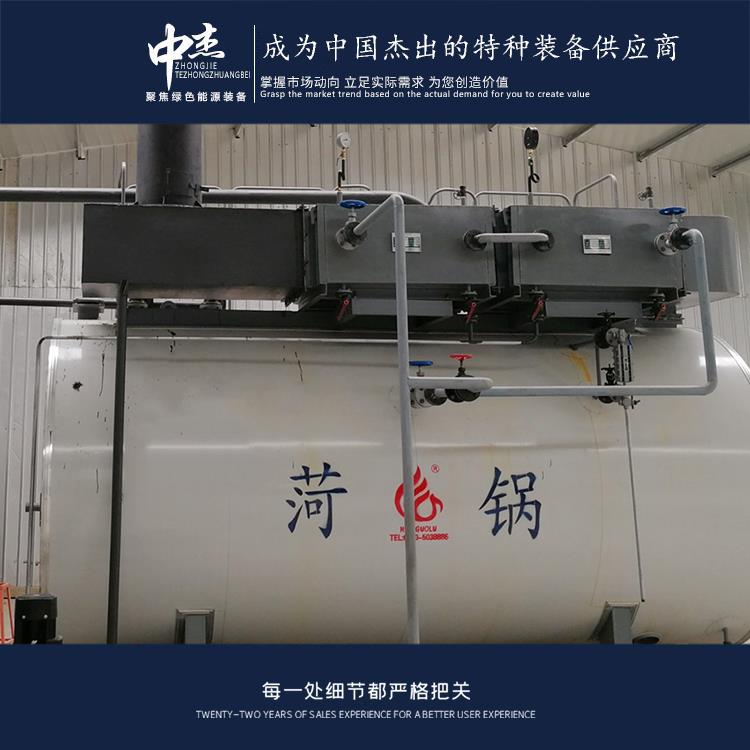

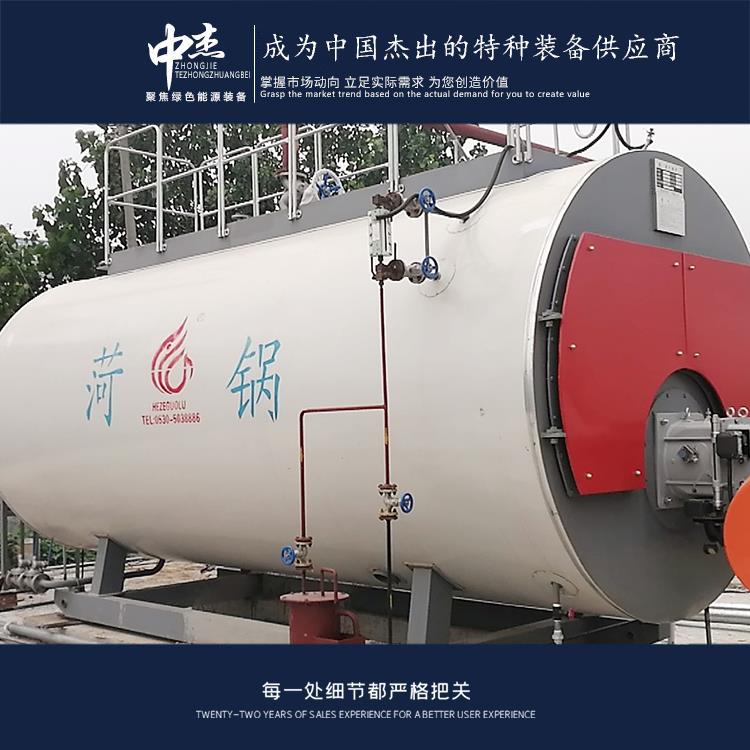
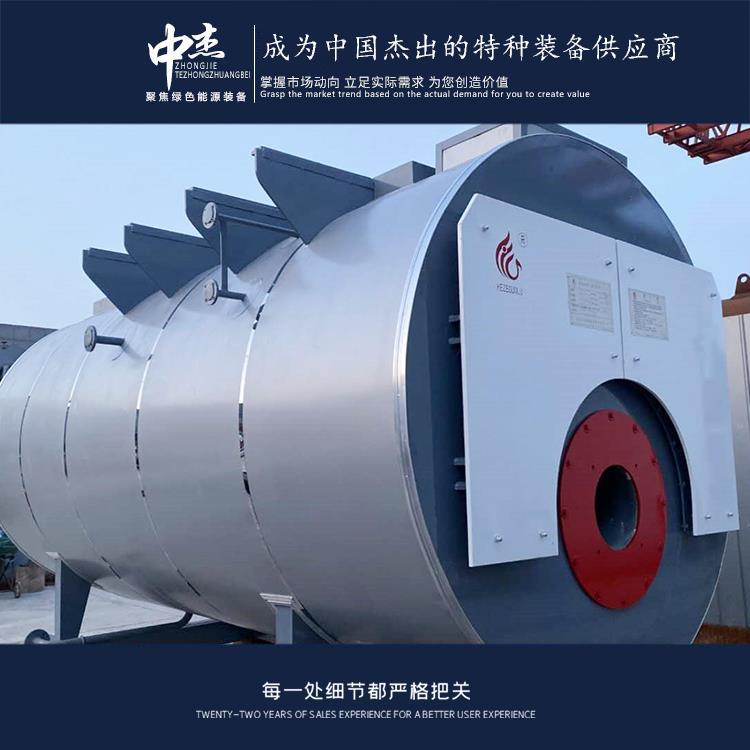


















Shandong Zhongjie Special Equipment (formerly Heze Boiler Factory Co., Ltd.) holds an A-grade boiler manufacturing license, an A2-grade pressure vessel manufacturing license, an A2-grade pressure vessel design license, a B-grade boiler installation license, and GB2/Class, GC2/Class pressure pipeline installation licenses, as well as a mechanical and electrical equipment installation contracting qualification. It is a member of the China Boiler and Water Treatment Association, the China Chemical Equipment Association, and the director unit of the Shandong Equipment Manufacturing Association. The company has also passed the ISO9001 Quality Management System, ISO14001 Environmental Management System, OHSAS18001 Occupational Health and Safety Management System certifications, and the American ASME/U2 certification.
When using a thermal oil furnace with gas, the following points should be noted:
- Safety Operation: The thermal oil furnace is a high-temperature equipment, and safety should be a priority during operation. Operators should be familiar with the equipment's operation procedures and safety precautions, wear necessary personal protective equipment, and ensure safe operation.
- Gas Supply: The thermal oil furnace requires a stable gas supply. Before use, check if the gas pipeline is clear and the gas valve is open to ensure normal gas supply.
- Thermal Oil Circulation: The thermal oil furnace needs to circulate the thermal oil through a pump to the heat source equipment. Before use, inspect the pump's operation to ensure it is functioning properly.
- Temperature Control: The thermal oil furnace usually requires a temperature control system to regulate the thermal oil's temperature. Before use, check the settings and adjustments of the temperature control system to ensure accurate and reliable control.
- Regular Maintenance: The thermal oil furnace needs regular maintenance and upkeep, including cleaning the burner, checking the sealing of pipelines and valves, and replacing worn parts. Regular maintenance ensures the equipment operates smoothly and extends its lifespan.
- Environmental Protection: The thermal oil furnace produces exhaust gases during combustion, so ensure proper exhaust emissions. Implement appropriate exhaust treatment measures, such as flue gas purification equipment, to minimize environmental impact.
- The above points are some of the precautions when using a thermal oil furnace with gas. To ensure safety and the proper operation of the equipment, it is recommended to follow relevant operation procedures and safety requirements, and perform regular maintenance and inspections. If necessary, consult the manufacturer or engineer of the thermal oil furnace for advice.
Proper selection of a thermal oil furnace requires considering the following aspects:
1. Thermal Load Requirement: First, determine the thermal load required by the thermal oil furnace, which is the heat energy needed to be supplied. Establish the rated power and thermal load range of the furnace based on actual demand to ensure it can meet the required heat energy supply.
2. Operating Temperature and Pressure: The operating temperature and pressure range of the thermal oil furnace should match the actual application scenario. Choose the appropriate operating temperature and pressure range based on process requirements and working environment to ensure stable operation of the furnace.
3. Thermal Oil Type: Select the appropriate type of thermal oil based on process requirements and working environment. Common types include silicone thermal oil, organic thermal oil, and mineral oil thermal oil, each with different operating temperature ranges and performance characteristics. Choose according to actual needs.
4. Equipment Quality and Reputation: Choose a thermal oil furnace supplier with a good reputation and quality. Ensure the manufacturing process and material quality of the furnace are reliable, providing stable and reliable performance and after-sales service.
5. Safety and Environmental Protection: The safety and environmental protection of the thermal oil furnace are important considerations. Choose a furnace with safety protection devices and environmental certifications to ensure safety for personnel and equipment during operation.
6. Economy and Energy Efficiency: Consider the economy and energy efficiency of the thermal oil furnace. Choose a furnace with high energy efficiency and energy-saving features to reduce energy consumption and operating costs.
Considering these factors, selecting the appropriate thermal oil furnace based on actual needs can ensure the stable operation of the equipment.
Before ignition, the preparation of a steam boiler involves the following steps: Clean the boiler: First, it's necessary to clean the internal and external dirt and impurities from the boiler. Remove ash, sediment, and dirt to ensure the efficiency of combustion and heat exchange. Check fuel supply: Inspect the fuel supply system to ensure a smooth fuel supply. Examine the fuel storage, transmission pipelines, and filters, clearing blockages and replacing damaged parts. Check the burner: Assess the operational status and cleanliness of the burner. Clean the burner's nozzle and flame detector to ensure proper functioning. Inspect the gas system: For gas boilers, check the gas supply system. Inspect the gas pipelines, valves, and pressure regulators to ensure safe and stable gas supply. Check water level and pressure: Inspect the boiler's water level and pressure. Ensure the water level is within the normal range, with stable pressure that meets requirements. Add water and adjust pressure if necessary. Check safety devices: Inspect the boiler's safety devices such as safety valves, pressure switches, and water level controllers. Ensure these safety devices operate normally to guarantee the safe operation of the boiler. Prepare ignition tools: Assemble the tools and equipment needed for ignition, such as matchsticks, igniters, etc. Ensure these tools work properly and are safe. When performing these preparation tasks, follow relevant operational procedures and safety requirements to ensure the safety and effectiveness of the work. If unsure about the preparation process, consult an expert or the boiler manufacturer for advice.
During the operation of a thermal oil furnace, several important points should be noted:
- Temperature Control: During the operation of the thermal oil furnace, it is crucial to closely monitor and control the temperature of the thermal oil. Ensure the temperature remains within a safe range to avoid decomposition of the oil at high temperatures or condensation and scaling at low temperatures. Regularly inspect and calibrate the temperature sensors to ensure accurate temperature measurement.
- Pressure Control: During the operation of the thermal oil furnace, maintaining an appropriate working pressure is necessary. Excessive pressure can lead to equipment damage or leaks, while insufficient pressure can reduce heat transfer efficiency. Regularly inspect and maintain the pressure gauge and safety valve to ensure accurate and safe pressure control.
- Oil Quality and Cleanliness: The quality and cleanliness of the thermal oil are vital for the normal operation of the furnace. Regularly inspect and replace the thermal oil to ensure it meets quality and performance requirements. Regularly clean and maintain heat exchangers, burners, and flues to prevent the accumulation of dust and dirt, which can affect heat transfer efficiency.
- Regular Maintenance and Inspection: Regular maintenance and inspections are required for the thermal oil furnace to ensure proper operation and extend its lifespan. Regularly inspect and clean burners, flues, and heat exchangers, check and replace seals and valves, inspect and calibrate safety devices, to ensure the equipment's safety and reliability.
- Safe Operation: Strict adherence to operational procedures and safety protocols is required during the operation of the thermal oil furnace. Operators must possess the relevant skills and knowledge.
Shandong Zhongjie Special Equipment, welcome customers to our factory for business discussions.
WeChat Official Account

Scan to follow Official Account



















