


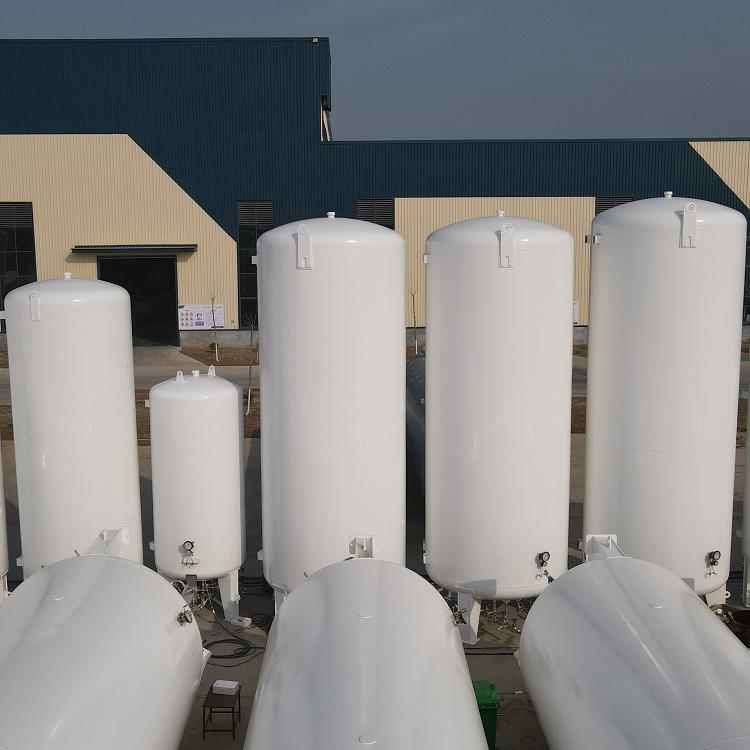

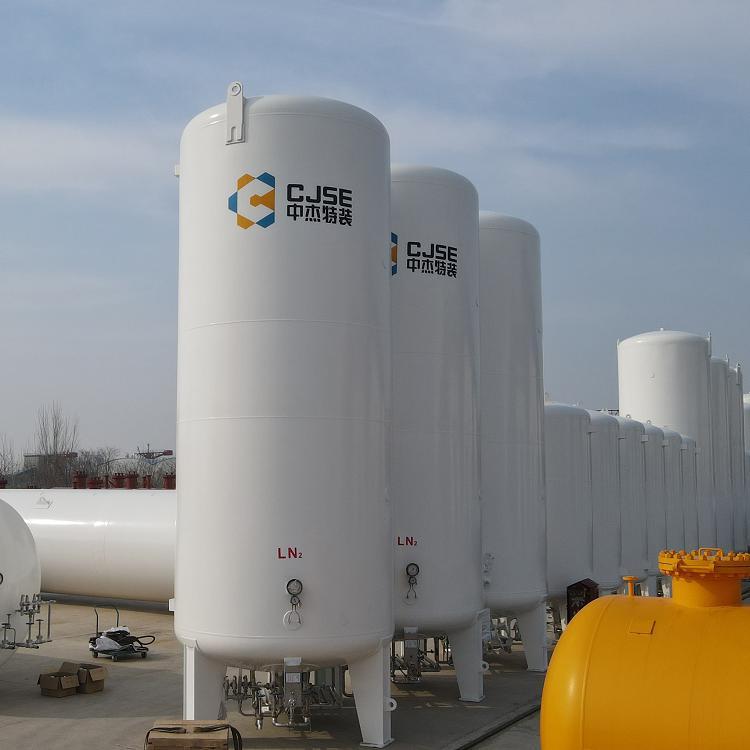
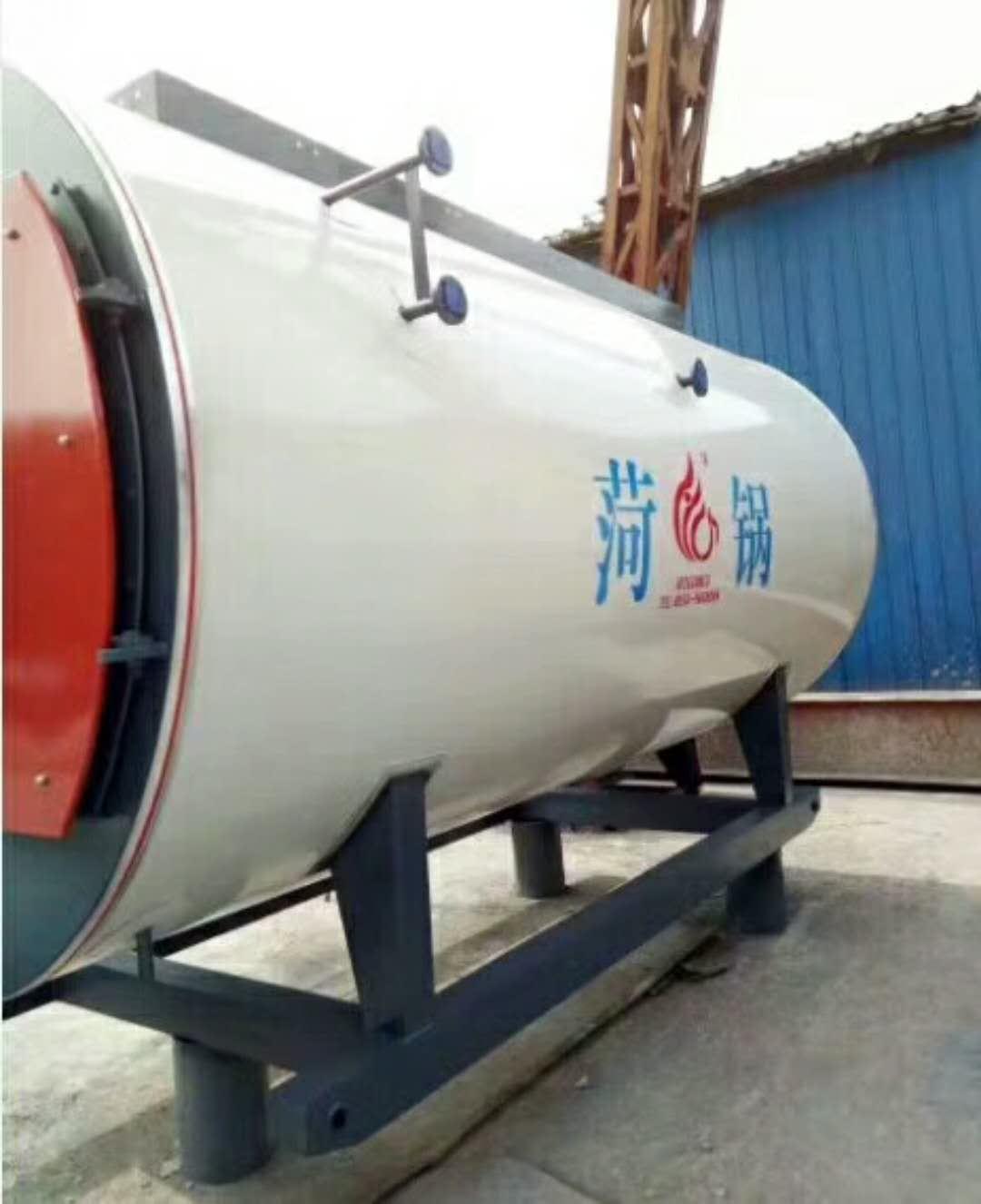


















Shandong Zhongjie Special Equipment specializes in products such as fuel (gas) boilers, organic heat carrier boilers, biomass boilers, waste heat recovery boilers, and other boiler products; vacuum insulation cryogenic pressure vessels including LNG storage tanks, oxygen/nitrogen/argon storage tanks, CO2 storage tanks; pressure vessel products such as denitrification engineering equipment, heat storage and energy storage equipment, complete chemical equipment sets; central air conditioning and ventilation equipment like ground (water) source heat pumps, air source units, water-cooled screw chillers, and air-cooled modular units. Planned products include large-scale thermal energy centers, LNG transport vehicles, LNG tank containers, and other green energy equipment.
The process of using liquid oxygen storage tanks for pressure-regulated oxygen supply typically includes the following steps:
Liquid Oxygen Storage Tank Oxygen Supply System: Typically, a liquid oxygen storage tank oxygen supply system is installed, which includes a liquid oxygen storage tank, liquid oxygen transmission pipelines, and pressure regulating devices, etc. The liquid oxygen in the storage tank is transported through the pipelines to the pressure regulating device.
Pressure Regulator: The pressure regulator is used to convert high-pressure liquid oxygen into the required low-pressure oxygen. It typically includes a pressure valve, a reducer, and a flowmeter. The pressure valve is used to control the oxygen pressure, the reducer is for reducing the high-pressure liquid oxygen to the desired low pressure, and the flowmeter is for measuring the oxygen flow rate.
Oxygen Supply Pipeline: Low-pressure oxygen from the pressure-regulating unit is transported through the pipeline to areas requiring oxygen supply, such as patient rooms, operating theaters, etc. The pipelines are typically made of stainless steel or plastic, offering excellent airtightness and corrosion resistance.
Oxygen Interface: Install oxygen interfaces at locations requiring oxygen supply, such as hospital beds or operating tables. Oxygen interfaces typically include an oxygen flow regulator and oxygen connectors, used for adjusting oxygen flow and connecting oxygen masks or tubes.
Oxygen supply and adjustment: By adjusting the pressure-reducing valve of the pressure regulator, control the pressure and flow of oxygen. Adjust the flow and concentration of oxygen according to the patient's needs, ensuring the patient receives an adequate oxygen supply.
Note that when using liquid oxygen storage tanks for pressure regulation and oxygen supply, it is essential to follow the relevant equipment operation and safety procedures. Operators must have the required training and skills to ensure the normal and safe operation of the oxygen supply system. Additionally, regular inspections and maintenance of the equipment and pipelines of the oxygen supply system are necessary to ensure their proper functioning and safety.
During the process of constructing low-temperature liquid oxygen storage tanks with central oxygen supply, particular attention should be paid to the following aspects:
Safe Operation: Strict adherence to safety procedures and standards is mandatory during the storage tank installation process. Operators must be trained, familiar with the properties and safety requirements of liquid oxygen, and knowledgeable about the equipment and operational procedures to ensure safe operation.
Fire Prevention Measures: Liquid oxygen contains a high oxygen content and is prone to cause fires. During the installation process, necessary fire prevention measures should be taken, such as setting up fire barriers, using fire-resistant coatings, and prohibiting open flames, to prevent the occurrence and spread of fires.
Leak Control: Pay attention to leak control during the installation process. Oxygen concentration may increase due to the leakage of liquid oxygen, which can increase the risk of fire and explosion. Leak detectors and alarm systems should be equipped to detect and control leaks in a timely manner, and appropriate emergency measures should be taken.
Oxygen Concentration Monitoring: During the installation process, the oxygen concentration around the liquid oxygen storage tank should be monitored regularly. High oxygen concentrations can exacerbate the combustion of flammable materials, increasing the risk of fire and explosion. Take timely measures to ensure the oxygen concentration remains within a safe range.
Grounding and Static Protection: During the liquid oxygen process, ensure proper grounding of the storage tank and related equipment to minimize static accumulation and discharge. Utilize static-conductive materials and anti-static equipment to reduce the dangers caused by static.
Regular inspections and maintenance: After the installation is completed, the liquid oxygen tank should be regularly inspected and maintained. This includes visual inspections, pressure tests, leak detection, etc., to ensure the tank's safety and stability.
Note that during the installation of the central oxygen supply low-temperature liquid oxygen storage tank, operations should be conducted by experienced personnel and in accordance with relevant safety operation procedures and standards. Throughout the installation process, safety risks should be closely monitored, and timely measures should be taken to ensure the safety and stability of the installation.
Liquid Argon Storage Tanks are specialized equipment designed for storing liquid argon, featuring the following parameters, functions, and characteristics:
Parameters:
Tank Capacity: The capacity of liquid argon tanks can be customized according to requirements, generally available in various sizes such as 500L, 1000L, 2000L, and so on.
Operating Pressure: The operating pressure of liquid argon tanks is typically at atmospheric pressure or slightly above atmospheric pressure.
Storage Temperature: The storage temperature for liquid argon tanks is typically -196 degrees Celsius, which is the boiling point of argon, maintaining its liquid state.
Feature:
Store Liquid Argon: Liquid argon tanks are primarily used for storing liquid argon, maintaining its liquid state at low temperatures for supply and usage.
Insulation: The liquid argon storage tank utilizes insulation materials and structural design to minimize heat conduction and retention, maintaining the low-temperature state of liquid argon.
Safety Controls: The liquid argon storage tank is equipped with safety devices such as pressure relief valves and level alarms, ensuring safe operation and use.
Features:
High Purity Supply: Liquid argon storage tanks can provide high purity liquid argon for various applications, such as cryogenic storage, gas shielded welding, and semiconductor manufacturing.
Long-term Storage: Liquid argon tanks can store liquid argon for extended periods, thereby extending its service life. By controlling the temperature inside the tank and the performance of the insulation layer, the evaporation and oxidation of the liquid argon can be slowed down.
Versatile Applications: Liquid argon storage tanks are widely used in various fields such as industry and scientific research, including refrigeration and semiconductor manufacturing.
Environmental Protection and Energy Saving: Liquid argon storage tanks effectively store and utilize liquid argon, reducing energy waste and environmental pollution.
In summary, liquid argon tanks are designed for storing liquid argon, thermal insulation, and safety.
To maintain the stability of liquid argon tanks, the following details should be noted:
Basic Design: The foundation design of the tank must comply with relevant standards and regulations to ensure stability and load-bearing capacity. The foundation should possess sufficient strength and seismic resistance to withstand external forces and natural disasters such as earthquakes.
Foundation Construction: During the foundation construction process, it is essential to ensure the flatness and levelness of the foundation, avoiding any tilting or uneven settlement. Additionally, the concrete pouring of the foundation should comply with construction specifications, ensuring the quality and strength of the concrete.
Installation Process: During the installation of the tank, appropriate lifting equipment and safety measures must be employed to ensure the vertical installation and stability of the tank. Avoid severe vibrations and impacts during the installation process to prevent damage or deformation to the tank.
Support Structure: The support structure of the tank should be designed rationally to ensure the stability and load-bearing capacity of the tank. The support structure should be made of sturdy materials and use appropriate connection methods to withstand external forces and the pressure from the liquid inside the tank.
Safety Equipment: Tanks should be equipped with safety devices such as pressure relief valves and level alarms to ensure timely measures can be taken in abnormal situations, ensuring the safety of the tank.
Regular inspections and maintenance: Conduct regular checks and maintenance on liquid argon storage tanks, including visual inspections, pressure tests, leak detection, and as required, non-destructive testing and material analysis. Promptly identify and address any issues with the tanks to ensure their stability and safety.
Note that the installation of liquid argon tanks should be carried out by experienced personnel and in accordance with relevant safety operating procedures and standards. During installation, operations must be strictly followed the manufacturer's installation guidelines and requirements to ensure the tank's stability and safety.
Shandong Zhongjie Special Equipment, welcome customers to our factory for business discussions.
WeChat Official Account

Scan to follow Official Account



















