


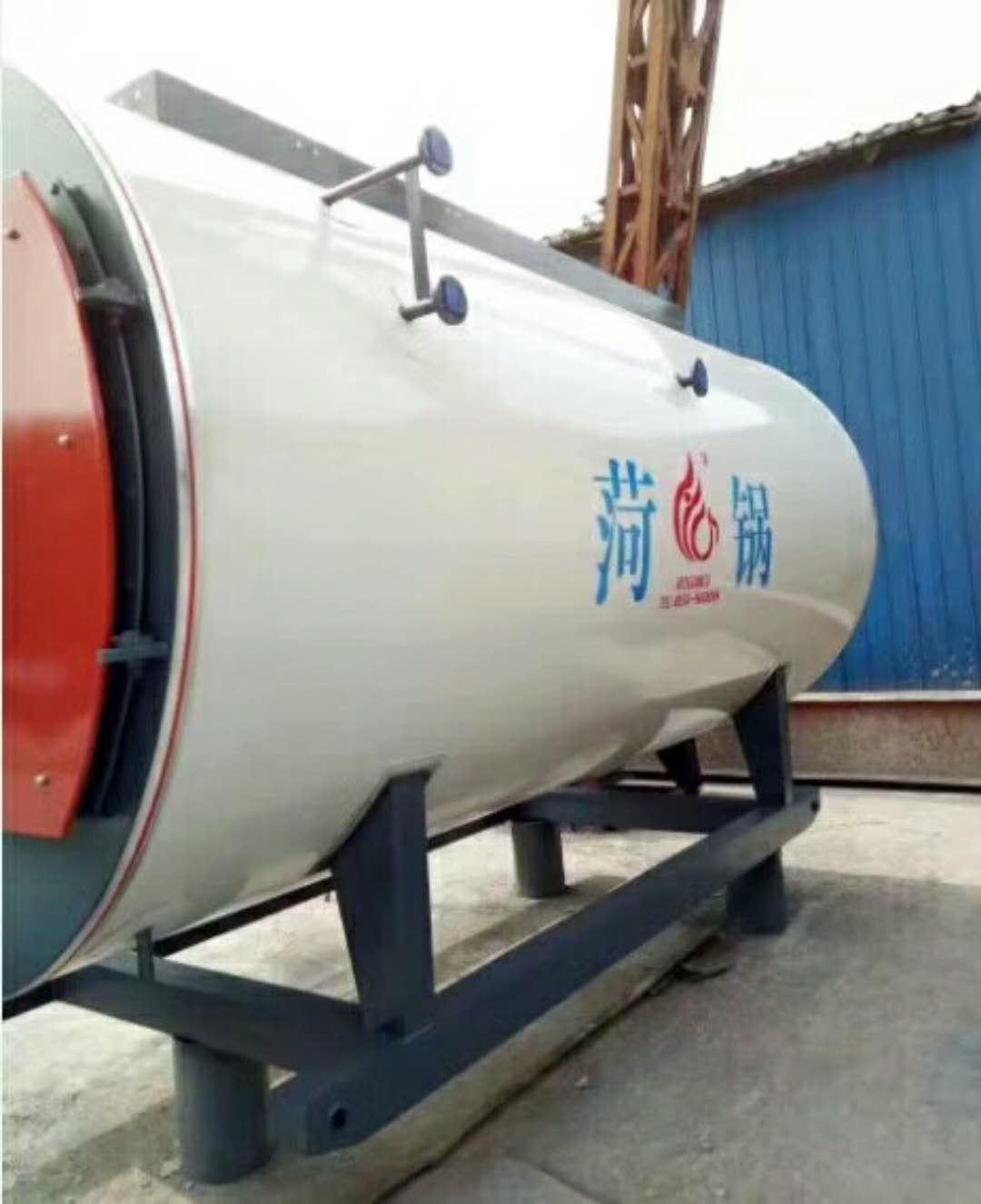

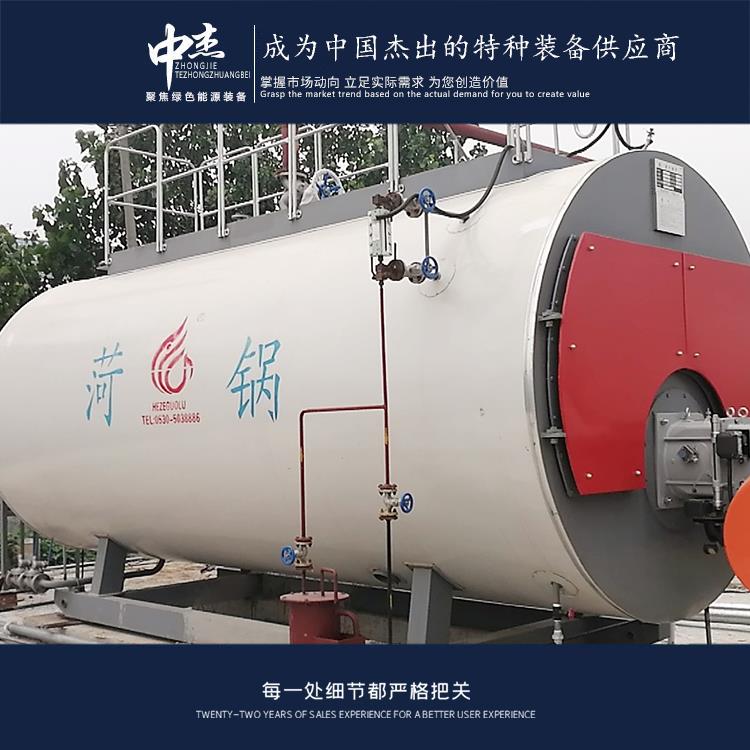
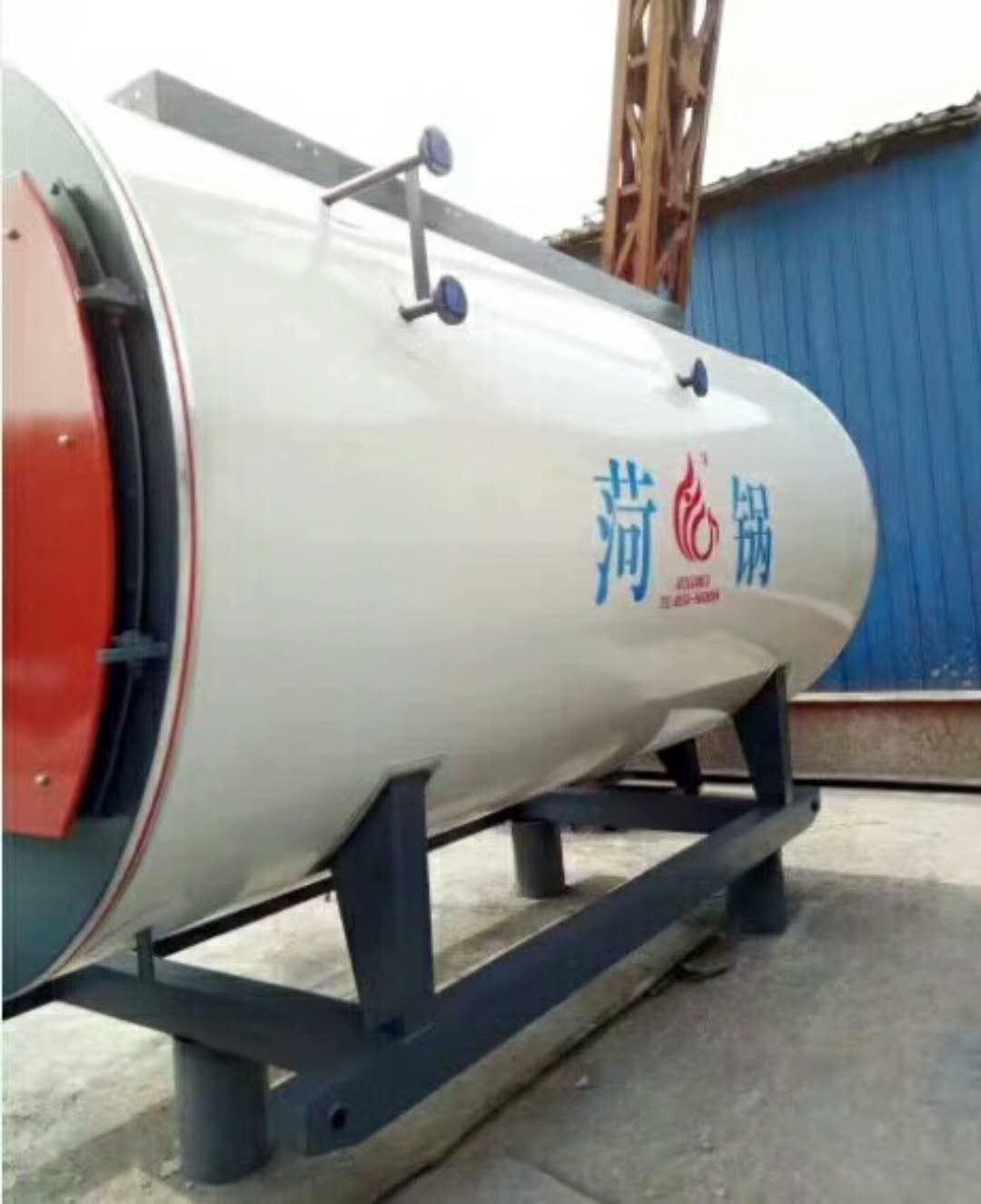


















Shandong Zhongjie Special Equipment (formerly Heze Boiler Factory Co., Ltd.) holds an A-grade boiler manufacturing license, A2-grade pressure vessel manufacturing license, A2-grade pressure vessel design license, B-grade boiler installation license, GB2 and GC2 class pressure pipeline installation licenses, and electromechanical equipment installation contracting qualifications. It is a member of the China Boiler and Water Treatment Association, the China Chemical Equipment Association, and the council unit of the Shandong Equipment Manufacturing Association. The company has also passed the ISO9001 Quality Management System, ISO14001 Environmental Management System, OHSAS18001 Occupational Health and Safety Management System certifications, and the American ASME/U2 certification.
The gas steam boiler's gas consumption over a year, for a 1-ton capacity unit, depends on various factors, including the efficiency of the boiler, load conditions, and operating hours. Generally, it can be estimated using the following formula: Gas Consumption (m) = Boiler Efficiency × Rated Thermal Power × Operating Hours. Here, boiler efficiency refers to the boiler's thermal energy utilization efficiency, typically expressed as a percentage; rated thermal power is the boiler's rated thermal output, usually in kilowatts (kW); and operating hours are the duration the boiler is in operation, commonly measured in hours. It's important to note that the boiler's efficiency and rated thermal power can be determined based on the specific model and parameters of the boiler, while operating hours need to be estimated based on actual usage. Therefore, for an accurate calculation of the 1-ton gas steam boiler's annual gas consumption, it is recommended to refer to the technical specifications and operating records of the boiler, or consult the boiler manufacturer or engineer.
A gas thermal oil furnace is a device that uses gas as fuel to transfer heat energy through thermal oil. Its features include:
- High thermal efficiency: The gas thermal oil furnace uses thermal oil as the heat transfer medium, offering high heat transfer efficiency. The thermal oil has high thermal conductivity and thermal stability, enabling rapid heat transfer and improving energy utilization efficiency.
- Temperature control: The furnace can control the working temperature by regulating gas supply and thermal oil circulation. This temperature control meets various process and production requirements, enhancing production efficiency and product quality.
- Safety and reliability: The furnace employs a closed-loop system, with the combustion process occurring in an enclosed environment, reducing the risk of gas leakage. Additionally, the thermal oil has a high flash point and ignition point, making the combustion process relatively safe and reliable.
- Flexibility: The gas thermal oil furnace is suitable for various industrial sectors such as chemicals, textiles, and food processing. It can adapt to different process needs and working conditions, offering strong flexibility.
- Environmental protection and energy saving: The furnace emits relatively low amounts of exhaust gas during combustion, causing minimal environmental pollution. Due to its high thermal efficiency and temperature control, the furnace can save energy consumption and reduce energy costs.
- It is important to note that regular inspections and maintenance are required for the gas thermal oil furnace during use to ensure proper operation and extend its service life. Moreover, selecting the appropriate model and supplier is crucial for ensuring its characteristics and performance.
A gas boiler is a heating equipment that uses gas or similar fuels. It generates heat by burning the gas, heating water into steam or hot water for use in heating, hot water supply, or industrial production, among other applications. The working principle of a gas boiler involves mixing gas with air, igniting the mixture to produce high-temperature combustion gases, which then transfer heat to the water through a heat exchanger, raising the water temperature. Gas boilers offer advantages such as environmental friendliness, safety, and are widely used in residential, commercial, and industrial sectors.
During the production welding of a thermal oil boiler, the following points should be noted:
Welder Qualifications: Ensure that the welders involved in the welding work possess appropriate qualifications and experience, and are familiar with welding processes and operation procedures.
Welding Material Selection: Choose welding materials suitable for thermal oil boilers, ensuring compatibility with the thermal oil and high-temperature resistance.
Welding Process Control: Select an appropriate welding process based on the material and design requirements of the thermal oil boiler, such as manual arc welding or gas shielded welding. Control welding parameters like current, voltage, and welding speed to ensure the quality and strength of the weld.
Welding Area Protection: During the welding process, the welding area should be protected to prevent contamination from the thermal oil and welding materials. Use welding barriers, welding shields, and other equipment to ensure the cleanliness and safety of the welding area.
Post-Welding Treatment: After welding, post-treatment of the weld is required, such as slag removal, sanding, and cleaning. Ensure the flatness and surface quality of the weld.
Welding Quality Inspection: Conduct welding quality inspections, including visual inspection of the weld, dimension measurements, and non-destructive testing, to ensure the welding quality meets requirements.
Safety Measures: Pay attention to safety measures during the welding process, such as wearing protective eyewear, gloves, and fire-resistant clothing, to ensure the safety of the welding operation.
It is important to follow relevant standards and specifications during the welding process to ensure welding quality and safety. If unsure about how to perform welding or if there are potential safety hazards, seek the advice of a welding engineer or consult relevant agencies.
Our company attaches great importance to technological innovation and R&D design. We have one municipal-level enterprise technology center in Heze City, equipped with testing facilities for non-destructive testing,理化 tests, welding tests, hydrostatic tests, etc. We have over 600 types of equipment, including CNC machine tools, X-ray flaw detectors, digital ultrasonic flaw detectors, mechanical property testing machines, chemical analyzers, spectrometers, tensile testing machines, plasma welding machines, and more. The key products and technologies we have developed, such as temperature-pressure vessel welding, biomass boiler emission reduction, and waste heat utilization, have successively been selected for multiple Shandong Provincial Department of Industry and Information Technology science and technology innovation projects, Shandong Provincial key projects, and Heze City innovative and excellent projects. We have cumulatively obtained 27 authorized utility model patents, 16 authorized invention patents, participated in drafting 2 standards, 2 industry standards, and registered 15 trademarks. The technical team of our company, in collaboration with Professor Yajiang Li of Shandong University, has developed deep cryogenic container processing technology using the international plasma arc + filler wire tungsten inert gas arc welding (PAW-GTAW) technology. After provincial-level scientific and technological achievement evaluation, the technical level has reached an international standard in the field of deep cryogenic container manufacturing.
Choose ZJET's customized solutions, let's create brilliance together!
WeChat Official Account

Scan to follow Official Account



















