



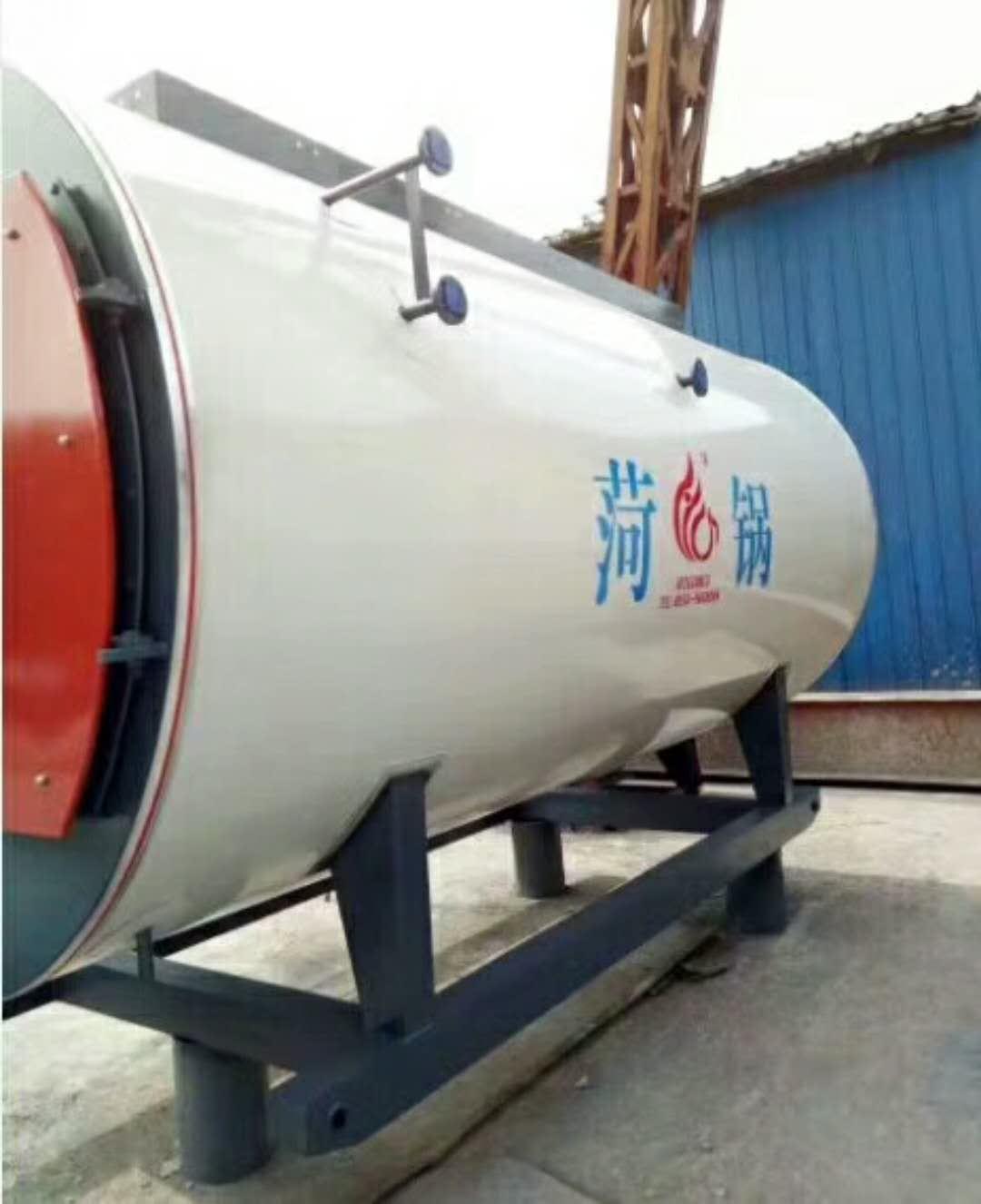
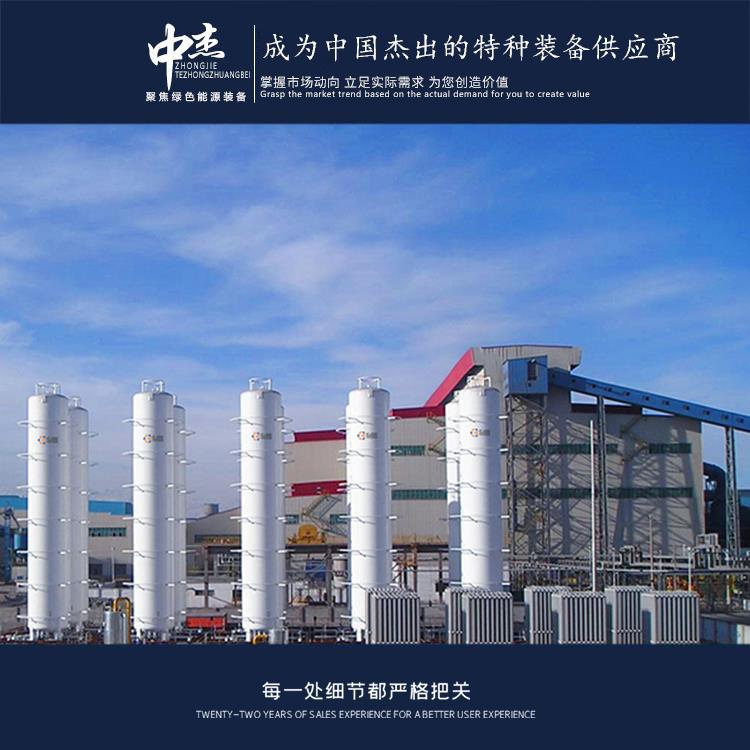


















Shandong Zhongjie Special Equipment (formerly Heze Boiler Factory Co., Ltd.) holds an A-grade boiler manufacturing license, A2-grade pressure vessel manufacturing license, A2-grade pressure vessel design license, B-grade boiler installation, and GB2/Class, GC2/Class pressure pipeline installation licenses, as well as mechanical and electrical equipment installation contracting qualifications. It is a member of the China Boiler and Water Treatment Association, the China Chemical Equipment Association, and the council unit of the Shandong Equipment Manufacturing Association, and has passed the ISO9001 Quality Management System, ISO14001 Environmental Management System, OHSAS18001 Occupational Health and Safety Management System certifications, and the American ASME/U2 certification.
Carbon dioxide tanks are widely used in many different industries. Here are some common applications:
Food and Beverage Industry: Carbon dioxide tanks are used in the production of carbonated beverages, beer, soda, and more within the food and beverage industry. Carbon dioxide is injected into the drinks to enhance their fizz and flavor.
Industry: In the industry, carbon dioxide tanks are utilized for applications such as anesthesia, respiratory care, and emergency medical services. Liquid carbon dioxide can be used to create refrigerants for freezing and preserving biological samples and tissues.
Fire Suppression: Carbon dioxide tanks are employed in fire suppression systems within the fire industry. Carbon dioxide is released into the fire scene to extinguish flames by suppressing oxygen supply.
Gas Supply: Carbon dioxide tanks also supply CO2 gas for industrial and commercial use. These gases are used in applications like welding, gas shielding, semiconductor manufacturing, and water treatment.
Climate Control: In greenhouses and indoor horticulture, carbon dioxide tanks are used to control and increase the CO2 concentration for plant growth.
Additionally, carbon dioxide tanks can be used in other industries, such as the automotive industry (for airbag systems) and certain industries (for propellants and gas supply).
It is important to note that the requirements and applications for carbon dioxide tanks may vary by industry. When using carbon dioxide tanks, it is essential to adhere to relevant regulations and standards, ensuring that the design, manufacturing, and use of the tanks meet the necessary requirements.
Carbon dioxide tanks are safe when used and maintained properly, but they can pose certain dangers if safety protocols are not followed or there are improper operations. Here are some potential hazards associated with carbon dioxide tanks:
- High Pressure Risk: Carbon dioxide tanks are commonly used to store high-pressure CO2 gas, presenting a high-pressure risk. If the tank is damaged, overheated, or over-pressurized, it may explode or leak, causing personal injury and property damage.
- Asphyxiation Risk: CO2 is an asphyxiating gas, and high concentrations can displace oxygen in the air, leading to asphyxiation. When using CO2 tanks in confined spaces, ensure adequate ventilation and oxygen supply to avoid asphyxiation risks.
- Freezing Risk: Liquid CO2 is extremely cold, and contact with it can cause cold injuries. Follow proper operational procedures and use appropriate personal protective equipment to prevent cold injuries.
- Fire Risk: Although CO2 is not flammable itself, it can suppress oxygen supply at high concentrations, potentially extinguishing fires. However, if CO2 leaks into the air, it may form flammable mixtures, increasing the risk of fire.
To ensure safety, always adhere to relevant safety operation procedures and guidelines when using carbon dioxide tanks and receive necessary training. Regular inspections and maintenance of the tank, following the manufacturer's recommendations and local regulations, can reduce potential hazards. In the event of abnormal situations or leaks, take appropriate emergency measures immediately and notify relevant personnel.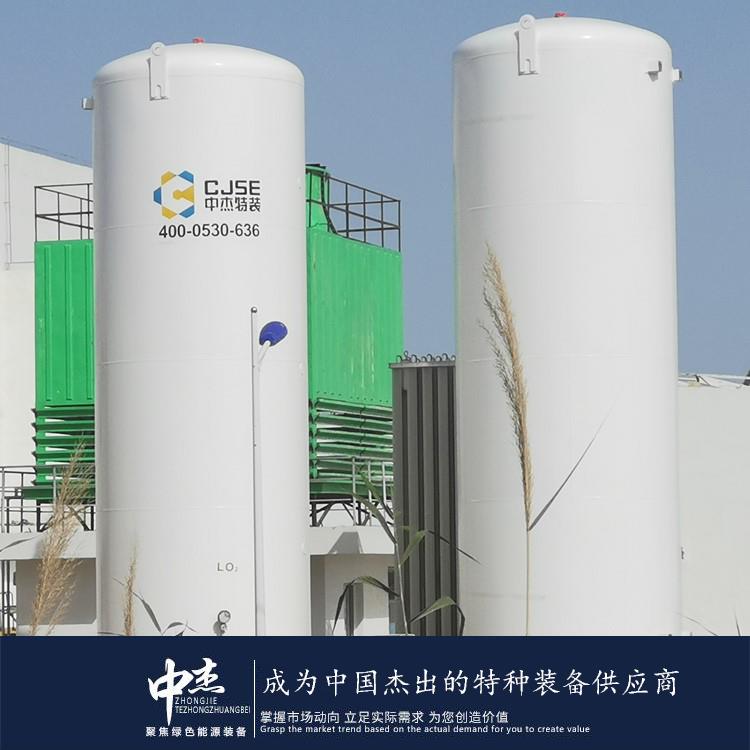
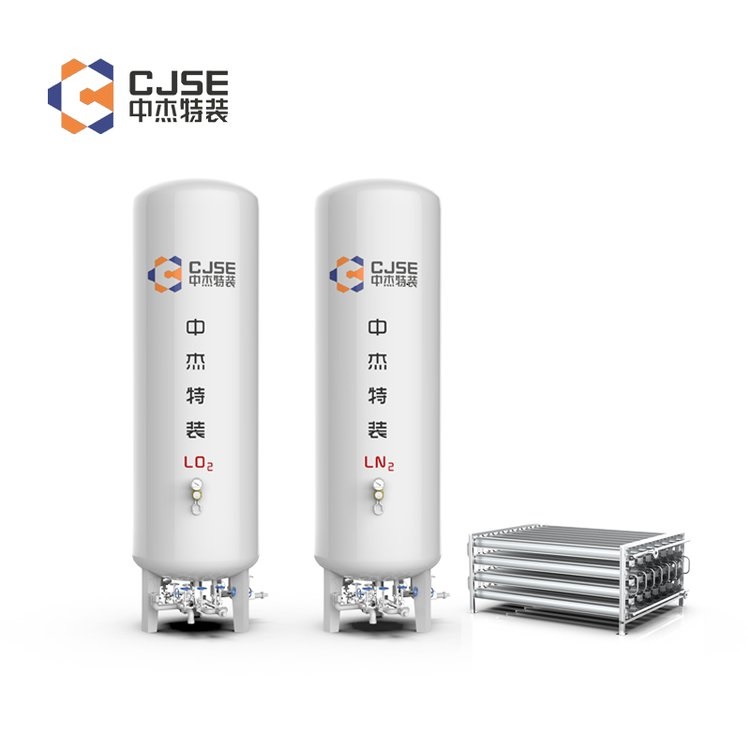
Carbon dioxide storage tanks are equipment used for storing and supplying carbon dioxide gas, featuring the following parameters, functions, and characteristics:
Parameters:
- Capacity: The capacity of carbon dioxide storage tanks can be customized to meet demand, typically expressed in volume of liquid carbon dioxide, such as kiloliters or cubic meters.
- Pressure: The internal pressure of the tank is usually controlled within a safe range to ensure the safety of storage and supply.
- Temperature: Carbon dioxide storage tanks generally need to be maintained at low temperatures to maintain the liquid state of carbon dioxide.
Functions:
- Storage: Carbon dioxide storage tanks can compress carbon dioxide gas into a liquid state, enabling high-density storage, saving space and costs.
- Supply: Carbon dioxide within the tank can be supplied to required fields through pipelines or other methods, such as the food and beverage industry, fire suppression, and more.
Characteristics:
- Eco-friendly and Renewable: Carbon dioxide is an environmentally friendly gas; storing and utilizing it can reduce its emissions into the atmosphere, achieving environmental protection and sustainable development.
- Safe and Reliable: Carbon dioxide storage tanks are usually made of high-strength materials during design and manufacturing, offering excellent pressure resistance and safety. The tank is equipped with safety valves, pressure gauges, and other accessories to ensure safe operation.
- Multiple Applications: Carbon dioxide storage tanks are widely used in the food and beverage industry, various sectors, fire suppression, and more. Carbon dioxide serves as a preservative, carbonation agent, gas, and extinguishing agent, with broad applications and market demand.
In summary, carbon dioxide storage tanks possess characteristics such as high-density storage, safety, reliability, environmental friendliness, and multiple application areas, making them an important device for storing and supplying carbon dioxide gas.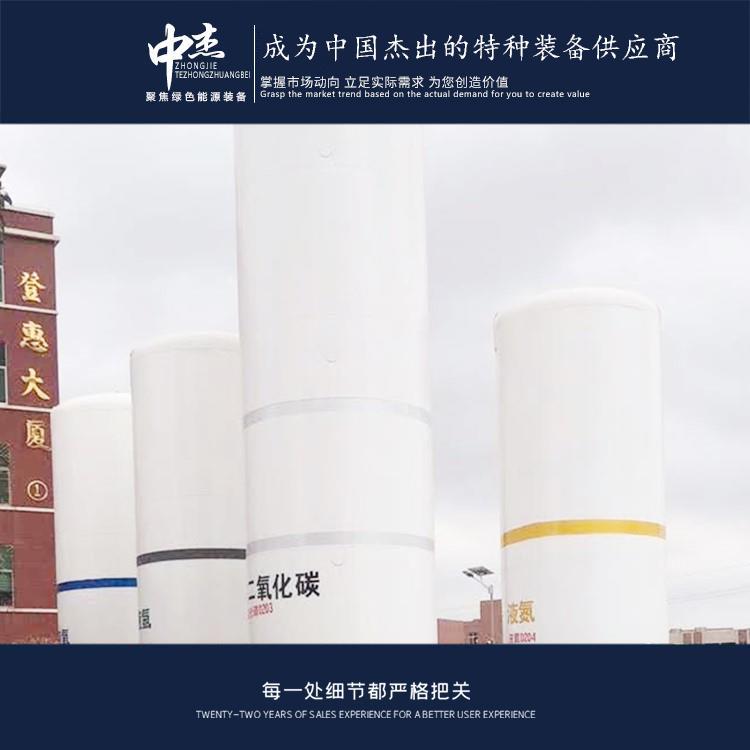
以下是一些常见的二氧化碳储罐管理守则: 安全管理:建立完善的安全管理制度,包括安全操作规程、应急预案和事故处理程序等。确保操作人员具备必要的安全知识和技能,并定期进行安全培训和演练。 储罐检查和维护:定期检查储罐的外观、阀门、连接件等,确保其完好无损。定期进行泄漏检测和压力测试,确保储罐的安全性能符合要求。 液位监测和控制:定期监测储罐内的液位,确保储罐内的二氧化碳充足。根据需要进行充填或放空操作,维持适当的液位。 废气处理:处理二氧化碳储罐产生的废气,避免对环境造成污染。采取适当的废气处理措施,如收集和处理废气。 防火防爆措施:采取防火防爆措施,确保储罐周围的环境安全。远离火源、高温区域和易燃物质,定期检查和维护防火设施。 标识和警示:储罐应明确标识,包括储存的气体类型、压力等信息。周围应设置警示标志,提醒人员注意储罐的存在和相关安全注意事项。 储存记录:记录储罐的使用情况,包括充填日期、充填量、检查记录等。定期进行储罐的检测和维护,并保留相关记录。 定期审查和改进:定期审查储罐管理制度和操作流程,及时发现问题并进行改进。根据实际情况进行风险评估和管理,提高管理水平和安全性能。 需要注意的是,具体的管理守则可能会因不同的储罐类型和应用而有所不同。在管理二氧化碳储罐时,应根据相关的规范和标准进行操作,并咨询人士以确保安全和有效性。
Chongjie Special Equipment upholds the grand vision of "realizing employees' dreams, creating value for customers, and striving for the prosperity and strength of our motherland," and is dedicated to the development of green energy equipment. We offer society products and services with high performance and cost-effectiveness!
WeChat Official Account

Scan to follow Official Account



















