


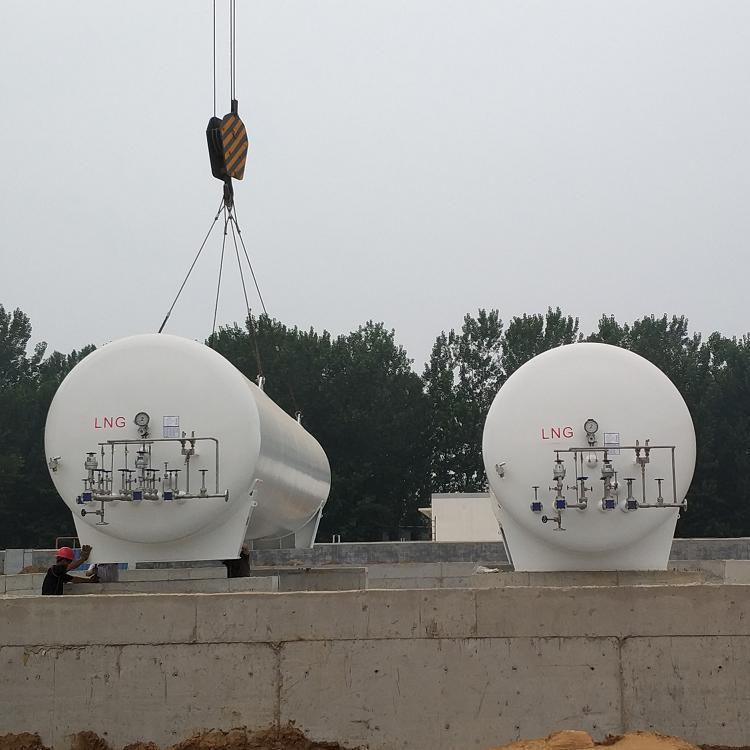

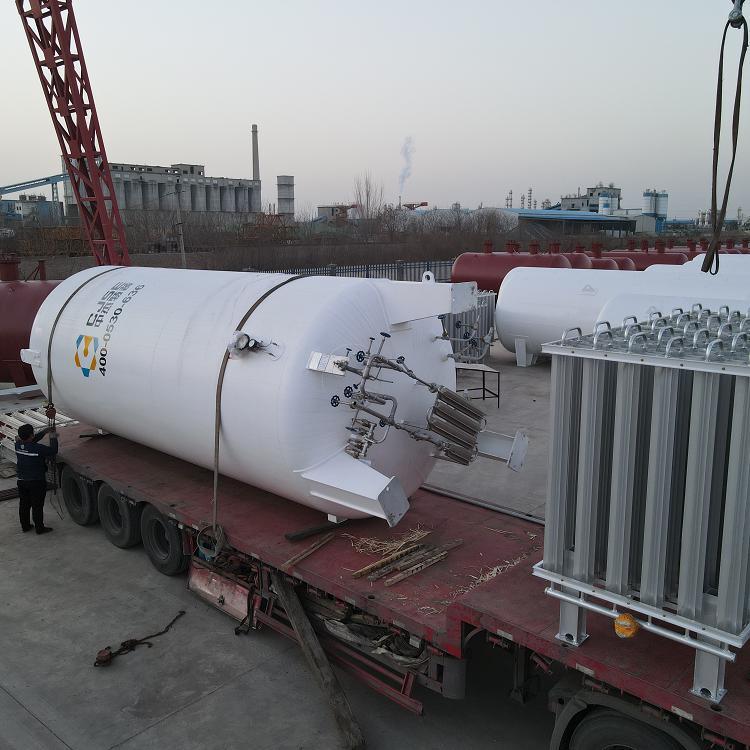
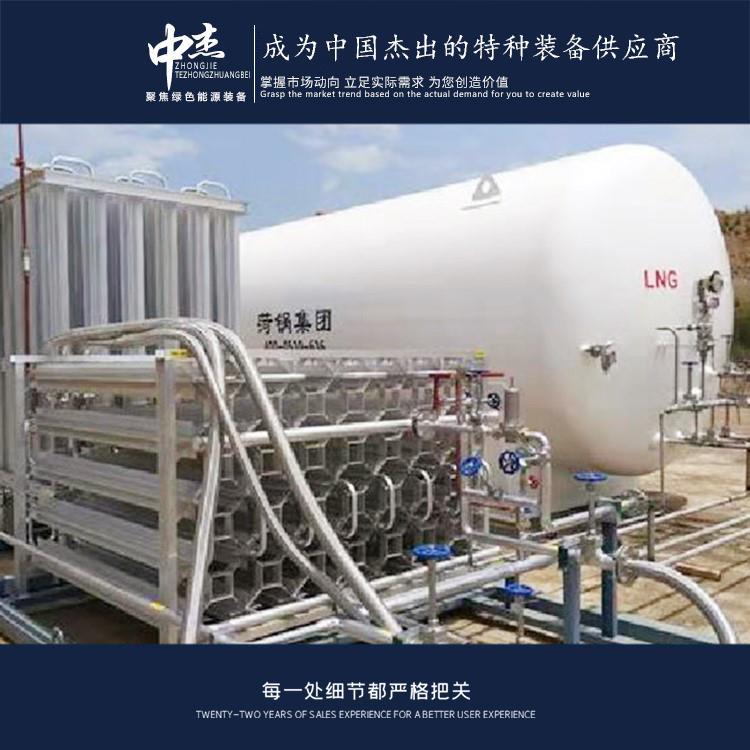


















Shandong Zhongjie Special Equipment (formerly Heze Boiler Factory Co., Ltd.) holds an A-grade boiler manufacturing license, an A2-grade pressure vessel manufacturing license, an A2-grade pressure vessel design license, a B-grade boiler installation license, and GB2/Class, GC2/Class pressure pipeline installation licenses, as well as a mechanical and electrical equipment installation contracting qualification. It is a member of the China Boiler and Water Treatment Association, the China Chemical Equipment Association, and the director unit of the Shandong Equipment Manufacturing Association. The company has also passed the ISO9001 Quality Management System, ISO14001 Environmental Management System, OHSAS18001 Occupational Health and Safety Management System certifications, and the American ASME/U2 certification.
Carbon dioxide tank level gauges are devices used for measuring and monitoring the liquid level of CO2 within the tank. Depending on different working principles and application requirements, common types of CO2 tank level gauges include the following:
- Buoy Level Gauge: Uses the buoyancy of a float to indicate the level, measured through a mechanical device or electrical signal sensor connected to the float.
- Pressure Level Gauge: Measures the level by utilizing the relationship between liquid pressure and level. The level height is calculated by measuring the pressure change on a pressure sensor.
- Ultrasonic Level Gauge: Measures the level using the propagation time of ultrasound. An ultrasonic transmitter emits waves, and when the beam encounters the liquid surface, part of it is reflected back. The level height is calculated by measuring the reflection time.
- Capillary Level Gauge: Utilizes the capillary principle to measure the level. By inserting a thin tube into the liquid, the liquid rises within it, and the level height is calculated based on the rise.
- Level Gauge: Measures the level by reflecting waves. The transmitter emits waves, and when the beam encounters the liquid surface, part of it is reflected back. The level height is calculated by measuring the reflection time.
The application of these level gauges in CO2 tanks can be selected based on specific needs and tank design. When selecting and installing level gauges, factors such as liquid properties, working environment, and precision requirements should be considered, and it must be ensured that they are compatible with the tank's safe operation and monitoring system.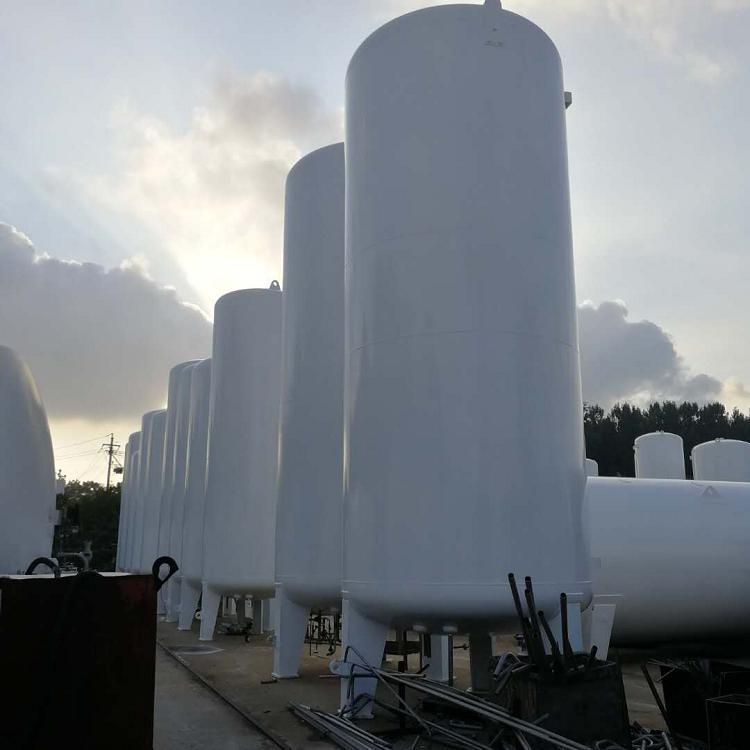
The internal structure of a carbon dioxide storage tank typically includes the following main components:
- Tank Shell: The tank shell is the primary container for storing carbon dioxide, usually made of carbon steel or stainless steel. It is designed with sufficient strength and密封性 to withstand internal pressure and loads.
- Lining Layer: To prevent direct contact between carbon dioxide and the tank shell, avoiding corrosion and contamination, the interior of the tank is often coated with a lining layer. This lining is typically made of corrosion-resistant materials such as glass fiber reinforced plastic or polyester resin.
- Support Structure: To support the tank's weight and maintain stability, an internal support structure is usually installed. This can include support legs or frames to support the bottom and side walls of the tank.
- Internal Accessories: The tank is also equipped with important accessories such as level gauges, pressure sensors, temperature sensors, and safety valves. These accessories monitor and control the liquid level, pressure, and temperature inside the tank to ensure safe operation.
- Pressure Relief Device: To prevent excessive internal pressure, the tank is usually equipped with a pressure relief device such as a safety valve. When the internal pressure exceeds the set value, the relief device automatically opens to release pressure, protecting the tank's safety.
- Inlet and Outlet Pipes: The tank also features inlet and outlet pipes for injecting and discharging carbon dioxide. These pipes are typically connected to external supply or consumption systems to facilitate the storage and use of carbon dioxide.
- The above describes the general internal structure of a carbon dioxide storage tank. Specific structural design and configurations may vary depending on the tank's purpose and specifications. When using and maintaining the tank, it is necessary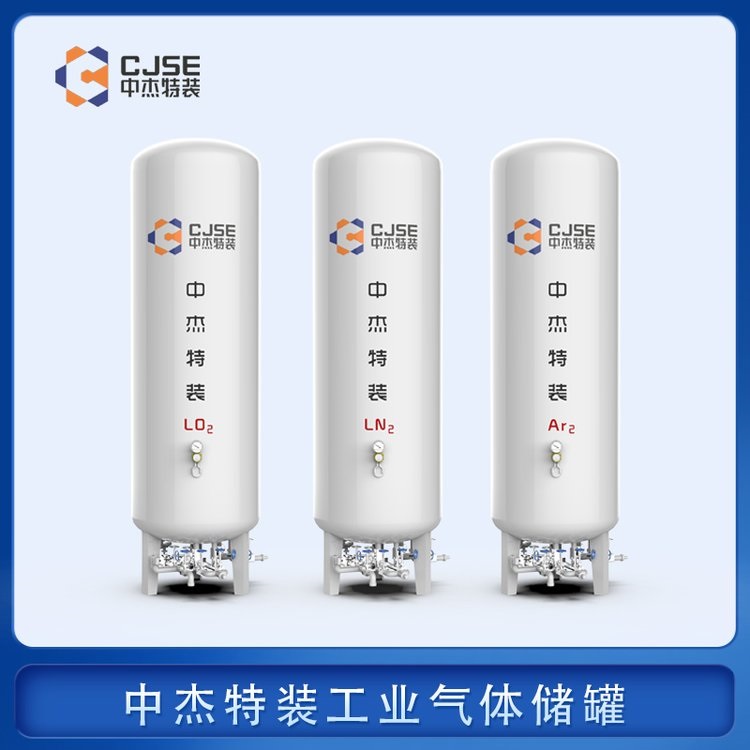
The design requirements for carbon dioxide storage tanks typically include the following aspects: Pressure Vessel Design: Carbon dioxide storage tanks are generally designed as high-pressure vessels capable of withstanding high pressure. The design must comply with relevant standards and regulations, such as Standard GB150 "Steel Pressure Vessels." Material Selection: The choice of material for the tank should consider the properties of carbon dioxide, such as high pressure, high oxidizing, and corrosive nature. Common materials include carbon steel and stainless steel, with selection based on specific working conditions and requirements. Safety Valves and Pressure Control: The tank should be equipped with safety valves and pressure control devices to ensure the internal pressure remains within a safe range. Safety valves should be selected according to design requirements and should be inspected and tested regularly to ensure proper functioning. Insulation Performance: Since carbon dioxide needs to remain in a liquid state at low temperatures, the tank should have good insulation properties to prevent excessive evaporation of liquid carbon dioxide and energy loss. The selection and design of insulation materials and layers should consider working temperatures and environmental conditions. Leak Detection and Alarm: The tank should be equipped with leak detection devices and alarm systems, as well as corresponding monitoring equipment. These devices can detect leaks in a timely manner and trigger alarms to take appropriate measures. Structural Strength and Stability: The structural design of the tank should have sufficient strength and stability to withstand internal pressure and external loads. The structural design should comply with relevant standards and regulations, such as Standard GB12337 "Pressure Vessel Design Specification." Safe Operation and Maintenance: The design of the tank should take into account the ease of safe operation and maintenance, such as the placement of manholes, inspection openings, and drain outlets.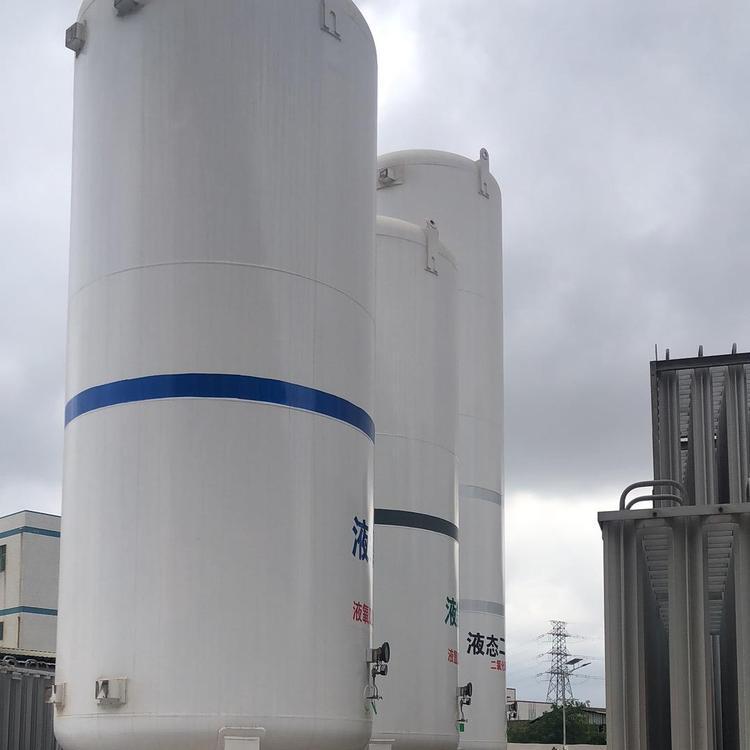
When using CO2 storage tanks, pay attention to the following aspects:
- Safe Operation: Adhere to relevant safety operation procedures and standards, ensuring operators possess necessary safety knowledge and skills. When using the tank, be mindful of preventing leaks, explosions, and fires, etc.
- Tank Pressure Control: Monitor and control the tank's pressure to ensure it remains within a safe range. Avoid exceeding the tank's rated pressure to prevent破裂 or leakage.
- Level Monitoring: Regularly monitor the liquid level inside the tank to ensure adequate CO2 supply. Avoid overfilling or underfilling to maintain an appropriate level.
- Static Electricity Measures: Implement anti-static measures to prevent static buildup and discharge. Use anti-static equipment and tools to ensure static safety during operations.
- Tank Maintenance: Regularly inspect and maintain the tank, including its appearance, valves, and connections. Ensure the tank remains intact to prevent leaks and damage.
- Emissions Control: Handle the exhaust gas produced by the CO2 storage tank to avoid environmental pollution. Adopt appropriate emissions control measures, such as collecting and treating exhaust gas.
- Storage Records: Keep records of the tank's usage, including filling dates, quantities, and inspection records. Regularly perform tank inspections and maintenance, and retain relevant records.
- Training and Awareness: Train operators to enhance their awareness and ability to safely operate CO2 storage tanks. Conduct regular safety training and drills to respond to emergencies.
- Note: The above are common points to consider; specific application注意事项 may vary depending on the tank type and application. When using CO2 storage tanks, operate according to relevant regulations and standards, and consult with experts to ensure safety and effectiveness.
ZJ Special Equipment adheres to the great vision of "realizing employees' dreams, creating value for customers, and striving for the prosperity and strength of our motherland," wholeheartedly committed to the development of green energy equipment. We dedicate high-value products and services to society!
WeChat Official Account

Scan to follow Official Account



















