


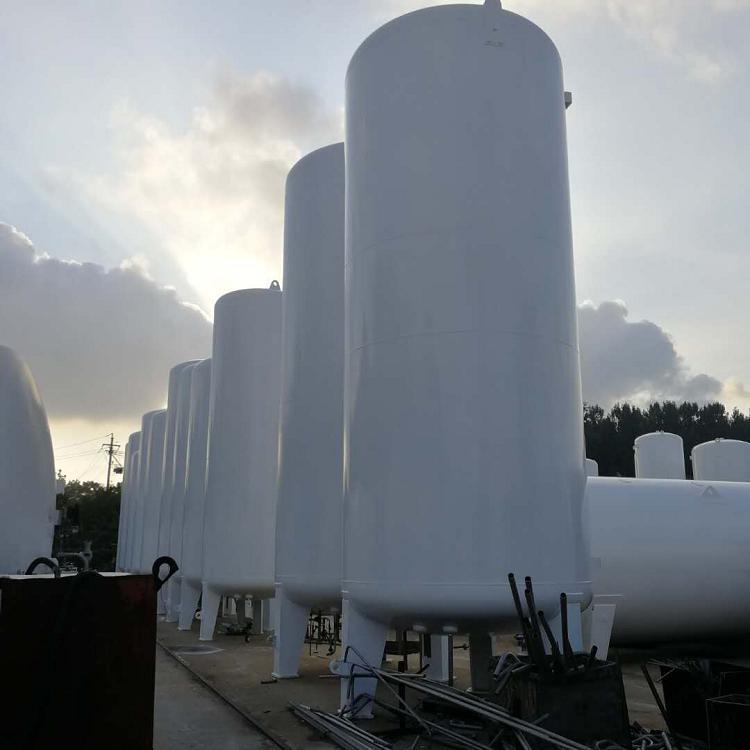

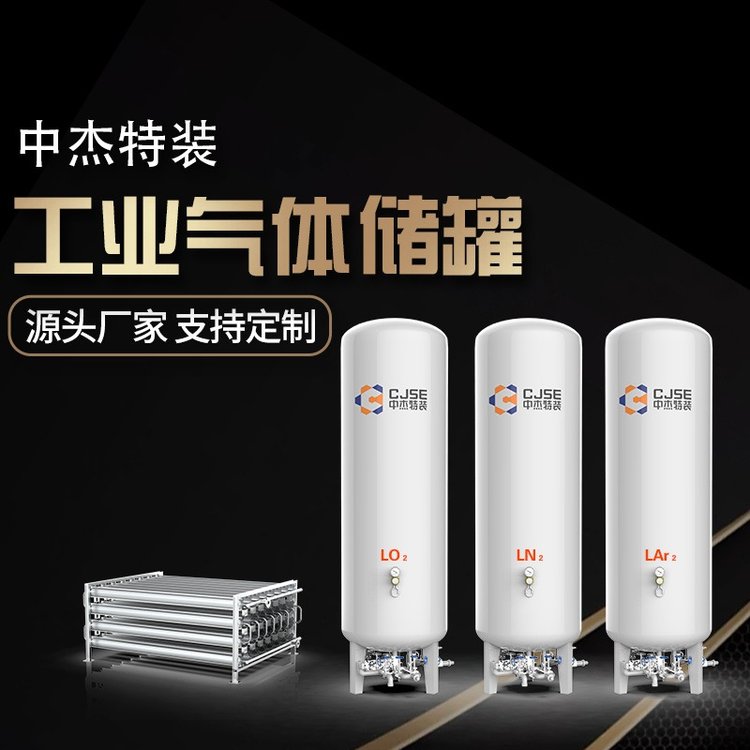
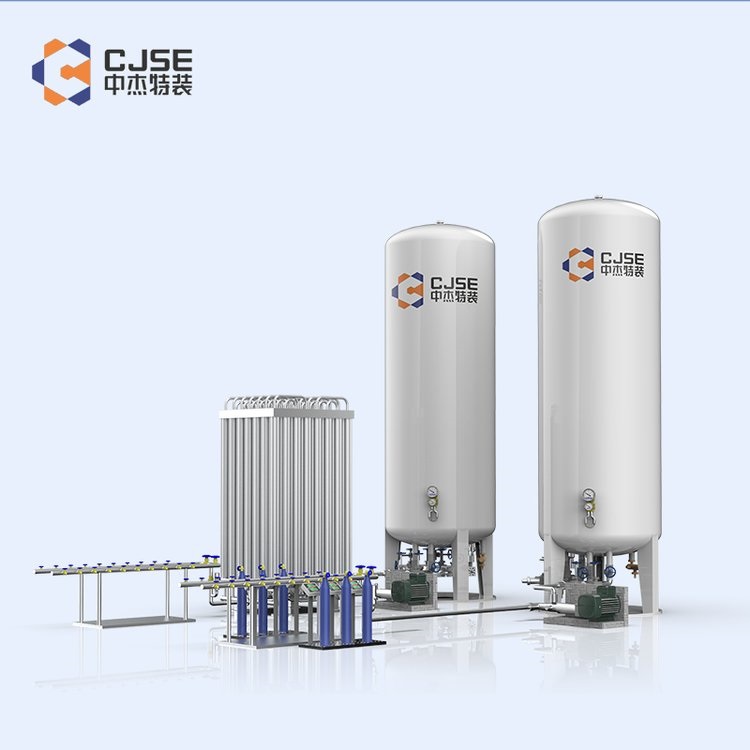


















Shandong Zhongjie Special Equipment's main products include: fuel (gas) boilers, organic heat carrier boilers, biomass boilers, waste heat boilers, and other boiler products; vacuum insulation deep-freeze pressure vessels such as LNG storage tanks, oxygen-nitrogen-argon storage tanks, CO2 storage tanks; pressure vessel products like denitrification engineering equipment, heat storage and energy storage equipment, complete chemical equipment sets; central air conditioning and HVAC equipment such as ground (water) source heat pumps, air source units, water-cooled screw units, and air-cooled modular units. Planned products include large-scale thermal energy centers, LNG transport vehicles, LNG tank containers, and other green energy equipment.
Carbon dioxide level gauges are devices used for measuring and monitoring the liquid level of carbon dioxide within storage tanks. Depending on different working principles and application requirements, common types of carbon dioxide level gauges include the following:
- Buoy Level Gauge: Uses the buoyancy of a float to reflect the liquid level, measuring it through a mechanical device or electrical signal sensor connected to the gauge.
- Pressure Level Gauge: Utilizes the relationship between liquid pressure and liquid level to measure the level. The height of the liquid level is calculated by measuring the pressure changes on the pressure sensor.
- Ultrasonic Level Gauge: Measures the level using the propagation time of ultrasonic waves. An ultrasonic transmitter emits waves, and when the beam encounters the liquid surface, some of the beam is reflected back. The liquid level height is calculated by measuring the reflection time.
- Capillary Level Gauge: Uses the capillary principle to measure the level. By inserting a thin tube into the liquid, the liquid rises in the tube, and the height of the liquid level is calculated based on the rise.
- Level Gauge: Measures the level using wave reflection. The transmitter emits waves, and when the beam encounters the liquid surface, some of the beam is reflected back. The liquid level height is calculated by measuring the reflection time.
The application of these level gauges in carbon dioxide storage tanks can be selected based on specific requirements and tank design. When selecting and installing level gauges, factors such as the nature of the liquid, working environment, precision requirements, and ensuring compatibility with the tank's safe operation and monitoring system should be considered.
When cooling carbon dioxide storage tanks, be mindful of the following points and familiarize yourself with the basic steps of the cooling process:
Precautions:
- Safety: Pay attention to safety during the cooling process to ensure the safety of operators and the surrounding environment. Adhere to relevant safety operating procedures and standards, and use appropriate personal protective equipment.
Equipment Selection:
- Choose the appropriate cooling equipment and tools, such as cooling media (e.g., liquid nitrogen), coolers, and cooling systems. Select the appropriate cooling equipment based on the tank's size and requirements.
Temperature Control:
- Control the temperature during the cooling process to avoid overcooling or insufficient temperature. Determine the appropriate cooling temperature range based on the tank's design requirements and operating conditions.
Cooling Process Analysis:
- Preparation: Ensure there are no residual gases or impurities inside the tank to avoid affecting the cooling effect. Check the tank's sealing and the operational status of the safety valve.
Cooling Media Injection:
- Inject the cooling media (e.g., liquid nitrogen) into the tank to lower its temperature. Control the injection speed and quantity during the process to avoid overinjection, which could lead to excessive pressure.
Cooling Time:
- Determine the cooling time based on the tank's size and requirements. The cooling time typically needs to be long enough to ensure that the carbon dioxide inside the tank is fully cooled and liquefied.
Temperature Monitoring:
- Regularly monitor the tank's temperature during the cooling process to ensure it is within the appropriate range. Use temperature sensors or infrared thermometers for monitoring.
Cooling Completion:
- The cooling process is complete when the tank's temperature reaches the predetermined cooling requirements. At this point, the carbon dioxide inside the tank should be in a liquid state.
Note that the specific cooling process and steps may vary depending on different tank designs and usage scenarios. When performing cooling operations, follow relevant safety operating procedures and standards to ensure safety and effectiveness.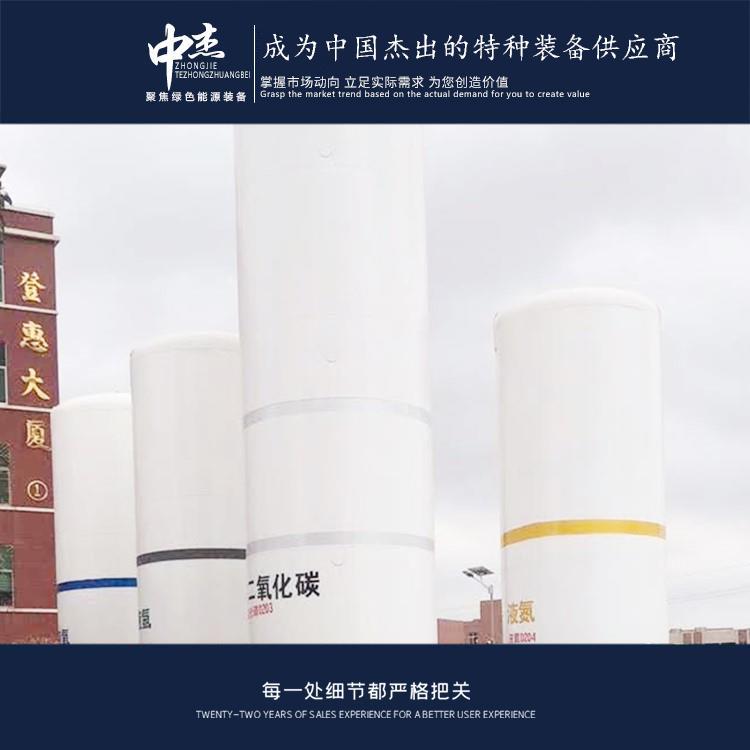
Carbon dioxide storage tanks fall under the category of pressure vessels. Pressure vessels are sealed containers designed to withstand internal pressure for storing and transporting gases, liquids, or mixtures. Carbon dioxide storage tanks are pressure vessels specifically designed for storing and transporting carbon dioxide, featuring unique designs and structures to ensure safe storage and usage. Depending on design and application, these tanks can be vertical or horizontal, with varying capacities and pressure ratings. When using carbon dioxide storage tanks, it is necessary to comply with relevant regulations and standards to ensure safe operation and usage.
When conducting routine inspections of carbon dioxide storage tanks, follow these steps:
- Visual Inspection: Check for any obvious damage, corrosion, or oil leakage on the tank's exterior. Pay attention to any anomalies in the tank shell, valves, and pipe connections.
- Valve and Pipe Inspection: Verify that the tank's inlet and outlet valves and pipe connections are functioning properly, for any leaks or loose fittings. Ensure valve operation is smooth and reliable.
- Pressure Relief Device Inspection: Check that the tank's pressure relief devices (such as safety valves) are operating correctly. Confirm that the set pressure of the relief devices meets requirements.
- Level Measurement System Inspection: Assess the accuracy and reliability of the level measurement system. Calibrate the level sensors to ensure accurate level measurements.
- Pressure and Temperature Inspection: Check that the tank's pressure and temperature sensors are working properly. Verify the accuracy of pressure and temperature measurements.
- Safety Equipment Inspection: Inspect the tank's safety equipment, like safety valves, pressure sensors, and temperature sensors, to ensure they are functioning correctly. Confirm that their set parameters meet requirements.
- Fire Protection Equipment Inspection: Ensure that fire protection equipment around the tank is in good condition and check that fire extinguishers, sprinkler systems, etc., are functioning properly.
- Liquid and Gas Quality Inspection: Ensure that the quality of the carbon dioxide liquid and gas in the tank meets specifications, with no impurities or contaminants.
- Documentation and Reporting: Record the date of inspection, the content of the inspection, any issues found, and the measures taken. Submit inspection reports to relevant departments or management as needed.
- The above are general steps for routine inspections of carbon dioxide storage tanks. Specific operations should be tailored to the tank's characteristics and requirements. When conducting inspections, follow relevant safety operating procedures and have trained personnel perform the operations.
Shandong Zhongjie Special Equipment, welcome customers to our factory for business discussions.
WeChat Official Account

Scan to follow Official Account



















