


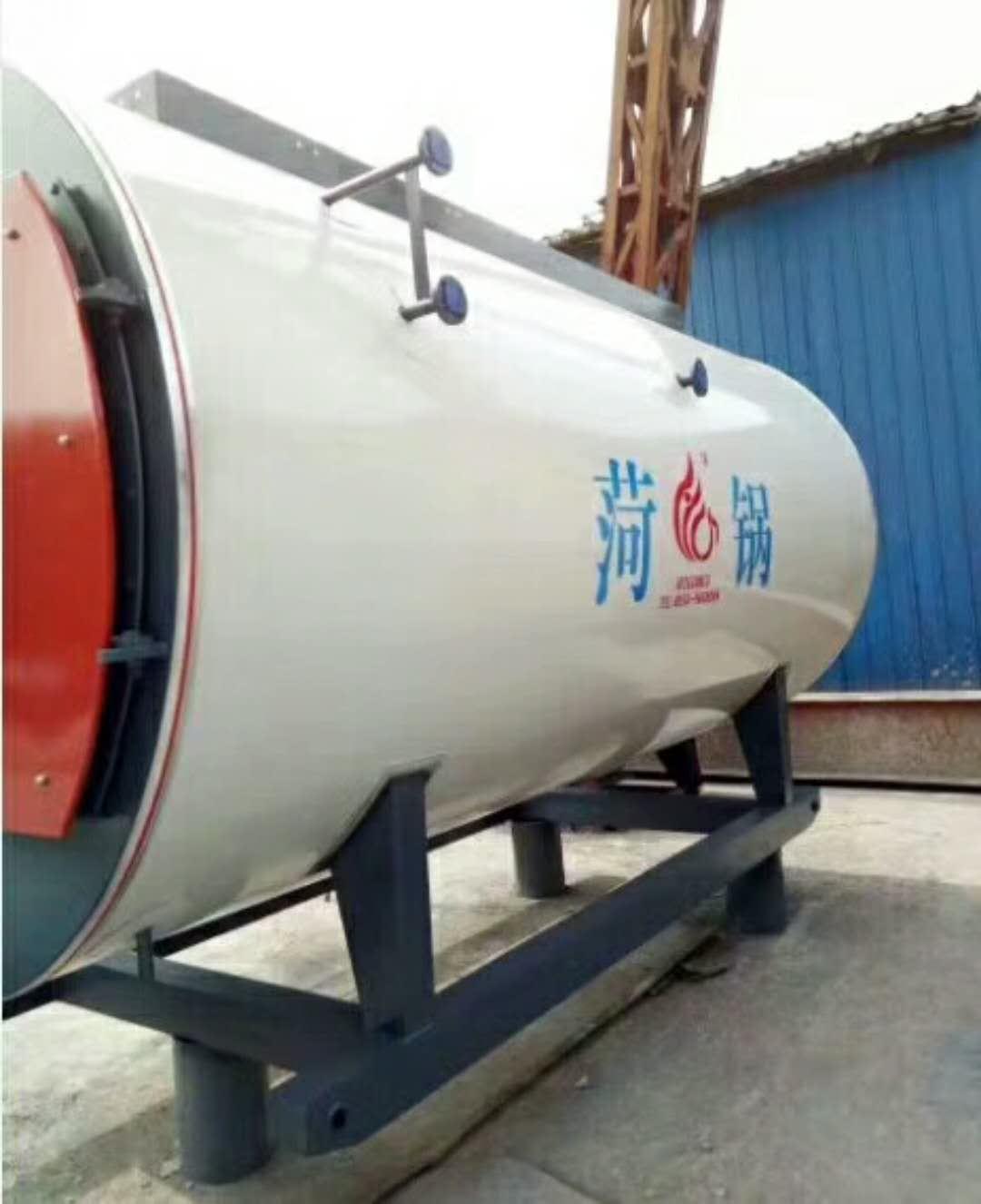

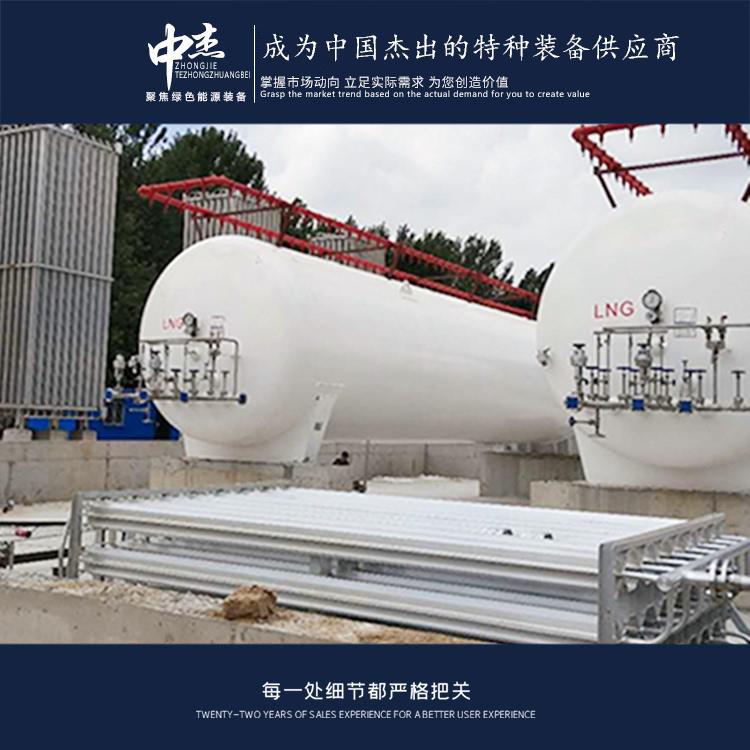
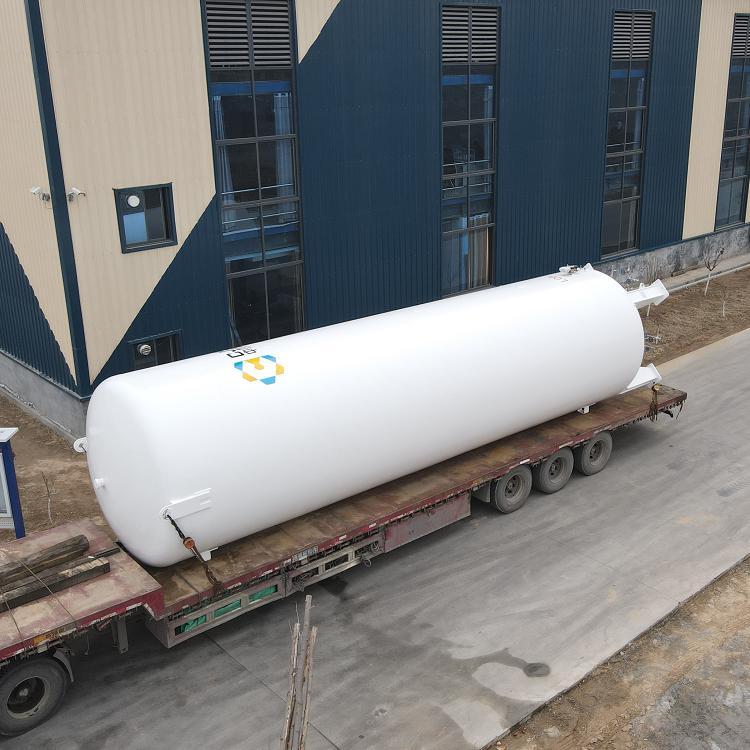


















Shandong Zhongjie Special Equipment Co., Ltd. specializes in the following products: fuel (gas) boilers, organic heat carrier boilers, biomass boilers, waste heat recovery boilers, and other boiler products; vacuum insulated cryogenic pressure vessels such as LNG storage tanks, oxygen/nitrogen/argon storage tanks, CO2 storage tanks; pressure vessel products including denitrification engineering equipment, heat storage and energy storage equipment, and complete chemical equipment sets; central air conditioning and HVAC equipment such as ground (water) source heat pumps, air source units, water-cooled screw units, and air-cooled modular units. Planned products include large-scale thermal energy centers, LNG transport vehicles, LNG tank containers, and other green energy equipment.
A hydrostatic test of a liquid nitrogen storage tank is a common method used to check the tank's sealing and pressure resistance performance. Below are the general steps for the hydrostatic test of a liquid nitrogen storage tank:
Preparation: Ensure the tank's interior is clean and that all gases and liquids have been emptied from the tank. Check the tank's sealing and safety devices for proper operation.
Fill with water: Fill the internal tank with water, ensuring the water level is above the low water line. Use a pump or other appropriate methods for filling.
Apply Pressure: Gradually increase the water pressure using a pressure pump or other pressure source until the predetermined test pressure is reached. The test pressure is typically 1.1 times the design working pressure of the tank.
Pressure Maintenance: After reaching the test pressure, maintain it for a period (usually 30 minutes to 1 hour), and observe for any abnormal conditions such as leaks or deformation in the tank.
Pressure Relief: Gradually release pressure to drain water from the tank until the tank is completely empty.
Inspection and Evaluation: Check for leaks, deformation, or other damage on the surface and interior of the tank. Evaluate test results to ensure the tank meets design requirements and safety standards.
需要注意的是,液氮储罐水压试验需要由人员进行操作,并遵循相关的安全操作规程。在进行测试前,应仔细阅读和遵守储罐制造商提供的操作指南和安全注意事项。
The application of strain-hardening in austenitic stainless steel on low-temperature pressure vessels is a common method, which can enhance the material's strength and durability. Below are some details regarding the application of strain-hardening in austenitic stainless steel on low-temperature pressure vessels:
Principle of Strain Hardening: Strain hardening is achieved by introducing plastic deformation into the material, which alters the crystal structure and thereby increases the material's strength. In Austenitic stainless steel, strain can be introduced through methods such as cold working (e.g., cold rolling, cold drawing) or heat treatment (e.g., solution treatment and cold deformation), leading to dislocations and grain boundary sliding in the crystal structure, thereby enhancing the material's strength.
Low Temperature Application Advantages: Austenitic stainless steel exhibits excellent corrosion resistance and low-temperature toughness in cold environments. Strain hardening can further enhance the strength and durability of austenitic stainless steel, enabling it to perform in low-temperature pressure vessels. Under low-temperature conditions, strain hardening effectively resists plastic deformation and fracture, improving the material's tensile strength and impact resistance.
Application Cases: Strain-hardened austenitic stainless steel is widely used in low-temperature pressure vessels. For instance, in liquid nitrogen, liquid oxygen, and liquid argon tanks, etc., strain-hardened austenitic stainless steel is commonly used as structural material. These vessels must withstand high pressure and impact loads at low temperatures; strain-hardening enhances the material's strength and durability, ensuring safe operation of the containers.
It is important to note that the strain hardening of austenitic stainless steel must be carried out at appropriate temperatures and deformation conditions to avoid excessive deformation and material embrittlement. When designing and manufacturing low-temperature pressure vessels, it is necessary to select and apply austenitic stainless steel's strain hardening reasonably based on specific engineering requirements and material characteristics.
Material control for low-temperature liquid storage tanks is a critical aspect for ensuring the safety and reliability of the tanks. Here are some common material control measures:
Material Selection: Choose materials suitable for low-temperature environments, such as low-temperature alloy steel and stainless steel. These materials offer excellent low-temperature resistance and crack resistance, maintaining strength and toughness under low-temperature conditions.
Material Quality Control: Ensure that the selected materials meet relevant standards and specifications. Conduct chemical composition analysis, mechanical property tests, and impact tests on the materials to ensure their performance meets design requirements.
Welding Material Selection: Choose welding materials suitable for low-temperature environments, such as low-temperature welding rods or welding wires. The welding materials should match the tank material, offering good welding properties and crack resistance.
Welding Process Control: Monitor and control welding process parameters such as welding current, voltage, and speed to ensure the quality and reliability of焊接 joints. Employing low heat input welding methods like pulse welding or laser welding can reduce the temperature gradient and residual stress in the heat-affected zone of the焊接.
Corrosion Protection Measures: Apply corrosion-resistant treatments to the internal and external metal surfaces of storage tanks to extend their service life. Options include corrosion-resistant coatings and paints to safeguard the metal structure from corrosion damage.
Material Performance Monitoring: Regularly conduct performance monitoring of storage tank materials, such as mechanical property tests,
The liquid oxygen tank possesses the following characteristics:
High Purity: The liquid oxygen tanks store high purity liquid oxygen, typically achieving a purity of over 99.5%. This makes the liquid oxygen tanks essential in applications requiring high purity oxygen, such as medical, aerospace, and research fields.
Low Temperature: Since the boiling point of liquid oxygen is -183°C, the storage tank must have excellent thermal insulation to maintain the low temperature of the liquid oxygen. Storage tanks are typically designed with double or multi-layer structures, filled with insulating material in between to reduce heat transfer and evaporation of the liquid oxygen.
High Pressure: Liquid oxygen tanks typically need to withstand high pressure to maintain their liquid state. The design and material selection of the tank must consider the pressure requirements of liquid oxygen to ensure the tank's safety and reliability.
Flammability: Liquid oxygen is highly flammable and can support combustion. Therefore, during the design and use of liquid oxygen storage tanks, fire prevention measures must be implemented to ensure there are no ignition sources nearby, and appropriate fire extinguishing equipment is provided.
High Density: Liquid oxygen has a higher density compared to gaseous oxygen, allowing liquid oxygen tanks to store more oxygen. This gives liquid oxygen tanks an advantage in applications requiring large oxygen supplies, such as in the field of and .
Corrosiveness: Liquid oxygen possesses some degree of corrosiveness.
Shandong Zhongjie Special Equipment, welcome customers to visit our factory for business talks.
WeChat Official Account

Scan to follow Official Account



















