


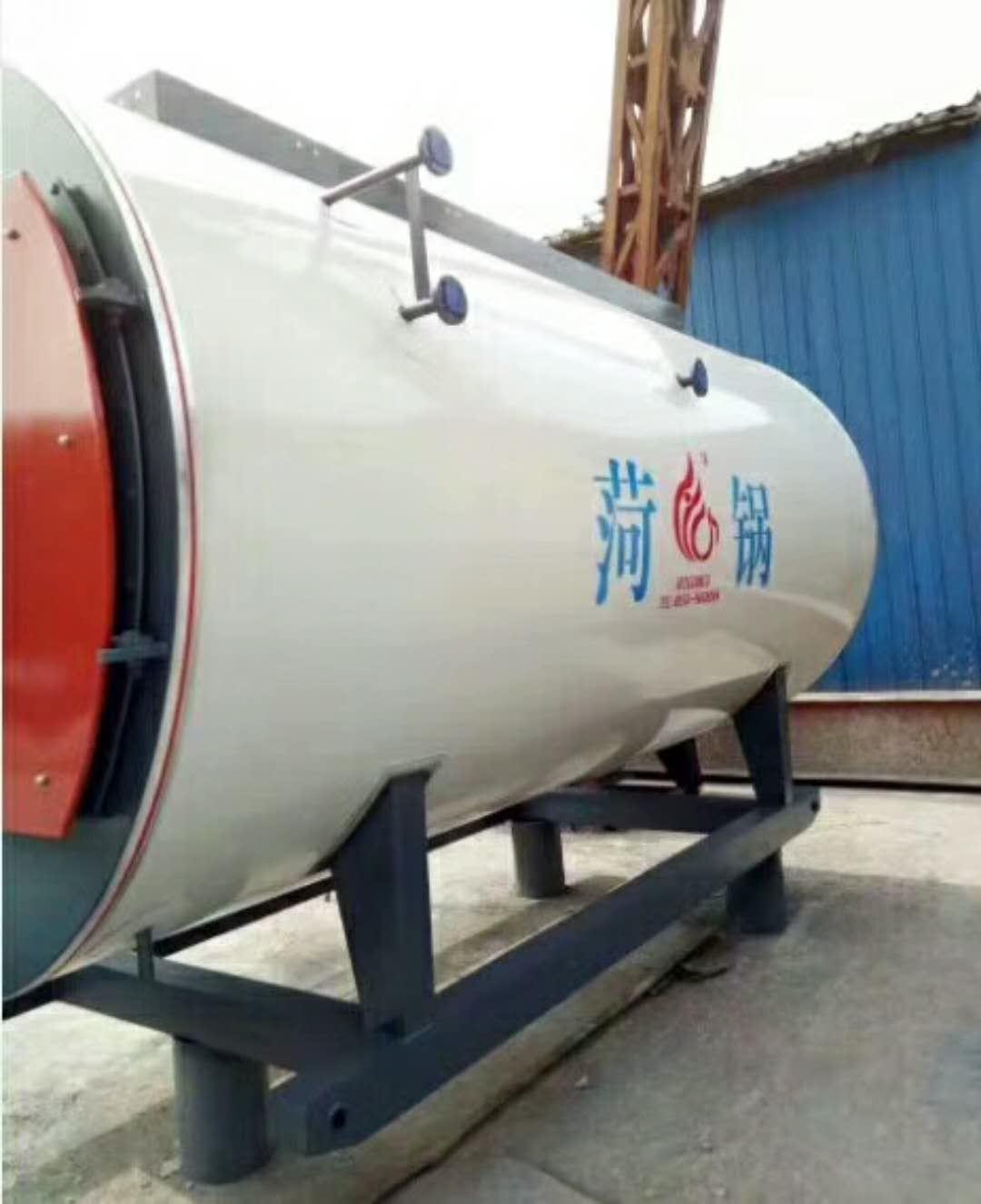

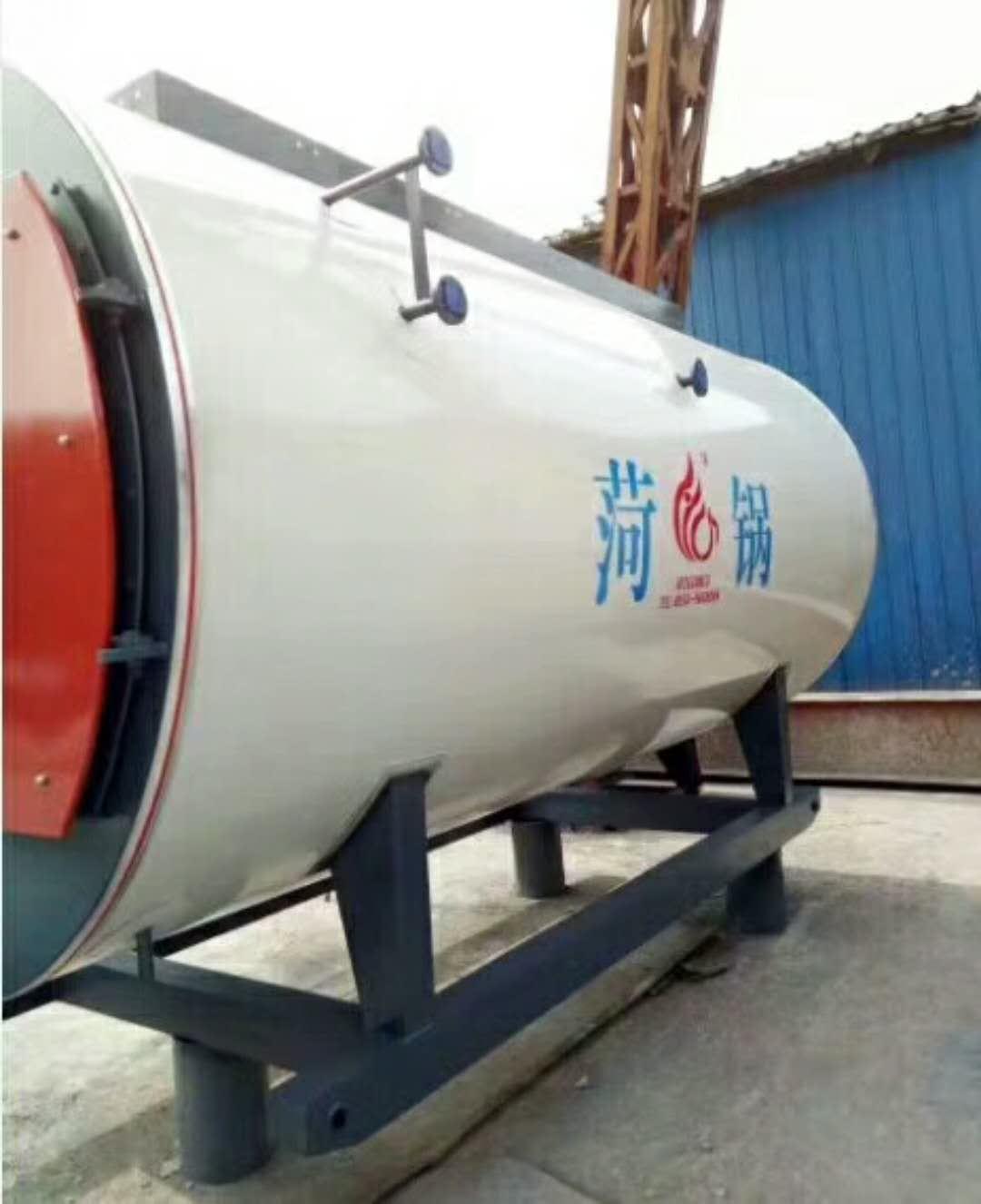


















Shandong Zhongjie Special Equipment (formerly Heze Boiler Factory Co., Ltd.) holds an A-grade boiler manufacturing license, an A2-grade pressure vessel manufacturing license, an A2-grade pressure vessel design license, a B-grade boiler installation license, and GB2/Class and GC2/Class pressure pipeline installation licenses, as well as a mechanical and electrical equipment installation contracting qualification. It is a member of the China Boiler and Water Treatment Association, the China Chemical Equipment Association, and the理事 member of the Shandong Equipment Manufacturing Association. The company has also passed the ISO9001 Quality Management System, ISO14001 Environmental Management System, OHSAS18001 Occupational Health and Safety Management System certifications, and the American ASME/U2 certification.
When selecting welding materials for pressure vessels, several factors should be considered:
Material Matching: The selection of welding materials should be matched with the base material of the pressure vessel to ensure the strength and corrosion resistance of the weld joint. Common material matches include carbon steel welding materials with carbon steel base materials, stainless steel welding materials with stainless steel base materials, etc.
Strength Requirement: Select welding materials with sufficient strength based on the design requirements and working conditions of the pressure vessel. The strength of the welding materials should match the base material to ensure that the strength of the weld joint does not become a weakness of the vessel.
Corrosion Resistance: Select welding materials with good corrosion resistance based on the working environment and medium of the pressure vessel. For instance, pressure vessels operating in corrosive mediums may require welding materials made of stainless steel with superior corrosion resistance.
Welding Performance: The selection of welding material should consider its welding performance, including penetration depth, weld bead shape, crack resistance, etc. The choice of welding material should meet the requirements of the welding process and ensure the quality of the weld joints.
Related Standards and Regulations: When selecting welding materials, refer to relevant standards and regulations, such as the ASME Boiler and Pressure Vessel Code, AWS (American Welding Society) standards, etc. These standards and regulations provide guidance and requirements for the selection of welding materials.
It is important to note that the selection of welding materials should be done by a welding engineer or a qualified welder. They can choose the appropriate materials based on specific application requirements, working conditions, and safety standards, in conjunction with relevant specifications and regulations. Additionally, manufacturers and suppliers often provide recommendations for material selection and technical support.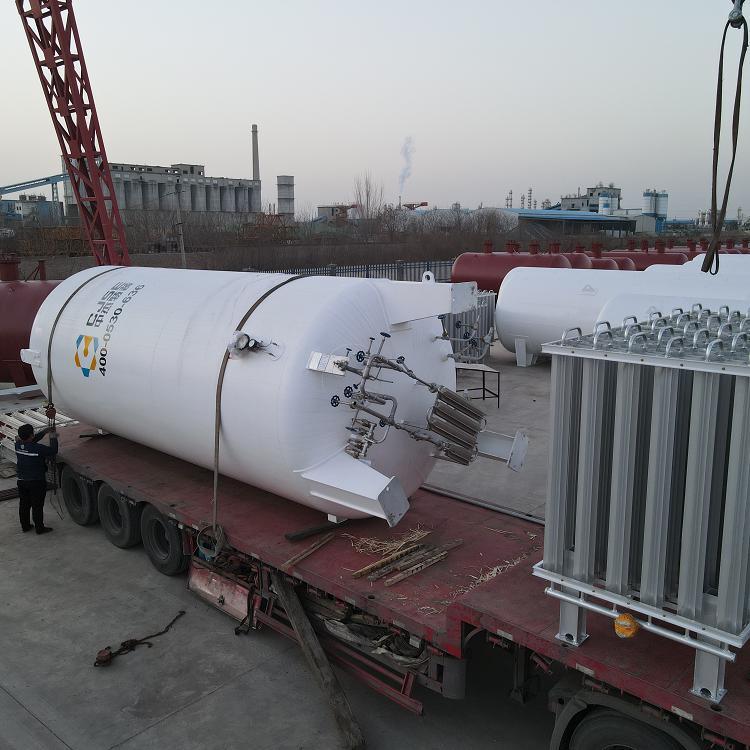
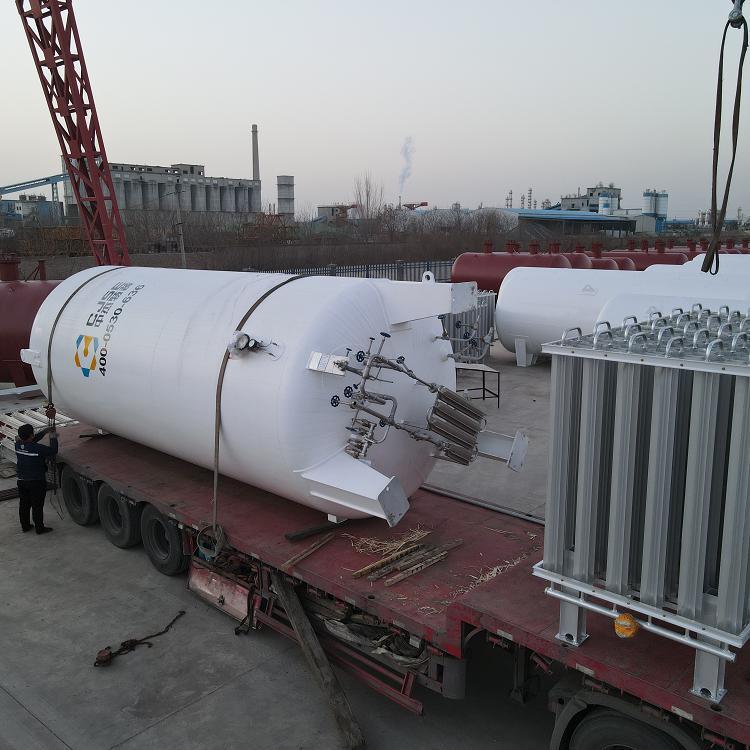
To ensure the quality of liquid oxygen storage tanks, the following measures can be taken:
选择可靠的供应商:选择有资质和经验的储罐制造商或供应商,确保其具备良好的声誉和可靠的质量管理体系。
Adhere strictly to relevant standards and regulations: The design, manufacturing, and installation of liquid oxygen tanks shall comply with the relevant standards and regulations, such as standards, industry standards, or.
Quality Control and Inspection: Rigorous quality control and inspection are conducted throughout the manufacturing process, including material inspection, process monitoring, and finished product testing. Ensure that the materials, welding, and sealing of the storage tanks meet the required standards.
A comprehensive quality management system: Establish and implement a comprehensive quality management system, including quality control plans, quality inspection records, and quality training, to ensure each stage meets quality requirements.
Regular maintenance and inspections: Regular maintenance and inspections of liquid oxygen tanks are conducted, including cleaning, coating protection, and corrosion prevention, to extend the tank's lifespan and maintain its optimal working condition.
Safety Operations and Management: Establish and implement safety operations and management systems, including proper use of tanks, operational procedures, safety training, etc., to ensure the safety and reliability of tanks during use.
Regular inspections and evaluations: Conduct regular inspections and evaluations of liquid oxygen storage tanks, including visual inspections, pressure tests, leak detection, and as required, non-destructive testing and material analysis, to ensure the tank's quality and safety.
By implementing these measures, the quality, reliability, and safety of the liquid oxygen storage tanks can be effectively ensured, meeting usage requirements and standards.
Proper management regulations for the use of low-temperature liquid storage tanks encompass the following aspects:
Tank Selection and Installation: Choose a suitable low-temperature liquid storage tank and ensure it complies with relevant standards and regulations. Installation should be performed by personnel and operated according to the manufacturer's instructions and requirements to ensure the tank's stability and safety.
Safety Operating Procedures: Establish and implement safety operating procedures for liquid storage tanks, including startup, shutdown, filling, and venting procedures. Operators must receive training to understand the characteristics of liquid storage tanks, safety precautions, and emergency response measures.
Safety Equipment and Protective Measures: Tanks should be equipped with necessary safety devices such as pressure sensors, safety valves, and leak detectors to monitor and control the tank's pressure and temperature. At the same time, operators should wear appropriate personal protective equipment, such as insulated gloves and protective suits, to ensure their own safety.
Regular inspections and maintenance: Conduct regular checks and maintenance on low-temperature liquid storage tanks, including inspecting the tank's appearance, sealing, and corrosion prevention measures. If any issues are found, they should be repaired or the tank replaced promptly to ensure proper operation and safety.
Waste Management: Abandoned low-temperature liquid storage tanks should be disposed of in accordance with relevant environmental protection regulations. The residual liquids in the abandoned tanks should be handled properly to prevent environmental pollution.
Tank Record and Tracking: Establish tank usage records, including filling dates, filling quantities, usage status, etc. Additionally, it is recommended to set up a tank tracking system for monitoring and managing tank usage and maintenance.
The above outlines some common management regulations for low-temperature liquid storage tanks. Specific regulations may vary by industry and region. When using low-temperature liquid storage tanks, it is essential to comply with relevant laws and standards and establish suitable management measures based on the actual situation.
Oxygen storage tanks and liquid oxygen storage tanks are devices used for storing oxygen, but they have some distinctions: Storage Form: Oxygen storage tanks are typically used for storing gaseous oxygen, while liquid oxygen storage tanks are for storing liquid oxygen. Oxygen is in a gaseous state at room temperature but can be cooled to a liquid state at low temperatures for more efficient storage and use. Storage Pressure: Oxygen storage tanks usually store high-pressure oxygen, with pressures around 200-300 bar. Liquid oxygen storage tanks store liquid oxygen at lower pressures, generally around 2-5 bar. Storage Capacity: Oxygen storage tanks usually have smaller capacities, suitable for personal or small-scale use. Liquid oxygen storage tanks have larger capacities, suitable for industrial or large-scale use. Storage Method: Oxygen storage tanks store oxygen in a gaseous form, through compressed gas storage. Liquid oxygen storage tanks store oxygen in a liquid form, converting it to a liquid state by cooling it below its boiling point. Safety Requirements: Due to the high oxidizing nature of liquid oxygen, liquid oxygen storage tanks require stricter safety requirements in design and use. Liquid oxygen storage tanks typically need good thermal insulation, leak control, and fire prevention measures to ensure safe operation. It is important to note that the specific design and specifications of oxygen storage tanks and liquid oxygen storage tanks may vary depending on different regions and application sites. When using these tanks, it is necessary to follow applicable regulations, standards, and safety guidelines, and to cooperate with local regulatory authorities and personnel to ensure the safety and reliability of the tanks.
Our company highly values technological innovation and R&D, boasting a city-level enterprise technical center in Heze City. We have established testing facilities for non-destructive testing, physical and chemical testing, welding testing, hydrostatic testing, and more. We are equipped with over 600 pieces of various instruments and equipment, including CNC machine tools, X-ray flaw detectors, digital ultrasonic flaw detectors, mechanical property testing machines, chemical analyzers, spectrometers, tensile testing machines, plasma welding machines, and others. The key products and technologies we have developed, such as welding for temperature and pressure vessels, emission reduction in biomass boilers, and waste heat utilization, have successively been shortlisted for multiple Shandong Provincial Department of Industry and Information Technology Science and Technology Innovation projects, key projects in Shandong Province, and Heze City Innovation and Excellence projects. In total, we have obtained 27 authorized utility model patents, 16 authorized invention patents, participated in drafting 2 standards, 2 industry standards, and registered 15 trademarks. Our technical team, in collaboration with Professor Yajiang Li from Shandong University, has developed deep cryogenic container processing technology using the international combination of plasma arc plus wire filling tungsten inert gas arc welding (PAW-GTAW) technique. After being evaluated by the provincial level scientific and technological achievement, our technology has reached an international level in the field of deep cryogenic container manufacturing. Choose Zhongjie Special Equipment, and let's create brilliance together!
WeChat Official Account

Scan to follow Official Account



















