


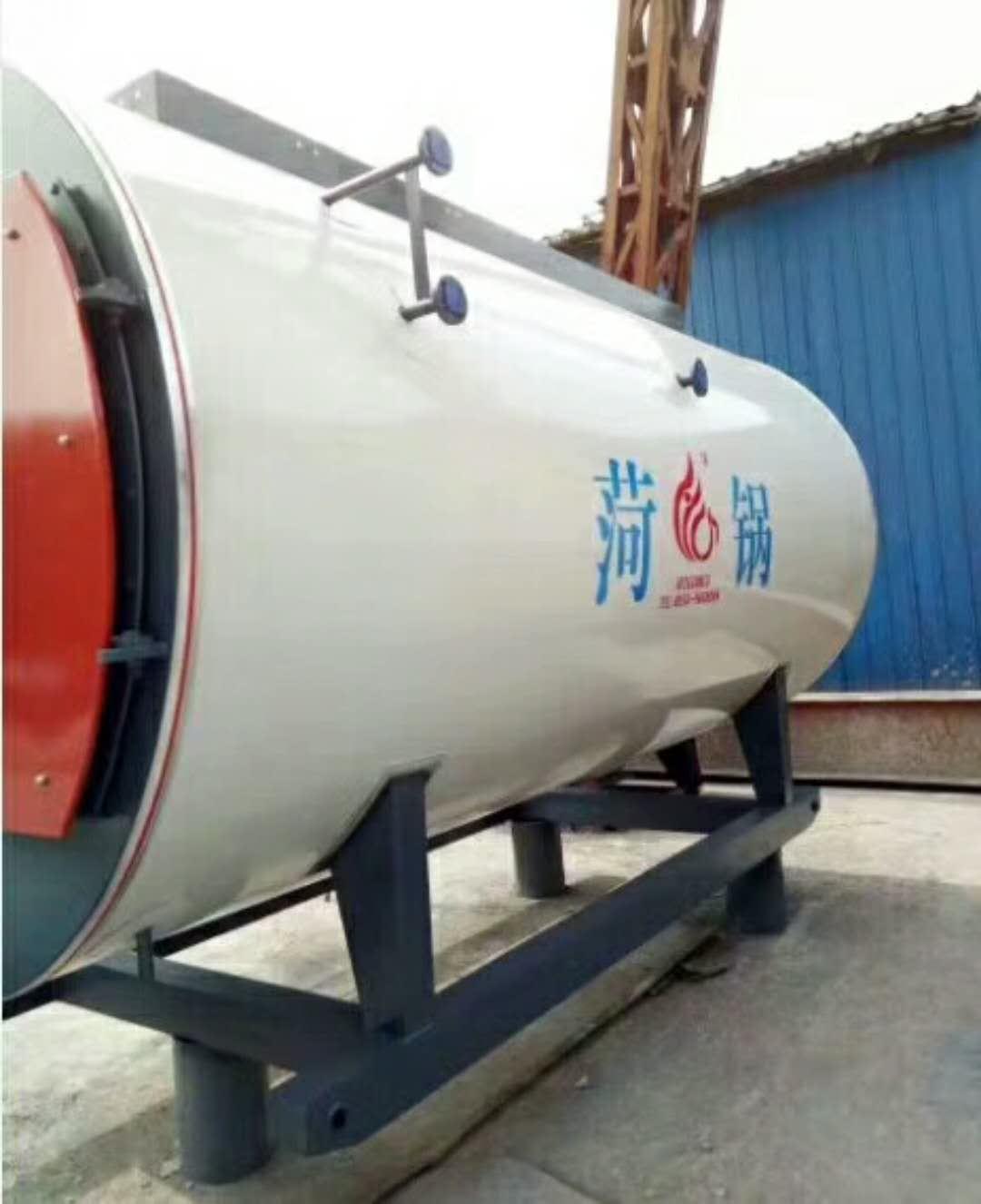

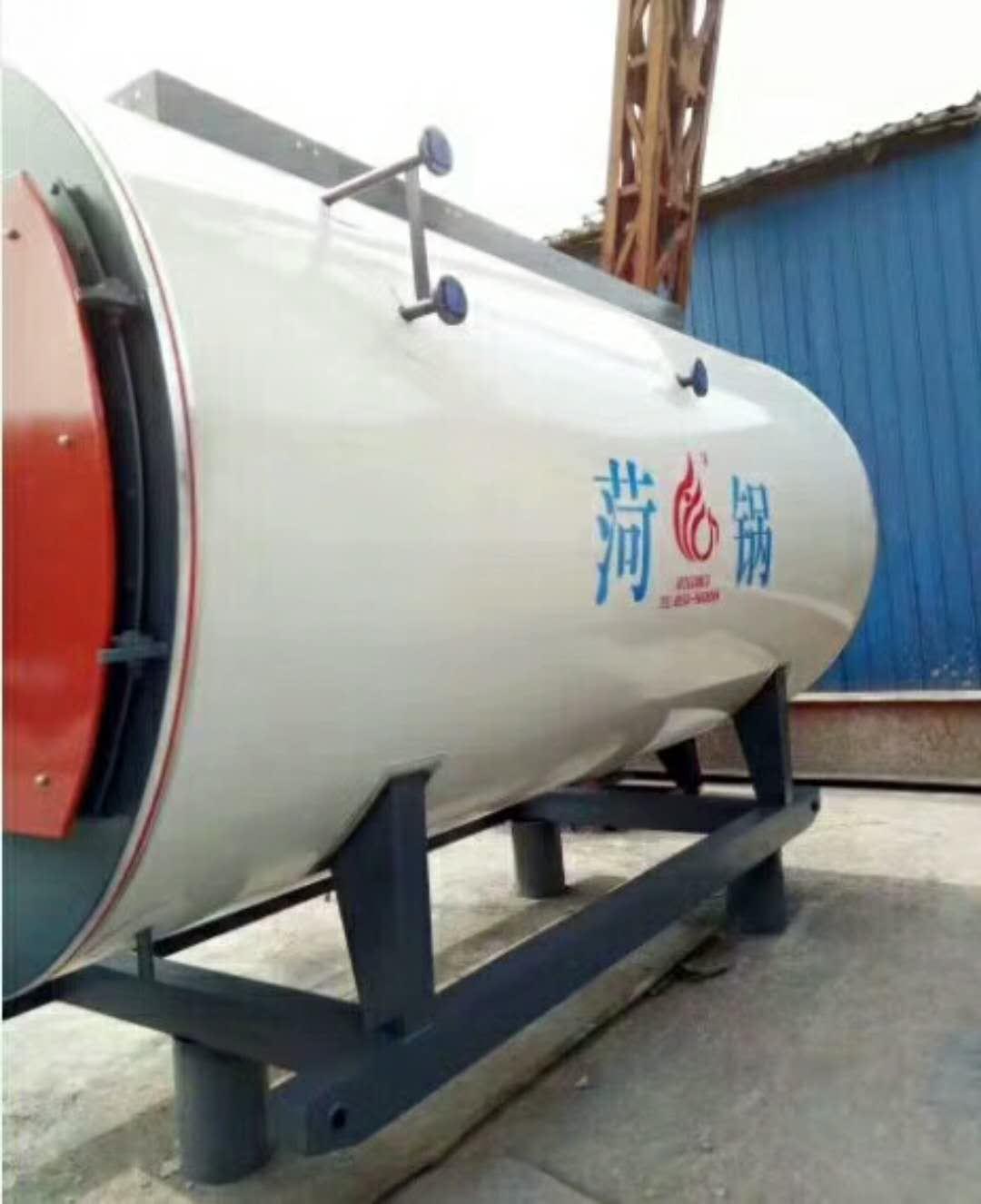
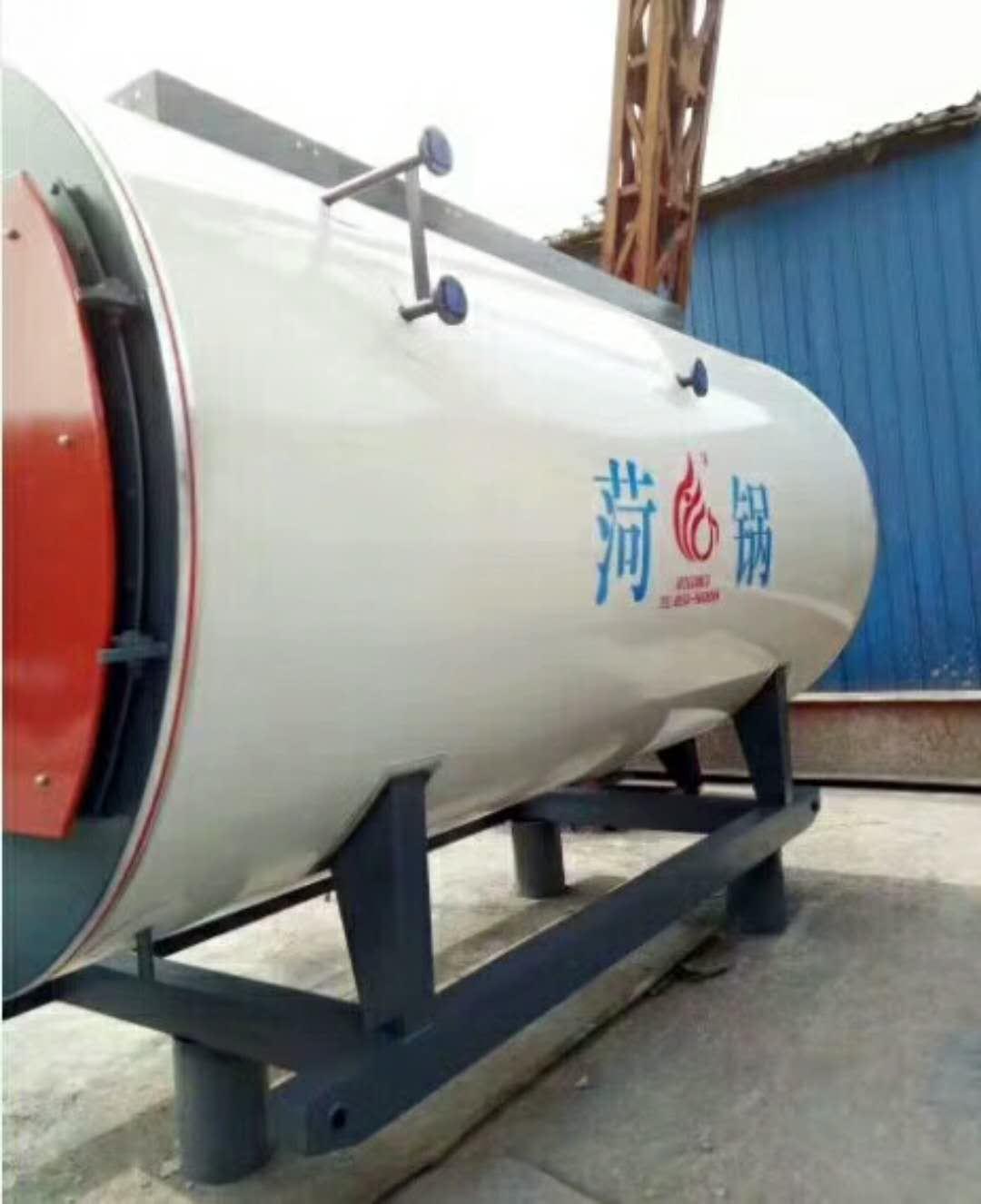


















Shandong Zhongjie Special Equipment (formerly Heze Boiler Factory Co., Ltd.) holds an A-grade boiler manufacturing license, an A2-grade pressure vessel manufacturing license, an A2-grade pressure vessel design license, a B-grade boiler installation license, and GB2/Class, GC2/Class pressure pipeline installation licenses, as well as equipment and machinery installation contracting qualifications. It is a member of the China Boiler and Water Treatment Association, the China Chemical Equipment Association, and the director unit of the Shandong Equipment Manufacturing Association. The company has also passed ISO9001 Quality Management System, ISO14001 Environmental Management System, OHSAS18001 Occupational Health and Safety Management System certifications, and the American ASME/U2 certification.
Liquid Oxygen Low-Temperature Storage Tanks are primarily used for storing and supplying liquid oxygen, with their application methods varying according to specific needs and scenarios. Here are some common applications of Liquid Oxygen Low-Temperature Storage Tanks:
Applications: Liquid Oxygen Low-Temperature Storage Tanks are widely used in the field for cryogenic preservation of biological samples, cells, tissues, and vaccines. Institutions such as biomedical research organizations and biobanks utilize these tanks to store and protect these biological materials.
Experimental Research: Liquid Oxygen Low-Temperature Storage Tanks are used to provide low-temperature environments in scientific research and laboratories, for cryopreservation and cryogenic experiments. These tanks play a crucial role in experimental research across various fields, including physics, chemistry, biology, and materials science.
Industrial Applications: Liquid Oxygen Low-Temperature Storage Tanks are used in industrial sectors for providing low-temperature cooling, serving processes such as metalworking, welding, and heat treatment. These tanks can offer low temperatures, enabling metals to achieve the required hardness and toughness during processing.
Food Industry: Liquid oxygen low-temperature storage tanks are used in the food industry for freezing and refrigeration of food products such as frozen meats, frozen fruits, and frozen seafood. The low temperature of liquid oxygen can quickly freeze the food, preserving its freshness and quality.
Liquid oxygen low-temperature storage tanks are used in the field for storing and supplying liquid oxygen as fuel. As a high-energy fuel, liquid oxygen is widely used in the propulsion systems of engines and devices.
During the operation of liquid oxygen low-temperature storage tanks, it is essential to strictly adhere to relevant safety regulations and operating guidelines to ensure the safe operation and use of the tanks. Liquid oxygen is highly flammable, so fire prevention measures must be taken when using liquid oxygen low-temperature storage tanks, and it must be ensured that there are no sources of fire around the tank.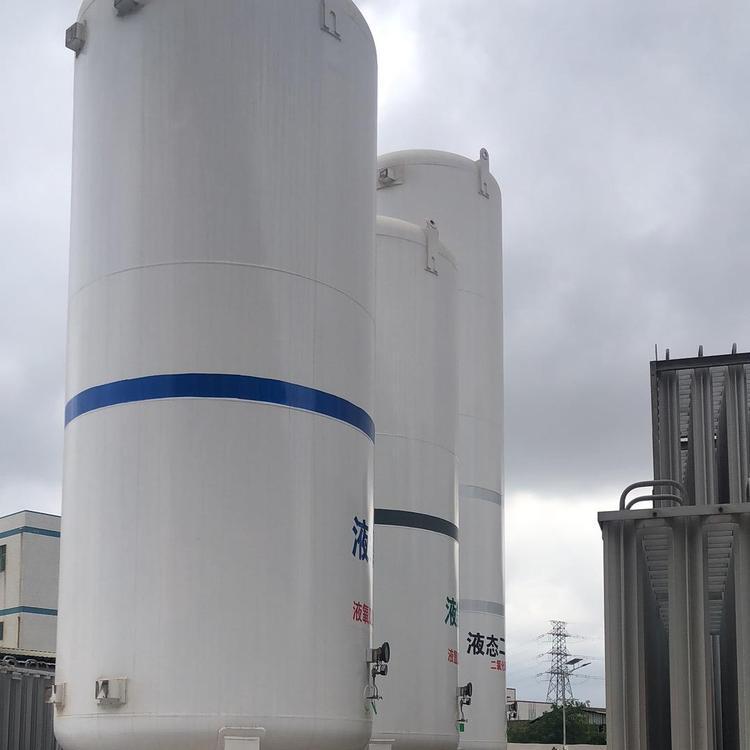
Carbon dioxide tanks and liquid oxygen tanks are containers used for storing different gases; they have some distinct physical properties:
Physical State: Carbon dioxide is a gas at room temperature and pressure, and it needs to be at low temperatures and high pressures to convert into a liquid state. Liquid oxygen is a liquid at room temperature, and it requires low temperatures to solidify.
Boiling and freezing points: The boiling point of carbon dioxide is -78.5 degrees Celsius, and its freezing point is -56.6 degrees Celsius. The boiling point of liquid oxygen is -183 degrees Celsius, and its freezing point is -218.8 degrees Celsius. The boiling and freezing points of liquid oxygen are both significantly lower than those of carbon dioxide.
Density: The density of liquid oxygen is relatively high, at about 1.14 grams per cubic centimeter. Carbon dioxide has a lower density, approximately 0.00198 grams per cubic centimeter. The density of liquid oxygen is about 570 times that of carbon dioxide.
Pressure: Liquid oxygen has a higher pressure, typically ranging from several tens to several hundreds of MPa. Carbon dioxide has a lower pressure, usually within a few MPa range.
Safety: Liquid oxygen has a high oxygen content, which is prone to cause fires and explosions. Carbon dioxide can also pose asphyxiation and suffocation risks at certain concentrations.
Note that carbon dioxide and liquid oxygen are highly flammable and explosive substances. Strict adherence to relevant safety operating procedures and standards, along with necessary safety measures, is required to ensure the safety and stability of storage tanks.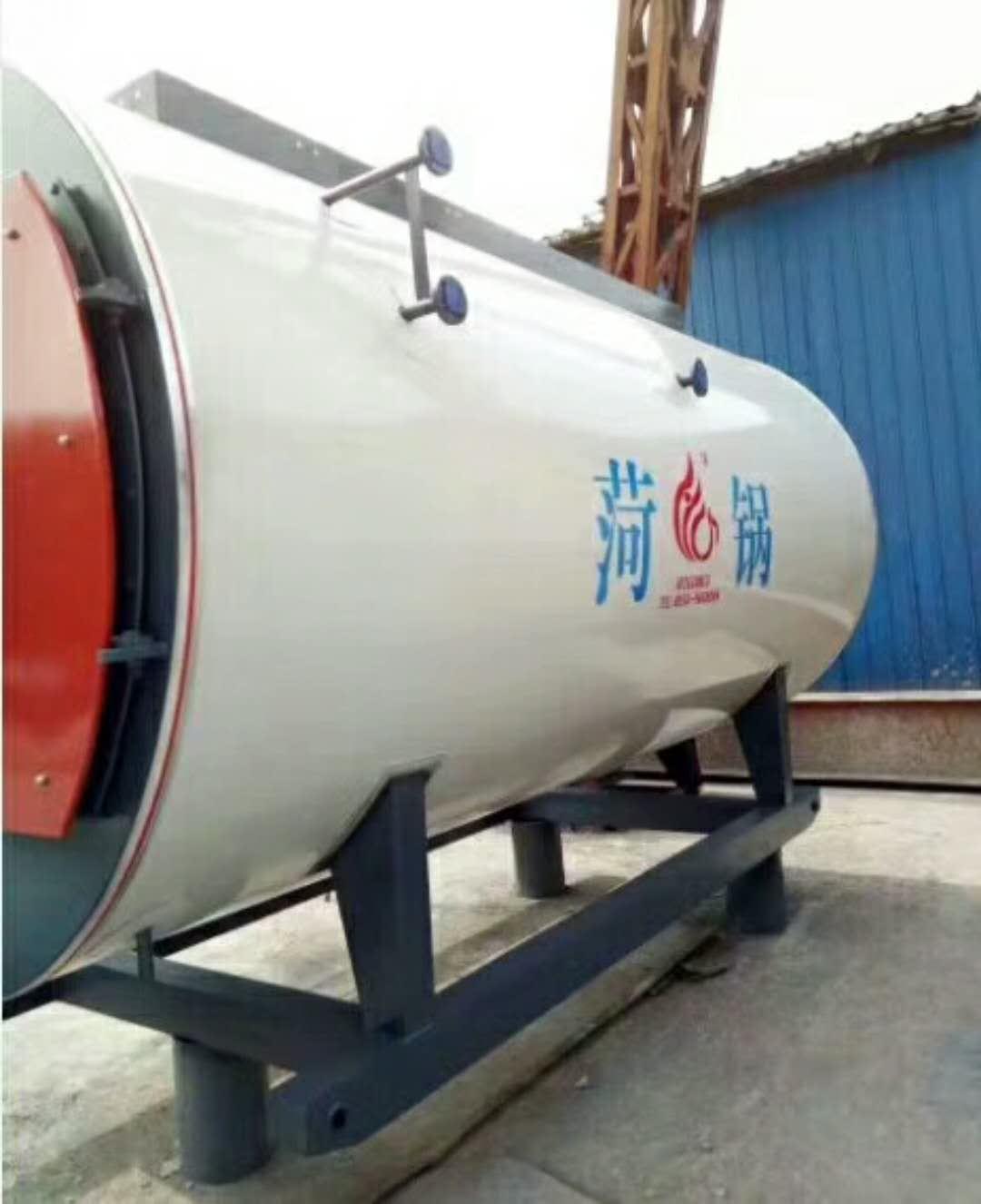
The manufacturing process for the heads and cylinders of low-temperature storage tanks typically includes the following steps:
Material Preparation: Select suitable materials, such as low-temperature alloy steel or stainless steel, based on design requirements and specifications. Inspect and accept the materials to ensure their quality meets the standards.
Sheet Cutting: Sheets are cut to specified dimensions and shapes. Common cutting methods include flame cutting, plasma cutting, or laser cutting, among others.
Bending and forming: Cut sheets are bent and formed into shapes for caps and cylinders. Common forming methods include cold bending, hot bending, or hydraulic forming, etc.
Welding: Welds the formed plates to create the structural connection for the head and cylinder. Common welding methods include manual arc welding, gas shielded welding, or laser welding.
Weld Seam Treatment: Process the weld seams after welding, such as sanding, polishing, or applying corrosion-resistant coatings, to enhance the quality and appearance of the welds.
Inspection and Acceptance: Conduct inspections and acceptances on the finished caps and cylinders to ensure their quality and compliance with design specifications. Common inspection methods include ultrasonic testing, X-ray inspection, or liquid penetrant testing, etc.
Reinforcement and Support: As required, reinforcement and support processing and installation are performed on the heads and cylinders to enhance the structural strength and stability.
Surface Treatment: The heads and cylinders undergo surface treatment, such as anti-corrosion coating, hot galvanizing, or polishing, to enhance their corrosion resistance and appearance quality.
Note that the manufacturing process for low-temperature storage tanks must comply with relevant standards and regulations to ensure quality and safety during production. Strict adherence to safety operating procedures and the implementation of necessary protective measures are essential to ensure the safety of the operators.
When selecting welding materials for pressure vessels, several factors should be considered:
Material Matching: The selection of welding material should match the base material of the pressure vessel to ensure the strength and corrosion resistance of the weld joint. Common material matches include carbon steel welding material with carbon steel base material, stainless steel welding material with stainless steel base material, etc.
Strength Requirement: Select welding materials with sufficient strength based on the design requirements and working conditions of the pressure vessel. The strength of the welding materials should match the base material to ensure that the strength of the weld joint does not become a weakness of the vessel.
Corrosion Resistance: Select welding materials with excellent corrosion resistance based on the working environment and medium of the pressure vessel. For instance, pressure vessels operating in corrosive media may require welding materials made of stainless steel with superior corrosion resistance.
Welding Performance: The selection of welding materials should consider their welding performance, including penetration depth, weld bead shape, crack resistance, etc. The choice of welding materials should meet the requirements of the welding process and ensure the quality of the weld joints.
Related Standards and Regulations: When selecting welding materials, refer to relevant standards and regulations such as the ASME Boiler and Pressure Vessel Code, AWS (American Welding Society) standards, etc. These standards and regulations provide guidance and requirements for the selection of welding materials.
It's important to note that the selection of welding materials should be done by a welding engineer or a qualified welder. They can choose the appropriate materials based on specific application requirements, working conditions, and safety standards, in conjunction with relevant regulations and specifications. Moreover, manufacturers and suppliers often provide recommendations for welding material selection and technical support.
ZJ Special Equipment upholds the great vision of "realizing employees' dreams, creating customer value, and striving for the prosperity and strength of our motherland," and is dedicated to the development of the green energy equipment industry. We commit to society with products and services that offer high performance at a competitive price!
WeChat Official Account

Scan to follow Official Account



















