


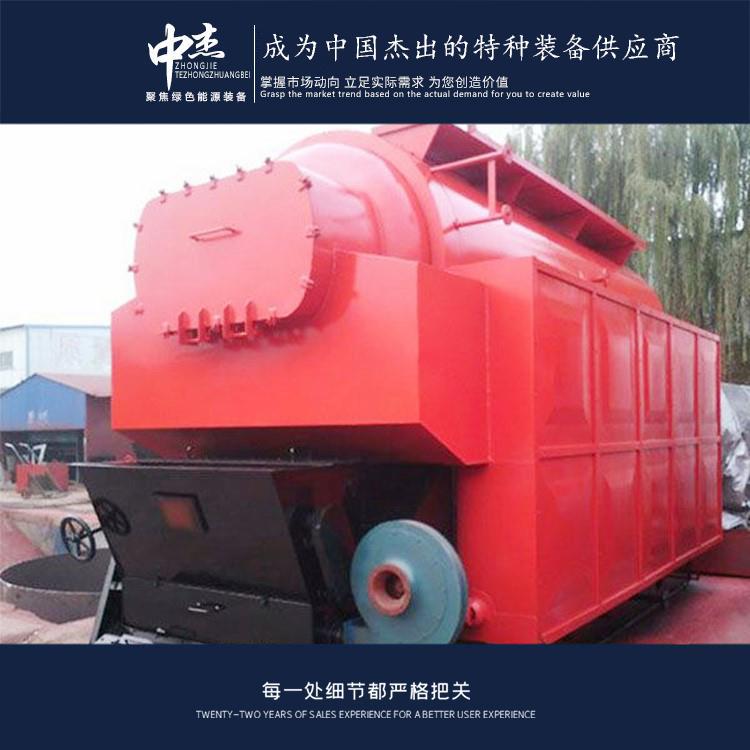

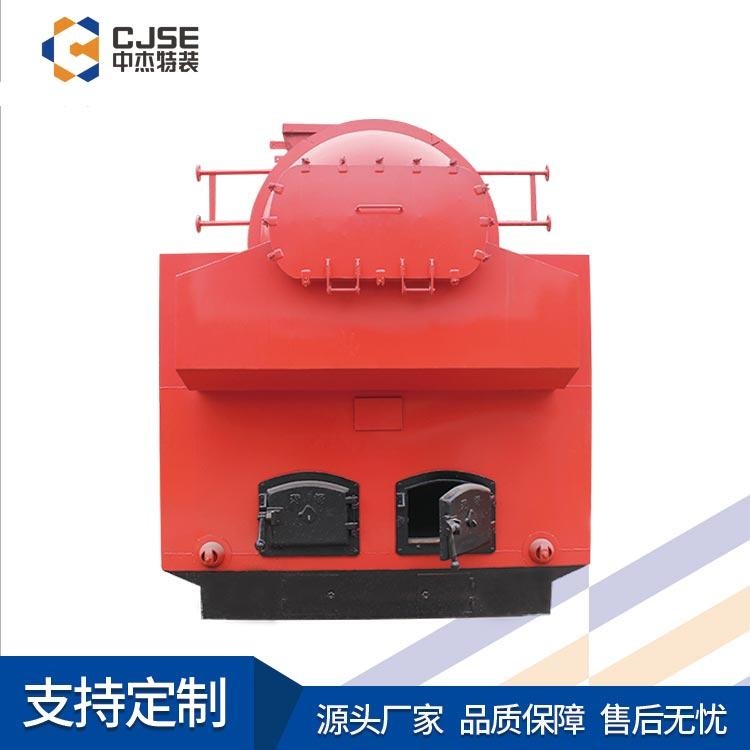
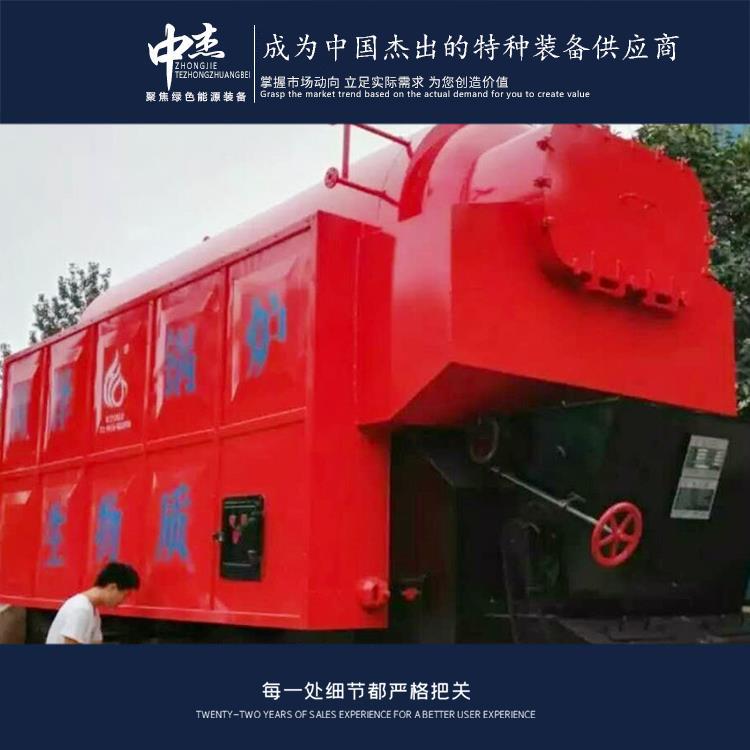


















Shandong Zhongjie Special Equipment (formerly Heze Boiler Factory Co., Ltd.) holds an A-grade boiler manufacturing license, an A2-grade pressure vessel manufacturing license, an A2-grade pressure vessel design license, a B-grade boiler installation license, and GB2 and GC2 grade pressure pipeline installation licenses, as well as a qualification for electromechanical equipment installation contracting. It is a member of the China Boiler and Water Treatment Association, the China Chemical Equipment Association, and the director unit of the Shandong Equipment Manufacturing Association. The company has also passed the ISO9001 Quality Management System, ISO14001 Environmental Management System, OHSAS18001 Occupational Health and Safety Management System certifications, and the American ASME/U2 certification.
To prevent rear combustion accidents in biomass boiler exhausts, the following operational measures can be taken:
Properly adjust combustion parameters: Ensure the stability and completeness of the combustion process, avoiding fuel accumulation and re-burning in the tail-end area. Reasonably control combustion temperature, air flow, and combustion time, maintaining a smooth and thorough combustion process.
Enhance combustion chamber mixing and air flow distribution: By optimizing the combustion chamber structure and combustion system design, ensure thorough mixing of fuel and air, and avoid fuel accumulation and re-burning in the tail section. Rationalize the air flow distribution within the combustion chamber to ensure uniform combustion of the fuel.
Regular cleaning of furnace and flue: Regularly clean the ash and carbon deposits inside the furnace to maintain its cleanliness. Clean the flue and waste heat recovery equipment to prevent particle accumulation and ash in the flue gas, reducing the risk of re-burning.
Install Flue Gas Recirculation (FGR) Device: Install a flue gas recirculation device at the boiler tail to reignite the exhaust flue gas, enhancing combustion efficiency, and reducing the likelihood of secondary combustion at the tail.
Enhanced Operation Monitoring and Maintenance: Regularly monitor and maintain biomass boilers to promptly identify and address any anomalies. Monitor combustion parameters, flue gas emissions, and temperature, ensuring the boiler operates smoothly.
Ensure comprehensive safety training and operational procedures: Conduct safety training for operators to enhance their understanding of biomass boiler operation and safety
Biomass boilers, as equipment for converting thermal energy from biomass fuel, offer the following advantages:
Renewable Energy: Biomass fuel is a renewable energy source that can be continually replenished through planting and cultivation. Its use has a smaller environmental impact compared to fossil fuels, contributing to sustainable development.
Environmental Protection and Energy Saving: Biomass combustion produces relatively little waste gas and slag, with low emissions of pollutants. Biomass fuel inherently has low sulfur and low nitrogen characteristics, and the slag after combustion can be reused as organic fertilizer or biomass fuel, reducing environmental pollution.
Diversity and Flexibility: Biomass fuel types are abundant, including wood chips, straw, and more. Different fuels can be selected based on actual conditions, enhancing their substitutability and flexibility.
Utilization: The biomass boiler employs advanced combustion technology and heat conversion equipment to fully utilize the thermal energy of biomass fuel, enhancing thermal efficiency. Additionally, equipped with an economizer and flue gas recirculation system, further heat efficiency is achieved.
Economic Efficiency: Biomass fuel is more stable and less expensive compared to fossil fuels. The investment and operating costs of biomass boilers are relatively low, offering good economic viability.
Widely Applicable: Biomass boilers are suitable for various fields, including industrial production, heating, and power generation. They can meet the thermal energy demands in different scenarios.
In summary, biomass boilers offer advantages such as renewable energy, environmental protection, energy efficiency, diversity and flexibility, utilization, cost-effectiveness, and wide application, making them a sustainable thermal energy conversion solution.
slagging in biomass boilers refers to the solid residue formed from the ash and other impurities in the fuel during the combustion process at high temperatures. Slagging is a common issue in the operation of biomass boilers that may affect their heat transfer and combustion efficiency. Here is a brief discussion on biomass boiler slagging:
Coking Causes: The biomass fuel contains a high ash content, and the ash may include some sticky substances. These substances tend to melt and adhere to the heat exchange surface of the boiler at high temperatures, forming coking. Moreover, certain elements in the biomass fuel, such as calcium, also contribute to the formation of coking.
slagging effects: Slagging can impede heat transfer in boilers, reduce combustion efficiency, and increase energy consumption. It can also cause boiler temperatures to rise, accelerate the corrosion of metal materials, and shorten the lifespan of the boiler.
Preventive and corrective measures: To prevent and address the slagging issue in biomass boilers, the following measures can be taken:
Fuel Pretreatment: Pre-treat biomass fuel, including drying, screening, and decontamination, to reduce ash and salt content in the fuel, and minimize slagging risks.
Control combustion conditions: Reasonably control the parameters such as the temperature, oxygen content, and combustion rate of biomass combustion to avoid excessive temperatures and oxygen levels, reducing slag formation.
Cleaning and Maintenance: Regularly clean the boiler's interior of accumulated dust and dirt to maintain its cleanliness. During the cleaning process, use appropriate cleaning agents and tools to remove internal dirt and prevent slagging from forming.
When planning and arranging the bag filter for biomass boiler, the following aspects should be considered:
Baghouse Dust Collector Location: The baghouse dust collector should be positioned near the biomass boiler flue gas outlet to effectively capture particulate matter from the flue gas. Additionally, the location of the baghouse dust collector should be convenient for operation and maintenance, ensuring ease in cleaning and replacing filter bags.
Arrangement of flue gas进出口: The flue gas进出口 of the bag dust collector should be connected to the flue gas pipeline of the biomass boiler to ensure smooth entry and exit of flue gas from the collector. The arrangement should consider the uniformity of flue gas flow and minimize resistance to enhance the dust removal efficiency and operational efficiency of the system.
Baghouse dust collector dimensions and capacity: Determine the dimensions and capacity of the baghouse based on the biomass boiler's flue gas flow rate and particulate load. Ensure the baghouse meets the flue gas treatment requirements and achieves the expected dust removal effect.
Bag filter arrangement and selection: Bag filters are the core components of bag dust collectors. Appropriate filter bag materials and specifications should be chosen based on the characteristics of flue gas and the nature of particulate matter. The arrangement of the filter bags should be reasonable to ensure that flue gas can pass through the bags evenly, capturing particles to the maximum extent.
Dust Cleaning System Arrangement: Bag filters require regular dust cleaning to maintain cleanliness and dust removal efficiency. The arrangement of the dust cleaning system should be user-friendly and easy to maintain, ensuring both the effectiveness and efficiency of the cleaning process.
Arrangement of exhaust pipes: After treatment by the bag dust collector, flue gas must be discharged into the atmosphere. The arrangement of the exhaust pipes should ensure the safety and compliance of flue gas emissions.
When planning and arranging biomass boiler bag dust collectors, it is recommended to collaborate with environmental engineers or equipment suppliers. Design and construct based on specific conditions to ensure the operation and environmental protection effectiveness of the dust removal system.
Shandong Zhongjie Special Equipment, welcome customers to visit our factory for business talks.
WeChat Official Account

Scan to follow Official Account



















