


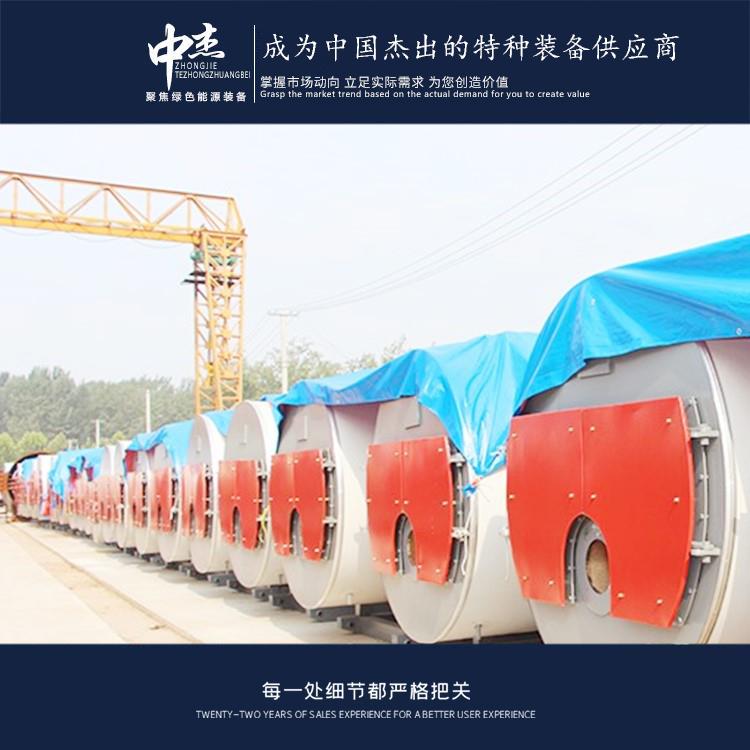

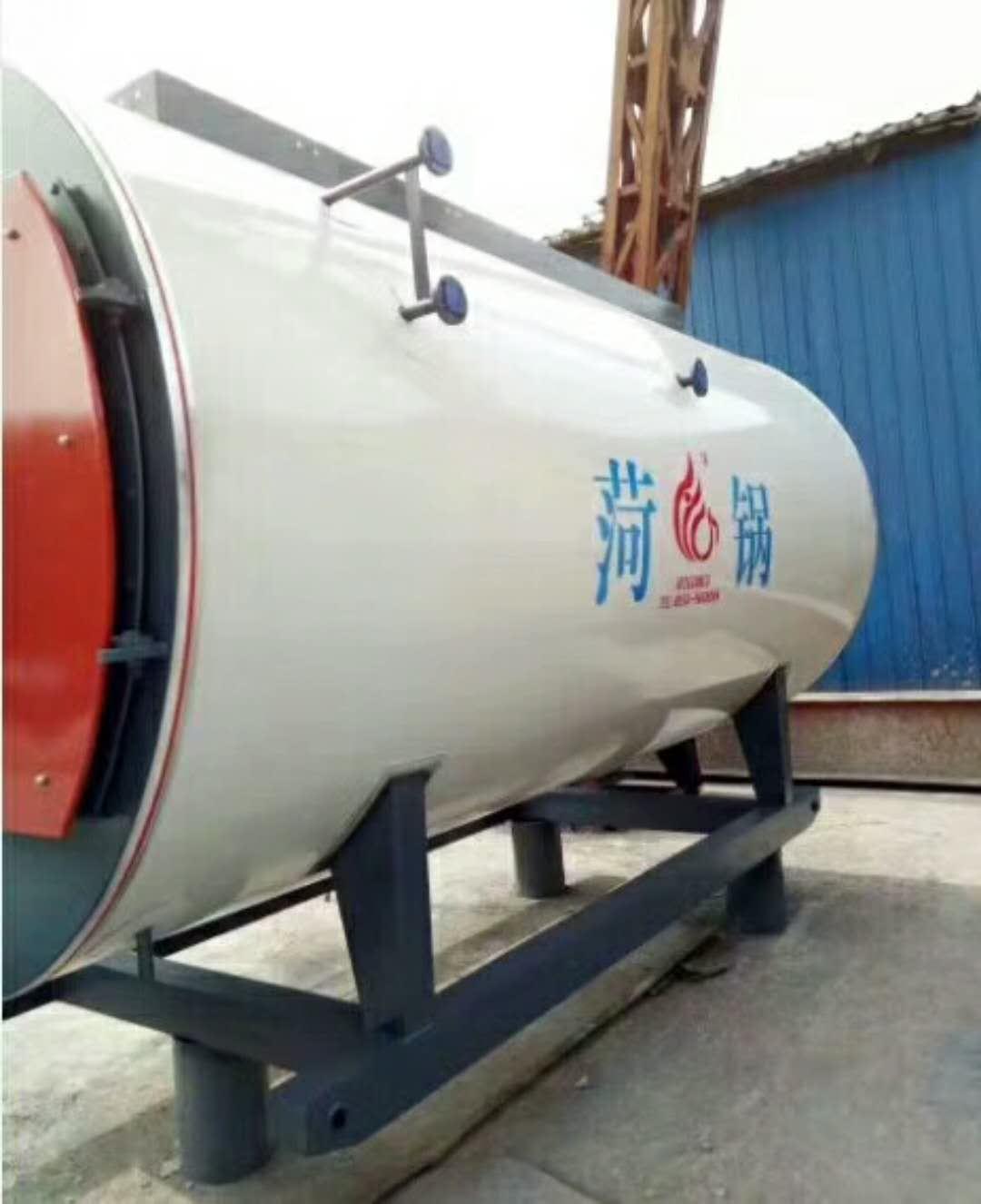
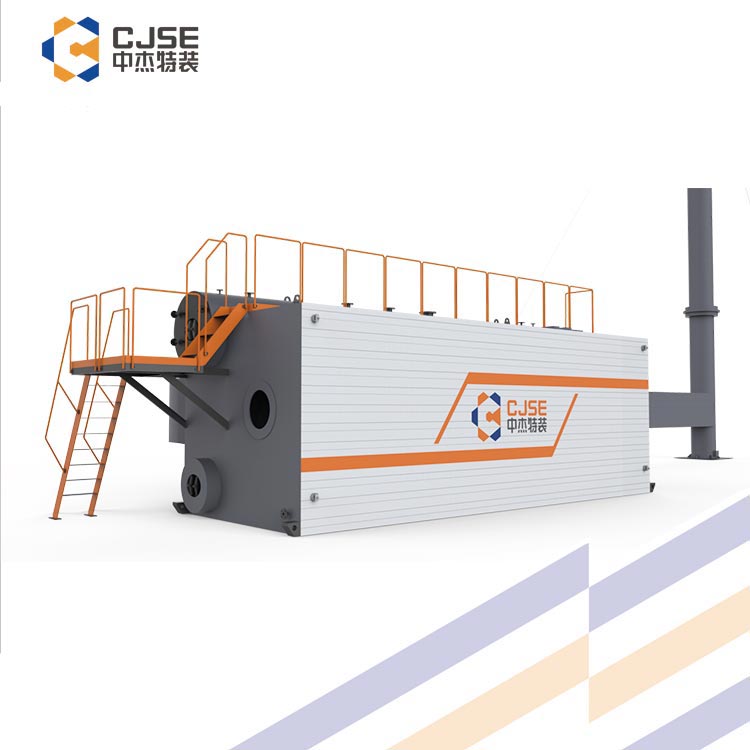


















Shandong Zhongjie Special Equipment's main products include: fuel (gas) boilers, organic heat carrier boilers, biomass boilers, waste heat recovery boilers, and other boiler products; vacuum insulation deep-freeze pressure vessels such as LNG tanks, oxygen/nitrogen/argon tanks, and CO2 tanks; pressure vessel products like denitration engineering equipment, heat storage and energy storage equipment, and complete chemical equipment; as well as central air conditioning and HVAC equipment such as ground (water) source heat pumps, air source units, water-cooled screw units, and air-cooled modular units. Planned products include large-scale thermal energy centers, LNG transport vehicles, and LNG tank containers, among other green energy equipment.
Industrial boilers, during their long-term operation, can accumulate scale and deposits, affecting heat exchange efficiency and the normal operation of the boiler. Here are some effective descaling methods:
1. Mechanical Cleaning: Utilizing cleaning equipment and tools, this method involves using high-pressure water or mechanical brushes to remove scale and deposits from within the boiler. It is suitable for lighter scale and deposits.
2. Chemical Cleaning: Using chemical cleaning agents, this method dissolves scale and deposits through chemical reactions. Select an appropriate cleaning agent based on the composition and nature of the scale, and follow the instructions provided. Chemical cleaning requires safe operation to avoid damage to equipment and the environment.
3. Acid Cleaning: Acid cleaning is a common descaling method for hard-to-dissolve scales and deposits. Commonly used acid cleaners include, etc., select the appropriate cleaner and concentration based on the specific situation. Acid cleaning requires safe operation to prevent harm to equipment and personnel.
4. Alkaline Cleaning: Alkaline cleaning is a descaling method for specific types of scale, suitable for alkaline scales. Commonly used alkaline cleaners include, etc., select the appropriate cleaner and concentration based on the specific situation. Alkaline cleaning requires safe operation to prevent harm to equipment and personnel.
5. Physical Descaling: Physical descaling methods include ultrasonic cleaning and electro-dissolution. Ultrasonic cleaning uses the vibration of ultrasound to shake the scale into pieces. Electro-dissolution utilizes the principle of electrolysis to dissolve scale through the action of electricity. These physical descaling methods are suitable for special situations and specific types of scale.
When selecting a descaling method, it is necessary to consider the specific conditions of the boiler.
The reasons for uneven heat distribution in steam boilers may include the following aspects: Uneven combustion: During the combustion process, uneven mixing of fuel and air, or an impractical design and adjustment of the burner, can lead to uneven combustion. This results in some areas producing more heat while others produce less. Pipe blockage: The presence of blockages or scale in the conveying pipes of a steam boiler can cause uneven heat transfer. Blockages or scale impede steam flow, limiting heat transfer in certain areas while allowing better heat transfer in others. Heat exchanger issues: If a steam boiler's heat exchanger has scaling, corrosion, or blockages, it can lead to uneven heat transfer. These problems affect the heat conduction efficiency of the heat exchanger, impacting heat transfer in some areas. Water level issues: Inaccurate or unstable water level control in a steam boiler can cause uneven steam generation. Both high and low water levels can affect steam production and distribution, leading to uneven heat distribution. Boiler load changes: Changes in the load of a steam boiler can also cause uneven heat distribution. Sudden increases or decreases in load may prevent the boiler from adjusting its heat production and distribution in time, resulting in uneven heat distribution. To address the issue of uneven heat distribution in steam boilers, regular inspection and maintenance of the boiler equipment are necessary to ensure the normal operation of combustion and heat exchange processes. Additionally, adjusting burners and control systems reasonably, maintaining stable water levels, cleaning pipes and heat exchangers, and improving...
When selecting a suitable gas-fired steam boiler, consider the following factors: Steam Demand: First, determine your steam requirements, including pressure and capacity. Based on your actual needs, choose a boiler with a rated evaporation capacity and steam pressure to ensure it meets your production or heating requirements. Fuel Type: Gas-fired steam boilers use gas as fuel, with common types including natural gas and LPG. Select a suitable fuel type based on available resources and cost considerations. Boiler Efficiency: Boiler efficiency directly impacts energy utilization and operating costs. Choosing a high-efficiency gas-fired steam boiler can reduce energy consumption and operating costs. Pay attention to the boiler's thermal and combustion efficiency to select a higher-efficiency model. Boiler and Manufacturer Quality: Choose a gas-fired steam boiler produced by a reputable manufacturer to ensure product quality and reliability. Understand the manufacturer's production capacity, after-sales service, and technical support to select a reliable supplier. Safety and Environmental Protection: Focus on the safety and environmental performance of the boiler. Ensure the boiler has necessary safety protection devices and monitoring systems, as well as a combustion system that meets environmental standards to minimize environmental impact. Cost-effectiveness: In addition to purchase costs, consider the operating and maintenance costs of the boiler. Consider the overall energy consumption and cost of the boiler.
A gas boiler is a heating equipment that uses gas or similar fuels. It generates heat by burning gas to heat water into steam or hot water, which is used for heating, hot water supply, or industrial production, among other applications. The working principle of a gas boiler involves mixing gas with air, igniting it to produce high-temperature combustion gases, which then transfer heat to the water through a heat exchanger, raising the water temperature. Gas boilers offer advantages such as environmental friendliness, safety, and are widely used in residential, commercial, and industrial sectors.
Our company attaches great importance to technological innovation and R&D design, boasting one municipal-level enterprise technology center in Heze City. We have established testing facilities for non-destructive testing, physical and chemical testing, welding testing, hydrostatic testing, and more. We are equipped with over 600 pieces of equipment including CNC machine tools, X-ray flaw detectors, digital ultrasonic flaw detectors, mechanical property testing machines, chemical analyzers, spectrometers, tensile testing machines, plasma welding machines, and more. Our key products and technologies such as temperature-pressure vessels for welding, biomass boiler emission reduction, and waste heat utilization have successively been selected for multiple Shandong Provincial Department of Industry and Information Technology science and technology projects, Shandong key projects, and Heze City innovation and excellence projects. We have cumulatively obtained 27 authorized utility models, 16 authorized inventions, participated in drafting 2 standards, 2 industry standards, and registered 15 trademarks. Our technical team, in collaboration with Professor Li Yajiang of Shandong University, has developed deep cryogenic vessel processing technology using the internationally recognized plasma arc + filler wire tungsten inert gas arc welding (PAW-GTAW) technology, which has been appraised as internationally competitive at the provincial level.
Choose ZJET Customized Solutions, let's create brilliance together!
WeChat Official Account

Scan to follow Official Account



















