


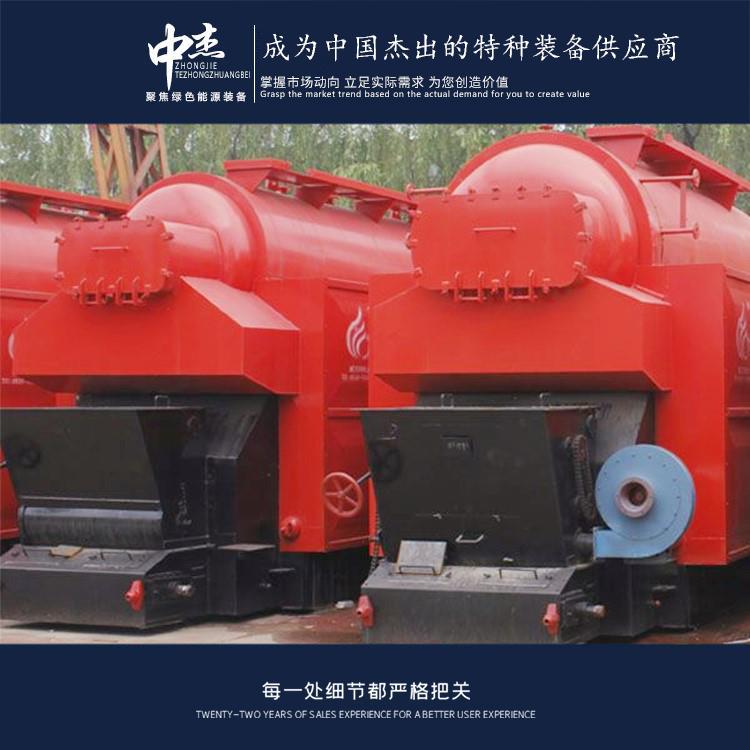

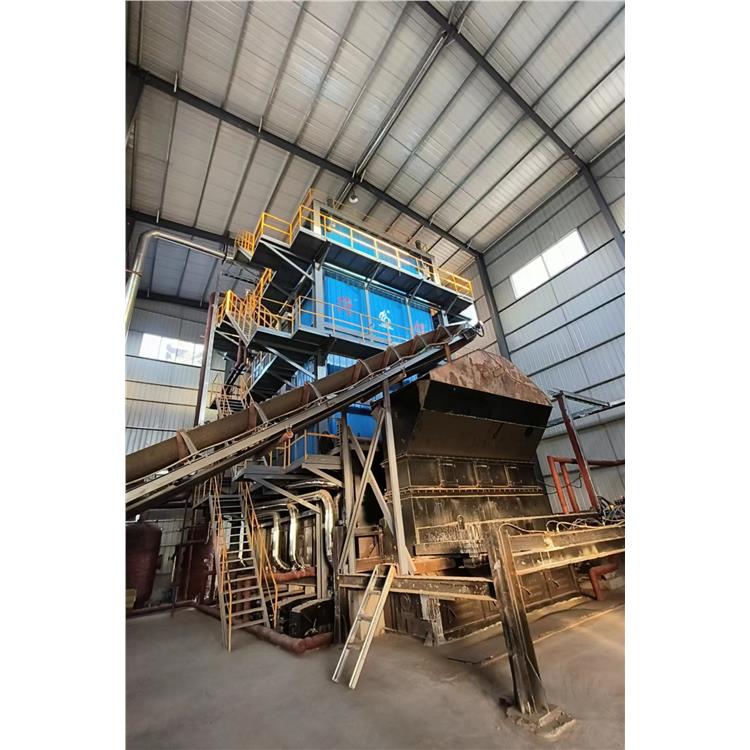
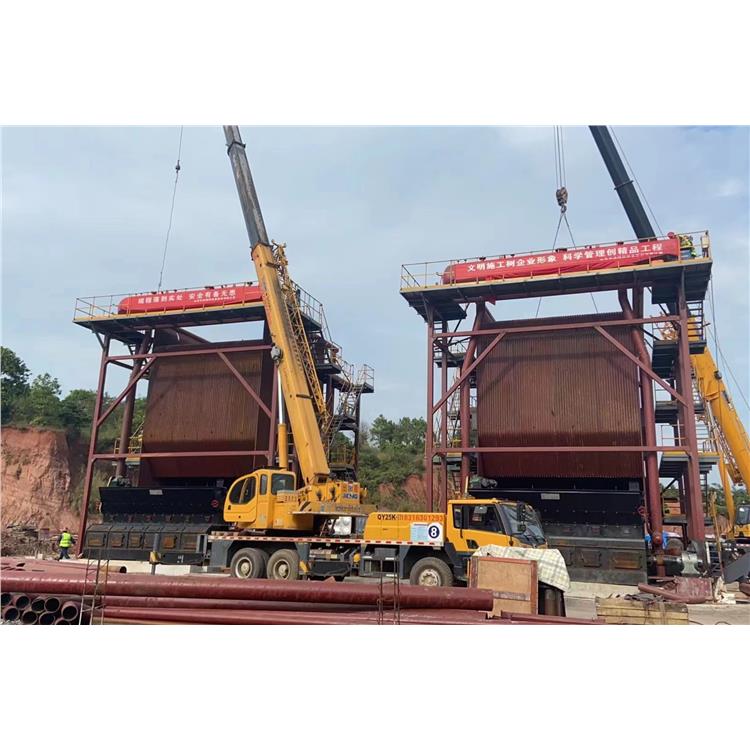


















Shandong Zhongjie Special Equipment's main products include: fuel (gas) boilers, organic heat carrier boilers, biomass boilers, waste heat boilers, and other boiler products; vacuum insulation cryogenic pressure vessels such as LNG tanks, oxygen/nitrogen/argon tanks, and CO2 tanks; pressure vessel products like denitrification engineering equipment, heat storage and energy storage equipment, and complete chemical equipment sets; central air conditioning and HVAC equipment such as ground (water) source heat pumps, air source units, water-cooled screw units, and air-cooled modular units. Planned products include large-scale energy centers, LNG transport vehicles, LNG tank containers, and other green energy equipment.
During the operation of biomass boilers, attention should be paid to the following aspects:
Fuel Selection: Choose a biomass fuel that suits your needs, considering factors such as supply stability, quality, and cost. Additionally, understand the fuel's characteristics and combustion properties to ensure it meets the boiler's requirements.
Equipment Selection: Choose appropriate biomass boiler equipment based on actual needs, including the type, capacity, and configuration. Consider factors such as fuel characteristics, thermal load requirements, and environmental protection standards to ensure the equipment meets operational needs.
Installation and Commissioning: During the installation of biomass boilers, follow relevant specifications and requirements for installation, and conduct necessary adjustments and tests. Ensure the safe and reliable operation of the equipment.
Operation Management: Establish and improve operation management systems, including daily operation, maintenance, and care of equipment. Regularly inspect the equipment's operational status and promptly address any malfunctions or anomalies.
Combustion Control: Reasonably control the combustion process, including fuel supply, combustion air adjustment, and combustion temperature control. Improve combustion efficiency and environmental performance through optimized combustion parameters.
Flue Gas Treatment: Process flue gas produced by biomass boiler combustion, including dust removal of particulates, nitrogen oxide denitration, and sulfur dioxide removal, to ensure the flue gas emissions are controlled.
Safety Protection: Enhance safety measures for equipment, including automated control of the combustion system, monitoring and protection of pressure and temperature. Ensure the safe and reliable operation of the equipment to prevent accidents.
Knowledge Training: Provide necessary training for operators and management staff to enhance their understanding and operational skills in biomass boilers. Ensure personnel can operate equipment correctly and address operational issues promptly.
When installing a biomass boiler, the following aspects should be taken into consideration:
Safety Distance: Biomass boilers should maintain a sufficient safety distance from other equipment, buildings, etc., to prevent fires and safety accidents.
Ventilation and Exhaust: Biomass boilers require an efficient ventilation and exhaust system to ensure that the flue gases produced during combustion are promptly discharged, preventing accumulation indoors and potential harm to human health.
Fuel Storage: Biomass boilers require suitable fuel storage facilities, such as fuel storage silos or stacking areas. The fuel storage area should be dry, well-ventilated, and fire prevention measures should be in place to prevent spontaneous combustion and fires.
Pipe Connections: Pipe connections for biomass boilers must be sturdy and reliable to ensure normal operation of fuel supply, flue gas exhaust, and water circulation. Suitable sealing materials should be used at the pipe connection points to prevent leaks and energy loss.
Control System: The control system of the biomass boiler should be reliable and stable, capable of accurately controlling and adjusting parameters such as temperature, pressure, and fuel supply. The control system should have safety protection features, such as overheat protection and low water level protection.
Regular Maintenance: Biomass boilers require regular maintenance and care, including cleaning the combustion chamber, inspecting pipes and valves, and clearing the flue and dust removal equipment. Regular maintenance ensures the normal operation and combustion of biomass boilers.
Compliance Requirements: When installing biomass boilers, it is necessary to adhere to relevant laws, regulations, and standards, such as safety production regulations and environmental protection requirements. Ensure that the installation of biomass boilers complies with regulations, guaranteeing safety and environmental protection.
Above are some points to be noted when installing biomass boilers to ensure safe and environmentally friendly operation. During the installation process, be
Biomass boiler combustion offers the following energy-saving features compared to traditional fuel boilers:
Combustion: The combustion technology and design of biomass boilers enable the combustion of biomass fuel. Compared to traditional fuel boilers, biomass boilers have higher combustion efficiency, allowing for more energy from the fuel to be utilized, thereby reducing energy waste.
Heat Recovery Utilization: Biomass boilers are equipped with a heat recovery system that can utilize the excess heat generated from combustion for heating systems, enhancing energy efficiency. In traditional fuel boiler systems, the heat from flue gases is often wasted, but biomass boilers can recover and utilize the heat energy from flue gases, reducing energy waste.
Renewable Energy Utilization: Biomass boilers utilize renewable biomass fuels such as wood chips, straw, and waste crops, reducing dependence on finite fossil fuel resources. Compared to traditional fuel boilers, biomass boilers have a more sustainable fuel source and can achieve sustainable energy use.
Carbon Emission Reduction: The combustion of biomass fuel results in lower carbon emissions compared to traditional fuel boilers, thereby reducing carbon emissions. The use of biomass boilers can decrease greenhouse gas emissions, making them more environmentally friendly.
Waste Utilization: Biomass boilers can utilize agricultural by-products such as crop straw, wood waste, etc., as fuel, effectively utilizing waste resources and reducing resource waste. Compared to traditional fuel boilers, biomass boilers have a more diverse fuel source and can achieve effective waste utilization.
The operation methods for biomass boilers can be selected and adjusted according to specific application needs and scenarios. Here are some common operation methods:
Heating Systems: Biomass boilers can be used in heating systems to provide hot water or steam for buildings, industrial workshops, etc. Heat energy can be transmitted through pipelines to the areas requiring heating, meeting the needs for heating and hot water.
Industrial Production: Biomass boilers can be utilized for thermal energy supply in industrial production processes, such as food processing, pulp and papermaking, and chemical industries. The thermal energy provided by biomass boilers meets the heating and steam requirements for industrial production.
Greenhouse Heating: Biomass boilers can be used in greenhouse heating systems, providing hot water or steam to maintain suitable temperature and humidity levels in the greenhouse, promoting plant growth.
Rural Heating: Biomass boilers can be used in rural heating systems to provide heating and hot water for rural residents. They can meet the heating needs of rural areas through centralized or decentralized heating.
Hot Water Pump Drying: Biomass boilers can be used in hot water pump drying systems for drying wood, grain, and other materials. By providing hot water or steam, the drying process is accelerated, enhancing efficiency.
Biomass Power Generation: Biomass boilers can be integrated with power generation equipment for biomass power generation. By burning biomass fuel, steam is produced to drive the generator and generate electricity, achieving the utilization and conversion of energy.
Here are some common applications of biomass boilers. Depending on specific needs and scenarios, suitable application methods can be chosen, and configurations and adjustments can be made in conjunction with relevant equipment and systems.
Shandong Zhongjie Special Equipment, welcome customers to our factory for business discussions.
WeChat Official Account

Scan to follow Official Account



















