


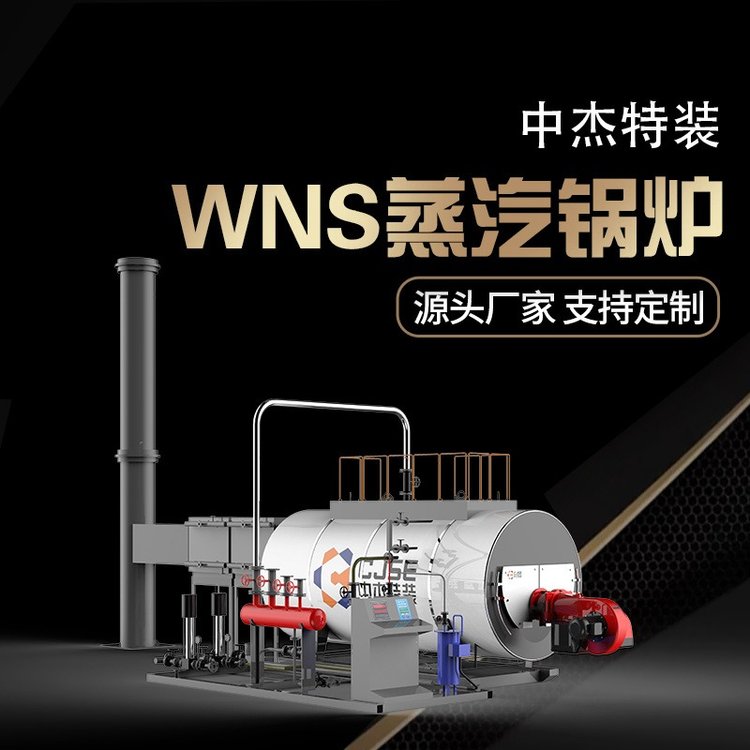

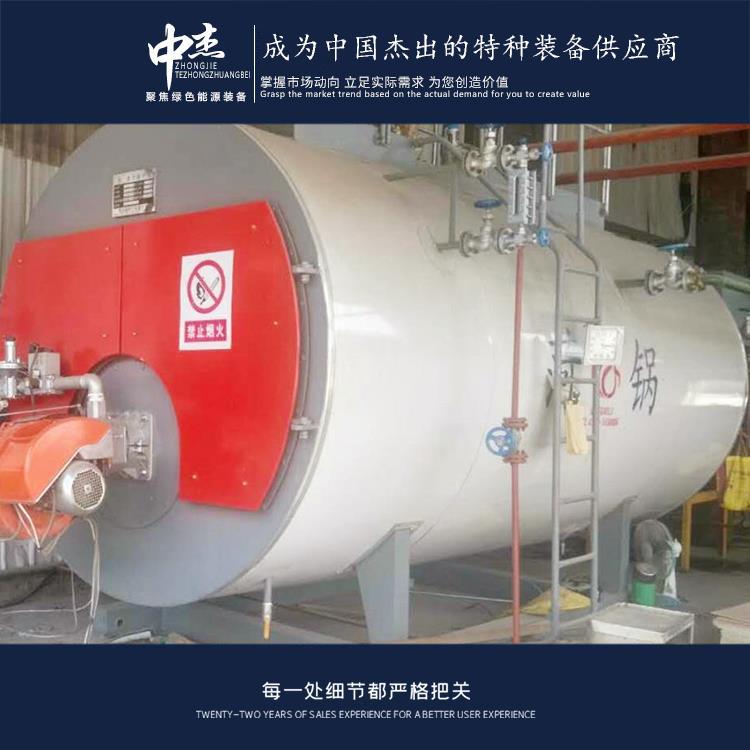
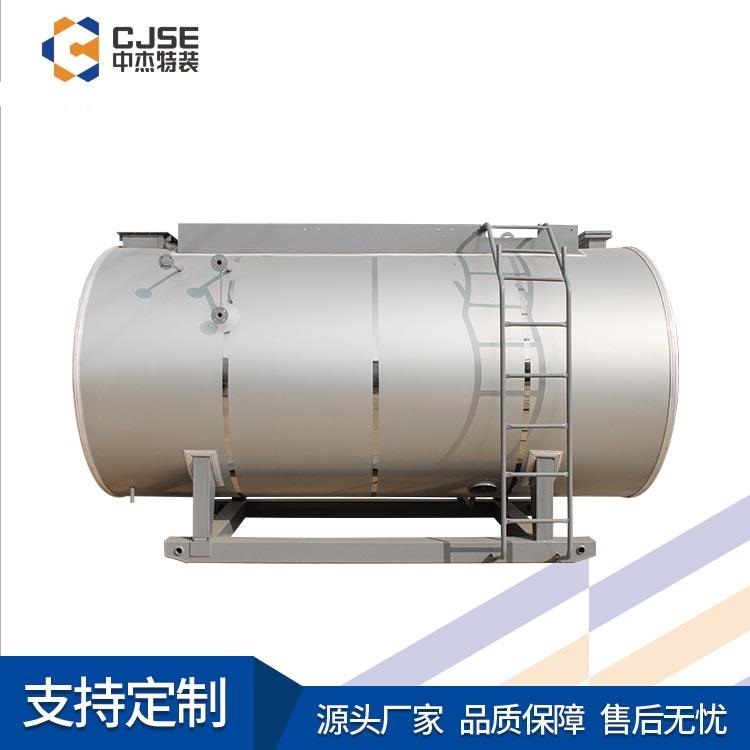


















Shandong Zhongjie Special Equipment (formerly Heze Boiler Factory Co., Ltd.) holds an A-grade boiler manufacturing license, an A2-grade pressure vessel manufacturing license, an A2-grade pressure vessel design license, a B-grade boiler installation license, and GB2/Class, GC2/Class pressure pipeline installation licenses, as well as an electromechanical equipment installation contracting qualification. It is a member of the China Boiler and Water Treatment Association, the China Chemical Equipment Association, and the理事 unit of the Shandong Equipment Manufacturing Association. The company has also passed the ISO9001 Quality Management System, ISO14001 Environmental Management System, OHSAS18001 Occupational Health and Safety Management System certifications, and the American ASME/U2 certification.
To optimize and improve the planning of gas boiler systems, consider the following aspects:
1. Energy Audit and Assessment: Conduct a comprehensive energy audit and assessment to understand the energy consumption of the gas boiler system and identify potential energy-saving opportunities. Through data analysis and energy measurement, determine the main sources of energy consumption and bottlenecks, providing a basis for subsequent optimization.
2. Combustion System Optimization: Optimize the combustion system of the gas boiler, including adjustments and cleaning of burners, control of the ratio of gas to air, and maintenance of the combustion chamber. Ensure high combustion efficiency and gas utilization, reducing energy waste.
3. Heat Recovery Utilization: Consider installing heat recovery devices such as waste heat recovery units or flue gas heat exchangers. These devices can utilize the excess heat from the flue gas emitted by the gas boiler to heat water or other equipment requiring heat, improving energy utilization efficiency.
4. Pipe Insulation and Leak Inspection: Ensure that the insulation of gas and hot water pipes is effective to reduce energy loss. Regularly inspect for pipe leaks and repair them promptly to avoid energy waste and safety hazards.
5. Control System Upgrade: Consider upgrading the control system of the gas boiler to adopt automated control technology. Through precise control and adjustment, achieve optimal operation of the gas boiler.
When operating a gas boiler, there are three important points to consider:
1. Safe Operation: A gas boiler is a thermal energy device, and safety must be prioritized during operation. Firstly, ensure that operators have the relevant skills and knowledge, and understand the boiler's working principle and operating procedures. Secondly, it is strictly forbidden to store flammable materials around the boiler, and good ventilation should be maintained. Additionally, regularly inspect and maintain the safety valve, pressure gauge, and other safety devices to ensure they function properly.
2. Correctly Adjust Gas Supply: The combustion of a gas boiler requires an appropriate amount of gas supply. During operation, adjust the gas supply according to actual needs to ensure stable combustion. Simultaneously, regularly check the sealing integrity of the gas pipeline and valves to prevent gas leaks.
3. Regular Maintenance and Cleaning: Regular maintenance and cleaning of a gas boiler are crucial for maintaining its normal operation and extending its lifespan. Regularly inspect all parts of the boiler, clean the burner, flue, and heat exchanger to remove accumulated dust and dirt, ensuring efficient heat transfer and combustion. Moreover, regularly replace filters and clean water treatment equipment to ensure clean water quality and prevent scale and corrosion.
It should be noted that the above three points are only basic operational guidelines, and specific operational and maintenance requirements may vary depending on the model and specifications of the gas boiler. Therefore, it is advisable to refer to the boiler's operation manual or consult with experts before operating a gas boiler to ensure correct and safe operation.
In industrial boiler systems, the key functional parameters of pumps include the following aspects:
Flow Rate: The flow rate of a pump refers to the volume of liquid pumped per unit of time. In industrial boilers, pumps need to provide sufficient flow to meet the boiler's water requirements. The size of the flow rate depends on the boiler's rated evaporation capacity and the design requirements of the circulating water system.
Head: The head of a pump refers to its ability to overcome liquid resistance and lift the liquid to a certain height. In industrial boilers, pumps must have adequate head to ensure smooth flow to all parts of the boiler, including the feedwater and circulating water systems.
Power: The power of a pump is the electrical or mechanical energy required to drive the pump. In industrial boilers, the power of the pump needs to be determined based on flow rate and head to meet the system's needs.
Efficiency: The efficiency of a pump is the ratio of the input energy to the output fluid energy. High-efficiency pumps can reduce energy consumption and operating costs. In industrial boilers, choosing high-efficiency pumps can improve the energy efficiency performance of the system.
Operational Stability and Reliability: Pumps in industrial boiler systems must have good operational stability and reliability. Pumps should be able to run stably for long periods without being affected by external interference or fluctuations and should be adaptable to different operating conditions.
Pumps should be selected based on the specific industrial boiler system and design requirements, ensuring that the functional parameters meet the system's needs. Additionally, the selection and operation of pumps must comply with relevant standards and regulations to ensure safe and reliable operation.
Based on the information provided, I cannot accurately determine the heating area for a 40-ton gas-fired hot water boiler or the gas pressure for an atmospheric pressure gas boiler. The determination of these parameters requires consideration of multiple factors, including the boiler's design specifications, the type and quality of the gas, and the heating system requirements. The heating area is typically calculated based on the size of the building or industrial production facility to be heated and the heat load, which is often calculated using methods such as the building's floor area, local climate conditions, and indoor temperature requirements. The gas pressure depends on the type of gas and the design of the gas supply system. Different types of gas (such as natural gas, etc.) have different gas pressure requirements. The gas pressure also needs to consider factors such as the gas pipeline's length, diameter, and material. Therefore, to accurately determine the heating area for the 40-ton gas-fired hot water boiler and the gas pressure for the atmospheric pressure gas boiler, it is recommended to consult the boiler manufacturer or engineer, who can calculate and design based on the specific circumstances.
Our company attaches great importance to technological innovation and R&D design. We have one municipal-level enterprise technology center in Heze City, equipped with non-destructive testing, physical and chemical testing, welding testing, hydrostatic testing, and other testing facilities. We have over 600 types of equipment, including CNC machine tools, X-ray flaw detectors, digital ultrasonic flaw detectors, mechanical property testing machines, chemical analyzers, spectrometers, tensile testing machines, plasma welding machines, etc. The key products and technologies we have developed, such as welding of temperature and pressure vessels, biomass boiler emission reduction, and waste heat utilization, have successively been selected for multiple Shandong Provincial Department of Industry and Information Technology science and technology innovation projects, key projects in Shandong Province, and Heze City innovation and excellence projects. We have accumulated 27 authorized utility model patents, 16 authorized invention patents, participated in drafting 2 standards, 2 industry standards, and registered 15 trademarks. The deep cryogenic vessel processing technology jointly developed by our technical team and Professor Yajiang Li from Shandong University, using the international plasma arc + filler wire tungsten inert gas arc welding (PAW-GTAW) technology, has been appraised as an international-level technology in the field of deep cryogenic vessel manufacturing at the provincial level.
Choose ZJETT for excellence, let's create brilliance together!
WeChat Official Account

Scan to follow Official Account



















