


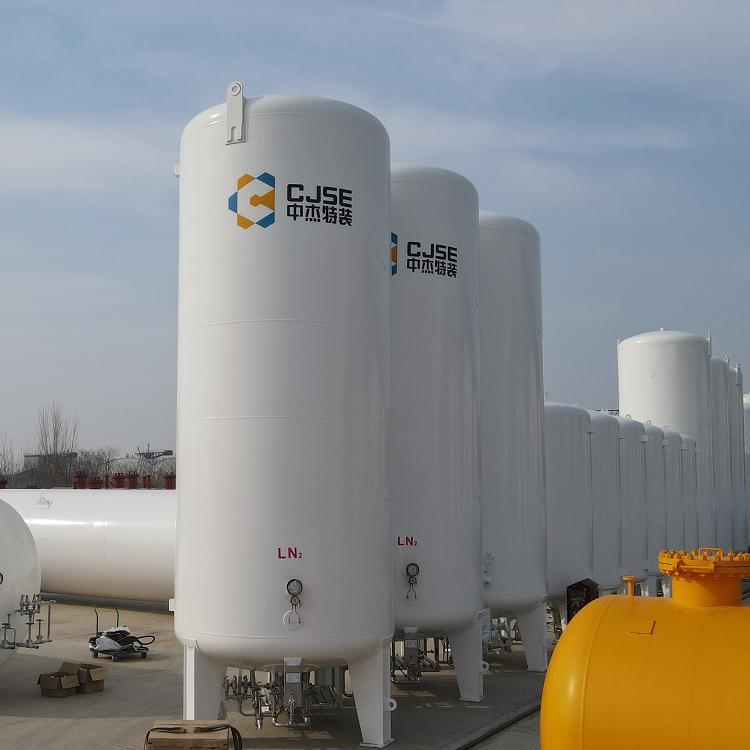

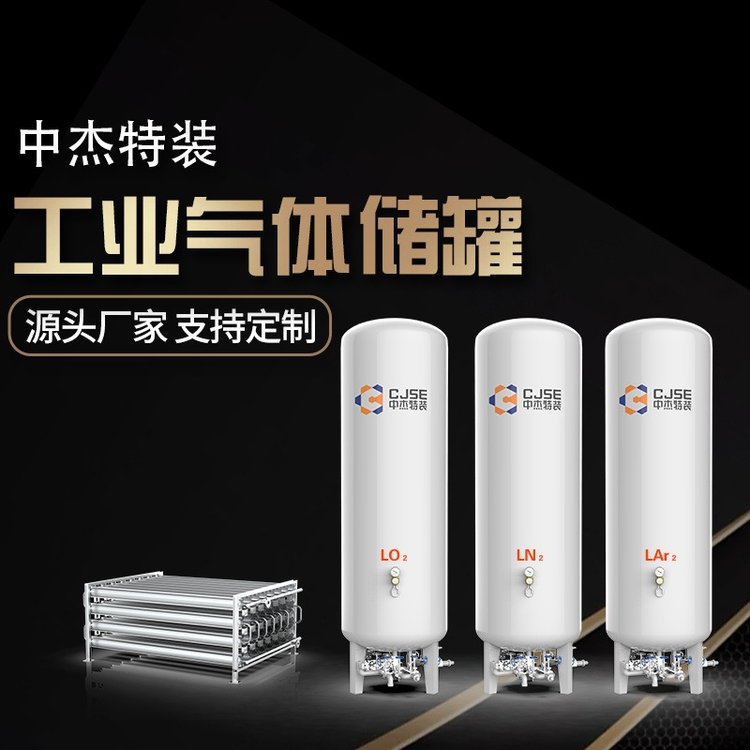
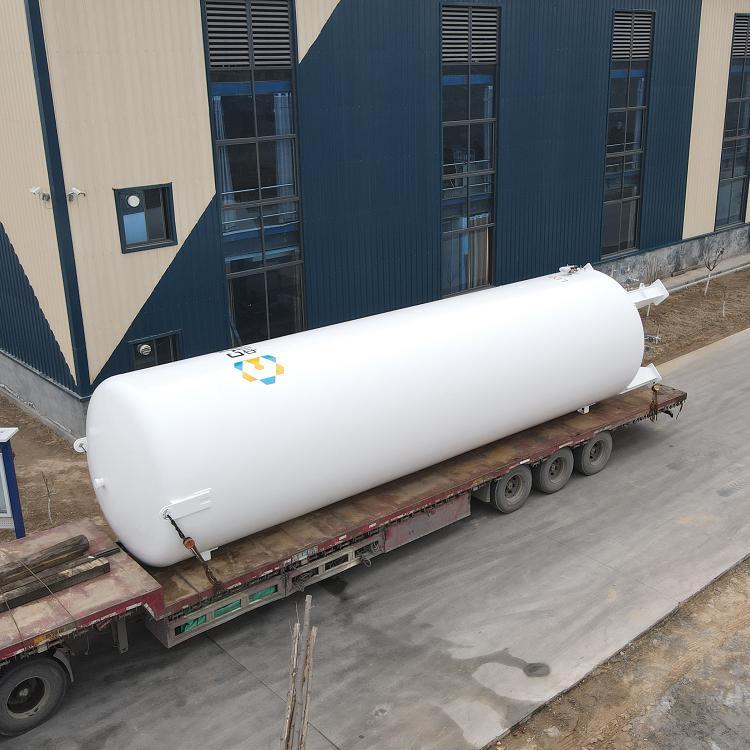


















Shandong Zhongjie Special Equipment (formerly Heze Boiler Factory Co., Ltd.) holds an A-grade boiler manufacturing license, an A2-grade pressure vessel manufacturing license, an A2-grade pressure vessel design license, B-grade boiler installation, and GB2, GC2 pressure pipeline installation licenses, as well as an equipment and machinery installation contracting qualification. It is a member of the China Boiler and Water Treatment Association, the China Chemical Equipment Association, and the理事 unit of the Shandong Equipment Manufacturing Association. The company has also passed certifications for the ISO9001 Quality Management System, ISO14001 Environmental Management System, OHSAS18001 Occupational Health and Safety Management System, and the American ASME/U2 certification.
The safe operation of low-temperature carbon dioxide storage tanks is primarily key in the following aspects: Design and Manufacturing: The tank's design and construction must comply with relevant standards and regulations to ensure it can withstand working conditions under low temperatures and high pressures. The tank should possess sufficient strength and sealing performance to prevent leaks and ruptures. Safety Valves and Pressure Control: The tank should be equipped with safety valves and pressure control devices to ensure internal pressure remains within safe limits. Safety valves should be regularly inspected and tested to ensure proper functioning. Temperature Control: Effective temperature control is necessary for low-temperature carbon dioxide storage tanks to prevent freezing or embrittlement due to excessively low temperatures. Appropriate insulation materials and equipment should be used to maintain the tank and pipeline temperatures within safe ranges. Leak Detection and Alarm: The tank should be fitted with leak detection devices and alarm systems, along with corresponding monitoring equipment. These devices can detect leaks promptly and trigger alarms for appropriate action. Safe Operation and Training: Operators should receive relevant training to understand the safe operation procedures and standards for low-temperature carbon dioxide storage tanks. Operators should be familiar with the tank's characteristics, operational principles, and emergency response measures. Regular Inspections and Maintenance: Tanks should be regularly inspected and maintained, including visual inspections, anti-corrosion coating maintenance, and leak detection. Regular inspections can help identify potential issues early and take appropriate corrective actions. Emergency Preparedness: Establish an emergency response plan and equip with appropriate fire-fighting and first-aid equipment. Operators should be familiar with emergency procedures and be able to respond quickly to emergencies. Please note that the above points are general recommendations. Specific safe operation should be based on the design and usage requirements of the low-temperature carbon dioxide storage tank. Before using the tank, it is recommended to refer to relevant safety operation manuals and guidelines to ensure operational safety.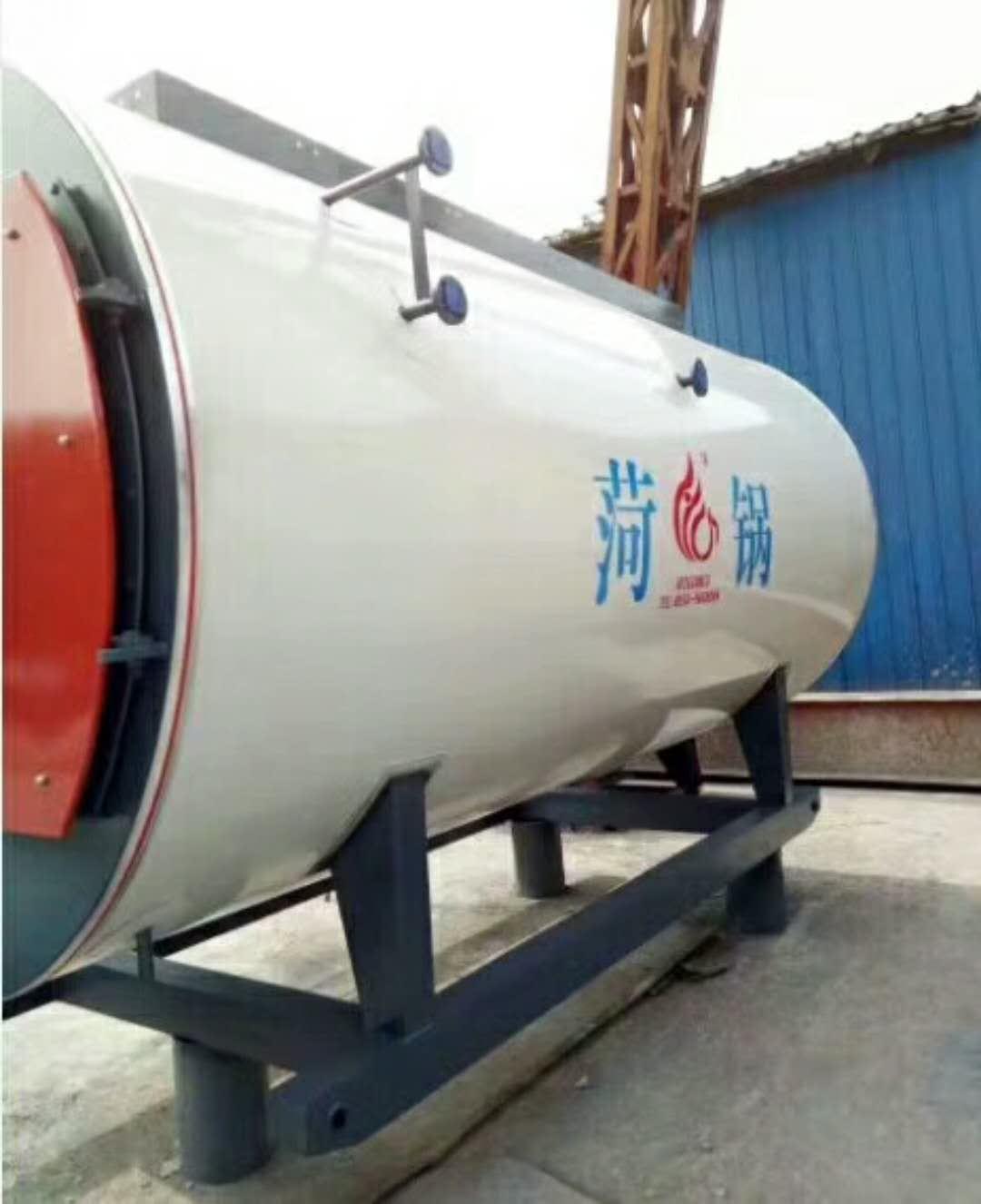
A carbon dioxide storage tank pressure maintenance system is designed to maintain the internal pressure of a CO2 storage tank. As CO2 is in a gaseous state at room temperature, it must be compressed into a liquid to enhance storage density. The primary function of the pressure maintenance system is to monitor and regulate the tank's internal pressure, ensuring CO2 remains within a safe and stable pressure range. The system typically consists of the following components:
- Pressure Sensor: Installed inside the tank, it continuously monitors the internal pressure and transmits pressure signals to the control system.
- Control System: Receives signals from the pressure sensor and controls the tank's pressure within a pre-set range. When the pressure inside the tank exceeds or falls below the set limits, the control system activates the appropriate control measures.
- Pressure Regulating Valve: Adjusts the tank's pressure according to the control system's instructions. When pressure is too high, the valve opens to release some gas to lower it. When pressure is too low, the valve closes to prevent further gas release and increase the pressure.
- Pressure Reservoir: Often a pressure vessel, it stores additional gas for providing extra pressure support as needed. When the tank's pressure drops, the reservoir releases gas to maintain the tank's pressure.
Through the coordinated efforts of these components, the CO2 storage tank pressure maintenance system ensures the tank's pressure remains safe and stable. This is crucial for the tank's normal operation and safety.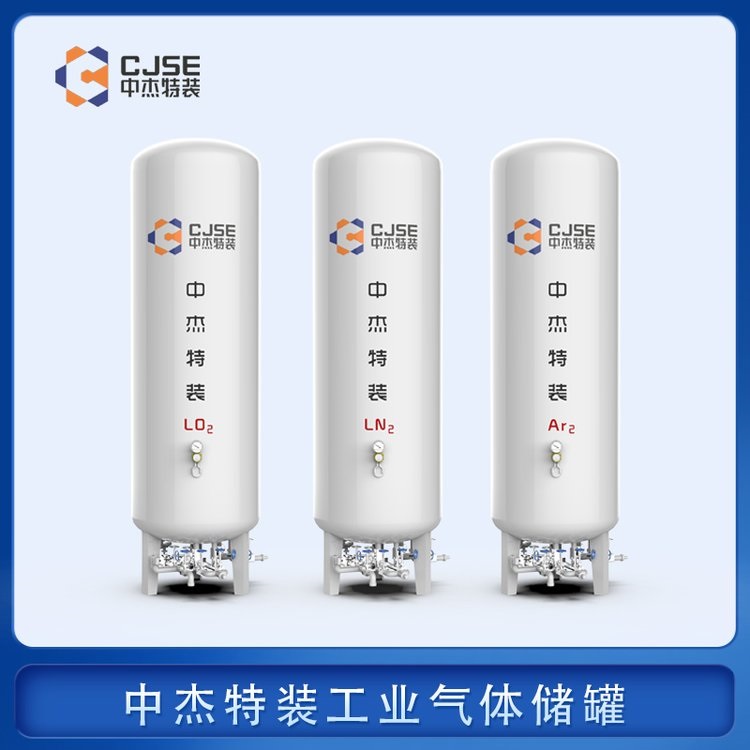
The spacing rules for carbon dioxide storage tanks are typically governed by relevant safety codes and standards, with specific spacing requirements varying depending on location, use, and tank capacity factors. Below are some common spacing rules:
- Small spacing between tanks: Generally, the small spacing between adjacent tanks should comply with relevant safety codes and standards. This spacing ensures that adjacent tanks are not affected in case of a leak or accident.
- Spacing between tanks and buildings: The spacing between tanks and buildings must also meet relevant codes and standards. This spacing ensures that buildings are not affected in the event of a tank leak or accident.
- Spacing between tanks and equipment: The spacing between tanks and other equipment (such as pipes, pumps, etc.) must also adhere to relevant codes and standards. This spacing ensures the proper operation and maintenance of equipment.
- Safety and emergency exit pathways: Adequate safety and emergency exit pathways should be provided around the tanks to allow for safe evacuation in emergencies.
It's important to note that specific spacing rules may vary by region and industry. Therefore, when installing and using carbon dioxide storage tanks, local safety codes and standards should be referenced, and experts should be consulted to ensure compliance with requirements.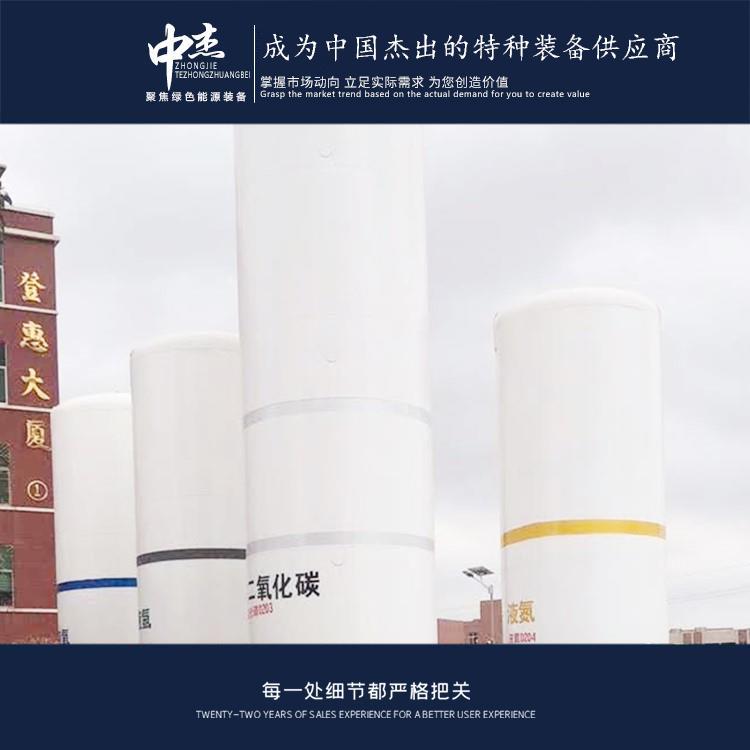
Carbon dioxide tanks fall under the category of pressure vessels. Pressure vessels are sealed containers designed to withstand internal pressure, used for storing and transporting gases, liquids, or mixtures. Carbon dioxide tanks are pressure vessels specifically designed for storing and transporting carbon dioxide, featuring special designs and structures to ensure safe storage and usage of carbon dioxide. Depending on design and application, carbon dioxide tanks can be either vertical or horizontal, with varying capacities and pressure ratings. When using carbon dioxide tanks, it is necessary to adhere to relevant regulations and standards to ensure their safe operation and use.
ZJ Specialized Equipment upholds the great vision of "realizing employees' dreams, creating customer value, and striving for the prosperity and strength of our motherland," and is dedicated to the development of green energy equipment. We contribute to society with high-quality, cost-effective products and services!
WeChat Official Account

Scan to follow Official Account



















