


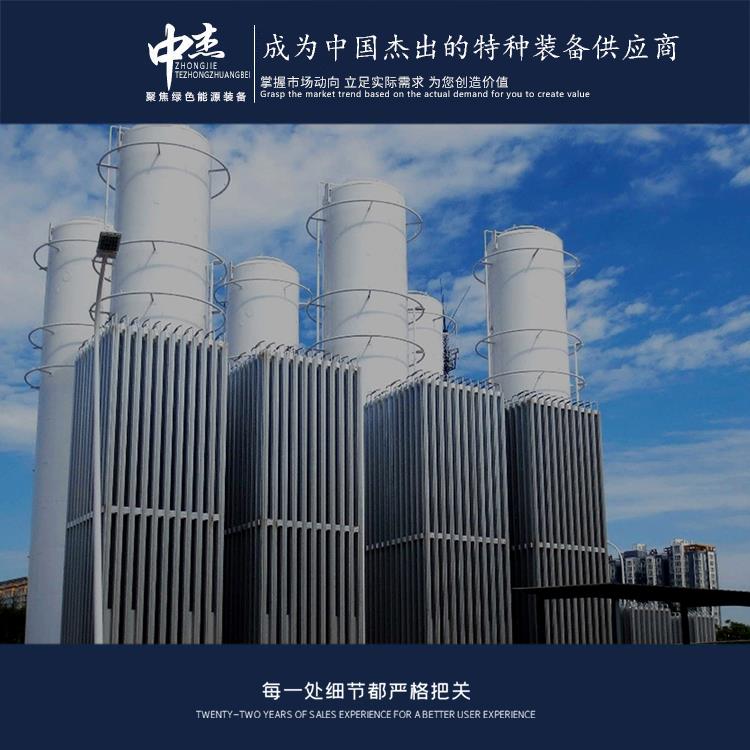

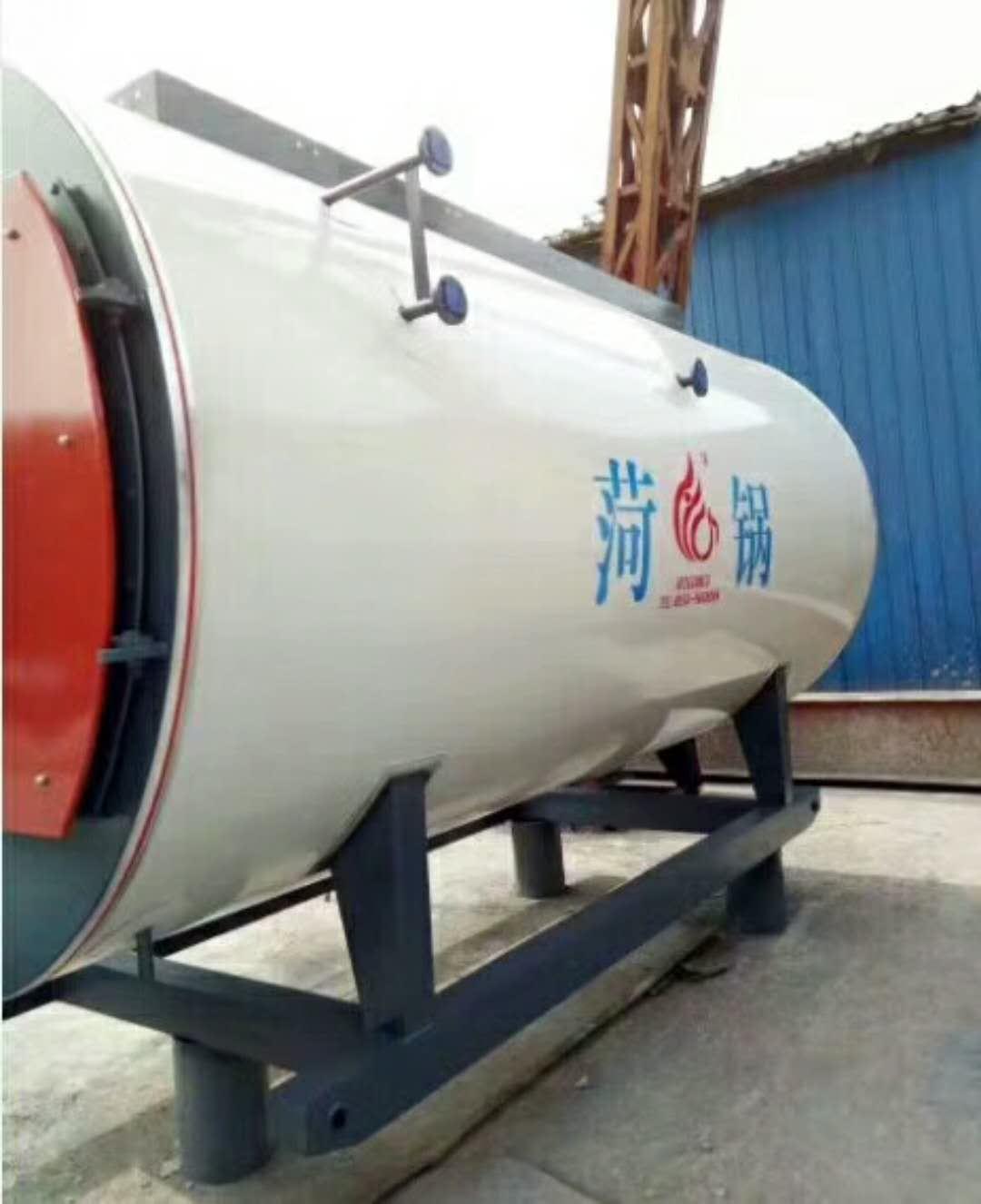
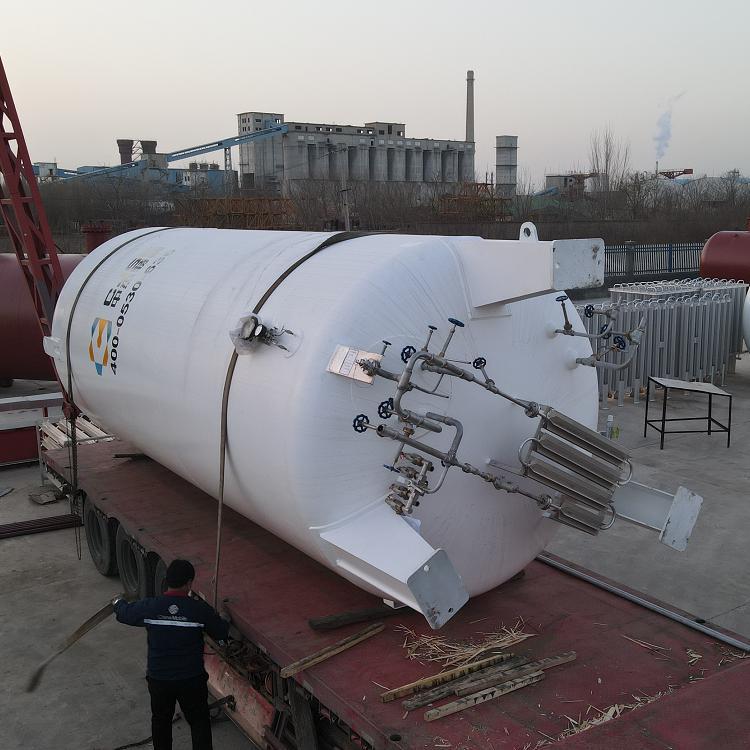


















Shandong Zhongjie Special Equipment (formerly Heze Boiler Factory Co., Ltd.) was established in 2001, located at No. 2218 Jinnan Road, Economic and Technological Development Zone, Heze City. With a registered capital of 50 million yuan and total assets of 500 million yuan, the company has 7 business centers: boiler, deep-freeze containers, pressure vessels, central air conditioning, engineering installation, international trade, and Internet of Things. It has three manufacturing sites on Jinnan Road, East Changjiang Road, and Bohai Road, covering a total of 200,000 square meters, with the main workshop spanning 83,000 square meters. Currently, there are 710 employees, including 247 engineers and technicians and 82 intermediate-level technicians. In December 2016, it was recognized as a "High-Tech Enterprise" by the Science and Technology Department. In June 2021, it was identified as a "Specialized and New Enterprise in Shandong Province" by the Ministry of Industry and Information Technology. In June 2022, it was recognized as a "Gazelle Enterprise in Shandong Province" and in August 2022, as a "Specialized and New Small Giant Enterprise" by the Ministry of Industry and Information Technology.
The leak treatment methods for liquid argon storage tanks mainly include the following steps:
Identified Air Leaks: Detected through odors, gas detection equipment, or abnormal pressure in liquid argon storage tanks, air leaks in the liquid argon storage tanks are identified.
Confirm air leakage location: Use gas detection equipment or foam leak detection agents, etc., to pinpoint the exact location of air leakage. Inspect tank interfaces, valves, pipe connections, and other areas to locate the air leakage points.
Seal Air Leaks: Take appropriate measures to stop air leaks based on their location. For instance, for leaks at joints, inspect and adjust gaskets or tighten bolts; for valve leaks, check and replace seals.
Isolate Air Leaks: During the process of dealing with air leaks, it is necessary to isolate the leaky areas to ensure personnel safety. Set up warning signs, restrict access to the area, and take necessary protective measures, such as wearing protective masks, gloves, etc.
If leakage cannot be repaired immediately or the leakage is substantial, consider emptying liquid argon. Gradually reducing the pressure of liquid argon within the storage tank converts it into gas, minimizing the risk of leakage.
Ventilation Treatment: During the air leakage treatment, ensure adequate ventilation and promptly exhaust the gases produced by the evaporation of liquid argon. Natural ventilation or the use of ventilation equipment can be employed to expel the evaporated gases of liquid argon outdoors.
Safety Assessment and Repairs: After completing the air leakage treatment, conduct a safety assessment to ensure the tank's safety. Based on the assessment results, carry out any necessary repairs and maintenance to prevent air leakage from recurring.
Note that liquid argon is a low-temperature liquid with a low boiling and freezing point. Caution is required when handling air leaks to avoid contact with liquid argon and cold exposure. When dealing with air leaks in liquid argon storage tanks, the operation should be performed by personnel and in accordance with relevant safety operating procedures and standards.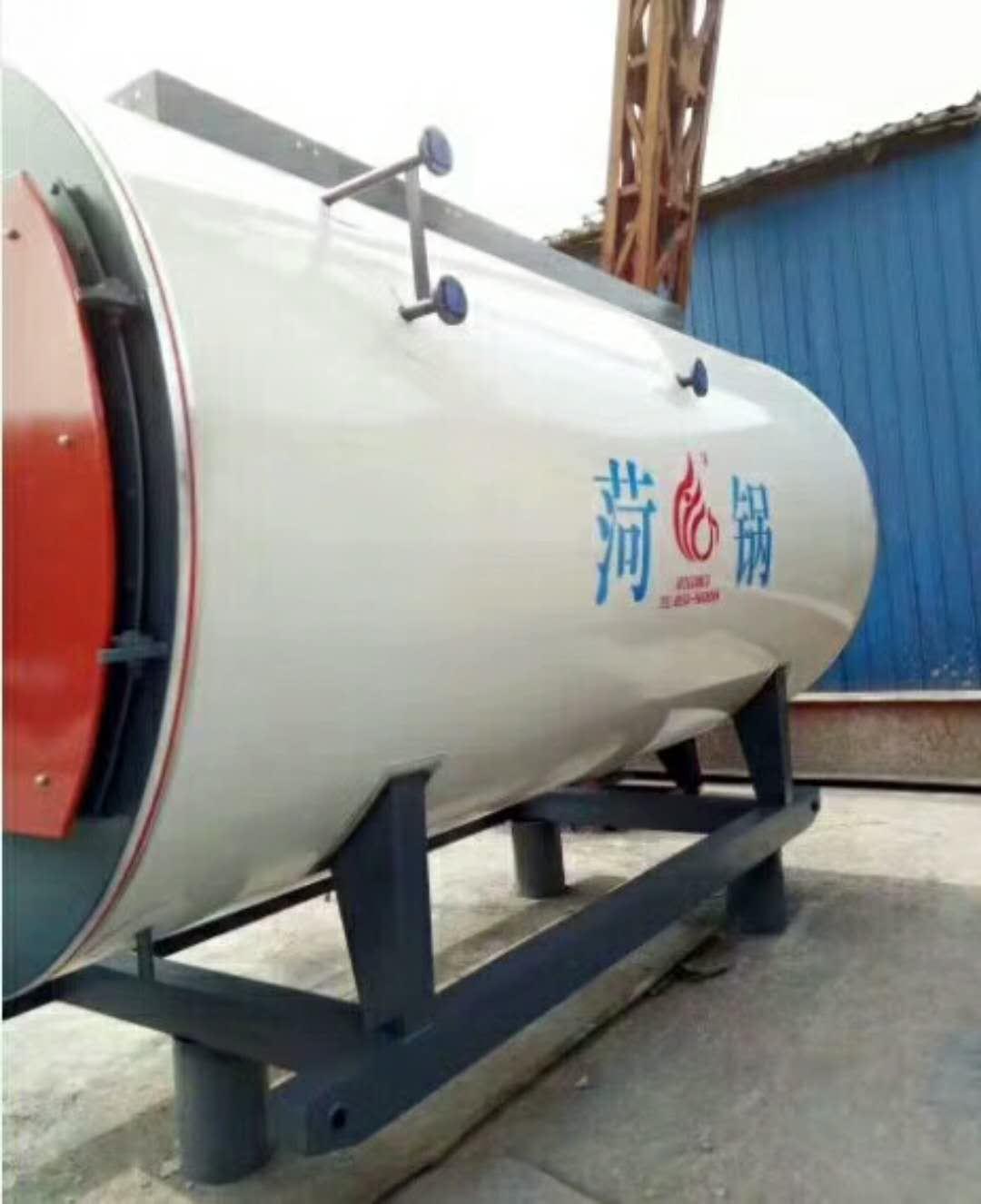
During the welding process of low-temperature liquid storage tanks, controlling the occurrence of welding cracks is crucial. The following are some methods and measures for controlling welding cracks:
Appropriate Welding Techniques: Selecting the appropriate welding process and parameters helps to minimize welding heat input and thermal stress. Employing low heat input methods such as pulse welding and laser welding can reduce the temperature gradient and residual stress in the heat-affected zone.
Preheating and post-heating treatment: Perform appropriate preheating before welding to enhance material toughness and reduce thermal stress. Conduct a suitable post-heating treatment, such as annealing or stress-relieving heat treatment, after welding to minimize residual stress and improve the toughness of the weld.
Select appropriate welding materials: Choose welding materials with good toughness and crack resistance to minimize the occurrence of welding cracks. Select the appropriate welding material based on the storage tank's operating conditions and requirements, such as low-alloy steel, stainless steel, etc.
Control Welding Process: Monitor and control parameters and operations during the welding process to minimize the risk of welding cracks. Pay attention to factors such as welding speed, current, voltage, and welding sequence to avoid overheating or rapid welding, thus reducing the accumulation of thermal and residual stresses.
Inspection and Evaluation: Conduct non-destructive testing on welds after welding, such as ultrasonic testing and X-ray testing, to assess welding quality and the presence of cracks. Detect and repair welding cracks promptly to ensure the integrity and safety of the weld joints.
It's important to note that controlling welding cracks is a complex process, requiring a comprehensive consideration of factors such as material, welding techniques, and operations. When welding low-temperature liquid storage tanks, it's advisable to consult with a welding engineer or relevant organizations for guidance to ensure welding quality and tank safety.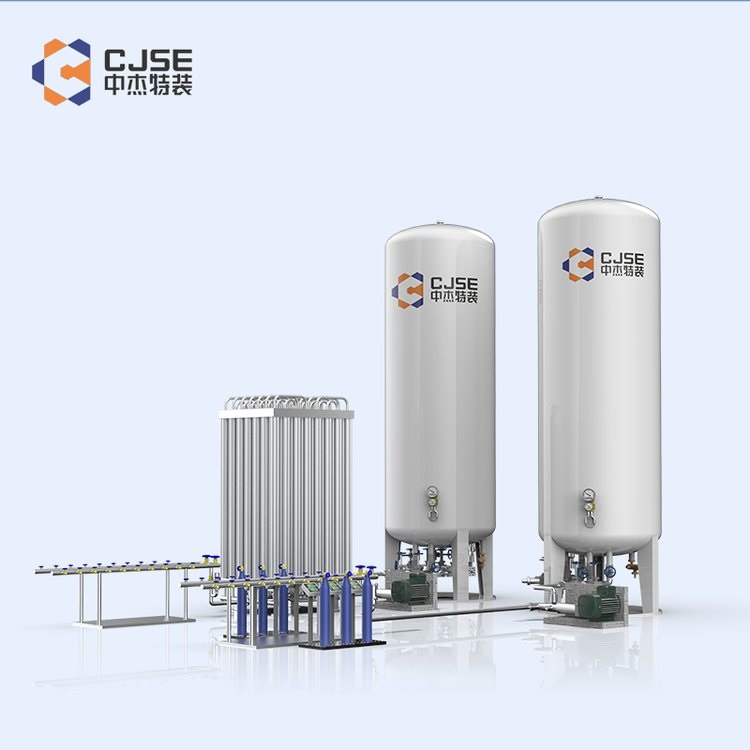
Routine inspections and maintenance of liquid oxygen storage tanks are crucial for ensuring their safe operation. The following are general steps for the daily checks and maintenance of liquid oxygen storage tanks:
Visual Inspection: Regularly inspect the tank's exterior, including the shell, welds, valves, and connections, etc. Pay attention to any abnormal conditions such as cracks, corrosion, deformation, etc.
Leak Detection: Utilize appropriate leak detection equipment to inspect tanks and connection points for leaks. Leak detection can be conducted using methods such as gas detectors or liquid oxygen detection agents.
Pressure Testing: Regularly conduct pressure tests to inspect the tank's sealing and pressure resistance. Perform pressure tests according to relevant standards and specifications, and record the test results.
Valve and Fitting Inspection: Check that the tank's valves and fittings are functioning properly and look for any signs of loosening or damage. Ensure the valves operate smoothly and are reliable.
Insulation Layer Inspection: Check if the insulation layer of the tank is intact and free from any damage or detachment. Repair or replace any damaged insulation material to ensure effective insulation.
Cleaning and Drainage: Regularly clean the interior of the tank to remove accumulated impurities and dirt. Regularly drain to prevent杂质 and sediments in liquid oxygen from damaging the tank.
Safety Equipment Inspection: Check the safety equipment around the storage tanks, such as fire separation zones and alarm systems, to ensure they are functioning properly.
Record and Documentation Management: Record the results of each inspection and maintenance, including the inspection date, content, identified issues, and corrective measures. Establish comprehensive management records and documentation for tracking and managing the storage tank's operational status.
Note that inspections and maintenance of liquid oxygen tanks should be conducted by trained personnel and in accordance with relevant specifications and standards. Ensure safety during maintenance and operations, and consult with experts for accurate guidance.
When initially using a liquid nitrogen tank, there are some precautions to consider for safe and effective operation. Here are some suggested points to keep in mind:
Safety Operation: Liquid nitrogen is a cryogenic liquid with strong refrigerating and asphyxiating effects. When handling liquid nitrogen tanks, proper personal protective equipment, such as insulated gloves and protective suits, must be worn. Avoid direct contact with liquid nitrogen to prevent injury or other harm.
Ventilation Environment: Liquid nitrogen, upon evaporation, produces a significant amount of gas which may displace other gases, potentially lowering the oxygen content in the air. Therefore, when using liquid nitrogen tanks, it is essential to ensure proper ventilation in the operating area to prevent oxygen deficiency.
Tank Inspection: Before the first use of the liquid nitrogen tank, it is essential to inspect the tank's appearance and sealing. Ensure there are no visible damages, leaks, or other safety hazards. If any issues are found, they should be addressed promptly by repairing or replacing the tank.
Tank Filling: Prior to the initial use of the liquid nitrogen tank, it is necessary to fill the tank with liquid nitrogen. During the filling process, adhere to the correct operational steps and safety protocols to ensure a safe and reliable filling procedure. Additionally, be mindful to control the filling speed and pressure to prevent excessive tank pressure and temperature increase.
Labeling and Record Keeping: Prior to the initial use of the liquid nitrogen tank, relevant information should be labeled on the tank, such as the storage medium, capacity, manufacturing date, etc. It is also recommended to establish a tank usage record, including filling dates, filling quantities, usage status, etc., for future tracking and management.
Note that the use of liquid nitrogen tanks involves safety risks such as low temperatures and high pressures. Operators should receive training and strictly adhere to the relevant operational procedures and safety measures. If you are unfamiliar with the operation or have any doubts, it is recommended to consult an expert or a relevant institution for guidance.
Our company attaches great importance to technological innovation and research and development. We have 1 city-level enterprise technology center in Heze City, equipped with non-destructive testing, physical and chemical testing, welding testing, hydrostatic testing, and other testing facilities. We have over 600 various equipment, including CNC machine tools, X-ray flaw detectors, digital ultrasonic flaw detectors, mechanical property testing machines, chemical analyzers, spectrometers, tensile testing machines, and plasma welding machines. The key products we have developed, such as temperature and pressure vessel welding, biomass boiler emissions reduction, and waste heat recovery, have successively been shortlisted for several Shandong Province Ministry of Industry and Information Technology science and technology innovation projects, Shandong Province key projects, and Heze City innovation and excellence projects. We have cumulatively obtained 27 authorized utility model patents, 16 authorized invention patents, participated in drafting 2 standards, 2 industry standards, and registered 15 trademarks. Our technical team, in collaboration with Professor Li Yajiang of Shandong University, has developed deep cryogenic vessel processing technology using the international plasma arc + filler wire tungsten inert gas arc combination welding (PAW-GTAW) technology, which has reached international standards after provincial technological achievement identification. Choose Zhongjie Special Equipment, and let's work together to create brilliance!
WeChat Official Account

Scan to follow Official Account



















