


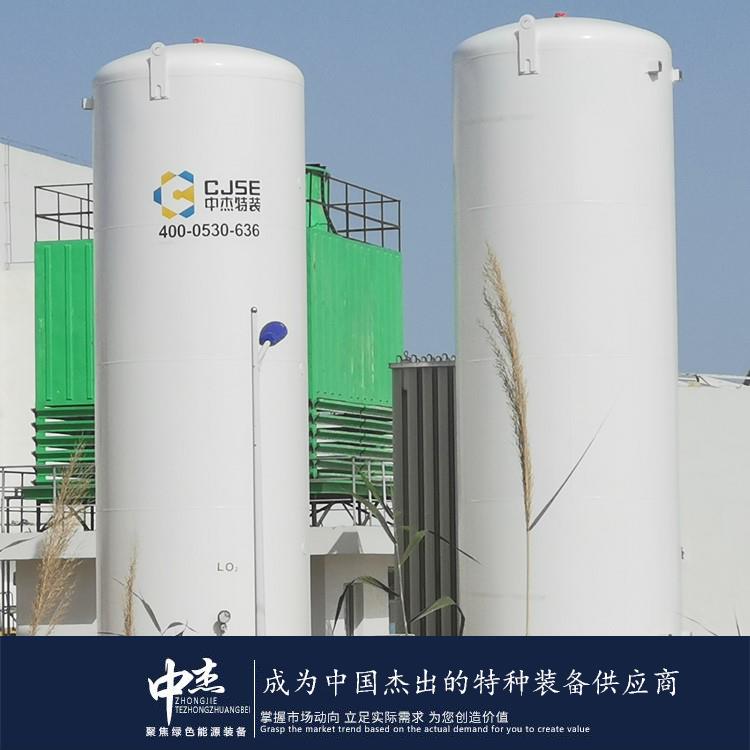

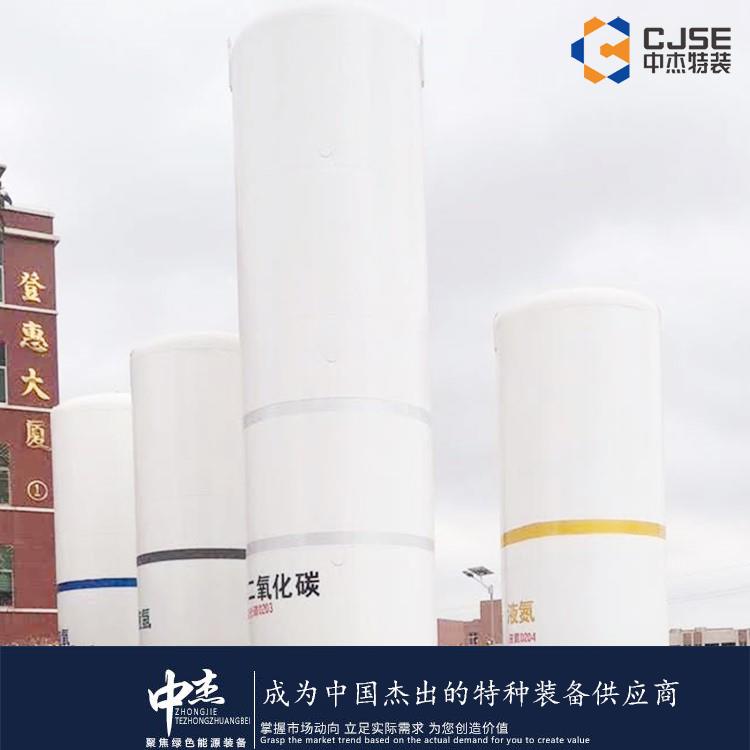
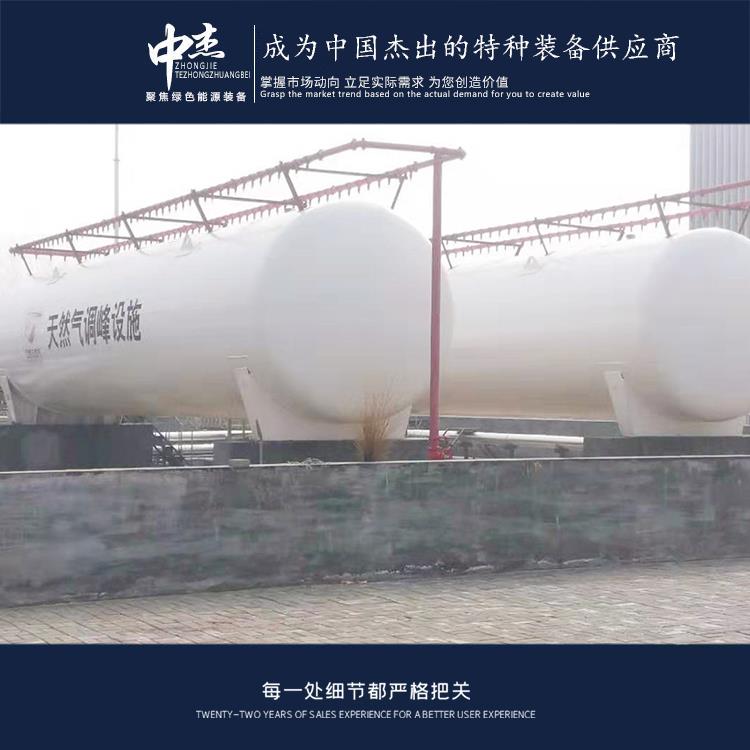


















Shandong Zhongjie Special Equipment (formerly Heze Boiler Factory Co., Ltd.) was established in 2001, located at No. 2218 Jinnan Road, Development Zone, Heze City, with a registered capital of 50 million yuan and total assets of 500 million yuan. The company has 7 business centers: boiler, deep-freeze container, pressure vessel, central air conditioning, engineering installation, international trade, and Internet of Things. It has three factory sites on Jinnan Road, East Changjiang Road, and Bohai Road, covering a total area of 200,000 square meters, with the main workshop spanning 83,000 square meters. It currently employs 710 people, including 247 engineers and technicians and 82 intermediate-level technicians. In December 2016, it was recognized as a "High-Tech Enterprise" by the Science and Technology Department. In June 2021, it was identified as a "Specialized and New Enterprise in Shandong Province" by the Ministry of Industry and Information Technology. In June 2022, it was recognized as a "Gazelle Enterprise in Shandong Province" and in August 2022, as a "Specialized and New Small Giant Enterprise" by the Ministry of Industry and Information Technology.
Proper management regulations for the use of low-temperature liquid storage tanks include the following aspects:
Tank Selection and Installation: Choose a suitable low-temperature liquid storage tank and ensure it complies with relevant standards and regulations. The installation of the tank should be carried out by personnel, following the manufacturer's instructions and requirements, to ensure the tank's stability and safety.
Safety Operating Procedures: Establish and implement safety operating procedures for liquid storage tanks, including startup, shutdown, filling, and venting procedures. Operators must receive training to understand the characteristics of liquid storage tanks, safety precautions, and emergency response measures.
Safety Equipment and Protective Measures: Tanks should be equipped with necessary safety devices such as pressure sensors, safety valves, and leak detectors to monitor and control the tank's pressure and temperature. Operators should also wear appropriate personal protective equipment like insulated gloves and protective suits to ensure their safety.
Regular Inspections and Maintenance: Conduct regular checks and maintenance on low-temperature liquid storage tanks, including examining the tank's appearance, seals, and corrosion prevention measures. In case of any issues, promptly repair or replace the tank to ensure its proper operation and safety.
Waste Management: Abandoned low-temperature liquid storage tanks should be disposed of in accordance with relevant environmental protection regulations. The residual liquids in the abandoned tanks should be handled properly to prevent environmental pollution.
Tank Records and Tracking: Establish a tank usage record, including filling dates, quantities, and usage status. Additionally, it is recommended to implement a tank tracking system for monitoring and managing the usage and maintenance of tanks.
The above outlines some common regulations for the management of low-temperature liquid storage tanks. Specific regulations may vary by industry and region. When using low-temperature liquid storage tanks, it is essential to comply with relevant laws and standards and establish appropriate management measures based on the actual circumstances.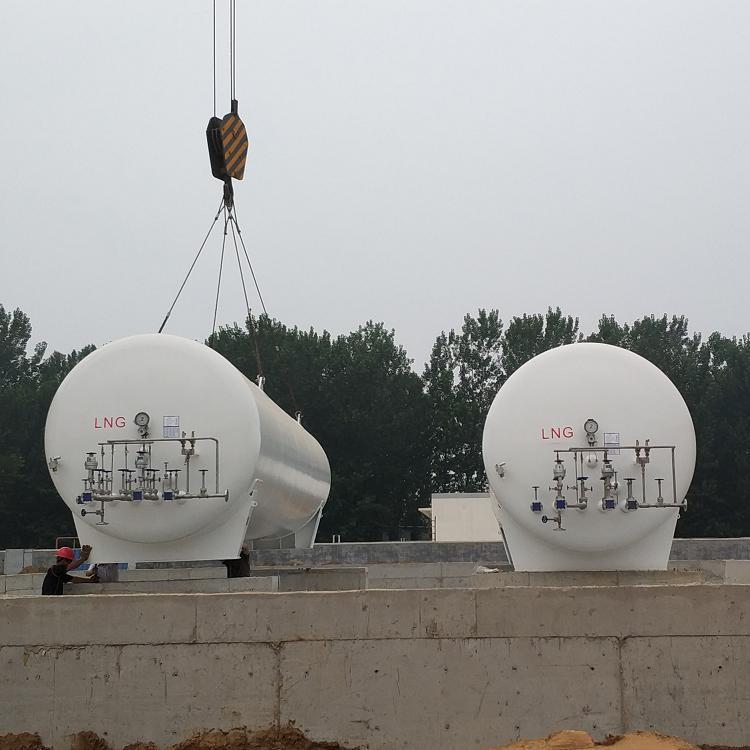
When storing liquid nitrogen in low-temperature storage tanks, the following points should be noted:
Protective Gear: When operating low-temperature storage tanks, it is mandatory to wear appropriate protective gear, including gloves, protective suits, and non-slip shoes. This gear protects the skin from the low temperatures of liquid nitrogen and other hazards.
Avoid direct contact: Liquid nitrogen is extremely cold and can cause chilling. Therefore, it is essential to avoid direct contact with liquid nitrogen, especially with the skin. Use tools or implements for handling to prevent direct hand contact with liquid nitrogen.
Ventilation Requirements: In the operational area of low-temperature storage tanks, adequate ventilation must be ensured to expel gases produced by the evaporation of liquid nitrogen. Maintain air circulation to avoid excessive oxygen concentration, and reduce the risk of fire and explosion.
Prevent Leaks: Regularly inspect the low-temperature storage tanks for leaks and equip with leak detection and alarm systems. In case of a leak, take immediate action to control and repair it. Avoid the hazards of liquid nitrogen leaks to personnel and the environment.
Fire Prevention Measures: Liquid nitrogen has a low boiling and freezing point, which can easily cause fires. To prevent and contain fires, fire walls and fire-retardant coatings are set up around low-temperature storage tanks.
Electrostatic Protection: Electrostatic buildup in low-temperature storage tanks may cause sparks, increasing the risk of fire. Measures should be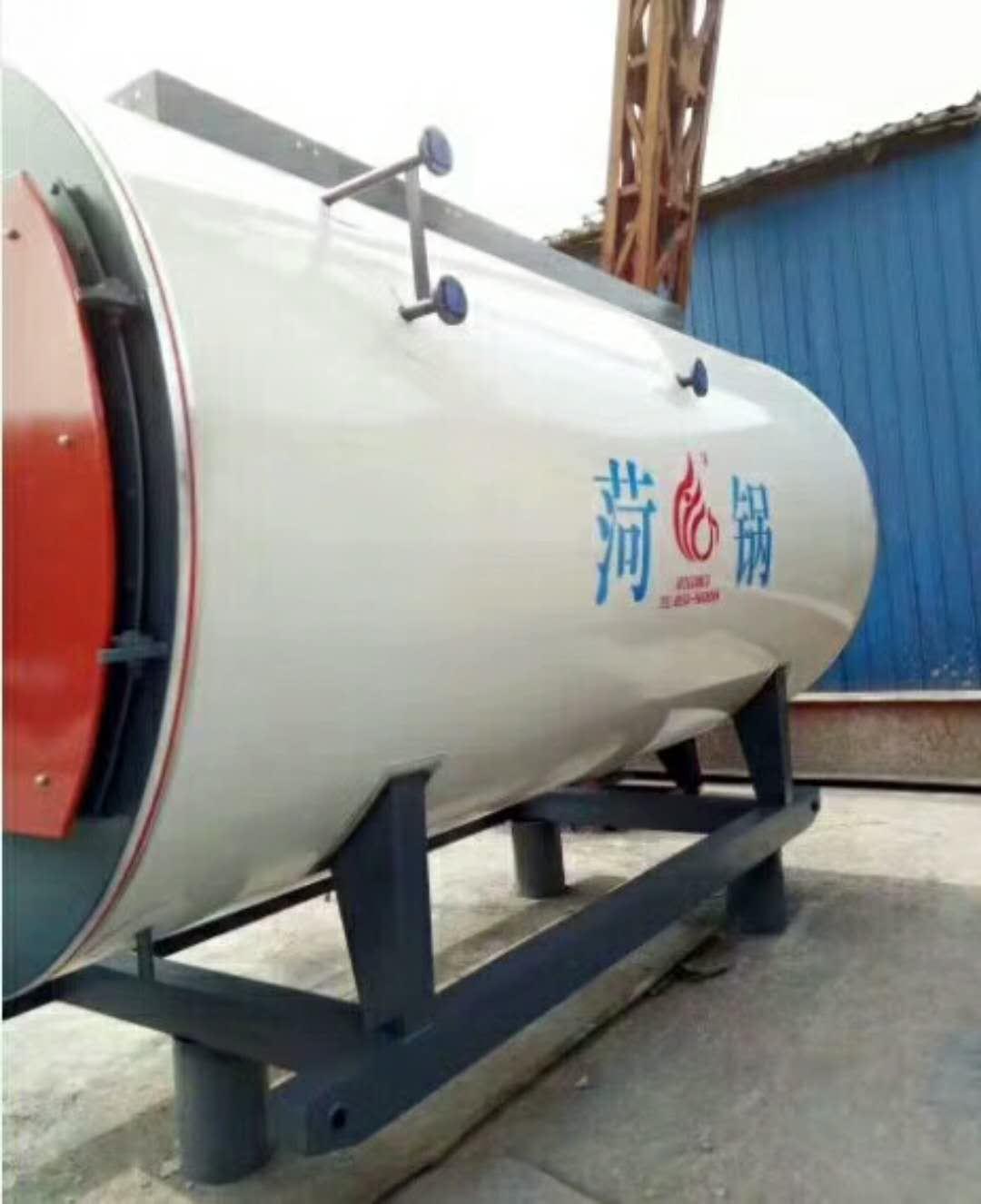
The use and operation of the liquid oxygen storage tank system should be mindful of the following points:
Safe Operation: When operating the liquid oxygen storage tank system, it is mandatory to adhere to the relevant safety operation procedures and standards to ensure the safety of the operators.
Tank Selection: Choose liquid oxygen tanks that comply with regulations and standards, ensuring their quality and safety performance.
Tank Installation: Tanks should be installed on a solid foundation to ensure stability. Additionally, good ventilation should be maintained around the tank, and it should be kept away from flammable materials and heat sources.
Seal Integrity Inspection: Regularly inspect the sealing performance of the storage tank system to ensure there are no leakage issues at valve and pipe connections.
Pressure Control: Storage tank systems should be equipped with pressure gauges and safety valves, with regular inspections and maintenance to ensure pressure remains within safe limits.
Fire Prevention Measures: Liquid oxygen contains a high concentration of oxygen, which is highly flammable. Install fire walls around the storage tank system, ban smoking and open flames, and ensure safety.
Static Protection: During the operation of the liquid oxygen system, static electricity may cause sparks, increasing the risk of fire. Measures such as using static-conductive materials and anti-static equipment are taken to reduce the accumulation and release of static electricity.
Regular inspections and maintenance: Conduct regular checks on the storage tank system and associated equipment, including valves, pipes, pressure gauges, etc. Ensure that the equipment is in perfect condition, and promptly repair or replace any damaged parts.
Waste Gas Treatment: During the operation of the liquid oxygen system, waste gas is produced, and appropriate waste gas treatment measures must be taken to minimize environmental impact.
Above are the precautions to be taken when using the liquid oxygen storage tank system, ensuring safe operation and the normal functioning of the system. During operation, strict adherence to relevant operational procedures and safety requirements should be maintained to avoid accidents.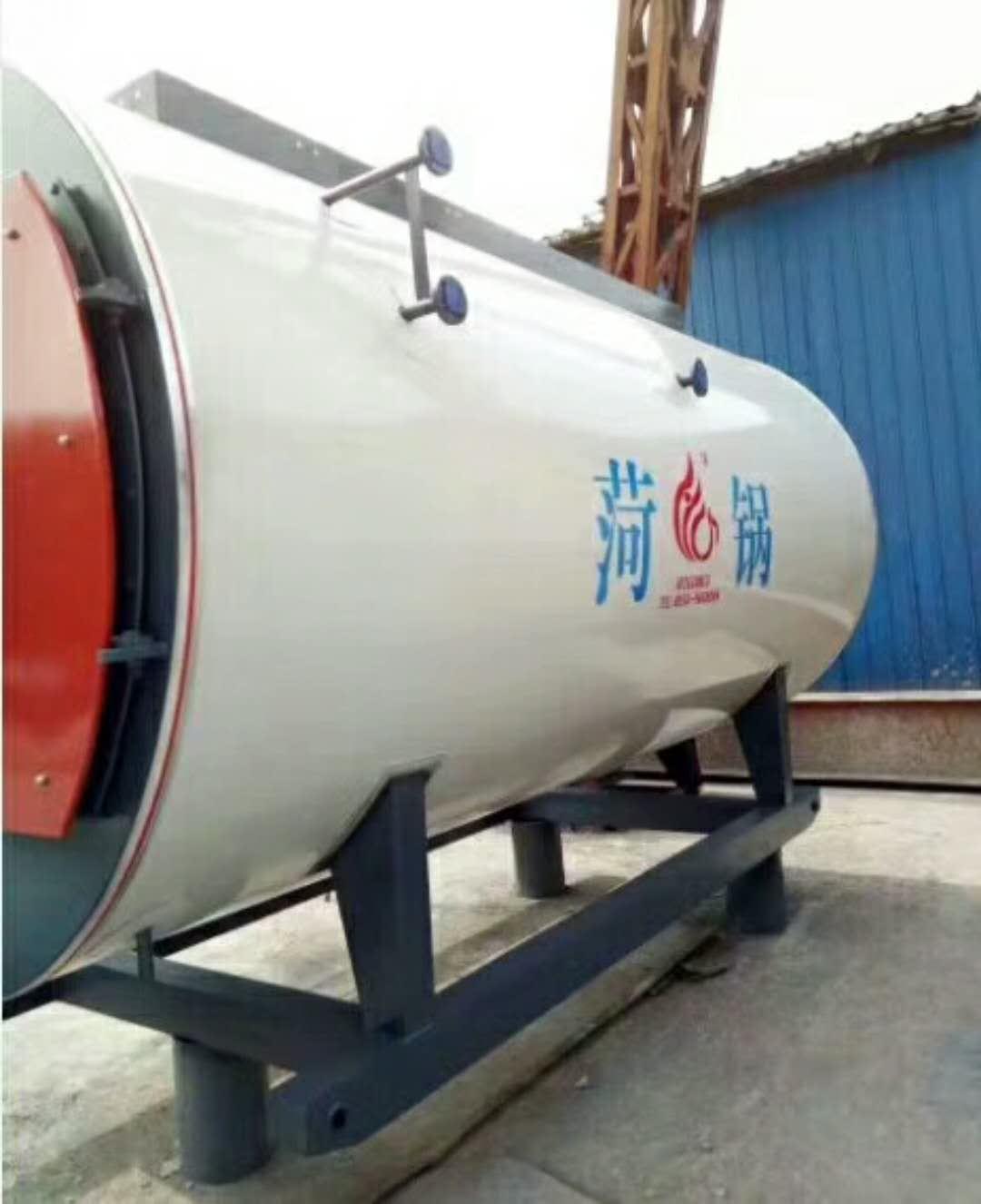
During the operation of low-temperature liquid storage tanks, the following points should be noted:
Protective Gear: When handling low-temperature liquid storage tanks, appropriate protective gear must be worn, including protective gloves, suits, and non-slip shoes. This gear protects the skin from the harmful effects of low-temperature liquids.
Avoid direct contact: Low-temperature liquids can be cold and cause discomfort. Therefore, it is essential to avoid direct contact with low-temperature liquids, especially with the skin. Use tools or equipment for handling to prevent direct hand contact with low-temperature liquids.
Ventilation Requirements: Ensure adequate ventilation in the operational area of low-temperature liquid storage tanks to expel gases produced by the evaporation of low-temperature liquids. Maintain air circulation to avoid excessive oxygen concentration, reducing the risk of fire and explosion.
Prevent Leaks: Regularly inspect low-temperature liquid storage tanks for leaks and equip with leak detection and alarm systems. In case of a leak, take immediate measures to control and repair it. Avoid the hazards of low-temperature liquid leaks to personnel and the environment.
Fire Prevention Measures: Due to their low boiling and freezing points, low-temperature liquids are prone to fires. To prevent and contain fires, fire barriers and fire-retardant coatings should be installed around low-temperature liquid storage tanks.
Static Protection: Handling low-temperature liquids may generate static electricity, increasing the risk of fire from sparks. Measures such as using static-conductive materials and anti-static equipment are taken to reduce the accumulation and release of static electricity.
Regular Inspections and Maintenance: Conduct regular checks on the condition of low-temperature liquid storage tanks and related equipment, including valves, pipes, pressure gauges, etc. Ensure the equipment is in perfect condition, and promptly repair or replace any damaged parts.
Waste Gas Treatment: During the process of using low-temperature liquids, waste gas is produced. Appropriate waste gas treatment measures must be taken to minimize environmental impact.
Above are the matters to be noted when using low-temperature liquid storage tanks, ensuring safe operation and normal operation of the tank. During operation, it should be strictly adhered to the relevant operational procedures and safety operation requirements, avoiding
Zhong Jie Special Equipment upholds the grand vision of "realizing the dreams of our employees, creating value for our customers, and striving for the prosperity and strength of our motherland," wholeheartedly devoting ourselves to the development of green energy equipment, providing society with products and services that offer high value for money!
WeChat Official Account

Scan to follow Official Account



















