


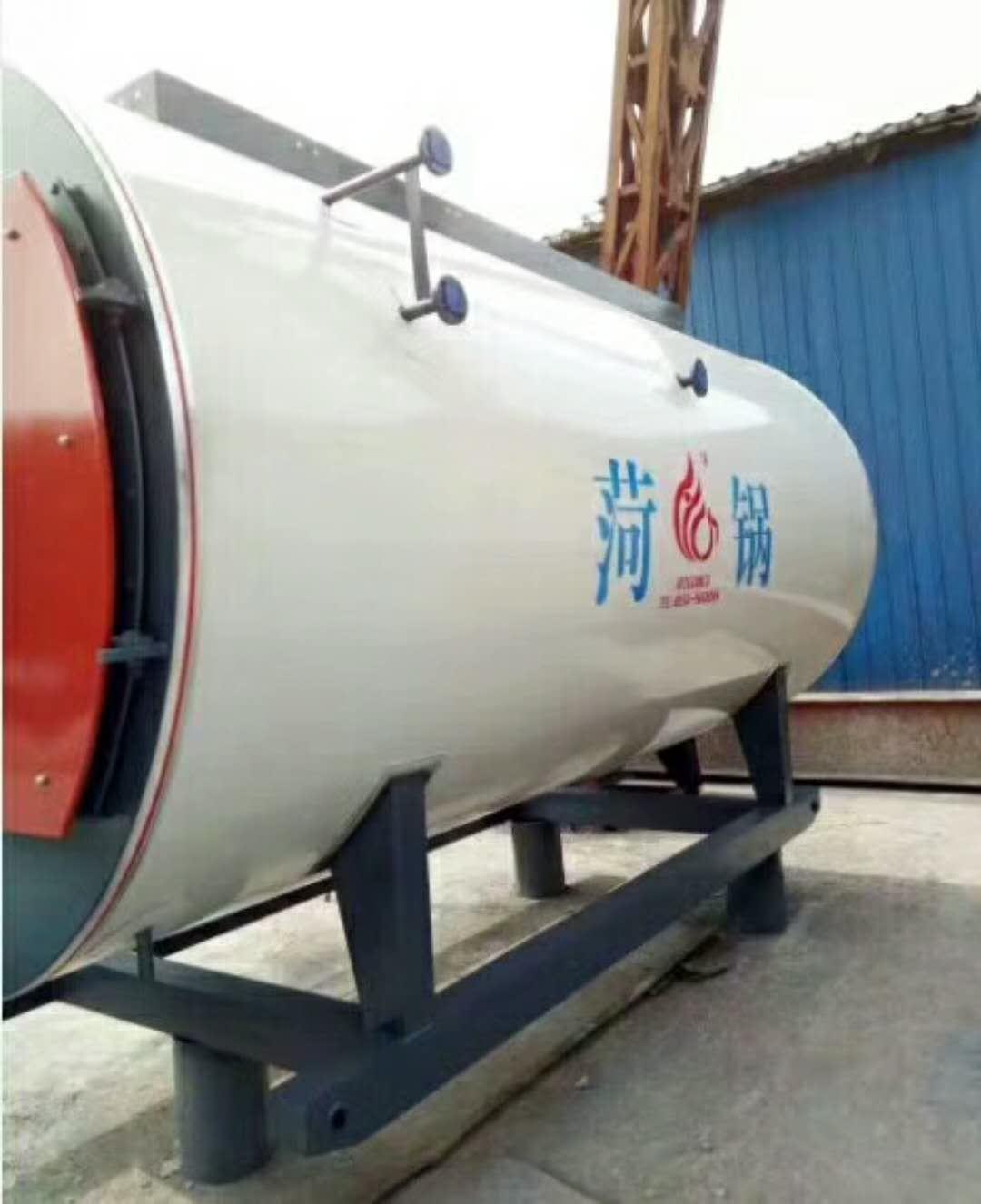

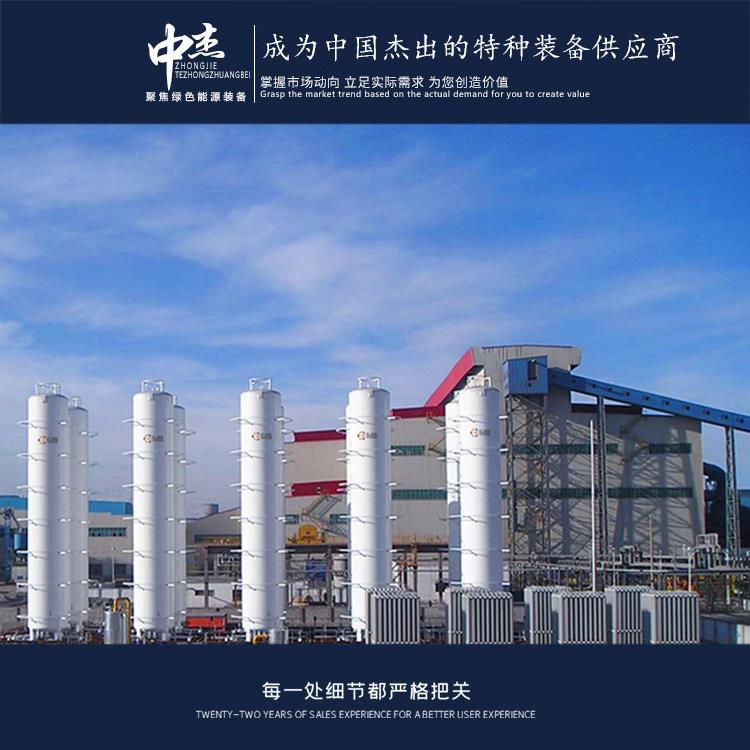
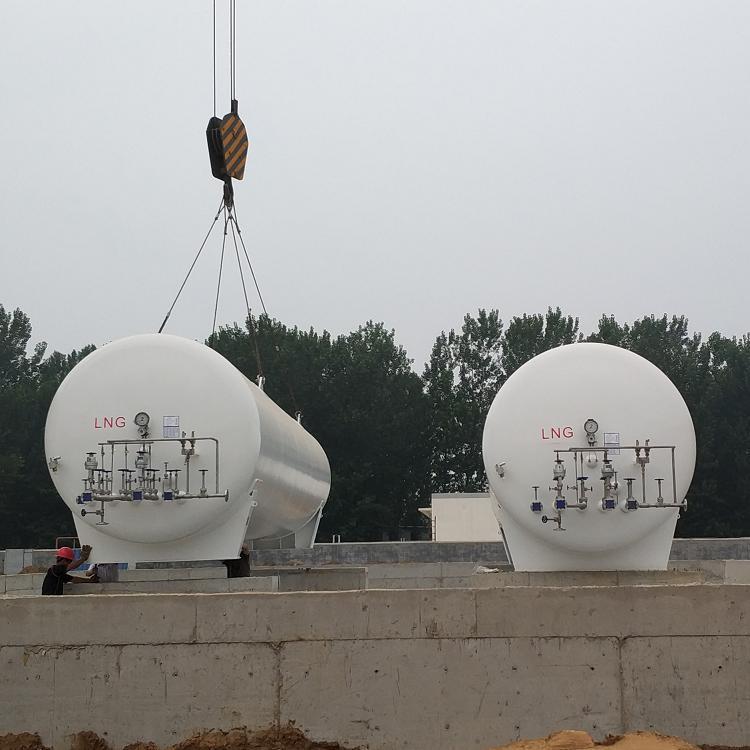


















Shandong Zhongjie Special Equipment (formerly Heze Boiler Factory Co., Ltd.) holds an A-grade boiler manufacturing license, an A2-grade pressure vessel manufacturing license, an A2-grade pressure vessel design license, a B-grade boiler installation license, and GB2/Class and GC2/Class pressure pipeline installation licenses, as well as a mechanical and electrical equipment installation contracting qualification. It is a member of the China Boiler and Water Treatment Association, the China Chemical Equipment Association, and the理事 unit of the Shandong Equipment Manufacturing Association. The company has also passed the ISO9001 Quality Management System, ISO14001 Environmental Management System, OHSAS18001 Occupational Health and Safety Management System certifications, and the American ASME/U2 certification.
Carbon dioxide is widely used as a shielding gas in metal welding processes. The following are the main applications of carbon dioxide in welding:
1. Gas Metal Arc Welding (GMAW): Carbon dioxide is commonly used as the shielding gas in GMAW welding processes. During GMAW welding, the arc generates high temperatures in the welding area, which can also cause oxidation reactions with oxygen and water vapor, leading to a decrease in weld quality. By injecting carbon dioxide gas into the welding area, a protective atmosphere is formed, preventing oxygen and water vapor from entering, thereby improving the quality and strength of the weld.
2. Mixed Gas Shielding Welding (GMAW): Carbon dioxide is often mixed with other gases (such as argon) to form a mixed gas shielding welding. The use of mixed gases can adjust the arc stability, melt pool formation, and weld quality during the welding process, enhancing the welding effect.
3. Gas Shielded Brazing: Carbon dioxide can also be used in gas shielded brazing processes. During brazing, the carbon dioxide gas provides a protective atmosphere, preventing oxidation and contamination in the brazing area, ensuring the quality of the brazed joint.
4. Gas Shielded Cutting: Carbon dioxide can also be used in gas shielded cutting processes. In gas shielded cutting, injecting carbon dioxide gas into the cutting area forms a protective atmosphere, preventing oxidation and contamination, and improving the quality and speed of the cut.
It is important to note that the application of carbon dioxide in welding processes needs to be adjusted and optimized based on specific welding materials, methods, and requirements. When using carbon dioxide for welding, it is necessary to follow relevant safety operating procedures and guidelines to ensure the safety and quality of the welding process.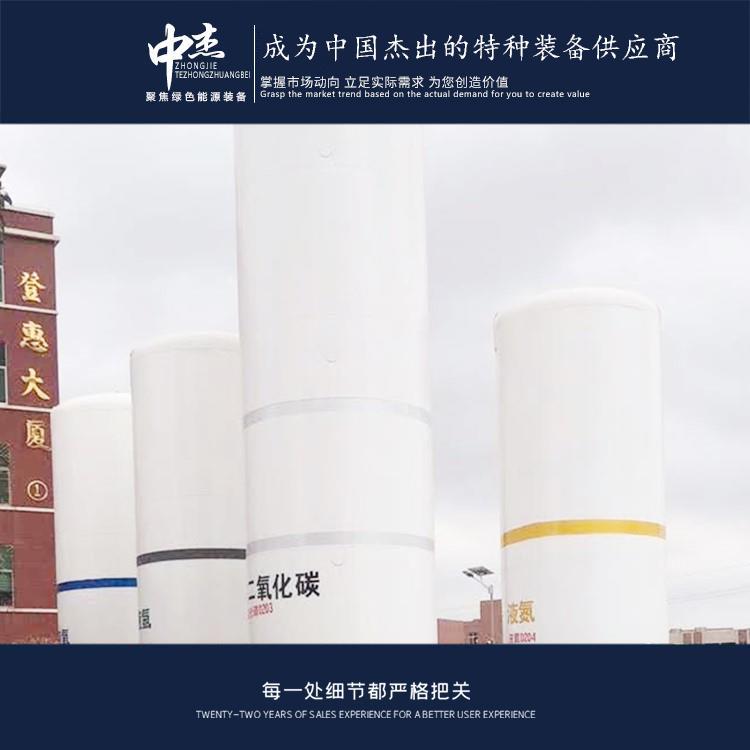
When planning carbon dioxide storage tanks, the following requirements should be considered:
Safety Distance: Tanks should maintain adequate safety distance from surrounding buildings, equipment, and personnel to prevent injuries and losses in case of accidental incidents. Specific safety distance requirements can be stipulated according to local regulations and standards.
Tank Capacity: Determine the tank capacity based on actual demand and usage. The choice of capacity should consider the amount of carbon dioxide used, storage duration, and supply requirements.
Tank Layout: The layout of tanks should facilitate operation and maintenance, as well as meet safety and environmental protection requirements. There should be sufficient spacing between tanks for ease of operation and maintenance.
Tank Material: Select appropriate materials for manufacturing tanks to ensure corrosion and pressure resistance. Common materials include carbon steel and stainless steel.
Safety Equipment: Tanks should be equipped with necessary safety equipment, such as safety valves, pressure sensors, and temperature sensors, to ensure safe operation.
Leak Protection: Measures should be taken to prevent carbon dioxide leakage, such as sealed valves and leak detection systems. Corresponding leak handling measures and emergency response plans should also be in place.
Environmental Impact Assessment: An environmental impact assessment should be conducted when planning tanks to evaluate their impact on the surrounding environment and implement corresponding measures for environmental protection.
Regulations and Standards: When planning tanks, local regulations and standards, including building codes, safety specifications, and environmental protection requirements, should be adhered to.
It is important to note that planning carbon dioxide storage tanks should be carried out by engineers or relevant agencies to ensure compliance with safety and environmental protection requirements. Consulting with local authorities for advice and guidance is also necessary.
Carbon dioxide storage tanks offer the following features and advantages: High storage density: Carbon dioxide storage tanks can compress carbon dioxide gas into a liquid state, significantly increasing storage density. Compared to gas storage, liquid carbon dioxide can store more carbon dioxide in relatively smaller tanks, saving space and costs. Various application fields: Carbon dioxide storage tanks are widely used in multiple industries, including food and beverage, industrial, fire extinguishing, and gas supply. Carbon dioxide can be used as a food preservative, beverage effervescent agent, gas, and fire extinguisher, with a broad range of applications and market demand. Environmental friendly and renewable: Carbon dioxide is an environmentally friendly gas, and its increased concentration in the atmosphere can lead to warming and climate change. By storing and utilizing carbon dioxide, we can reduce its emissions into the atmosphere, achieving environmental protection and sustainable development. Safe and reliable: During the design and manufacturing process, carbon dioxide storage tanks typically use high-strength materials (such as carbon steel or stainless steel) with good pressure resistance and safety. The tanks are usually equipped with safety valves, pressure gauges, level indicators, and other accessories to ensure safe operation. Additionally, carbon dioxide is a non-flammable and non-explosive gas, making it relatively safe. Supply: Carbon dioxide storage tanks provide a stable supply of carbon dioxide. Through the design and control systems of the tanks, accurate measurement and supply of carbon dioxide can be achieved, meeting the needs of various industries and applications. In summary, carbon dioxide storage tanks have features and advantages such as high storage density, various application fields, environmental friendliness, renewable energy, safety, reliability, and supply. This makes carbon dioxide storage tanks an important storage and supply equipment widely used in various industries. However, when using carbon dioxide storage tanks, it is still necessary to follow relevant safety operation regulations.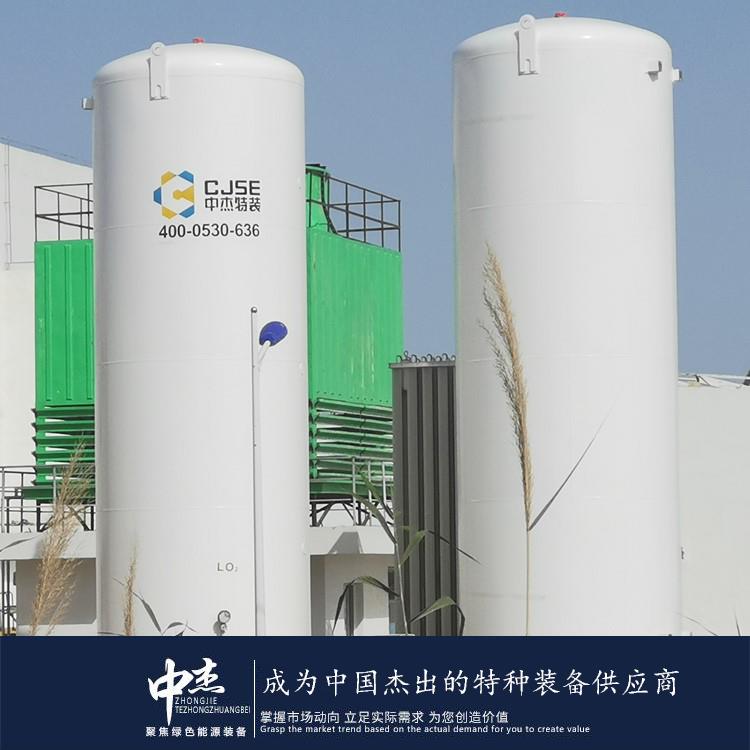
The filling process for carbon dioxide storage tanks typically includes the following steps:
Preparation: Ensure the tank and filling equipment are in good working condition. Check the tank's appearance and valves for any damage or leaks. Inspect the filling equipment's connecting pipes and valves to ensure they are tight and leak-free.
Prepare liquid carbon dioxide: Extract liquid carbon dioxide from the source and transfer it to the tank of the filling equipment. Ensure the quality and purity of the liquid carbon dioxide meet the requirements.
Connect filling equipment: Attach the filling equipment's outlet pipes to the tank's inlet valve. Make sure the connections are secure and there are no leaks.
Open valves: Activate the corresponding valves on the filling equipment and the tank to allow liquid carbon dioxide to flow into the tank. Adjust the valves as needed to control the filling speed and pressure.
Monitor level: Use level sensors or other level-measuring devices to monitor the liquid carbon dioxide level in the tank in real-time. Ensure the level is within a safe range and avoid over-filling.
Filling complete: Once the liquid level in the tank reaches the predetermined filling amount, close the corresponding valves on the filling equipment and tank to stop the filling of liquid carbon dioxide.
Inspection and cleaning: Check the valves and pipe connections during the filling process for any leaks. Clean up any remaining liquid carbon dioxide around the filling equipment and tank.
Documentation and reporting: Record relevant information from the filling process, including the filling date, amount, and level monitoring results. If necessary, submit the filling report to relevant departments or management personnel.
The above is a general carbon dioxide storage tank filling process. Specific operations should be based on the tank's characteristics and requirements. When conducting filling operations, follow relevant safety operating procedures and have trained professionals handle the process.
Zhejiang Zhejiang Jie Technology Co., Ltd. adheres to the grand vision of "realizing employees' dreams, creating customer value, and striving for the prosperity and strength of our motherland," and is dedicated to the development of green energy equipment. We commit to the society with high-quality and cost-effective products and services!
WeChat Official Account

Scan to follow Official Account



















