


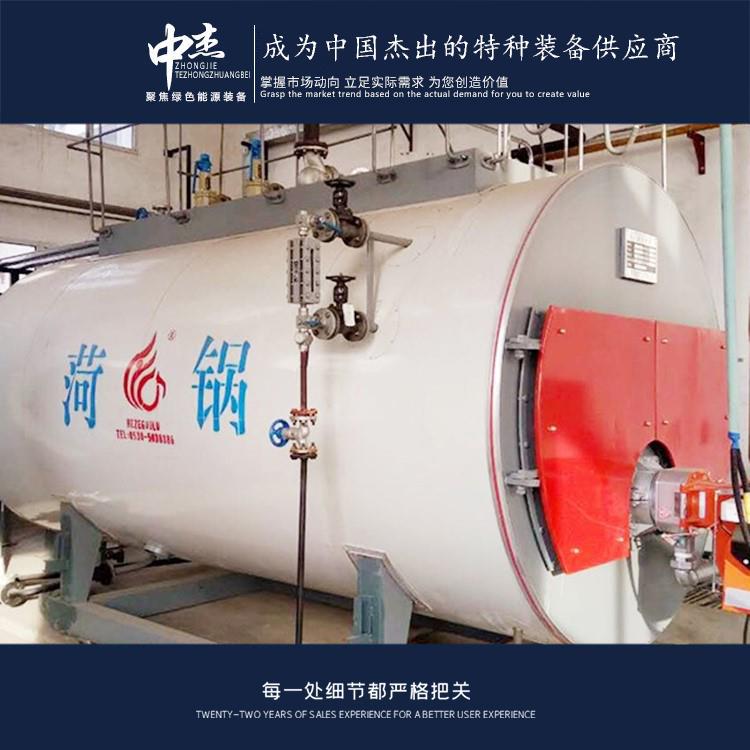

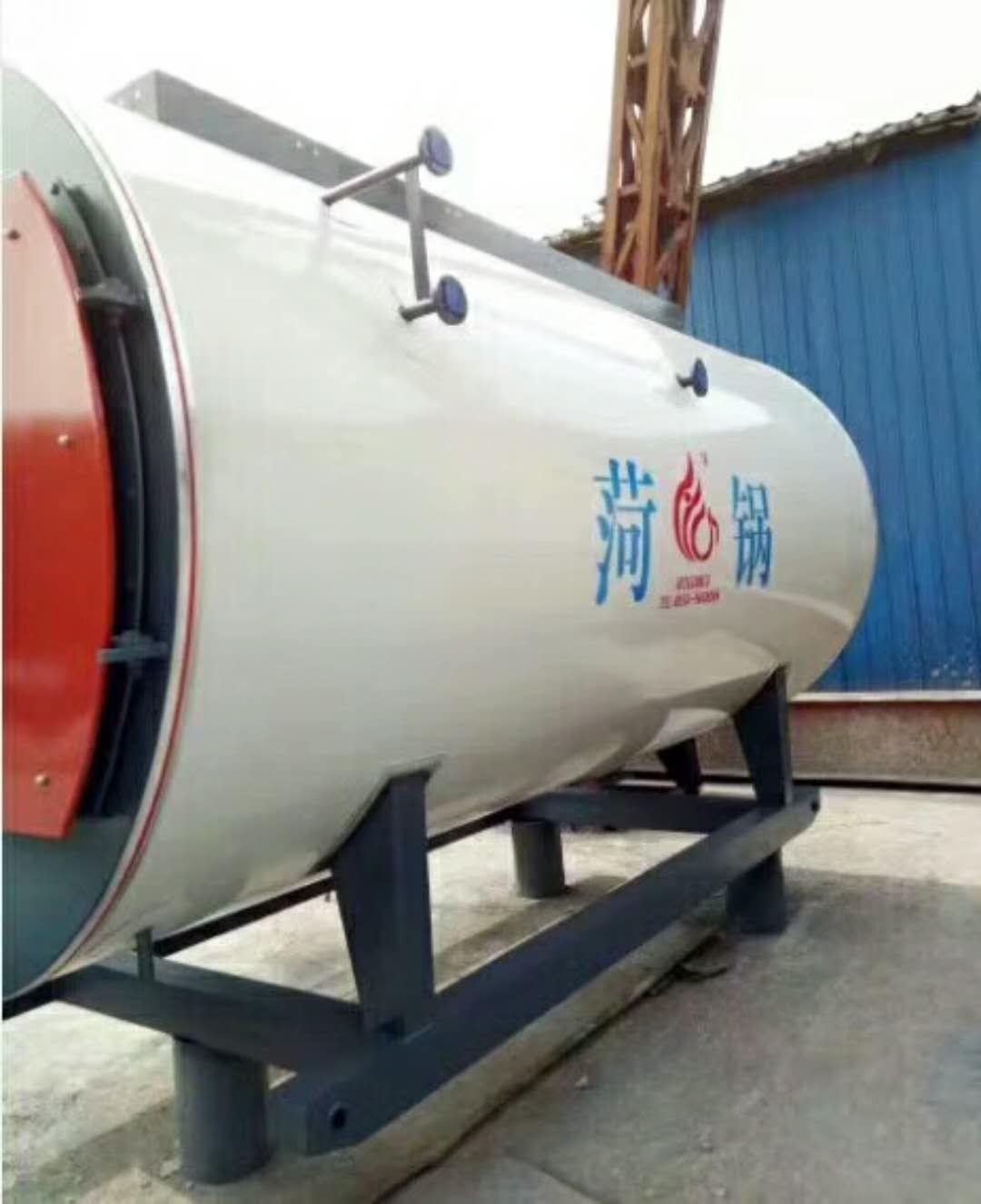
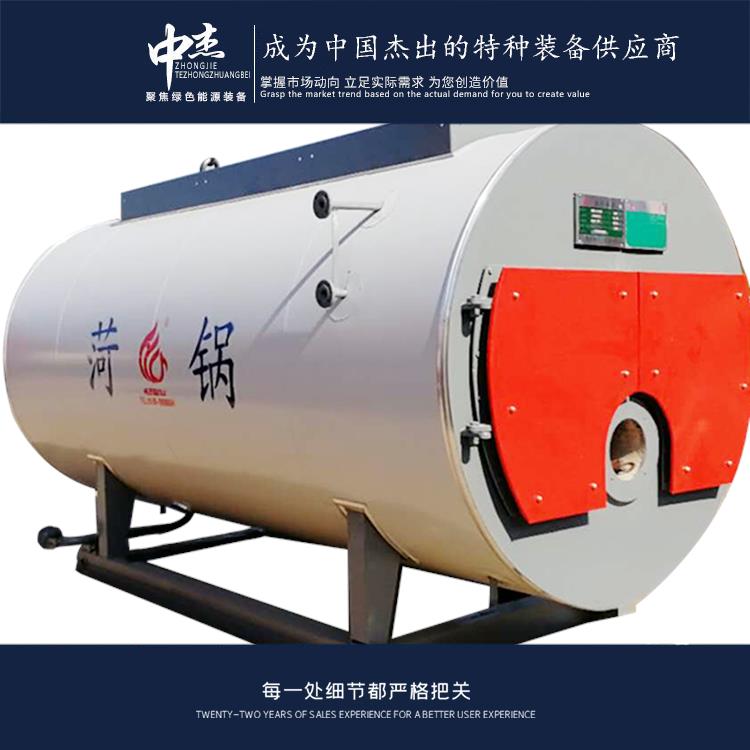


















Shandong Zhongjie Special Equipment (formerly Heze Boiler Factory Co., Ltd.) was established in 2001, located at No. 2218 Jinnan Road, Development Zone, Heze City, with a registered capital of 50 million yuan and total assets of 500 million yuan. The company has 7 business centers: boilers, deep-freezing vessels, pressure vessels, central air conditioning, engineering installation, international trade, and the Internet of Things. It has three manufacturing sites on Jinnan Road, East Changjiang Road, and Bohai Road, covering a total of 200,000 square meters. The main workshop spans 83,000 square meters. There are currently 710 employees, including 247 engineering and technical personnel and 82 intermediate-level technical personnel. In December 2016, it was recognized as a "High-tech Enterprise" by the Science and Technology Department. In June 2021, it was identified as a "Specialized, Fine, and New Enterprise in Shandong" by the Ministry of Industry and Information Technology. In June 2022, it was recognized as a "Gazelle Enterprise in Shandong" and in August 2022, it was identified as a "Specialized, Fine, and New Small Giant Enterprise" by the Ministry of Industry and Information Technology.
The key to maintaining a hot water boiler is to conduct regular maintenance and inspections. Below are some common maintenance steps and precautions:
* Clean the Burner and Flue: Regularly clean the burner and flue to remove ash and dirt, ensuring optimal combustion and heat exchange efficiency. Use cleaning tools and equipment as instructed in the operation manual.
* Check Water Level and Pressure: Regularly inspect the water level and pressure of the hot water boiler to ensure safe operation within the appropriate range. Refill water and adjust pressure to prevent issues caused by low or high water levels.
* Check Water Quality: Regularly perform water quality tests to assess hardness, alkalinity, and oxygen content. Implement water treatment measures based on test results, such as descaling and replenishing missing chemicals, to prevent scale and corrosion damage to the boiler.
* Inspect Safety Devices: Regularly check the safety devices of the hot water boiler, including safety valves, pressure switches, and water level controllers, to ensure proper functioning and safe operation.
* Check the Electrical System: Regularly inspect the electrical system of the boiler, including power connections, controllers, and sensors, to ensure the normal operation of electrical equipment and prevent electrical faults.
* Regular Drainage: Regularly drain the sludge and impurities from within the boiler to avoid their impact on the boiler. Develop a reasonable drainage plan based on the boiler's usage and water quality conditions.
* Keep Records and Monitor: Record the boiler's operating parameters, maintenance records, and fault situations, and regularly monitor and analyze them to promptly identify and address problems.
* Train Operators: Ensure that operators are adequately trained and equipped to handle the boiler.
When addressing issues with gas boilers during the heating process, consider the following aspects: Check the gas supply: Ensure the gas supply is normal and inspect the gas pipes for blockages or leaks. If any issues are found, promptly repair or replace the gas pipes. Clean the burners and combustion chamber: Regularly clean the burners and combustion chamber to remove dust and grime. This improves combustion efficiency and reduces gas waste. Inspect and adjust the gas-to-air ratio: Ensure the gas-to-air ratio is appropriate for optimal combustion. An incorrect ratio can lead to incomplete combustion or excessive exhaust. Inspect and clean the heat exchanger: Regularly inspect and clean the heat exchanger to remove dust and grime. This enhances heat exchange efficiency and ensures effective heat transfer to the heating system. Inspect and maintain the circulating pump and valves: Ensure the circulating pump and valves operate correctly to allow smooth flow of hot water or steam into the heating system. Inspect and maintain the control system: Ensure the gas boiler's control system operates properly, allowing accurate control of parameters like temperature, pressure, and flow. If issues arise, promptly repair or replace the controller. Regular maintenance: Perform regular maintenance on the gas boiler, including cleaning, lubrication, and securing bolts. This extends the boiler's lifespan and reduces the occurrence of malfunctions. Training and awareness enhancement: Provide employee training to strengthen their awareness of operating and maintaining gas boilers. Enhanced knowledge and skills contribute to effective management and problem-solving related to the heating process. If the problem cannot be resolved or if there are safety
Chemical cleaning of industrial boilers is a common method that effectively removes dirt and deposits inside the boiler, enhancing heat exchange efficiency and extending the boiler's lifespan. Below are the general steps and methods for industrial boiler chemical cleaning:
Preparation: Turn off the boiler's power and gas supply, drain the water and steam inside the boiler, and ensure the boiler is in a safe condition. Prepare the required chemical cleaning agents and cleaning equipment.
Cleaning Agent Selection: Choose a suitable chemical cleaning agent based on the boiler's material and the nature of the dirt. Common cleaning agents include acidic cleaners, alkaline cleaners, and chelating agents.
Cleaning Agent Circulation: Dissolve the cleaning agent in an appropriate amount of water and circulate it into the boiler through a pump. Determine the circulation time and temperature of the cleaning agent based on the size of the boiler and the extent of the dirt.
Cleaning Agent Action: During circulation, the cleaning agent reacts chemically with the dirt inside the boiler, dissolving and decomposing it. Acidic cleaners can remove rust and scale, while alkaline cleaners can remove grease and organic matter.
Rinsing and Neutralization: After the cleaning agent circulation is complete, rinse the boiler with clean water to flush out the cleaning agent and dissolved dirt. At the same time, use a neutralizing agent to neutralize any remaining acidic or alkaline substances, ensuring the boiler's neutrality.
Inspection and Maintenance: After cleaning, inspect the boiler to ensure the cleaning effect and normal operation. Perform necessary maintenance and upkeep as needed.
Points to note when conducting industrial boiler chemical cleaning:
- Strictly follow the instructions for using chemical cleaning agents and safety operating procedures to ensure the safety of operators.
- Choose the appropriate cleaning agent and method based on the boiler's material and the properties of the cleaning agent.
- Control the concentration, temperature, and circulation time of the cleaning agent to avoid unnecessary damage to the boiler.
- Monitor the concentration and pH value of the cleaning agent in a timely manner during the cleaning process, adjusting the cleaning conditions as needed.
- After cleaning, flush the boiler to ensure that all cleaning agents and dirt are completely removed.
- After cleaning, perform maintenance and upkeep on the boiler promptly to ensure normal operation and long-term use.
Steam boiler energy conservation is crucial, mainly due to the following reasons: Energy Costs: Steam boilers typically use fuels (such as coal, gas, oil, etc.) to produce steam, with energy costs constituting a significant part of the boiler's operating expenses. Energy conservation can reduce energy consumption and lower energy costs. Environmental Protection: The combustion process of steam boilers generates waste gases and dust, polluting the environment. Energy conservation can decrease fuel usage and reduce emissions, having a positive impact on environmental protection. Sustainable Development: Energy conservation is one of the key aspects of sustainable development. By reducing energy consumption and extending the boiler's lifespan, resources can be conserved and waste minimized, contributing to sustainable development. Measures for energy conservation include: Improving Boiler Thermal Efficiency: By enhancing the combustion system, optimizing combustion parameters, and improving heat exchange efficiency, the boiler's thermal efficiency can be increased, reducing energy waste. Heat Recovery Utilization: Using waste heat recovery systems, the excess heat in the flue gas emitted by the boiler can be recovered and used for heating water or other processes requiring heat, enhancing energy utilization efficiency. Application of Energy-Saving Equipment: The use of energy-saving equipment such as variable frequency drives, energy-saving burners, and heat pumps can reduce energy consumption and improve the efficiency of the boiler.
Zhong Jie Special Equipment upholds the great vision of "Realizing employees' dreams, creating customer value, and striving for the prosperity and strength of our motherland," and is dedicated to the development of the green energy equipment industry. We offer the society products and services with high cost-performance!
WeChat Official Account

Scan to follow Official Account



















