


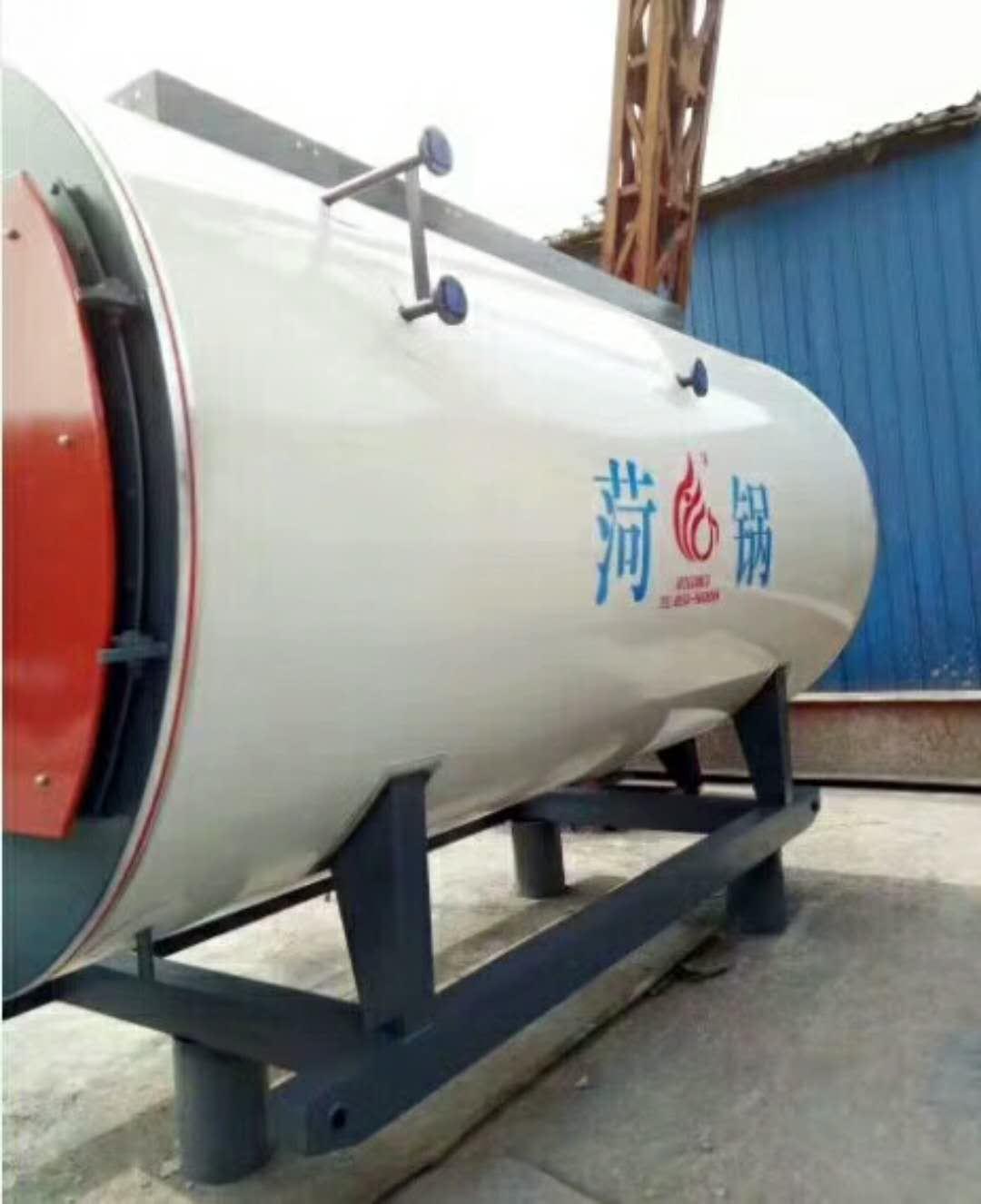

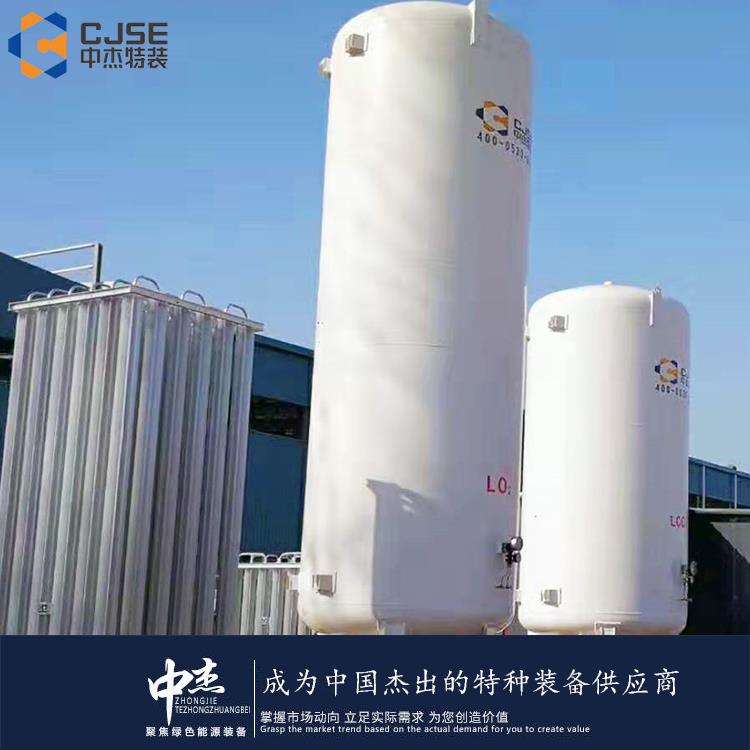
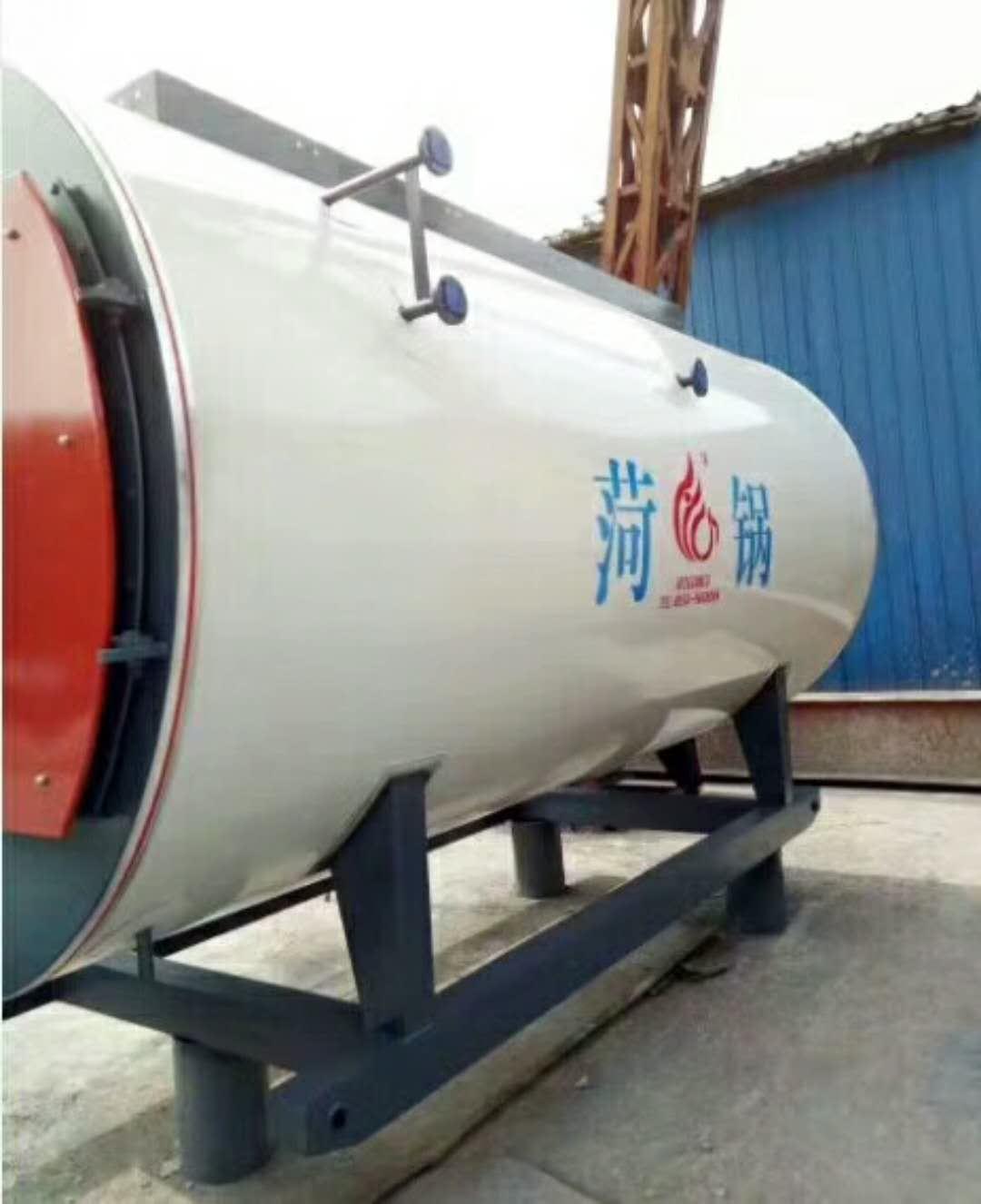


















Shandong Zhongjie Special Equipment's main products include: fuel (gas) boilers, organic heat carrier boilers, biomass boilers, waste heat boilers, and other boiler products; vacuum insulation cryogenic pressure vessels such as LNG tanks, oxygen/nitrogen/argon tanks, and CO2 tanks; pressure vessel products such as denitrification engineering equipment, heat storage and energy storage equipment, and complete chemical equipment; central air conditioning and ventilation equipment such as ground (water) source heat pumps, air source units, water-cooled screw units, and air-cooled modular units. Planned products include large-scale energy centers, LNG transport vehicles, LNG tank containers, and other green energy equipment.
Nitrogen flushing in liquid nitrogen tanks refers to the process of injecting nitrogen gas into the tank to increase the nitrogen concentration and pressure inside, in order to meet certain safety requirements and operational objectives. Here are some precautions to consider when performing nitrogen flushing in liquid nitrogen tanks:
Safe Operation: Prior to nitrogen flushing operations on liquid nitrogen tanks, it is mandatory that operators possess relevant safety knowledge and operational skills. Operators should wear appropriate personal protective equipment, such as safety goggles, gloves, and protective clothing.
Nitrogen Quality: Utilize high-purity nitrogen for purging operations to ensure the quality and purity of the nitrogen. Low-purity nitrogen may contain impurities or oxygen, which could have adverse effects on the liquid nitrogen within the storage tank.
Nitrogen Inerting Speed Control: During the nitrogen inerting process, the inerting speed should be controlled to avoid being too fast or too slow. Excessive inerting speed can lead to overly high internal pressure within the tank, while a slow inerting speed may result in extended inerting time.
Pressure Monitoring: During the nitrogen purge process, the internal pressure of the tank should be regularly monitored. Ensure the tank's internal pressure remains within the safe range and adjust as necessary.
Temperature Control: During the nitrogen purge process, attention should be given to controlling the temperature of the storage tank. The low temperature of liquid nitrogen can lead to condensation and dew on the storage tank and pipelines. Appropriate measures, such as heating or insulation, should be taken to prevent condensation and dew.
Post-nitrogen flushing treatment: After the nitrogen flushing operation is completed, the flushing unit should be promptly turned off, and the tank should be inspected and cleaned. Ensure that there is no residual nitrogen or impurities inside the tank.
Note: The nitrogen charging operation for liquid nitrogen tanks must be strictly adhered to the relevant safety standards.
To extend the service life of liquid argon storage tanks, the following measures can be taken:
Regular inspections and maintenance: Conduct periodic visual inspections of the liquid argon storage tank, check valves and fittings, and perform leak detection and pressure tests, etc. Detect and repair potential issues promptly to ensure the normal operation of the tank.
Maintain Insulation: The insulation is crucial for the thermal preservation of liquid argon tanks. Regularly inspect the integrity and insulating properties of the insulation, repair or replace any damaged insulation materials to ensure the tank's insulating effectiveness.
Control liquid argon temperature: The temperature of liquid argon should be maintained within an appropriate range to prevent damage to the storage tank from excessive or low temperatures. Implement suitable cooling or heating measures to ensure the stable temperature of liquid argon.
Corrosion Protection: The shell and internal structure of the liquid argon tank should be protected against corrosion and oxidation. Regular inspections and maintenance of the protective coating are essential to ensure its integrity.
Avoid excessive pressure and overfilling: Prevent the internal pressure of the tank from being too high or too low, as well as overfilling with liquid argon. Excessive pressure and overfilling can lead to structural破裂 or damage to the tank.
Regular cleaning and drainage: Periodically clean the interior of the tank to remove accumulated impurities and dirt. Regularly drain to prevent杂质 and sediments in liquid argon from damaging the tank.
Safety Operation and Training: Ensure operators are knowledgeable and skilled in the safe operation of liquid argon tanks. Enhance safety training to boost operators' safety awareness and emergency response capabilities.
Establish comprehensive management records and documentation, including the usage of tanks, inspection logs, maintenance records, etc. Regularly review and update the management records to ensure the safe management and maintenance of the tanks.
These measures can help extend the service life of liquid argon storage tanks, but specific operations and management should be tailored to the type and application of the tank. When performing maintenance and operation, please adhere to relevant regulations and standards, and consult with experts to ensure safety and effectiveness.
When cleaning a low-temperature liquid storage tank, the following steps should be taken:
Safety Preparations: Prior to cleaning, ensure there are no remaining liquids or gases inside the tank, and that it has been properly emptied and vented. Wear appropriate personal protective equipment, such as protective suits, gloves, and safety shoes.
Cleaner Selection: Choose a cleaner suitable for low-temperature environments and liquid storage tank materials. Common cleaners include acidic and alkaline solutions, organic solvents, or specialized cleaners. Select an appropriate cleaner based on the tank material and the nature of the contaminants.
Cleaning Process: Inject the cleaning agent into the storage tank and clean the inner wall using appropriate tools (such as a sprayer, brush, or high-pressure water). Multiple cleanings can be performed as needed to ensure all contaminants are removed.
Washing and Discharging: After cleaning, rinse with clean water or an appropriate solvent to remove all cleaning agents and residues. Ensure the tank is dry and discharge the rinse water into an appropriate treatment system.
Inspection and Verification: After cleaning, inspect the tank to ensure no residual contaminants remain inside. Appropriate testing equipment or methods, such as optical inspection, chemical analysis, or ultrasonic testing, can be used to verify the cleaning effectiveness.
Be mindful that when cleaning low-temperature liquid storage tanks, it's crucial to adhere to relevant safety standards and operational guidelines. Liquid storage tanks typically possess high flammability and low-temperature characteristics, so operators must strictly follow safety protocols to ensure the safety of personnel and equipment. During the cleaning process, attention should be given to prevent leaks of cleaning agents and contaminants, and appropriate measures should be taken for their handling and disposal.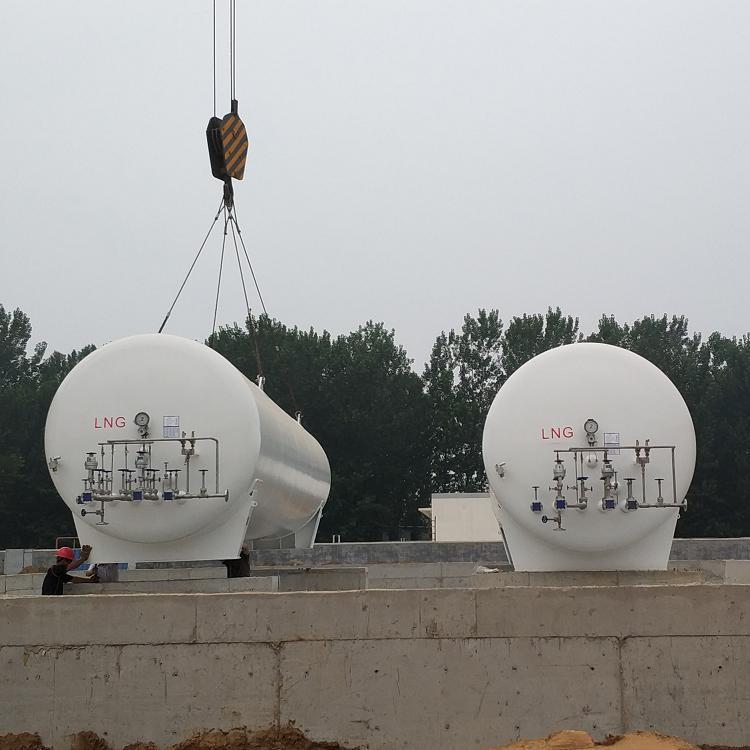
The safety distance for liquid oxygen storage tanks refers to the distance that must be maintained around the tank to ensure the safety of personnel and equipment. The specific requirements for safety distances may vary depending on different regions and application sites. Here are some common principles for safety distances:
- Buildings and Equipment: Liquid oxygen storage tanks should be kept at a certain distance from buildings, equipment, and other storage tanks to prevent the spread of fires, explosions, and leaks. The specific safety distance requirements should be evaluated and determined according to local regulations and standards.
- Ignition and Heat Sources: Liquid oxygen is highly oxidizing and can easily cause fires and explosions. Therefore, liquid oxygen storage tanks should be kept at a sufficient distance from ignition sources, heat sources, and flammable materials to prevent fires and explosions.
- Ventilation and Exhaust: Good ventilation and exhaust should be maintained around liquid oxygen storage tanks to prevent the accumulation of vapor and the formation of explosive mixtures. The design and operation of ventilation and exhaust systems should comply with relevant safety standards and regulations.
- Personnel and Traffic: Personnel and traffic around liquid oxygen storage tanks should be restricted and controlled to ensure personnel safety and the normal operation of the tank. Warning signs, safety fences, and restricted areas should be established to prevent unauthorized personnel from entering the tank area.
It is important to note that the safety distance for liquid oxygen storage tanks should be assessed and determined based on the specific application site and safety requirements. When designing, installing, and operating liquid oxygen storage tanks, relevant regulations, standards, and safety guidelines should be followed to ensure the safety and reliability of the tank.
Our company attaches great importance to technological innovation and R&D design. We have one municipal-level enterprise technology center in Heze City, equipped with testing facilities for non-destructive testing, physical and chemical tests, welding tests, hydrostatic tests, etc. We possess over 600 units of various instruments and equipment, including CNC machine tools, X-ray flaw detectors, digital ultrasonic flaw detectors, mechanical property testing machines, chemical analyzers, spectrometers, tensile testing machines, plasma welding machines, and more. The key products and technologies we have developed, such as thermal-pressure vessel welding, biomass boiler emissions reduction, and waste heat utilization, have successively been shortlisted for multiple Shandong Provincial Department of Industry and Information Technology science and technology innovation projects, Shandong Provincial key projects, and Heze City innovation and excellence projects. We have cumulatively obtained 27 authorized utility model patents, 16 authorized invention patents, participated in drafting 2 standards, 2 industry standards, and registered 15 trademarks. The technical team of our company, in collaboration with Professor Yajiang Li of Shandong University, has developed deep cryogenic vessel processing technology using the international plasma arc + flux cored tungsten inert gas (PAW-GTAW) welding technology. After being appraised as a provincial-level scientific and technological achievement, the technology has reached international standards in the field of deep cryogenic vessel manufacturing. Choose Zhongjie Special Equipment, and let's create brilliance together!
WeChat Official Account

Scan to follow Official Account



















