


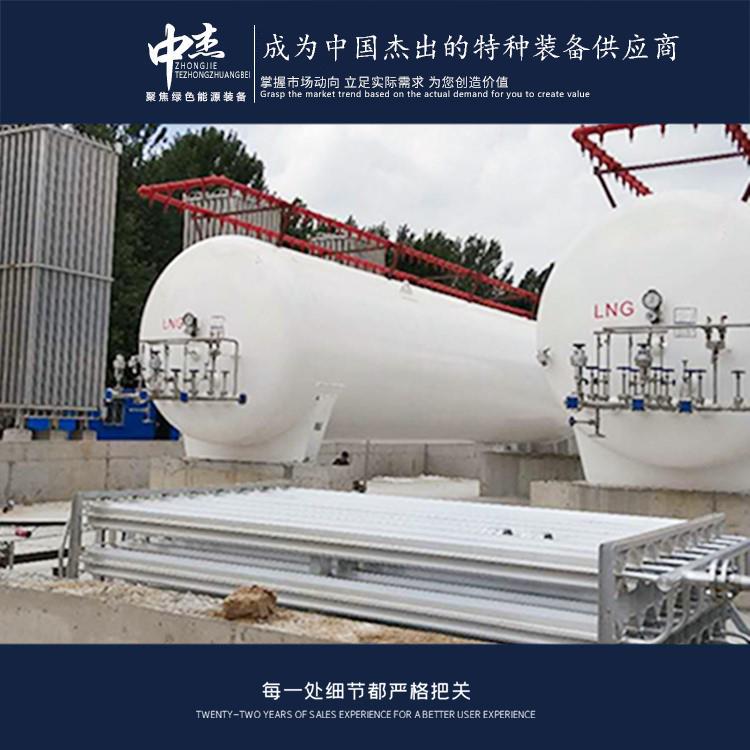

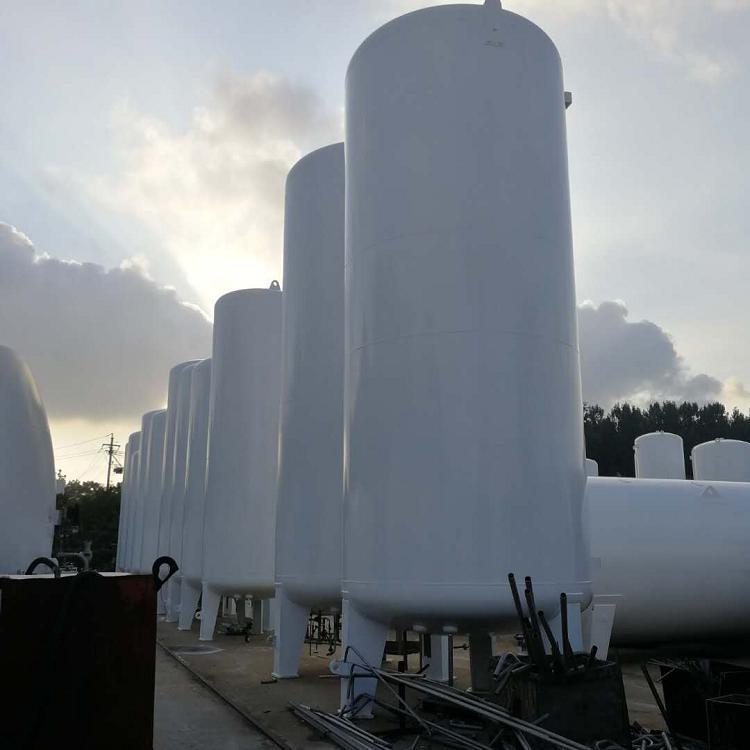
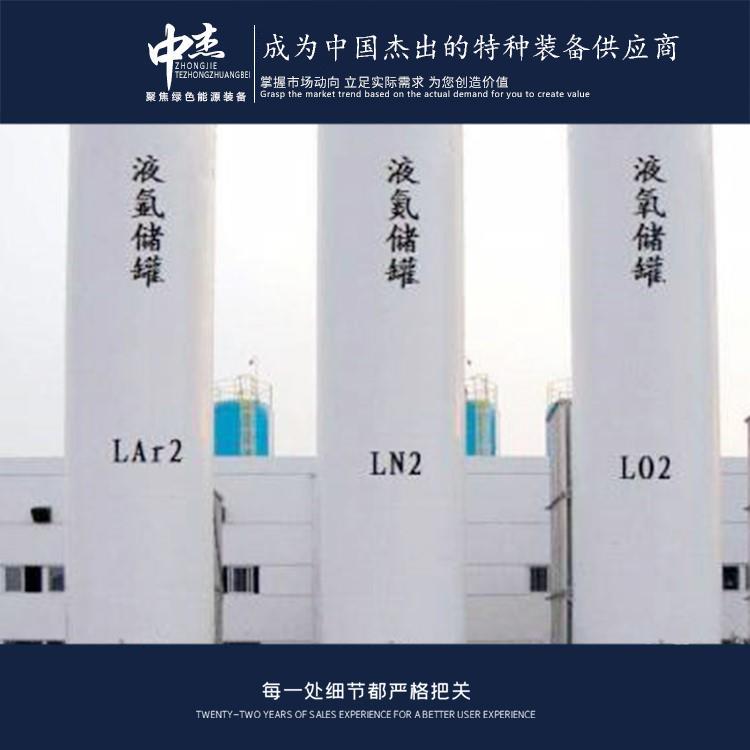


















Shandong Zhongjie Special Equipment's main products include: fuel (gas) boilers, organic heat carrier boilers, biomass boilers, waste heat recovery boilers, and other boiler products; vacuum insulation cryogenic pressure vessels such as LNG tanks, oxygen/nitrogen/argon tanks, CO2 tanks; pressure vessel products like denitrification engineering equipment, heat storage and energy storage equipment, complete chemical equipment sets; central air conditioning and HVAC equipment such as ground (water) source heat pumps, air source units, water-cooled screw units, and air-cooled modular units. Planned products include large-scale energy centers, LNG transport vehicles, LNG tank containers, and other green energy equipment.
In daily operation, CO2 storage tanks require protection and maintenance to ensure proper functioning and safety. Here are some common protection and maintenance methods:
- Visual Inspection: Regularly check the tank's exterior for signs of corrosion, wear, and cracks. Take prompt corrective action if any anomalies are detected.
- Sealing Inspection: Periodically examine the tank's sealing performance, particularly at valve and pipe connections and the tank's integrity. Ensure there are no leaks, and repair any found promptly.
- Temperature Control: Maintain an appropriate ambient temperature around the tank and implement insulation measures to ensure the tank's internal低温 condition.
- Pressure Relief Device Check: Regularly inspect the tank's pressure relief devices, such as safety valves, to ensure they are functioning correctly. Verify that the set pressure meets requirements and perform regular maintenance and replacements.
- Level Monitoring: Regularly monitor the tank's liquid level to ensure accurate measurements. If an abnormal level is detected, investigate the cause and take appropriate action.
- Regular Cleaning: Clean the tank's interior regularly to remove accumulated debris and dirt. Exercise caution during cleaning to avoid flammable and corrosive substances.
- Regular Testing: Conduct regular pressure and leakage tests on the tank to ensure safety performance meets standards. Testing frequency and methods should adhere to relevant regulations and standards.
- Storage Capacity Control: Control the tank's storage capacity to avoid exceeding the rated capacity. Exceeding the rated capacity can lead to excessive pressure and increase safety risks.
- Note: Specific protection and maintenance methods may vary depending on the type of tank and its application.
Carbon Dioxide Applications in the New Energy Sector Include:
1. Carbon Capture and Storage (CCS): This technology reduces carbon dioxide emissions by capturing CO2 from industrial sources and storing it in underground formations, preventing it from entering the atmosphere. It aids in reducing greenhouse gas emissions and mitigating climate change.
2. Carbon Utilization: CO2 can be utilized to produce valuable chemicals and fuels. For instance, through CO2 catalytic conversion technology, CO2 can be transformed into fuels like ethanol. This utilization technique helps decrease reliance on traditional fossil fuels and promotes sustainable energy development.
3. Carbon Dioxide Batteries: Carbon Dioxide batteries are a new battery technology that uses CO2 as the electroactive material. By converting CO2 into electrical energy, these batteries can serve as a sustainable energy storage solution, contributing to the advancement of electric vehicles and renewable energy.
4. Carbon Dioxide Photocatalysis: This technology uses solar energy to convert CO2 into useful chemicals. With the help of photocatalysts, CO2 and water can be transformed into combustible gases or organic compounds, achieving resourceful utilization of CO2.
These applications aim to reduce CO2 emissions, enhance energy efficiency, and promote the development of sustainable energy. However, these technologies are still in development and research, requiring further technical breakthroughs and practical validation.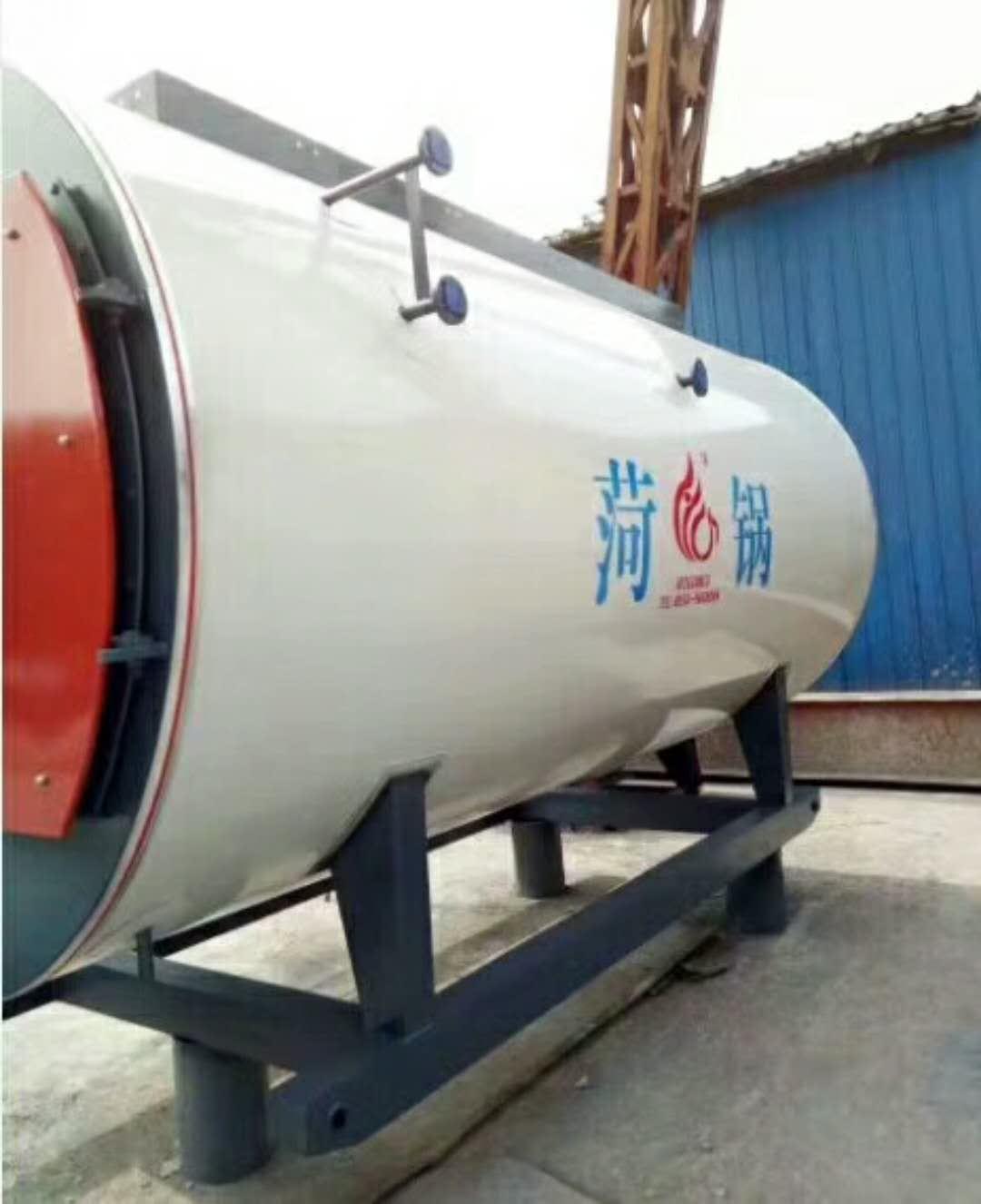
The inspection frequency of CO2 storage tanks should be determined based on local regulations, standards, and manufacturer recommendations. Generally, the following factors influence the inspection frequency of CO2 storage tanks:
Regulatory and standard requirements: Different regions may have varying regulations and standards that specify the inspection requirements and frequency for tanks. For instance, the U.S. DOT standards require that liquid gas tanks undergo external inspections every 5 years and internal inspections every 10 years.
Manufacturer recommendations: Manufacturers typically provide recommendations for inspection frequency, which are based on tank design, materials, and service life, and can serve as references for establishing an inspection plan.
Usage environment and conditions: The storage tank's usage environment and conditions also affect the inspection frequency. For example, if the tank is exposed to corrosive environments or frequently subjected to mechanical stresses, more frequent inspections may be necessary.
Generally, external inspections of liquid gas tanks are conducted through visual inspections, ultrasonic testing, magnetic particle testing, and other methods to assess the external condition and potential defects of the tank. Internal inspections may require emptying the tank and using internal inspections, thickness measurements, and weld testing to evaluate the internal condition.
It is crucial that tank inspections be performed by trained and experienced personnel and strictly in accordance with relevant regulations, standards, and manufacturer recommendations. Regular inspections and maintenance ensure the safety and reliability of the tank, reducing the risk of accidents.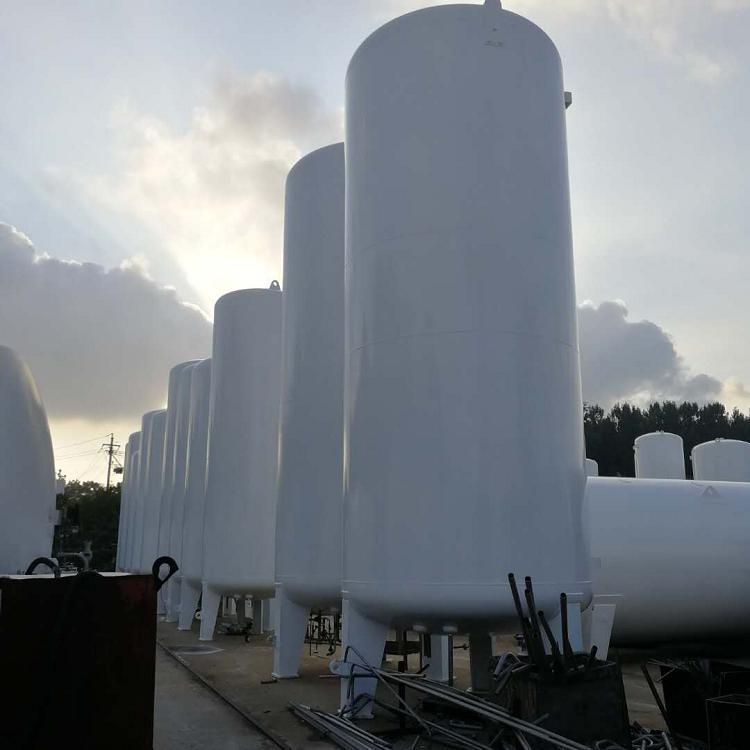
Carbon dioxide storage tank debugging typically involves the following steps and contents:
1. Tank Installation Inspection: Check if the tank's installation location, foundation, and support structure meet design requirements, ensuring the tank's stability and safety.
2. Pipeline Connection Inspection: Verify the tank's connection to inlets and outlets is secure, and that valves and pipelines open and close properly, ensuring the integrity and normal operation of the pipeline system.
3. Tank Cleaning and Draining: Before debugging, clean and drain the tank to ensure no impurities, residues, or other gases or liquids are inside.
4. Tank Pressure Test: Conduct pressure tests on the tank, including static pressure tests and leak tests. The static pressure test involves increasing pressure to check the tank's sealing and pressure resistance. The leak test checks for any leakage in the tank and pipeline system.
5. Control System Debugging: Calibrate and adjust the tank's control system, including pressure, temperature, and level sensors, to ensure accuracy and reliability.
6. Safety System Testing: Test the tank's safety system, including safety valves, pressure gauges, and level gauges, to ensure normal operation and response.
7. Operating Parameter Adjustment: Adjust the tank's operating parameters, such as pressure, temperature, and level, according to actual needs and process requirements, to meet process specifications and safe operation.
8. Documentation and Reporting: Record and organize data, test results, and operational records during debugging, generating a debugging report for future reference and management.
These are general steps and contents of carbon dioxide storage tank debugging, and specific debugging tasks may vary based on tank design requirements and application scenarios. During debugging, strictly adhere to relevant safety operation procedures and standards to ensure the safety and effectiveness of the debugging process.
Shandong Zhongjie Special Equipment, welcome customers to our factory for business discussions.
WeChat Official Account

Scan to follow Official Account



















