


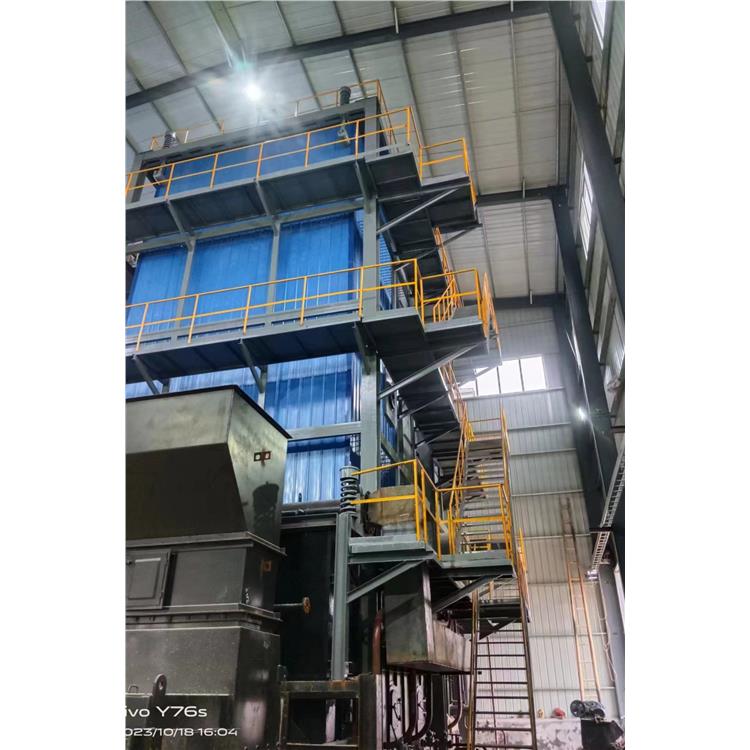

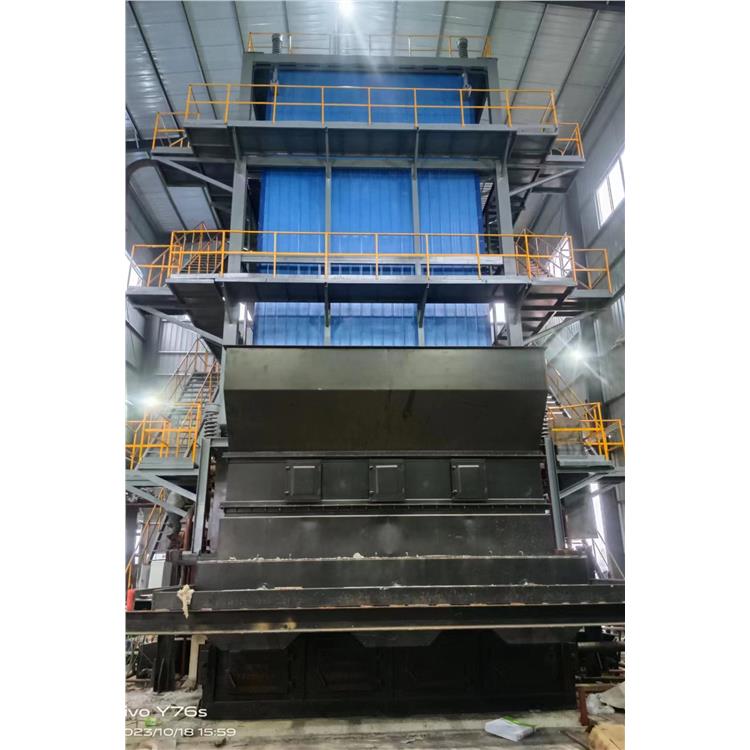
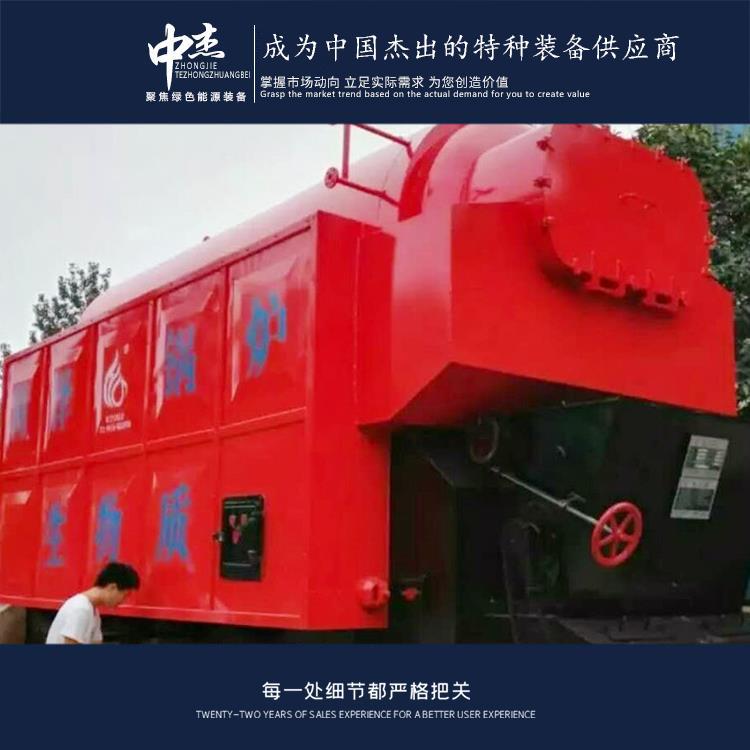


















Shandong Zhongjie Special Equipment (formerly Heze Boiler Factory Co., Ltd.) holds an A-grade boiler manufacturing license, A2-grade pressure vessel manufacturing license, A2-grade pressure vessel design license, B-grade boiler installation and GB2, GC2 class pressure pipeline installation licenses, as well as equipment and machinery installation contracting qualifications. It is a member of the China Boiler and Water Treatment Association, the China Chemical Equipment Association, and a director unit of the Shandong Equipment Manufacturing Association. The company has also passed certifications for the ISO9001 Quality Management System, ISO14001 Environmental Management System, OHSAS18001 Occupational Health and Safety Management System, and the U.S. ASME/U2 certification.
Possible reasons for incomplete combustion of fuel in biomass boilers may include the following aspects:
Inappropriate combustion conditions: If the combustion temperature is too low, the oxygen supply is insufficient, or the combustion time is inadequate during the combustion process, incomplete combustion of the fuel may occur. This could be due to improper burner settings, an unreasonable ventilation system, or inaccurate adjustment of combustion parameters.
Fuel Quality Issue: The quality of fuel can also affect combustion efficiency. If the fuel contains an excessive amount of moisture, impurities, or ash, it can impact the calorific value and combustion properties during the combustion process, leading to incomplete combustion.
Improper combustion chamber design: The design of the combustion chamber significantly affects the combustion efficiency. An unreasonably structured combustion chamber, insufficient combustion space, or uneven airflow distribution within the combustion chamber can all lead to incomplete fuel combustion.
Burner System Failure: Faults in the burner system can also lead to incomplete combustion of fuel. For instance, issues like clogged burner nozzles, problems with the ignition system, or abnormal operation of the combustion fan can all affect combustion efficiency.
Lack of maintenance and cleaning: Regular maintenance and cleaning of biomass boilers are crucial for maintaining combustion efficiency. If there is ash accumulation, scale formation, or blockages inside the boiler, it can affect the normal combustion of fuel, leading to incomplete combustion.
To address the issue of incomplete fuel combustion, the following measures can be taken: adjust combustion parameters to ensure appropriate combustion temperature, oxygen supply, and duration; select the correct amount of fuel and ensure that its storage and handling meet requirements; perform regular maintenance and cleaning of the boiler to maintain the normal operation of the combustion system. Additionally, depending on the specific situation, it may be necessary to consult with boiler maintenance personnel or manufacturers for more detailed and accurate solutions.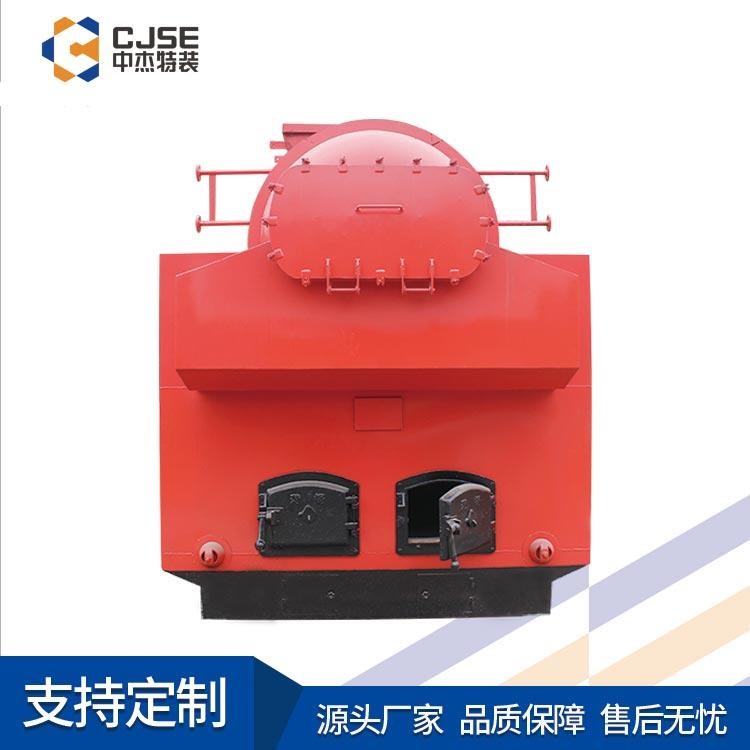
Coking in biomass boilers refers to the phenomenon where ash and other impurities in the fuel settle and form slag inside the furnace during the combustion process. Coking can adversely affect the normal operation and thermal efficiency of biomass boilers. Below are the hazards of coking and corresponding measures:
Reducing thermal efficiency: Coking can lead to carbon buildup on the inner walls of the furnace and the heat exchange area, increasing thermal resistance and reducing the efficiency of heat conduction, thereby lowering the boiler's thermal efficiency. A decrease in thermal efficiency results in energy waste and an increase in operating costs.
Measures: Regularly clean the slag and accumulated carbon from the furnace chamber to maintain the cleanliness of the inner wall and enhance heat exchange efficiency.
Impacting combustion stability: Coking can lead to unevenness during the combustion process, reducing combustion stability, and may cause incomplete combustion, unstable flames, and other issues.
Measures: Reasonably adjust combustion parameters such as combustion temperature and air flow to maintain stability in the combustion process.
Increased equipment wear and maintenance costs: Carbon coking inside the furnace walls and flue pipes can lead to higher wear and maintenance expenses for the equipment.
Measures: Regularly clean and maintain boiler equipment to prevent the formation of slagging and carbon deposition.
Increased Environmental Pollution: Coking can lead to higher emissions of pollutants during the combustion process, impacting the environment.
Measures: Reasonably control the combustion process to ensure complete and thorough combustion, reducing emissions of pollutants.
In summary, measures to prevent biomass boiler slagging include regular cleaning and maintenance of equipment, reasonable adjustment of combustion parameters, and control
The reasons for slagging in biomass boilers can be attributed to the following aspects:
Fuel Characteristics: Ash content and ashing properties in biomass fuel are the primary factors causing coking. Ash is the non-combustible inorganic matter in biomass fuel. When burned, ash accumulates inside the furnace and forms slag. Fuel with high ash content tends to produce large amounts of slag, while fuel with low ashing temperatures is prone to coking inside the furnace.
Combustion Temperature: Combustion temperature is a significant factor affecting biomass boiler fouling. Too low combustion temperatures can lead to incomplete fuel combustion and insufficient melting of ash, increasing the likelihood of fouling.
Air Supply: Insufficient or excessive air supply can affect the combustion process and fouling of biomass boilers. Too little air supply leads to incomplete combustion of fuel, producing a large amount of solid residue and increasing the risk of fouling. Conversely, too much air supply can lower the combustion temperature, extend the fuel's residence time in the furnace, and also increase the likelihood of fouling.
Furnace Design: The design of the furnace significantly impacts the combustion process and coking conditions. The airflow and temperature distribution within the furnace affect fuel combustion and slag discharge. An impractical furnace design can lead to excessive fuel residence time inside the furnace, increasing the risk of coking.
Ash Cleaning System: The performance and operation of the ash cleaning system also affect the coking condition of biomass boilers. Regularly cleaning the ash inside the furnace.
Biomass refers to renewable energy sources derived from organic matter such as plants, animals, and microorganisms. It includes wood, straw, waste crops, food scraps, and municipal solid waste, among others. Biomass has a wide range of sources and types and is a renewable energy that can substitute for fossil fuels.
A biomass boiler is a specialized equipment designed for burning biomass fuel. It combusts biomass fuel to produce high-temperature, high-pressure thermal energy, which is used for heating, power generation, or other industrial processes. Biomass boilers typically use granular, pelletized, or shredded biomass fuel, releasing thermal energy through the combustion process.
The advantages of biomass boilers include:
Renewable Energy: Biomass is a renewable energy source with lower carbon emissions and environmental impact compared to fossil fuels.
Diversity: A wide variety of biomass fuels are available, utilizing waste and by-products from plants and animals to enhance resource utilization efficiency.
Environmental friendliness: The carbon dioxide emitted during biomass combustion can be absorbed by plants, forming a cycle that reduces atmospheric pollution.
Economic Efficiency: Biomass fuel is relatively more cost-effective, can
Shandong Zhongjie Special Equipment, welcome customers to our factory for business discussions.
WeChat Official Account

Scan to follow Official Account



















